
To identify an original Kobe basketball when buying online, you must inspect the depth and alignment of the embossed logos, check the uniformity of the surface pebbling, examine the seams for clean molding, and verify the seller’s credentials and pricing. Counterfeit sports memorabilia and signature gear are highly prevalent on online marketplaces, making it easy for buyers to fall victim to low-quality replicas.
For basketball enthusiasts in the Philippines, signature gear represents a deep connection to a legendary legacy. Whether you plan to display the ball as a collectible or use it on local courts, verifying its authenticity protects both your financial investment and your on-court performance. Genuine signature basketballs are engineered with high-grade materials to ensure a consistent bounce and reliable grip, whereas counterfeit alternatives wear out rapidly and perform poorly.
Shopping online offers access to rare or discontinued Kobe models, but it requires a heightened level of vigilance. Since you cannot physically handle the product before checking out, you must rely on a systematic approach to analyze the listing details and inspect the physical item immediately upon delivery.
Products mentioned in this guide
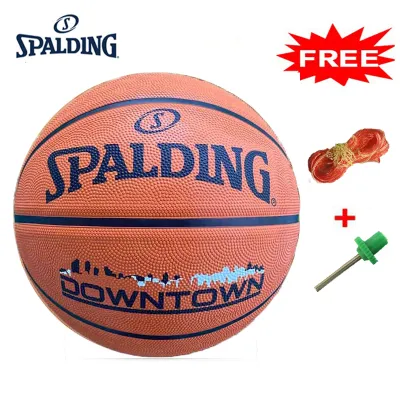
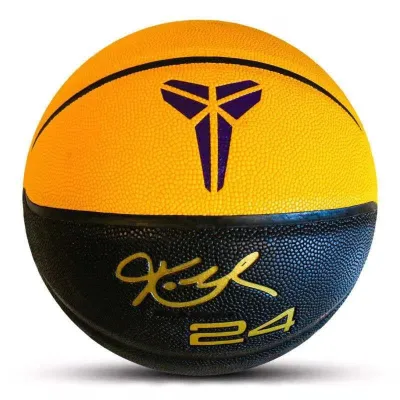
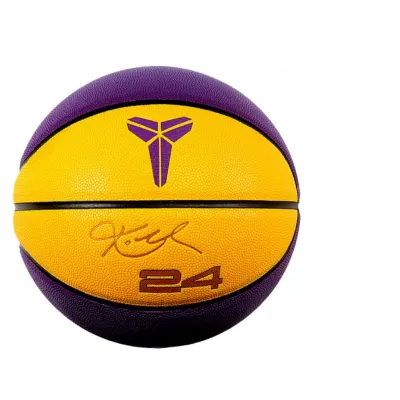
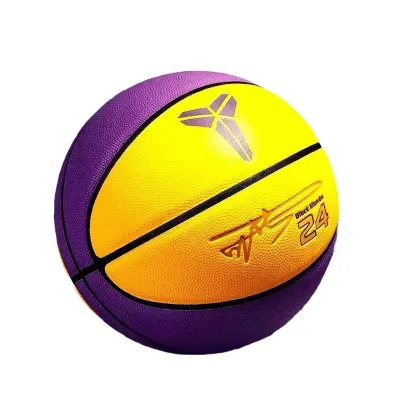
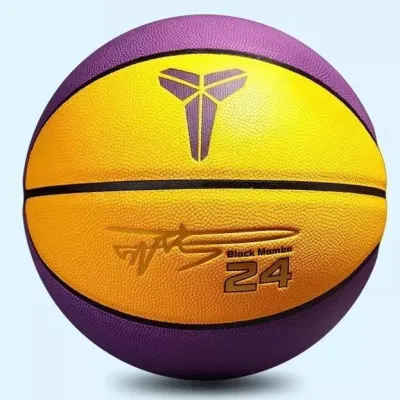
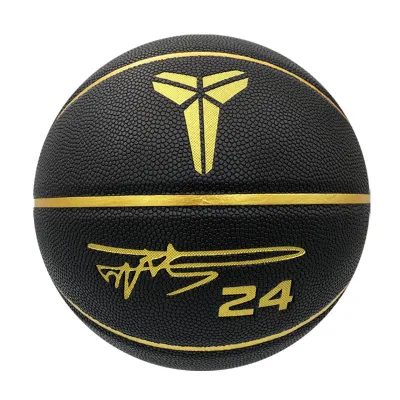
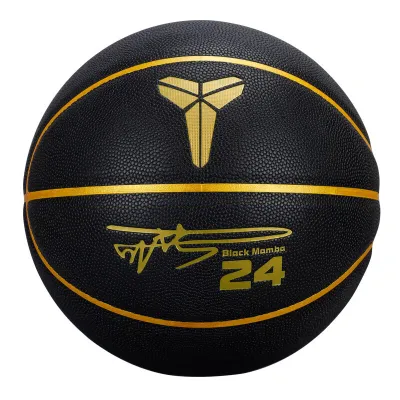
Prices are valid at publication and may change. Please refer to the product page for the latest price.
Physical and Packaging Markers of a Genuine Kobe Basketball
When your package arrives, or when you are evaluating high-resolution photos from a seller, several key physical details will reveal the ball’s true origin. Genuine manufacturers maintain exceptionally high quality-control standards that counterfeiters cannot match without significantly increasing their production costs.
Logos, Signatures, and Print Quality
The branding elements on an authentic Kobe basketball—including the manufacturer’s logo (such as Spalding, Nike, or Molten, depending on the specific release era) and Kobe Bryant’s signature—are applied with absolute precision. On an original ball, these graphics are deeply embossed or debossed directly into the composite leather or rubber. The edges of the letters will be crisp, perfectly aligned, and uniform in depth across the entire surface.
Counterfeit balls typically feature superficial branding. The logos and signatures on replica balls are often printed or painted onto the surface rather than molded into the material. This results in flat, dull graphics that may feel slightly sticky or rough. If you notice any bleeding ink, crooked text, or logos that scratch off easily with a fingernail, the ball is highly likely to be a fake.
Surface Texture, Pebbling, and Material Feel
The tactile feel of a basketball is crucial, especially when playing in the high humidity of the Philippines. Authentic composite or genuine leather basketballs feature a highly consistent pebbling texture. Each pebble is uniform in shape and height, providing a tacky, reliable grip that does not feel overly plastic or slippery when your hands sweat.
Additionally, examine the black seams and channels that run across the ball. Genuine balls have uniform, cleanly molded channels with a consistent depth and smooth transitions. Counterfeit balls often show uneven channel depths, messy glue residue along the seams, or loose panel edges. If the ball feels excessively smooth, has a cheap plastic sheen, or exhibits rough edges, it is a counterfeit.
Packaging, Tags, and Accessories
The packaging of an original signature basketball is designed to protect the item and display correct product details. Genuine balls are shipped in sturdy, high-quality cardboard boxes featuring crisp, high-resolution graphics, official brand licensing, and accurate product specifications. The box will display the exact model name, material composition, size, and recommended inflation pressure.
Any included accessories must also match the brand’s quality standards. While some premium collectible editions may include display stands or branded bags, standard retail balls are usually sold individually. If a listing claims to include a cheap plastic pump, a low-quality net, and multiple generic inflation needles as a “free bundle,” verify whether the manufacturer ever offered such a package. Counterfeiters often use cheap accessory bundles to distract buyers from the poor quality of the ball itself.
Typical Flaws and Red Flags in Counterfeit Basketballs
Counterfeit manufacturers cut corners to keep production costs low, resulting in distinct structural and aesthetic defects. Recognizing these common flaws will help you quickly identify a fake during your initial inspection.

One of the most immediate indicators of a counterfeit basketball is a strong, offensive chemical or toxic rubber odor upon unboxing. Genuine composite leather balls have a mild, clean material scent, whereas cheap replicas use low-grade synthetic materials and industrial adhesives that emit a pungent chemical smell. This odor is particularly noticeable in enclosed, humid spaces.
Structural defects are also highly common in fakes. Check the inflation valve; on an original ball, the valve is perfectly centered within its housing, sits flush with the surface, and is made of high-quality rubber that prevents air leakage. Counterfeit balls often have misaligned, sunken, or protruding valves. Additionally, replica balls frequently suffer from uneven weight distribution or an asymmetrical shape, causing them to wobble in the air or bounce erratically rather than straight up.
Visual and typographical errors on the packaging or the ball itself are dead giveaways. Look closely for misspelled words, incorrect fonts, or distorted versions of Kobe’s signature and personal “Sheath” logo. Counterfeiters often use low-resolution images of the logos and scale them poorly, resulting in pixelated or warped designs. Be highly suspicious of sellers who only provide stock images or heavily filtered photos, as they are likely trying to hide these obvious physical imperfections.
How to Vet Online Sellers and Product Listings Before Buying
Vetting the online storefront before clicking the buy button is your primary line of defense. Because you cannot touch the product, you must rely on digital clues, seller behavior, and platform metrics to assess the likelihood of receiving an authentic item.
Always prioritize official flagship stores, certified brand distributors, or highly rated local sporting goods retailers on major e-commerce platforms. These sellers are authorized by the brands to distribute genuine merchandise and are subject to strict platform regulations. Avoid buying from obscure, newly created storefronts that have generic names consisting of random letters and numbers, as these are often temporary setups designed to sell counterfeit stock before being shut down.
Analyze customer reviews with a critical eye. Do not just look at the overall star rating; filter the reviews to see those with photos and videos uploaded by actual buyers in the Philippines. Look for specific feedback regarding the ball’s grip, weight, and bounce. Be wary of listings where all the five-star reviews look identical, use overly generic phrasing, or lack actual photos of the delivered product, as these can be fabricated.
Scrutinize the product description and pricing closely. Genuine Kobe Bryant signature basketballs, especially limited editions or deadstock models, command a premium price. If a listing offers a signature composite leather ball for ₱500 to ₱1,000, when the standard retail value is upwards of ₱3,000 to ₱6,000, it is almost certainly a counterfeit. Authentic signature gear is rarely discounted so heavily, even during major online shopping sales.
Finally, verify the seller’s return and refund policies. Legitimate sellers will clearly state their return windows and accept returns for items that are verified as counterfeit or “not as described.” If a seller has a “no returns, no exchanges” policy or refuses to answer direct questions about the ball’s authenticity, do not risk your money.
What to Do If You Receive a Fake Basketball
If you have purchased a basketball and suspect it is a counterfeit upon arrival, you must act quickly to protect your purchase. E-commerce platforms have strict timelines for filing disputes, so taking immediate, documented action is essential.
The moment your package is delivered, record a continuous, unedited unboxing video. Start by showing the shipping label with your tracking details clearly visible, then film the unopened state of the outer packaging. As you open the box, capture close-up shots of the ball’s physical flaws, such as misaligned logos, messy glue lines, or a crooked valve. This video serves as indisputable evidence if you need to file a dispute.
Next, file a formal return and refund request through the e-commerce platform’s official resolution center. Select “counterfeit” or “item not as described” as your primary reason for the return. Upload your unboxing video, along with high-resolution photos comparing the received ball’s flaws against official product images. Avoid communicating with the seller outside the platform’s official chat system, as external agreements are not protected by the platform’s buyer guarantee.
Keep the ball in its exact original condition. Do not inflate it past its recommended pressure, do not play with it on any court, and preserve all original tags, plastic wraps, and cardboard boxes. E-commerce platforms typically require you to return the item in its original, unused state to process a full refund. Using the ball on an outdoor court, even briefly, can void your dispute and prevent you from recovering your money.
Frequently Asked Questions (FAQ)
Can I use an authentic Kobe signature basketball for outdoor games?
Whether you can play outdoors depends entirely on the specific model’s material construction. Authentic Kobe basketballs made from genuine leather or premium indoor composite leather are designed strictly for indoor wooden courts; using them on rough concrete or asphalt courts will rapidly wear down the pebbling and ruin the grip. If the ball is specifically designated as an indoor/outdoor composite or features a durable rubber cover, it can handle outdoor surfaces, but you should always verify the manufacturer’s care instructions on the label first.
Do all genuine Kobe basketballs come with a pump and inflation needle?
No, genuine Kobe basketballs do not standardly come with a pump and inflation needle. While some special collector’s editions or specific retail packages might include accessories, the vast majority of original basketballs are sold individually, often deflated or semi-deflated in their official boxes. If an online listing heavily promotes a free bundle containing a pump, needle, and carrying net, it is usually a marketing tactic by a third-party seller, and you must verify the authenticity of the ball itself independently.
Community discussion
Share your experience or ask a question. Comments are reviewed before publication.