
Identifying a genuine Li-Ning referee whistle requires a systematic approach that combines physical inspection, performance testing, and official security code verification. In sports officiating, a whistle is not just an accessory; it is the primary tool for game control, safety, and communication. Counterfeit sports equipment is highly prevalent on online marketplaces, making it essential to know how to distinguish an authentic product from a cheap imitation before you blow the first whistle. By examining the packaging, assessing the plastic molding, testing the acoustic response, and verifying the manufacturer’s security label, you can ensure you are using a reliable, safe, and durable tool on the court or field.
Why Authenticity Matters for Referee Whistles
In the high-pressure environment of sports officiating, the reliability of your equipment directly impacts your ability to manage a game. Whether you are refereeing a fast-paced basketball match in a humid local gymnasium or a football game on an open field, your whistle must deliver a sharp, immediate, and high-decibel sound to cut through crowd noise, player chatter, and environmental distractions. Genuine whistles are engineered to project sound consistently with minimal effort, whereas counterfeit models often suffer from air leakage, resulting in a muffled or inconsistent tone that can lead to missed calls and on-court confusion.
Beyond performance, material safety is a critical concern for any piece of equipment that comes into direct, prolonged contact with your mouth. Authentic manufacturers adhere to strict quality control standards, using non-toxic, food-safe plastics and rubbers that resist degradation from saliva and sweat. In contrast, counterfeit manufacturers often utilize cheap, unregulated industrial plastics that may contain harmful chemical additives, heavy metals, or unstable dyes. Over time, exposure to these materials in a hot, humid tropical climate can cause skin irritation, unpleasant chemical tastes, or rapid material breakdown.
Products mentioned in this guide
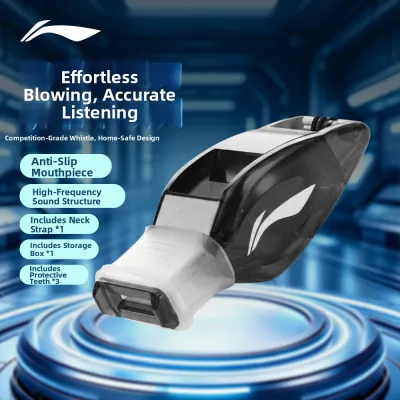
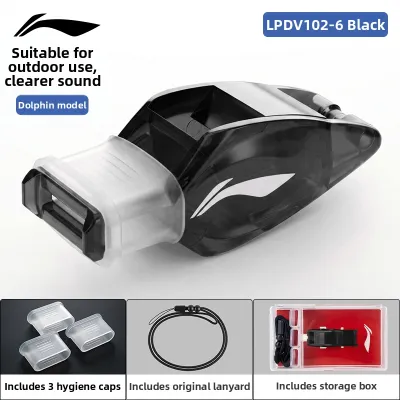
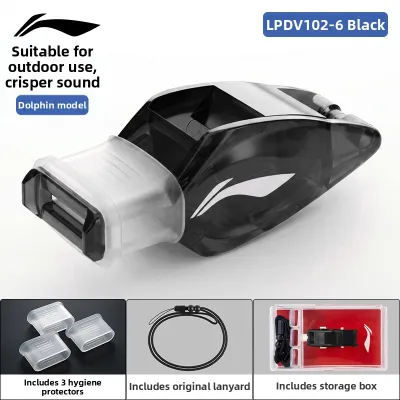
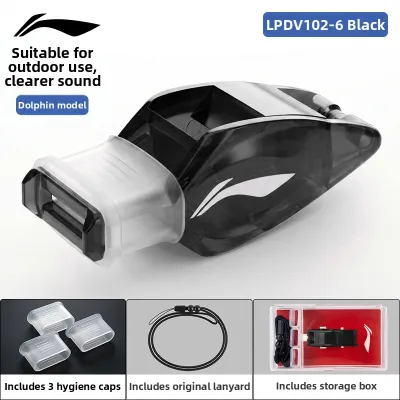
Prices are valid at publication and may change. Please refer to the product page for the latest price.
Durability is another major differentiator. A referee whistle undergoes significant physical stress, including sudden impacts, biting pressure, and constant exposure to moisture. Genuine whistles feature robust internal structures—whether they utilize a traditional pea mechanism or an advanced pea-less design—that resist cracking and structural failure. A counterfeit whistle is highly susceptible to splitting along its seams or losing its internal components mid-game, forcing you to halt play and scramble for a replacement.
Visual and Physical Inspection of the Whistle
A thorough physical examination is your first line of defense against counterfeit products. Start by scrutinizing the packaging. Genuine packaging features high-resolution printing, crisp typography, and perfectly aligned logos. Counterfeit boxes or blister packs often display blurry text, slight color variations, or misaligned graphics, which are telltale signs of cheap printing processes. Additionally, check the back of the packaging for official product information, barcodes, and the mandatory security label, ensuring that all text is legible and free of spelling errors.

Once you unpack the whistle, evaluate the build material and overall tactile feel. Genuine whistles are molded from high-quality, dense plastics or composite materials that feel solid and balanced in your hand. Run your fingers along the edges and seams of the whistle; authentic manufacturing processes ensure smooth, polished finishes with virtually invisible mold lines. Counterfeit units, on the other hand, frequently exhibit rough, sharp, or raised seams where the two halves of the whistle were joined. These manufacturing defects are not only visually unappealing but can also cause physical discomfort or cuts on your lips and tongue during active use.
Next, inspect the branding and logo placement with close attention to detail. Authentic whistles feature precise, clean engravings or high-quality pad printing of the logo. The lines should be sharp, even in depth, and perfectly centered. On counterfeit whistles, the logo may appear slightly crooked, shallow, or unevenly stamped, with paint that easily scratches off with a fingernail. If the whistle includes a rubber mouthgrip, verify that it is securely bonded to the plastic body without any visible adhesive residue or gaps where bacteria could accumulate.
Sound and Performance Evaluation
The acoustic performance of a referee whistle is highly difficult for counterfeiters to replicate accurately. To test the whistle, blow a short, sharp burst of air into the mouthpiece. A genuine whistle should respond instantly, producing a clear, high-pitched, and piercing tone with minimal air resistance. If you notice a hissing sound, excessive air escaping from the sides, or if you need to blow exceptionally hard to produce a standard volume, the whistle likely suffers from poor internal sealing, a common defect in counterfeit models.
For pea-less whistles, the internal air chambers are precisely calibrated to split the airflow and generate a dual-tone frequency. Inspect these chambers visually to ensure there are no plastic obstructions or leftover molding debris that could disrupt the air path. If you are testing a model with a pea, the internal ball should move freely and smoothly. A counterfeit pea whistle may use an uneven or poorly weighted ball that sticks to the inner walls, especially when exposed to moisture, resulting in a flat, broken, or silent blow during critical game moments.
Keep in mind that sound testing has its limitations if you do not have a known genuine reference unit on hand. Sound perception can be subjective and influenced by the acoustics of the room. However, if the whistle sounds airy, flat, or fails to command attention in an open space, it is highly probable that the internal geometry does not meet professional standards.
Official Verification and Choosing Trusted Sellers
The most reliable method to confirm authenticity is by utilizing the manufacturer’s official verification system. Genuine packaging typically includes a security label featuring a scratch-off coating. Carefully scratch this area to reveal a unique multi-digit security code. Visit the official brand verification website and enter this code into their database. The system will immediately confirm whether the code is authentic and indicate if it has been searched previously. If the website flags the code as invalid or shows that it has been queried multiple times before, you are holding a counterfeit product.
When purchasing sports equipment in the Philippines, choosing the right retail channel is crucial. Whenever possible, buy directly from authorized physical sports retailers or official flagship stores on major e-commerce platforms. These sellers source their inventory directly from authorized distributors, guaranteeing product authenticity. Be cautious of third-party marketplace sellers who use stock photos, have low seller ratings, or offer vague product descriptions.
Price is another major indicator of authenticity. While everyone appreciates a good deal, an unrealistically low price is a major red flag. If a listing offers a professional-grade whistle for a fraction of its standard retail price in ₱, it is almost certainly a fake. Authentic manufacturing, quality materials, and official licensing incur production costs that counterfeiters bypass by using inferior materials and skipping quality control.
Steps to Take If You Receive a Suspected Fake
If you suspect you have received a counterfeit whistle after making an online purchase, act quickly to protect your consumer rights. Begin by documenting the product thoroughly. Take clear, high-resolution photographs of the packaging, focusing on any blurry printing, spelling mistakes, or missing security labels. Capture close-up shots of the whistle itself, highlighting rough seams, misaligned logos, or physical defects. If possible, record a short video demonstrating the poor sound quality or air leakage.
Next, initiate a return and refund request through the e-commerce platform’s buyer protection system. Select the appropriate reason for return, such as “counterfeit product” or “item not as described,” and upload your photo and video evidence. Avoid using or altering the product further while the dispute is active. Most reputable online marketplaces have strict policies against the sale of counterfeit goods and will facilitate a refund once your evidence is reviewed.
Finally, report the unauthorized seller to the platform administrators. By flagging the listing and providing your findings, you help protect other sports enthusiasts, coaches, and referees in the local community from falling victim to the same counterfeit distribution networks.
Frequently Asked Questions (FAQ)
Can a counterfeit whistle be used for casual practice?
Using a counterfeit whistle even for casual practice is not recommended due to safety and performance concerns. Because these items are held in the mouth, the lack of material certification poses potential health risks from unregulated chemicals. Additionally, the inconsistent sound projection and poor durability mean the whistle may fail to perform reliably, disrupting your practice sessions.
Do all genuine Li-Ning whistles include a branded lanyard?
No, not all genuine whistles come packaged with a branded lanyard. The inclusion of accessories like lanyards, finger grips, or protective cases depends entirely on the specific model, product line, and packaging edition. To verify what should be included, always check the official product specifications or authorized distributor listings for that exact model.
Community discussion
Share your experience or ask a question. Comments are reviewed before publication.