
Identifying an authentic majorette baton requires a close inspection of its balance point, shaft material, rubber end density, and manufacturer branding. In the Philippines, where majorette performances are a central highlight of school intramurals, municipal town fiestas, and national drum and bugle corps competitions, using reliable equipment is a matter of both performance and safety. When searching for a high-quality batton for majorette original models are the only choice that guarantees the structural integrity needed for demanding routines.
To tell if a majorette baton is original or fake, you must evaluate how the weight is distributed across the shaft, check the quality of the metal plating, and inspect the rubber tips for secure attachment and proper density. Genuine batons are precision-engineered sports equipment designed to withstand high-velocity spins and drops on hard surfaces, whereas counterfeit alternatives are often assembled from cheap, low-grade materials that pose safety risks. By understanding these physical differences and knowing where to purchase verified gear, you can protect your investment and avoid dangerous equipment failures during practice or performance.
Why Authenticity Matters for Majorette Batons
Using an authentic majorette baton is crucial because the physics of baton twirling relies entirely on precise weight distribution and balance. A genuine baton is engineered so that its center of gravity is exactly where it needs to be, allowing the twirler to execute complex maneuvers, rolls, and high tosses with predictable control. When a baton is poorly balanced, as is common with counterfeit models, the twirler must constantly compensate with their wrists and fingers, which quickly leads to physical fatigue and disrupts the timing of a choreographed routine.
Products mentioned in this guide
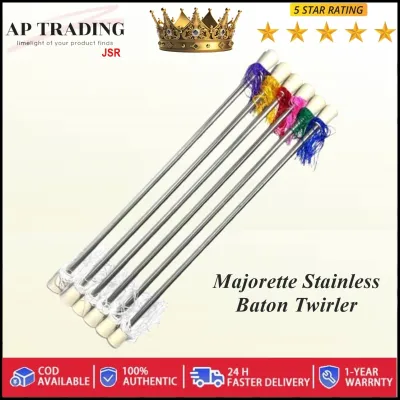
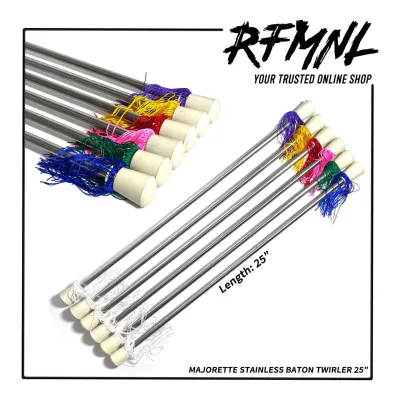
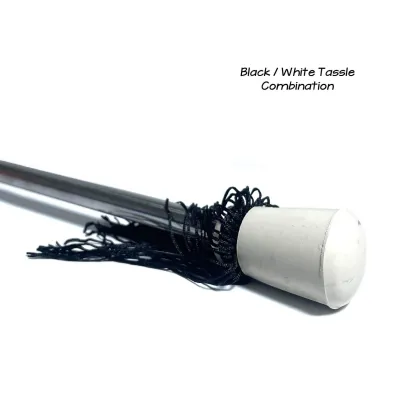
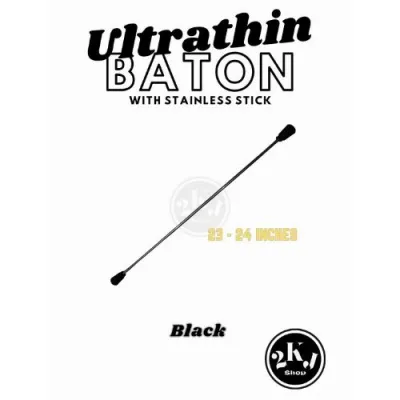
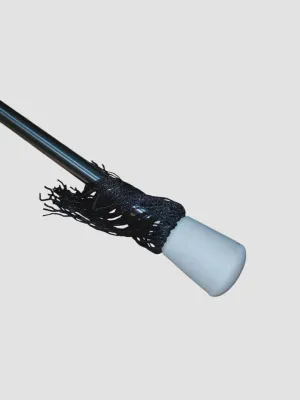
Prices are valid at publication and may change. Please refer to the product page for the latest price.
Safety is another major concern when dealing with counterfeit equipment. During high tosses, which can reach heights of over fifteen feet in outdoor arena performances, a baton must fly straight and remain predictable on its descent. Fake batons often have loose internal weights that shift mid-air, causing the baton to wobble, drift off-course, and potentially strike the performer or spectators. Furthermore, the physical strain of practicing hours with an unbalanced baton can lead to repetitive strain injuries, such as wrist tendonitis or carpal tunnel syndrome, which can sideline a performer for an entire competitive season.
Durability is also heavily compromised in counterfeit products. Authentic batons are built to survive hundreds of drops on concrete, asphalt, and gym floors without bending or breaking. Cheap counterfeits, however, are prone to snapping at the joints or bending permanently upon their first impact with a hard surface. In the tropical, high-humidity climate of the Philippines, inferior metals and poor plating on fake batons will rapidly rust, bubble, and peel, rendering the equipment unusable within a matter of weeks and forcing parents or schools to pay for frequent replacements.
Key Physical Markers of an Original Majorette Baton
When evaluating a majorette baton, you should perform a systematic physical inspection. Genuine manufacturers adhere to strict quality control standards, resulting in consistent dimensions, smooth finishes, and reliable assembly. Counterfeits almost always reveal their nature through shortcuts in manufacturing and inferior material choices.

Weight Distribution and Balance
To verify the authenticity of a baton, you must first locate its exact center of gravity. You can perform this test by extending your index finger and resting the center of the metal shaft upon it. An original baton will balance perfectly on your finger without tipping aggressively to either side, as the weight on the ball end and the tip end is meticulously balanced against the length of the shaft.
The Balance Test:
- Place your index finger under the physical midpoint of the metal shaft.
- Observe whether the baton remains horizontal or immediately tilts.
- Gently slide your finger to find the true balance point; on an original, this point should be virtually identical to the geometric center of the shaft.
- Rotate the baton slowly while balanced to ensure there are no shifting internal weights.
In contrast, counterfeit batons often feel hollow in the center and excessively heavy at the ends. Manufacturers of fake batons frequently use cheap lead or steel plugs shoved unevenly into the ends of the shaft to mimic the weight of a professional baton. This crude method results in an off-center balance point, making the baton feel clumsy and unresponsive during basic spins.
Material Quality and Shaft Finish
The metal shaft of an authentic majorette baton is typically constructed from cold-rolled steel or high-strength, tempered aircraft-grade aluminum. The surface plating—usually chrome or high-grade silver—should be completely uniform, smooth to the touch, and free of any visible seams. When you run your hand along the shaft, you should not feel any rough patches, bubbling, or sharp ridges.
Shaft Inspection Guidelines:
- Surface Check: Look for a mirror-like finish without pitting, dark spots, or discoloration.
- Flex Test: Apply moderate, gentle pressure to the center of the shaft with both hands. An authentic shaft will feel rigid and offer high resistance, returning immediately to its perfectly straight shape. A fake shaft, often made of thin-walled brass or low-grade copper piping, will easily flex or bend permanently under light pressure.
- Seam Inspection: Check the length of the tube. Original shafts are seamless, whereas fakes often show a faint longitudinal line where the metal sheet was welded together.
In humid tropical environments, sweat from a performer’s hands can quickly degrade low-quality metal plating. Authentic chrome plating resists this corrosive moisture, while counterfeit plating will begin to flake off, exposing the raw, rust-prone metal underneath and creating a hazard for cuts and scratches.
Rubber Ends and Tips
An original majorette baton features rubber ends—the larger “ball” and the smaller “tip”—made from dense, high-quality synthetic rubber. These ends are designed to absorb the shock of repeated drops, protect gym floors from scuffs, and provide a secure grip during catches. The rubber should feel firm yet slightly resilient, with a clean, matte texture.
Rubber End Quality Indicators:
- Attachment Method: Authentic rubber ends are pressure-fitted and sometimes secured with professional-grade adhesive, making them incredibly difficult to pull off by hand. Fakes are often loosely fitted or held in place with visible, messy hot-melt glue that seeps out around the collar.
- Material Density: Squeeze the rubber ball. A genuine rubber end will compress slightly under firm pressure and spring back instantly. Counterfeit ends often use hard, brittle plastic disguised as rubber, which cracks upon impact, or overly soft, low-grade PVC that smells strongly of chemicals and leaves black streaks on floors.
- Molding Seams: Inspect the mold lines on the rubber. Original ends have clean, barely visible parting lines. Counterfeits often feature thick, flashing rubber edges and asymmetrical shapes.
Spotting the Fakes: Common Red Flags in Counterfeit Batons
Recognizing a counterfeit majorette baton becomes much easier when you know the common shortcuts that illicit manufacturers take. Because these producers prioritize low cost over athletic performance, their products exhibit distinct warning signs that are easily spotted if you know where to look.
Common Red Flags Checklist:
- The Shake Test (Rattling Sounds): Hold the baton in the middle and shake it vigorously near your ear. If you hear a rattling, clicking, or sliding sound inside the shaft, the baton is a fake. This noise indicates that the internal weights used to balance the ends have come loose due to poor manufacturing.
- The Odor Test: Sniff the rubber ends. Authentic rubber has a very mild, neutral scent. Counterfeit ends made from cheap, recycled plastics or industrial PVC emit a strong, pungent, chemical or gasoline-like odor that persists even after weeks of use.
- Imperfect Shaft Diameters: Measure the diameter of the shaft. Professional, original batons are manufactured in standard, precise outer diameters, typically 3/8-inch (approx. 9.5 mm), 7/16-inch (approx. 11 mm), or 1/2-inch (approx. 12.7 mm). Counterfeit batons often use non-standard pipe sizes that feel either awkwardly thin or excessively bulky in the hand.
- Slippery or Overly Glossy Finishes: Some fake batons are coated with a cheap clear lacquer or glossy paint to hide imperfections in the metal underneath. This coating makes the shaft incredibly slippery, especially when hands sweat during outdoor practice in warm weather, leading to dropped batons and failed routines.
- Sharp Metal Edges: Inspect the metal collars where the shaft meets the rubber ends. Authentic batons have smooth, rounded, or chamfered edges. Counterfeits often have sharp, unfinished metal edges that can slice into the rubber ends or cut the twirler's fingers during high-impact catches.
Branding, Packaging, and Verification Methods
Visual branding and packaging are excellent indicators of authenticity. Reputable manufacturers take great pride in their brand identity and use precise marking methods to ensure their products are recognizable. Counterfeiters, on the other hand, rarely invest in high-quality engraving or professional packaging.
Branding and Packaging Verification Steps:
- Inspect the Logo: Look closely at the brand name and logo on the shaft or the rubber ends. Authentic batons feature clean, permanent, laser-engraved or deeply stamped logos that will not wear away. Counterfeits often use cheap, printed stickers, low-quality silk-screening, or painted text that easily chips off with a fingernail.
- Check the Typography: Compare the font, spacing, and spelling on the baton to official images on the manufacturer's website. Counterfeiters frequently make subtle spelling mistakes or use incorrect fonts that look slightly off-center or uneven.
- Evaluate the Packaging: Authentic professional batons are usually shipped in heavy-duty cardboard tubes or sealed, branded plastic sleeves that include official care instructions, sizing charts, and sometimes a warranty card. Fake batons are often sold loose, wrapped only in cheap bubble wrap, or packaged in flimsy, generic plastic bags with no branding or documentation.
- Verify Sizing Consistency: Check the baton's length against official manufacturer specifications. Authentic batons are sold in precise one-inch increments (e.g., 18 inches to 30 inches). Measure the baton from tip to tip using a tape measure. If the length is a fraction of an inch off (e.g., 24.4 inches), or if the seller only offers generic "Small, Medium, Large" sizing, the product is highly likely to be a counterfeit.
If you are uncertain about a baton’s authenticity, you can contact the manufacturer’s official customer support team via their website. Provide them with high-resolution photos of the logo, the rubber ends, and any serial numbers or batch codes printed on the packaging to verify if the product is genuine.
Where to Buy Authentic Majorette Batons in the Philippines
To guarantee that you are purchasing a genuine, high-quality baton, you must select your retail channels carefully. Avoiding unverified sellers is the most effective way to protect yourself from counterfeit sports equipment.
Recommended Purchasing Channels:
- Authorized Sporting Goods Stores: Visit established brick-and-mortar sports retailers located in major commercial centers across the Philippines. These stores source their inventory directly from official distributors and offer genuine product warranties.
- Official Brand Websites: Purchasing directly from the manufacturer's official online store is the safest option. While international shipping fees and customs duties may apply, this method ensures absolute authenticity.
- Verified Flagship Stores on Major E-Commerce Platforms: If shopping online, only buy from stores that carry a verified "Mall" or "Official Store" badge. Look for listings that have high ratings, positive customer reviews with photos, and clear return policies.
- Specialized Marching Band Distributors: Many reputable local suppliers specialize exclusively in school band instruments and majorette gear. These distributors work directly with schools and competitive drum and bugle corps, making them highly reliable sources for genuine equipment.
Be extremely cautious of social media marketplace listings, independent classified ads, or unverified online sellers offering professional-grade batons at steep, unexplained discounts. While an authentic professional baton typically costs between ₱1,500 and ₱3,500 depending on the model and size, counterfeit batons are often listed for as low as ₱200 to ₱500. Remember that a remarkably low price is almost always a primary indicator of a fake, substandard product.
What to Do If You Receive a Fake Baton
If you discover that you have accidentally purchased a counterfeit majorette baton, you should take immediate action to protect your consumer rights and prevent physical injury.
Actionable Steps for Consumers:
- Document the Evidence: Take clear, high-resolution photographs and videos of the counterfeit baton. Focus on the specific physical flaws, such as loose rubber ends, bubbling chrome, off-center balance, or messy glue residue. Keep all original packaging and shipping labels.
- File a Dispute Immediately: Contact the customer support or dispute resolution center of the e-commerce platform where you made the purchase. Submit your documented photo and video evidence, state that you received a counterfeit item, and request a full refund.
- Do Not Use the Baton: Avoid using the counterfeit baton for practice, warm-ups, or performances. A fake baton can easily bend, snap, or fly out of control, causing injury to yourself, your teammates, or bystanders. Store it safely in its packaging until your refund dispute is fully resolved.
Frequently Asked Questions (FAQ)
Can I use a fake majorette baton for casual practice?
You should not use a counterfeit majorette baton even for casual, low-impact practice. Because fake batons suffer from poor weight distribution and weak structural materials, practicing with them will cause you to develop improper muscle memory and bad twirling habits. Additionally, the risk of the metal shaft bending or the poorly secured rubber tips flying off during a basic spin poses a constant safety hazard to you and anyone nearby. Investing in a genuine baton ensures that your practice sessions are safe, productive, and physically comfortable.
Do original majorette batons come with a certificate of authenticity?
Most standard, mass-produced authentic majorette batons do not come with a formal paper certificate of authenticity. Instead, manufacturers rely on high-quality visual branding, precise physical craftsmanship, and professional packaging to prove their origin. However, some premium, custom-made, or limited-edition professional batons may include a manufacturer’s registration card, a warranty document, or a branded tag with a unique serial number that you can verify directly on the manufacturer’s official website.
Community discussion
Share your experience or ask a question. Comments are reviewed before publication.