
To identify an original Molten basketball, you must closely examine its physical construction, surface texture, and branding details. Genuine Molten basketballs are engineered with precise panel alignment, uniform pebble patterns, and crisp, perfectly aligned logos. Counterfeit models often reveal themselves through messy glue lines around the seams, a slick or overly sticky chemical feel, and distorted fonts. Verifying the packaging for official distributor labels and purchasing exclusively from authorized retail channels are the most reliable ways to ensure you are playing with an authentic product.
Why Authenticity Matters for Molten Basketballs
Playing with a genuine basketball directly impacts your skill development, game consistency, and overall safety on the court. Counterfeit basketballs are typically manufactured using low-grade rubber or cheap synthetic leather. These inferior materials fail to provide the consistent grip required for controlled dribbling, accurate passing, and clean shooting releases, especially when playing in hot and humid conditions.
Furthermore, fake basketballs suffer from rapid physical deterioration. You may notice premature wear on the outer cover, splitting seams, or air leaks around the valve after only a few sessions. This structural instability leads to an uneven shape, causing unpredictable bounces and erratic flight paths during play.
Products mentioned in this guide
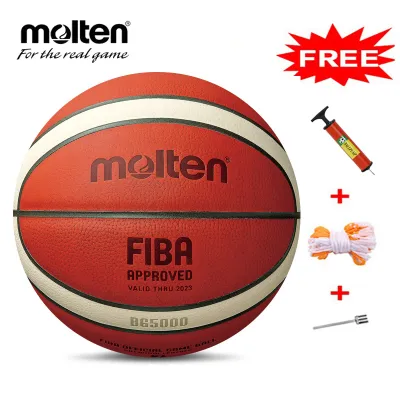
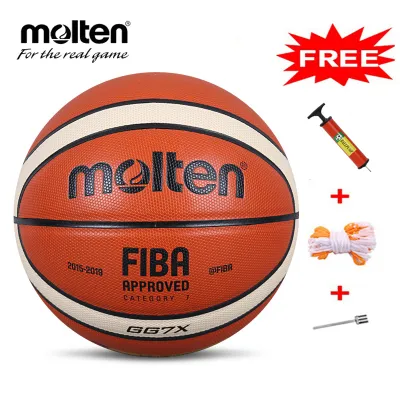
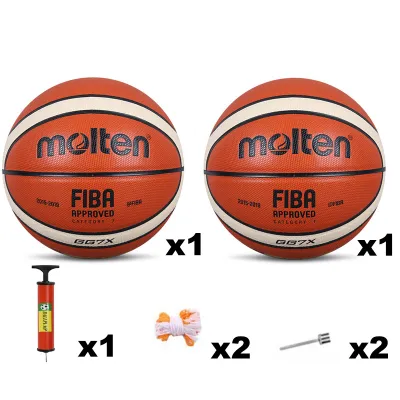
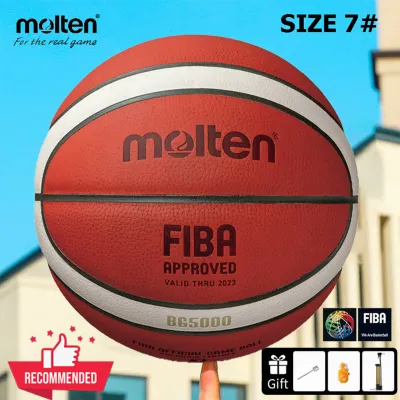
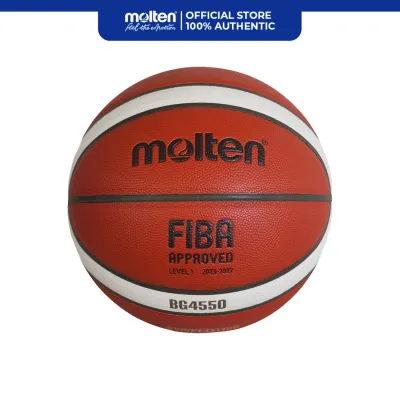
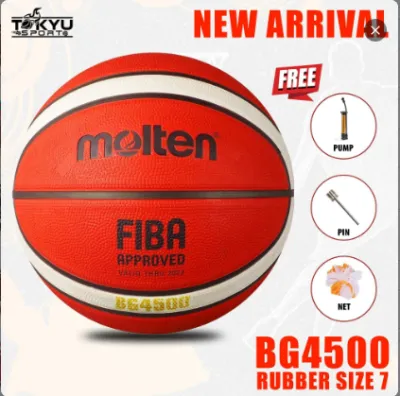
Prices are valid at publication and may change. Please refer to the product page for the latest price.
In contrast, authentic Molten basketballs are manufactured to meet strict weight, size, and bounce specifications. Training with a genuine ball ensures that your muscle memory translates accurately to official games and competitive leagues, where standardized equipment is mandatory.
Physical Inspection: Texture, Grip, and Panel Design
A thorough physical inspection is one of the most effective ways to spot a counterfeit basketball before taking it to the court. Genuine manufacturing processes utilize high-precision machinery and strict quality control, resulting in a symmetrical, well-balanced product. Counterfeiters, operating with lower budgets and inferior equipment, struggle to replicate these exact physical standards.

When inspecting a basketball, start by looking at the overall shape and structure. The ball should be perfectly spherical, with no visible bulges or flat spots. Spin the ball on your finger or bounce it straight down; an original ball will bounce vertically without wobbling or veering off to the side.
The valve area is another critical point of inspection. On an original Molten basketball, the inflation valve is cleanly integrated into the body, sitting flush with the surrounding material. The rubber around the valve should be smooth, properly sealed, and free of excess adhesive or rough edges. Many counterfeit balls feature poorly aligned valves that are sunken, protruding, or surrounded by messy glue residue.
Surface Texture and Material Feel
The tactile experience of holding a basketball is a primary indicator of its authenticity. Genuine Molten composite leather is designed with advanced moisture-management properties, offering a secure, tacky grip that performs well even when your hands are sweaty. It feels soft yet firm, providing excellent cushion and control.
Counterfeit basketballs often feel noticeably different upon first touch. They may have an excessively slick, plasticky surface that offers very little traction, or they might feel overly sticky due to cheap chemical coatings. Additionally, fake balls often emit a strong, unpleasant chemical or industrial glue odor, whereas genuine balls have a mild, standard material scent.
Examine the pebble pattern across the entire surface of the ball. On an original, the tiny raised pebbles are uniform in shape, height, and spacing, extending consistently right up to the edges of the seams. Counterfeit models frequently exhibit irregular pebble patterns, with flat, smooth patches or blurred textures near the panel joints.
Logos, Branding, and Panel Alignment
The printing and alignment of branding elements on a basketball require high-end manufacturing techniques that counterfeiters rarely replicate perfectly. Inspect the main Molten logo carefully. The letters should have sharp, clean edges, correct proportions, and perfect alignment parallel to the black channels.
Look closely at the secondary text, including the model number, inflation pressure guidelines, and size indicators. Counterfeit balls often feature blurred lettering, inconsistent font weights, or even obvious spelling mistakes. The ink on a fake ball may also scratch off easily with a fingernail, whereas genuine branding is durable and deeply bonded to the material.
Finally, evaluate the alignment of the individual panels. The black channels on an original ball are uniform in width and depth across the entire surface. The panels themselves are cut and glued with mathematical symmetry. If you notice crooked seams, varying channel widths, or visible yellow glue spilling out from the edges, the ball is highly likely to be a counterfeit.
Packaging, Tags, and Official Labels
Examining the packaging and accompanying documentation provides crucial clues regarding a basketball’s origin. Genuine Molten products are distributed in high-quality packaging designed to protect the ball during transit. This packaging features crisp, high-resolution printing, accurate product descriptions, and official barcodes that match the specific model inside.
In the Philippines, authentic Molten basketballs often feature specific distributor markings, such as official holographic stickers or security tags. These holograms should reflect light cleanly and display clear, legible security patterns. If the sticker looks dull, blurry, or is easily peeled off, it may be a fake label applied to deceive buyers.
Be highly suspicious of basketballs that arrive without any official packaging. Counterfeits are frequently shipped deflated in flimsy, unmarked plastic bags, or packed in generic brown cardboard boxes lacking any brand-specific design elements. Authentic premium models typically ship inflated or in structured, branded boxes complete with official inflation needles and care instructions.
Choosing Reliable Purchasing Channels
The most effective way to avoid counterfeit sports equipment is to be highly selective about where you shop. Purchasing from authorized retail environments virtually eliminates the risk of acquiring a fake product. Established sports chains, official brand stores, and verified flagship stores on major ecommerce platforms are the safest options.
If you are shopping on online marketplaces, take extra time to scrutinize third-party sellers. Do not rely solely on the product images provided in the listing, as dishonest sellers often use official stock photos. Instead, look at the store’s overall rating, read customer reviews, and pay close attention to user-uploaded photos of the actual product received by previous buyers.
Price is another critical factor to consider. While everyone enjoys a good discount, prices that seem too good to be true are a major red flag. A premium composite leather basketball typically retails within a specific price range; if a seller offers the same model for ₱500 to ₱800 when the standard retail price is significantly higher, the item is almost certainly a counterfeit.
Steps to Take If You Receive a Suspected Fake
If you receive a basketball and suspect it is not original, stop using it immediately. Do not inflate it beyond the recommended pressure, and do not play with it on outdoor courts, as this can void your ability to return the item.
Begin by documenting all the discrepancies you have identified. Take clear, well-lit, high-resolution photos of the blurry logos, uneven seams, messy valve construction, or suspicious packaging. These photos will serve as essential evidence for your claim.
Next, initiate a return or refund request through the ecommerce platform’s official buyer protection program. Select the appropriate reason, such as “counterfeit product” or “item not as described,” and upload your documented photographic evidence. Most reputable platforms have strict policies against counterfeit sellers and will facilitate a refund if you provide clear proof.
Additionally, consider reporting the fraudulent seller to the official local distributor or brand representative. Sharing this information helps protect the local basketball community and assists distributors in taking legal action against counterfeit operations.
Frequently Asked Questions (FAQ)
Can I verify a Molten basketball using a barcode scanner app?
While barcode scanner apps can identify the product details associated with a specific barcode, they are not a reliable method for verifying authenticity. Counterfeiters can easily copy a valid barcode from a genuine box and print it onto fake packaging. To ensure your basketball is original, you must rely on physical inspection, material quality, and purchasing from authorized sellers.
Do genuine Molten basketballs always come with a warranty card?
Not all genuine Molten basketballs include a physical warranty card. While premium game balls or specific high-end models may come with official registration inserts or warranty documentation, standard rubber or entry-level composite models often do not. To protect your purchase, always buy from authorized local retailers and keep your official receipt as proof of purchase.

Community discussion
Share your experience or ask a question. Comments are reviewed before publication.