
To determine if a Molten basketball is original, you must look closely at its physical construction, touch its surface texture, check its performance characteristics, and verify the seller’s authorization status. Counterfeiters have become highly skilled at mimicking the appearance of popular models, but they consistently fall short on structural details like the precision of the seams, the alignment of the air valve, and the physical behavior of the ball during play. A genuine ball for basketball molten products features clean, flat-seam channels, perfectly aligned decals, and a consistent, predictable bounce that fake alternatives cannot replicate.
The Risks of Counterfeit Basketballs in Local Markets
Purchasing sports equipment in the local market requires a high level of vigilance. Counterfeit basketballs are highly prevalent in physical sports shops, neighborhood retail stalls, and unverified online marketplaces. While a fake ball might look acceptable on a digital screen, the practical consequences of playing with one become obvious the moment it hits the court. These imitations often suffer from inconsistent bounce heights, poor grip that worsens with sweat, rapid surface wear, and unbalanced weight distribution that ruins your shooting form.
In the humid, tropical climate of the Philippines, the materials used in counterfeit balls degrade even faster. Cheap glues melt under intense heat, causing panels to peel away, while low-grade synthetic leathers warp and become slick when exposed to moisture. Beyond the frustration of wasting your money, playing with a poorly constructed ball poses safety risks. An unpredictable bounce can lead to finger sprains, and a sudden loss of grip during a fast break can cause slips or awkward falls on concrete outdoor courts or polished indoor hardwood.
Products mentioned in this guide
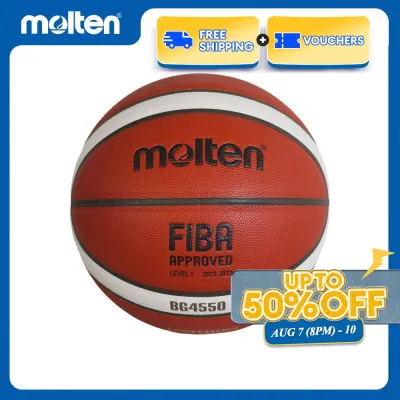
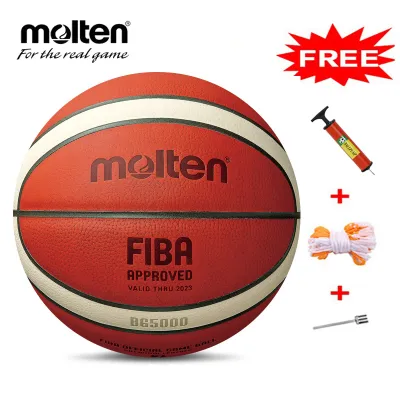
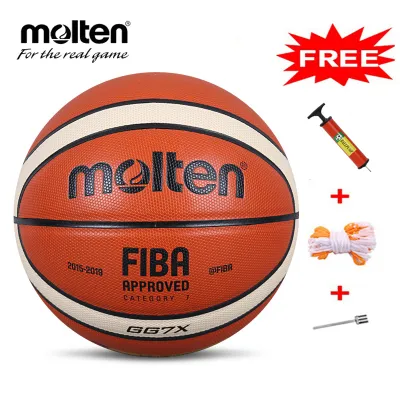
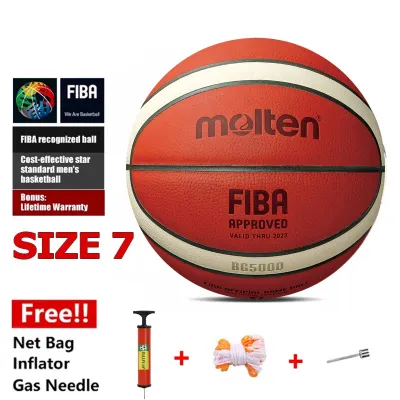
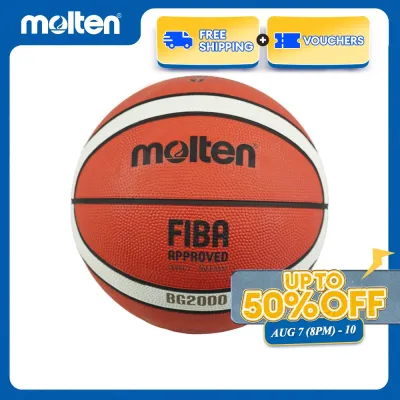
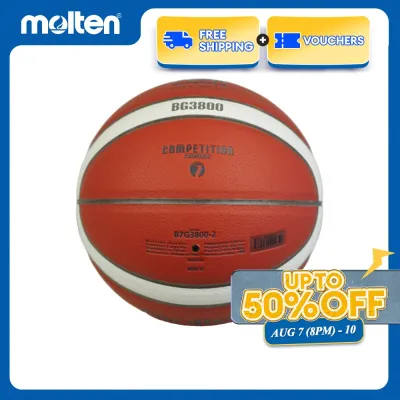
Prices are valid at publication and may change. Please refer to the product page for the latest price.
Physical and Visual Checks: Inspecting the Ball and Packaging
A thorough physical inspection is your primary line of defense against counterfeit products. Genuine manufacturers maintain strict quality control standards, ensuring that every ball leaving the factory is free of cosmetic and structural defects. Counterfeiters, operating under tight margins and using inferior machinery, almost always leave behind subtle visual and tactile clues that betray their product’s origin.

Packaging, Labels, and Print Quality
Before you even inflate the ball or remove its tags, examine the external packaging and labeling with care. Genuine products are shipped in sturdy, high-quality cardboard boxes featuring high-resolution printing, accurate brand colors, and perfect spelling. Check the product label for consistent model numbers, size indicators, and material descriptions that align exactly with the manufacturer’s official specifications.
Look out for these common warning signs on the packaging:
- Blurry or Smudged Text: Low-quality printing presses often produce fuzzy lettering, misaligned ink layers, or faded brand colors.
- Flimsy Materials: Cheap, thin cardboard that collapses easily under minimal pressure is a common indicator of a counterfeit operation.
- Spelling and Grammar Errors: Carefully read all printed text, as counterfeit packaging frequently contains misspelled words, awkward phrasing, or incorrect translations.
- Missing Manufacturer Details: Authentic packaging always includes clear importer information, manufacturer addresses, and official barcodes.
Surface Texture, Seams, and Valve Construction
The tactile feel of a basketball is incredibly difficult for counterfeiters to replicate. Authentic Molten balls are renowned for their signature pebble texture and advanced panel design, such as the distinct flat-seam construction or specific geometric patterns found on high-end models. Run your fingers across the entire surface to assess the quality of the materials and the precision of the assembly.
When inspecting the physical construction, focus on these critical areas:
- Pebble Uniformity: On a genuine ball, the tiny pebbles covering the surface are uniform in shape, height, and spacing. Counterfeit balls often have inconsistent pebbling, with some areas appearing flat, smooth, or unnaturally sharp.
- Seams and Channels: Examine the channels between the panels. Authentic models feature perfectly uniform, clean edges with deep, consistent seams. There should be no visible traces of excess glue, loose threads, or overlapping panel edges.
- Air Valve Alignment: Inspect the black rubber air valve. It must be perfectly flush with the surface of the ball, cleanly cut, and free of rough rubber burrs or misalignment. Fake balls often have recessed or protruding valves, crooked placement, or messy rubber molding around the opening.
Logo Proportions and Certification Marks
Branding details are another area where counterfeiters frequently make mistakes. Authentic basketballs feature crisp, perfectly proportioned logos and official certification marks that are printed or embossed with absolute precision. Compare the ball in your hands with high-resolution images from the official manufacturer’s catalog.
Pay close attention to these specific branding elements:
- Font and Spacing: Look closely at the letters in the brand name. Counterfeiters often get the font thickness, letter spacing, or overall proportions slightly wrong. The letters should be sharp and perfectly aligned.
- Decal Durability: On a genuine ball, the logos and decals are integrated seamlessly into the surface material. If the letters feel like cheap stickers, have peeling edges, or can be easily scratched off with a fingernail, the ball is highly likely to be a fake.
- Certification Marks: High-tier models often carry official approval stamps, such as the FIBA (International Basketball Federation) logo. Verify the print quality of these marks; they should be perfectly legible, correctly proportioned, and positioned exactly where specified by the official model guidelines.
On-Court Performance: Evaluating Bounce, Grip, and Weight
Even if a counterfeit ball manages to pass a basic visual inspection, it will almost certainly fail when put to the test on the court. The internal bladder, winding, and carcass construction of an authentic basketball require specialized engineering that cheap factories cannot afford to replicate. Evaluating how the ball behaves during actual play is an excellent way to confirm its authenticity.
A genuine basketball is engineered for balanced flight and consistent weight distribution. When you spin the ball in the air, it should rotate smoothly without wobbling or pulling to one side. If the ball feels lopsided or has an uneven weight distribution, the internal bladder is likely of poor quality or poorly aligned.
To test the performance of the ball, perform the following checks:
- The Bounce Test: Inflate the ball to the manufacturer's recommended pressure, which is typically printed near the air valve. Drop the ball from a height of about 1.8 meters onto a solid concrete or hardwood floor. A genuine ball should rebound consistently to a predictable height (usually around 1.3 to 1.4 meters) without veering off to the side. Counterfeit balls often bounce erratically, feel dead, or rebound much lower due to inferior rubber compounds and poor internal winding.
- The Grip and Sweat Test: Authentic synthetic leathers and premium rubbers are designed to provide a secure grip even when your hands are sweaty. Run some drills on the court to see how the surface handles moisture. Genuine composite leather absorbs moisture slightly to maintain grip, whereas cheap synthetic materials used in fakes become excessively slippery, greasy, or unnaturally sticky.
- Weight Verification: If you have access to a digital scale, weigh the inflated ball. Authentic balls conform to strict weight ranges set by international governing bodies (such as 567 to 650 grams for a standard Size 7 ball). Counterfeit balls often fall well outside these specifications, feeling either unusually light or excessively heavy.
Safe Purchasing Channels and Official Verification
The most reliable way to avoid the frustration of buying a counterfeit product is to control where you shop. Understanding how to navigate local retail environments and online platforms will significantly reduce your risk of encountering fake goods.
Navigating Online Marketplaces and Official Stores
E-commerce platforms offer incredible convenience, but they are also the primary distribution channels for counterfeit sports gear. When shopping online in the Philippines, you must exercise caution and look for verified indicators of authenticity.
Follow these guidelines to protect your purchase online:
- Buy from Authorized Outlets: Prioritize purchases from the brand's official website, authorized physical sporting goods retailers, or verified flagship stores on major e-commerce platforms. These stores are backed by official distribution networks, ensuring you receive genuine merchandise.
- Be Skeptical of Extreme Discounts: If a premium composite leather basketball that normally retails for ₱3,500 to ₱5,000 is being offered for ₱800, it is almost certainly a counterfeit. Genuine high-quality materials and manufacturing processes have baseline costs that make such deep discounts impossible for legitimate sellers.
- Check Seller Ratings and Reviews: Look closely at the seller's overall rating and read customer reviews. Pay attention to reviews that include user-uploaded photos and videos of the actual product received. Look for warning signs in the comments, such as complaints about rapid deflation, peeling panels, or an unusual chemical smell.
- Verify "Mall" or "Official" Badges: On local e-commerce platforms, look for official verification badges that indicate the seller is a registered brand owner or authorized distributor.
Using Official Resources to Verify Sellers
If you are uncertain about the legitimacy of a physical retail store or an online seller, you can leverage official brand resources to verify their status. Do not rely on marketing claims made by the seller themselves.
To verify a seller’s credentials:
- Consult the Official Distributor List: Visit the official Molten website or contact their authorized regional distributor in the Philippines to find a list of certified retail partners. If a seller is not on this list, proceed with extreme caution.
- Ignore Unverified Verification Methods: Be highly skeptical of "anti-counterfeit" QR codes, scratch-off stickers, or security labels provided directly by unverified sellers. Counterfeiters frequently print fake security stickers that link to cloned, look-alike verification websites designed to mimic the official brand portal.
- Contact Local Customer Support: If you have doubts about a specific store or a product you have received, reach out to the brand's local customer support team. They can often verify dealer authorization or help you identify specific manufacturing details unique to genuine products.
Steps to Take If You Receive a Suspected Counterfeit
If you realize you have purchased a counterfeit basketball, acting quickly is essential to protect your consumer rights and help clean up the local marketplace. Do not continue to use the ball, as physical wear can complicate the return process.
Follow these steps to address the issue:
- Preserve All Materials: Keep the ball in its current condition and preserve all original packaging, tags, receipts, shipping labels, and digital communication with the seller.
- Document the Discrepancies: Take clear, well-lit photos and videos of the specific flaws you have identified, such as messy seams, misaligned logos, poor valve construction, or printing errors on the packaging. Compare these side-by-side with official product images to build a clear case.
- Initiate a Return and Refund: Open a formal dispute or return request through the e-commerce platform's buyer protection program immediately. Upload your documented evidence and clearly state that the item received is counterfeit. If the seller or platform refuses to cooperate, and you paid using a credit card, contact your bank to inquire about initiating a chargeback for receiving counterfeit goods.
- Report the Seller: Submit a formal report against the seller's listing on the platform. Providing detailed evidence of counterfeit sales helps platform administrators remove dishonest merchants, protecting other players in the local basketball community.
Frequently Asked Questions (FAQ)
Understanding the nuances of product manufacturing can help clear up common misconceptions about how basketballs are produced and verified.
Can I verify authenticity just by scanning the barcode?
No, you cannot rely solely on a barcode scan to verify authenticity. A barcode is simply a standardized sequence of numbers that identifies the product type, model, and manufacturer; it does not contain unique serial data for individual items. Counterfeiters can easily copy a valid barcode from a genuine ball and print it onto their fake packaging. A successful scan merely proves that the barcode exists in a database, not that the physical product in your hand is original.
Does the country of manufacture determine if the ball is fake?
No, the country of manufacture alone does not determine whether a ball is fake. Genuine Molten basketballs are produced in several different countries, including Thailand, China, and Vietnam, depending on the specific model, production batch, and global distribution needs. A genuine high-end game ball might be manufactured in one facility, while entry-level rubber balls are produced in another. Instead of focusing solely on the country of origin printed on the label, you should evaluate the overall build quality, physical details, and the reputation of the seller.
Community discussion
Share your experience or ask a question. Comments are reviewed before publication.