
To tell if a Molten GG7X basketball is 100% original, you must systematically examine its physical construction, surface texture, valve alignment, and retail packaging. Because this specific model is a staple on basketball courts across the Philippines—from polished indoor hardwoods to humid, open-air barangay concrete courts—it has become a frequent target for counterfeiters. Spotting a replica requires looking past a simple bounce and inspecting the fine details of the composite leather, the alignment of the seams, and the credentials of the seller.
Understanding these physical and transactional markers is essential for any player, coach, or parent looking to invest in reliable training equipment. A genuine basketball is an investment in your skill development, offering predictable performance that helps you build consistent muscle memory. By contrast, a counterfeit ball can disrupt your training and degrade rapidly under local playing conditions. This guide provides a comprehensive, step-by-step checklist to verify your basketball before you take it to the court.
Why Authenticity Matters for the Molten GG7X
The difference between a genuine Molten GG7X and a counterfeit replica goes far beyond aesthetics; it directly impacts how the ball behaves during play. Authentic composite leather is specifically engineered to absorb moisture from sweaty hands, maintaining a reliable grip even during intense, high-paced games. Counterfeit balls, however, typically utilize cheap synthetic plastics or low-grade rubber that becomes incredibly slippery when exposed to sweat or tropical humidity. This lack of grip makes dribbling, passing, and shooting highly unpredictable.
Products mentioned in this guide
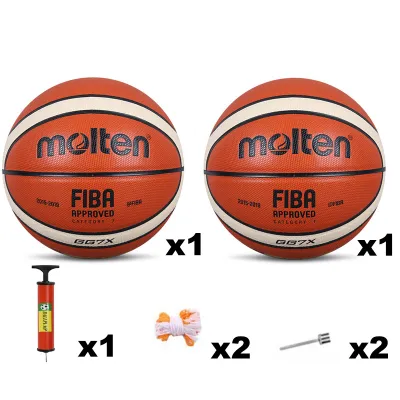
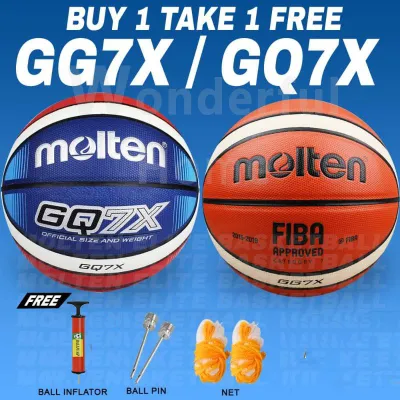
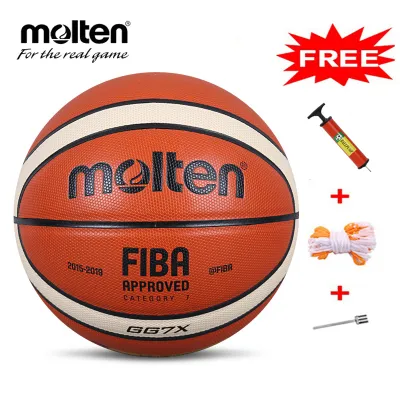
Prices are valid at publication and may change. Please refer to the product page for the latest price.
Bounce consistency is another critical factor that separates genuine basketballs from replicas. A genuine GG7X features a uniform butyl bladder and nylon winding that ensures a perfectly balanced, predictable rebound off the backboard, rim, or court surface. Counterfeits often suffer from uneven weight distribution and poor internal construction, leading to erratic bounces that can frustrate players and hinder skill development.
Durability is also severely compromised in counterfeit models. The intense heat and high humidity of outdoor courts in the Philippines accelerate the breakdown of low-grade adhesives used in replicas. As a result, fake basketballs frequently experience peeling panels, warped shapes, and rapid air loss after only a few games. An original ball is built to withstand these environmental pressures when properly maintained, offering long-term value for your investment.
Finally, playing with a poorly constructed counterfeit poses subtle safety risks. Erratic bounce behavior and a slippery surface increase the likelihood of finger sprains, jammed wrists, or slips on the court. Investing in a genuine ball ensures that your training equipment behaves exactly as intended, protecting your joints and supporting safe, competitive play.
Physical Markers and Build Quality Checks
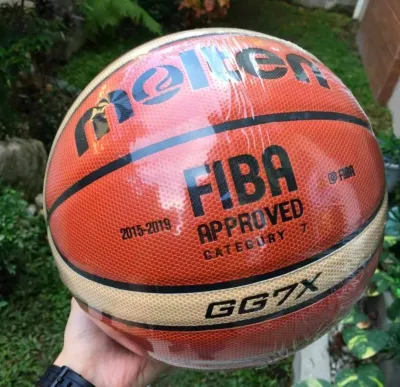
The most reliable way to identify a genuine Molten GG7X is through a close physical inspection of the ball itself. The GG7X features a signature 12-panel design with a distinct pebbling pattern. On an original ball, the pebbles—the tiny raised bumps on the surface—are uniform, aligned, and offer a soft, tacky grip. Counterfeits often have hard, glossy, or shallow pebbling that feels like cheap plastic rather than premium composite leather.

Next, examine the black channels separating the panels. On a genuine Molten GG7X, these seams are perfectly flat, consistent in width, and deeply set without any visible glue residue or lifting edges. Replicas frequently display uneven channel depths, messy adhesive spills along the borders, or panels that do not align flush with the seams. Run your fingers along the seams to check for any rough edges or loose material.
The inflation valve is another critical indicator of manufacturing quality. A genuine ball features a neatly centered, flush-mounted valve. The rubber surrounding the valve should be smooth, clean, and free of debris. In contrast, fake balls often have misaligned, recessed, or protruding valves, sometimes with rough edges or immediate air leakage upon inflation. You can apply a small drop of water to the valve to check for slow, bubbling leaks.
Verify the ball’s physical dimensions against the manufacturer’s official specifications. A standard size 7 basketball should have a circumference of 74.9 to 78 centimeters and a weight of 567 to 650 grams. While you might not carry a scale to the court, any ball that feels noticeably light, heavy, or lopsided during a spin test warrants skepticism. An original ball will spin smoothly on your finger without wobbling.
Packaging, Labels, and Documentation
Before even touching the basketball, the packaging can offer immediate clues about its authenticity. Original Molten basketballs are typically shipped in high-quality cardboard packaging with sharp, high-resolution graphics. Counterfeit boxes often feature blurry text, washed-out colors, or misaligned barcodes. Check the spelling of all printed words; replicas frequently contain subtle typographical errors or awkward phrasing.
Look for official security labels and holographic stickers. Genuine balls distributed in the Philippines often feature specific holographic stickers or serial numbers printed near the valve or on the packaging. The serial number should be crisp, clear, and match the format used by the manufacturer. If the sticker is easily peeled off, lacks a multi-dimensional holographic shift, or has blurry font, it is likely a fake.
Inspect any included accessories, such as inflation needles or small hand pumps, that come with the retail package. Genuine accessories carry clean, embossed, or printed logos that match the brand’s official typography. Flimsy, unbranded plastic needles or pumps with off-color logos are common indicators of a counterfeit bundle. Authentic packages prioritize quality in every component, not just the ball itself.
Evaluating Seller Credentials and Purchase Channels
Choosing where to buy your basketball is just as important as inspecting the product itself. The safest way to ensure authenticity is to purchase from authorized sporting goods stores, official brand outlets, or well-established physical department stores in major malls. These retailers source their inventory directly from official distributors, guaranteeing genuine products and reliable customer service.
When shopping on online marketplaces, be highly suspicious of prices that seem too good to be true. If a listing offers a GG7X for a fraction of the standard retail price—which typically sits in the multi-thousand pesos range, such as ₱3,000 to ₱4,000—it is almost certainly a replica. Avoid sellers who rely solely on stock photos, have low seller ratings, or lack detailed, written buyer reviews with actual photos of the delivered product.
If buying from an independent reseller or a third-party listing, ask for clear, unedited, high-resolution photos of the actual ball, focusing on the valve, the seams, and the serial number. Requesting a copy of the original purchase receipt or an authorization certificate can also help verify the item’s origin before you commit to the purchase. Legitimate sellers will gladly provide these details to prove authenticity.
What to Do If You Suspect a Counterfeit
If you receive a basketball and suspect it is a counterfeit, do not use it on the court, as physical wear can void your return options. Begin by documenting all physical and packaging discrepancies with clear, well-lit photos and videos. Focus on specific issues like messy glue lines, misaligned valves, blurry printing, or a lack of holographic stickers.
Initiate a return or refund process promptly through the e-commerce platform’s buyer protection program or your payment provider. Clearly present your documented evidence to support your claim, noting how the received item differs from the manufacturer’s official standards. Most reputable platforms have strict policies against counterfeit goods and will protect your payment if you act quickly.
Finally, report the suspicious listing or seller to the platform’s customer support team. Sharing your experience and reporting fraudulent listings helps protect the local basketball community from being misled by deceptive sellers. By taking these steps, you contribute to a safer, more reliable marketplace for sports equipment in the Philippines.
Frequently Asked Questions (FAQ)
Can a fake Molten GG7X pass a basic bounce test?
Yes, a counterfeit ball can often pass a simple, initial bounce test when fully inflated. However, these replicas typically fail to maintain consistent air pressure over time and suffer from uneven internal bladder construction, which leads to erratic bounces during actual gameplay.
Does the manufacturer provide an app or website to verify GG7X serial numbers?
The availability of digital verification tools, such as online serial number portals or QR code scanners, depends on the specific production batch and regional distributor. You should check the official brand website for the most current authentication guidelines and digital tracking features available in your area.
Is a slightly off-center valve always a sign of a counterfeit?
Not necessarily, as minor cosmetic variances can occur within acceptable manufacturing tolerances. However, a misaligned valve should never be evaluated in isolation; look for accompanying red flags like messy glue seams, a plastic-like surface texture, or a lack of official holographic packaging labels before making your final judgment.

Community discussion
Share your experience or ask a question. Comments are reviewed before publication.