
To tell if a Molten GG7X basketball is original or fake, you must conduct a thorough multi-point inspection of its packaging, physical construction, and material quality. Genuine basketballs feature precise panel alignment, deep and consistent pebble grain textures, and official security labels that can be verified through authorized regional databases. Relying on a single visual check is rarely enough, as counterfeiters have become highly skilled at mimicking basic design elements while cutting corners on materials and structural integrity.
The Rise of Counterfeit Basketballs in the Philippines
Basketball is a national passion in the Philippines, with active games played daily on indoor wooden courts and rough barangay concrete surfaces. Because demand for quality gear is consistently high, the local market has seen a surge in counterfeit sports equipment. These fake products are frequently listed on major e-commerce platforms and social media marketplaces, targeting buyers looking for a premium experience at a fraction of the cost.
Using a counterfeit basketball comes with significant performance and longevity risks. Fake balls are typically manufactured from low-grade synthetic materials that fail to provide a reliable grip, especially in the humid tropical climate of the Philippines. This lack of traction leads to frequent turnovers, slipped passes, and poor ball control. Furthermore, counterfeits often suffer from uneven air retention and low-quality inner bladders, resulting in inconsistent bounces that disrupt your shooting and dribbling mechanics.
Products mentioned in this guide
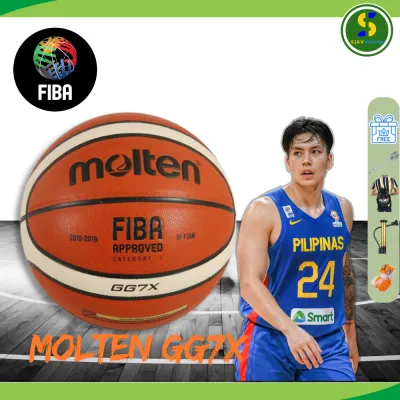
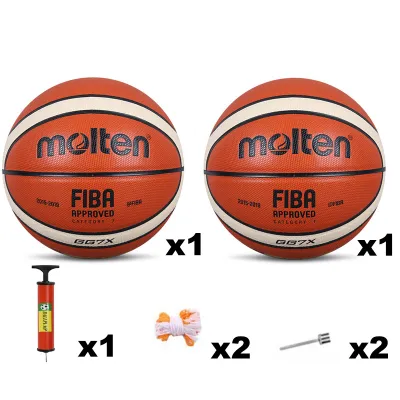
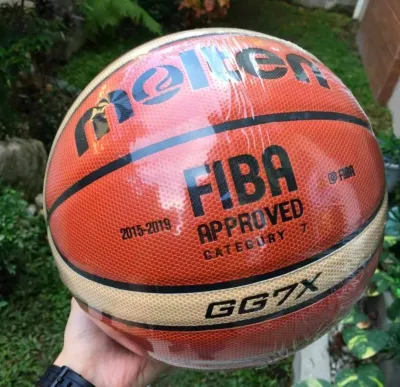
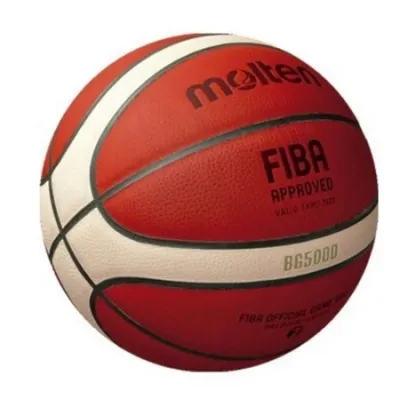
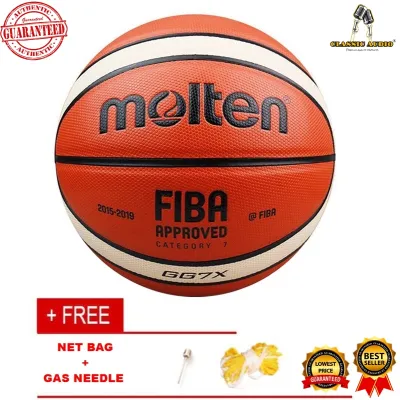
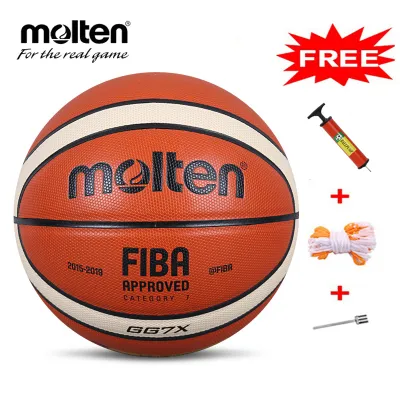
Prices are valid at publication and may change. Please refer to the product page for the latest price.
It is crucial to understand that visual similarities in online product photos do not guarantee the physical quality of the item you receive. Fraudulent sellers routinely use official stock photos or high-resolution images of genuine basketballs to populate their listings. When the package arrives, the actual product inside is often a cheap imitation that wears out rapidly on rough outdoor courts, offering little value for your hard-earned money.
Defining Features of an Authentic Molten GG7X
Identifying a genuine Molten GG7X requires a methodical approach that focuses on the finer details of the product’s construction. Premium basketballs are engineered to strict quality control standards, utilizing advanced materials that counterfeiters cannot afford to replicate while maintaining low prices.

To protect your investment, you must examine both the exterior packaging and the physical ball itself immediately upon delivery. No single visual check guarantees 100% authenticity on its own. Instead, you must evaluate multiple factors together—including the print quality of the box, the feel of the composite leather, the alignment of the seams, and the validity of the distributor’s security seals—to confirm the product is genuine.
Packaging, Tags, and Barcodes
The packaging is your first line of defense when verifying the authenticity of your basketball. Authentic Molten products are shipped in sturdy, high-quality cardboard boxes that feature sharp, clear printing, correct font alignments, and vibrant brand colors. The text on the box should be perfectly legible, with no blurry logos, faded ink, or misspelled words, which are common hallmarks of cheap printing presses used by counterfeiters.
Next, turn your attention to the tags, barcodes, and product identifiers attached to or printed on the packaging. On an authentic Molten GG7X, the barcode and product codes on the box must match the specific identifiers printed on the basketball itself. These codes are critical for tracking inventory and ensuring quality control across different manufacturing batches. If you notice discrepancies between the numbers on the box and those on the ball, or if the barcode sticker looks poorly printed and misaligned, the product is highly suspect.
Additionally, authentic packaging distributed in the local market typically includes intact security seals, distributor holographic stickers, or scratch-off authenticity labels. These security features are designed to prevent tampering and provide a direct link to the authorized importer. Counterfeit balls are often shipped in flimsy, generic plastic bags or unbranded cardboard boxes that lack any official manufacturer information, security seals, or proper retail tags.
Surface Texture and Material Quality
The tactile feel of the basketball is one of the most reliable ways to distinguish a genuine Molten GG7X from a fake. An authentic GG7X is constructed using premium composite leather, which offers a soft, slightly tacky feel that is comfortable to hold and easy to grip. This material is specifically engineered to absorb sweat and maintain its grip even during intense games in hot, humid indoor or outdoor environments.
When you run your hands over the surface of the ball, pay close attention to the pebble grain texture. A genuine Molten basketball features a highly consistent, deep, and uniform pebble pattern across all panels. The pebbles should feel distinct and provide a reliable tactile response. Counterfeit balls, by contrast, often have a flat, shallow, or highly irregular pebble texture that feels slick or excessively rough in some areas and completely smooth in others.
Furthermore, you must carefully inspect the panel seams and the channel (groove) molding of the basketball. On an original Molten GG7X, the seams between the composite leather panels are perfectly aligned, uniform, and recessed to a consistent depth. There should be no visible traces of excess glue, peeling edges, or uneven gaps between the panels. You can compare these physical specifications and seam patterns directly against the high-resolution official product images available on the brand’s regional website to verify that the alignment matches perfectly.
Common Red Flags of a Fake Molten GG7X
While knowing what a genuine basketball looks like is essential, being able to quickly spot the immediate warning signs of a counterfeit can save you time, money, and frustration. Counterfeiters are constantly refining their production methods to make their fake products look as close to the original as possible. However, because they must keep manufacturing costs extremely low to turn a profit, they inevitably leave behind physical and operational clues.
Recognizing these red flags requires a sharp eye and a willingness to question deals that seem too good to be true. By understanding the common shortcuts taken during the production of fake sports gear, you can easily filter out fraudulent listings and avoid substandard purchases.
Visual and Tactile Inconsistencies
One of the most obvious physical flaws on a counterfeit Molten GG7X is the poor quality of the printed logos and text on the ball’s surface. On a fake ball, you will often find off-center, crooked, or peeling brand logos. The printed text—such as the model name, size specifications, and inflation instructions—may appear blurry, smudged, or exhibit slight spelling errors. Authentic balls use advanced printing techniques that ensure all graphics are crisp, perfectly centered, and highly resistant to wear.
The material composition of a counterfeit ball is also vastly different from the genuine article. If the basketball feels overly rubbery, excessively slick, or unnaturally stiff and hard, it is a clear sign that the manufacturer used cheap synthetic PVC or low-grade rubber instead of high-quality composite leather. These inferior materials do not break in over time, remain difficult to grip when wet, and perform poorly on both indoor wooden courts and outdoor concrete surfaces.
Additionally, fake basketballs often feature shallow, poorly defined, or unevenly molded channels. The black grooves that run between the panels are crucial for hand placement and ball control during shooting and passing. On a counterfeit, these channels may be crooked, have variable depths, or show messy adhesive residue along the edges. This poor construction not only ruins the aesthetic appeal of the ball but also severely compromises its aerodynamic stability and handling characteristics.
Unrealistic Pricing and Seller Tactics
Price is often the most immediate indicator of a counterfeit product in the Philippine market. An authentic Molten GG7X is a premium piece of sports equipment that typically retails between ₱3,000 and ₱4,500 at authorized sports retailers and official online stores. If you encounter a seller offering a brand-new GG7X for ₱500 to ₱1,200, you should immediately assume it is a counterfeit. Genuine manufacturing materials and strict quality control make it financially impossible to sell an original ball at such heavily discounted rates.
To explain away these suspiciously low prices, fraudulent sellers often employ deceptive marketing terms and elaborate backstories. They may claim their stock consists of “factory overruns,” “unauthorized wholesale items,” “OEM products,” or “seized customs goods.” In the sports equipment industry, these terms are almost always used as cover stories to trick unsuspecting buyers into purchasing counterfeit goods. Authorized brands maintain incredibly strict control over their supply chains and do not allow factory overruns or unauthorized versions to enter the retail market.
You should also exercise extreme caution when dealing with online sellers who refuse to provide clear, unedited, and real-time photos of the actual item they are shipping. If a seller only displays official stock images or ignores your requests for close-up photos of the inflation valve, seams, and packaging labels, it is highly likely that they are trying to hide physical defects or counterfeit markers.
How to Officially Verify Your Molten Basketball
If you have already purchased a basketball and want to confirm its authenticity, relying on guesswork or visual comparisons alone may not give you complete peace of mind. Fortunately, there are official, highly reliable verification channels established by the brand and its authorized distributors to help consumers validate their purchases.
In the Philippines, authentic Molten basketballs imported through official distribution networks often feature a dedicated authenticity sticker on the packaging or the ball itself. This sticker typically includes a scratch-off panel that reveals a unique QR code or a multi-digit serial number. To verify your product, carefully scratch off the protective layer, scan the QR code with your smartphone, or enter the serial number directly into the official verification portal of the brand’s regional distributor. The system will instantly tell you if the code is valid and whether it has been scanned before.
If your ball does not have a scratch-off QR sticker, you can still verify its authenticity by locating the printed serial number and manufacturing codes near the inflation valve. Genuine Molten basketballs have specific production codes stamped into the material. You can take clear photos of these codes, along with the overall ball, and contact the authorized local customer service department or submit an inquiry through the brand’s official regional website. They can cross-reference your codes with their manufacturing database to confirm if the ball is a genuine product.
It is important to remember that relying on third-party mobile authentication apps, unverified online community forums, or social media groups is not a substitute for official verification. These external sources do not have access to the manufacturer’s proprietary databases and often rely on outdated or incorrect information. Always use the official brand channels as your definitive source of truth.
Safe Purchasing Channels in the Philippines
The most effective way to avoid the headache of dealing with counterfeit sports equipment is to buy exclusively from established, authorized retail channels. While it may be tempting to search for the lowest price online, the risk of receiving a fake ball is exceptionally high when buying from unverified sources.
When shopping online, always prioritize official brand flagship stores on major e-commerce platforms. These stores are directly managed by the brand or its authorized national distributors, ensuring that every product shipped is 100% genuine. Look for verified seller badges, such as “Mall” or “Official Store” designations, which indicate that the seller’s business credentials and supply chain have been thoroughly vetted by the platform.
If you prefer to purchase from a physical store, visit major department stores, well-known nationwide sports retail chains, or specialized athletic equipment shops. These brick-and-mortar retailers source their inventory directly from the official importer, guaranteeing authenticity. Additionally, buying in person allows you to physically inspect the ball’s texture, weight, and seam quality before handing over your money.
Before finalizing any purchase, take a moment to review the seller’s return policy and customer feedback. Authentic sellers will offer clear, hassle-free return and refund policies if the product is defective. Be wary of listings with overwhelmingly positive reviews that use identical phrasing, as these are often fabricated by automated bots. Strongly discourage yourself from purchasing from anonymous social media pages, unauthorized street vendors, or third-party sellers with extremely low rating scores.
Steps to Take If You Receive a Counterfeit
If you have accidentally purchased a counterfeit Molten GG7X, acting quickly and methodically is essential to secure a refund and hold the fraudulent seller accountable. The process of disputing a counterfeit purchase requires clear documentation and a solid understanding of the e-commerce platform’s buyer protection policies.
The moment your package arrives, record a continuous, unedited unboxing video. Start by showing the shipping label with your tracking number, name, and the seller’s details clearly visible. As you open the parcel, inspect the box and the basketball on camera, pointing out any immediate red flags such as messy glue, misaligned seams, blurry printing, or the lack of official security seals. Take high-resolution, well-lit photographs of these specific physical flaws alongside the shipping label.
Next, log into your e-commerce account and initiate a formal dispute or refund request through the platform’s customer resolution center. Do not click the button to confirm receipt of the item, as this can make it much harder to get your money back. Upload your unboxing video and detailed photos as evidence, clearly stating that the seller sent a counterfeit product that does not match the description of an authentic item. Most major platforms have strict anti-counterfeit policies and will freeze the seller’s funds while they investigate your claim.
While the dispute is ongoing, do not attempt to inflate, play with, or modify the basketball. Using the ball can cause physical wear that the seller might use as an excuse to reject your return. If the platform resolves the dispute in your favor and does not require you to ship the item back, dispose of the counterfeit ball responsibly. Do not resell it or give it away, as playing with a fake ball can lead to injuries, and keeping it in circulation only hurts the sports community.
Frequently Asked Questions (FAQ)
This section provides quick answers to common questions about counterfeit basketballs, their physical safety, and changing product specifications.
Is it safe to play with a counterfeit basketball?
No, playing with a counterfeit basketball is not recommended due to significant performance and physical safety risks. Fake basketballs lack the rigorous quality control of genuine products, which often results in unpredictable bounces, lopsided shapes, and poor grip. These defects can easily lead to finger jams, wrist sprains, or awkward slips when you attempt to catch or dribble the ball, especially on dusty or humid courts.
Furthermore, counterfeit manufacturers often use unregulated, low-grade synthetic materials and industrial adhesives to cut costs. These materials can emit strong, toxic chemical odors and may cause skin irritation, rashes, or allergic reactions upon prolonged contact with your hands. Investing in an authentic ball ensures you are playing with materials that are safe for regular skin contact and structurally sound for athletic use.
Do all authentic Molten GG7X balls come with a FIBA approval mark?
Not necessarily. While the FIBA approval mark has historically been a key feature of the Molten GG7X, product branding, certification logos, and official approvals can change over time based on regional distribution agreements and product generations. Counterfeiters are also fully capable of printing fake FIBA logos on their products, meaning the presence of the logo alone does not guarantee authenticity.
To accurately determine if your ball is genuine, you should always check the current official specifications and design updates on the brand’s official regional website. Compare the exact placement, font, and style of all printed markings against the latest product catalog rather than relying solely on the presence or absence of a legacy certification logo.
Community discussion
Share your experience or ask a question. Comments are reviewed before publication.