
To tell if a Yonex badminton racket is original or fake, you must examine its physical build quality, verify the laser-engraved serial numbers on the shaft and cone, inspect the holographic security sticker, and purchase only from authorized dealers. Counterfeit rackets often feature sloppy paint finishes, misaligned logos, and incorrect serial number fonts that do not match official manufacturer standards. By systematically checking these physical and structural details, you can protect your investment and ensure you are playing with a genuine, high-performance piece of equipment.
Quick Answer: Key Signs of a Fake Yonex Racket
Spotting a counterfeit Yonex racket often starts with a few immediate red flags that do not require expert knowledge to identify. Genuine rackets undergo strict quality control, meaning any obvious physical imperfection is a strong indicator of a fake product.
Look closely at the overall paint job and decal alignment. Counterfeit rackets frequently exhibit smudged lettering, uneven paint lines, or decals that peel off easily under warm, humid tropical conditions.
Products mentioned in this guide
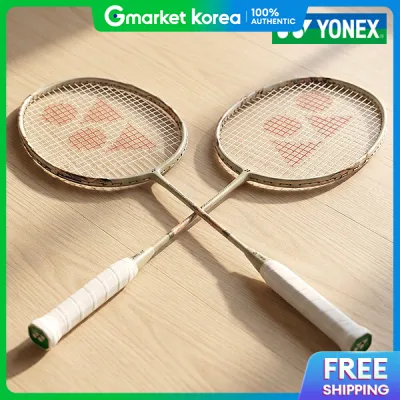
![【Buy 1 Get 5 Free】YONEX ARCSABER 11 PRO Badminton Racket Full Carbon Single 4UG5 26-30Lbs 83g Made In Japan [Freebies :2 * hand glue 12 * shuttlecock 2 * bag 1]](https://img.lazcdn.com/g/p/78475ba3530be013ef3c765a76962988.jpg_400x400q80.jpg_.webp)
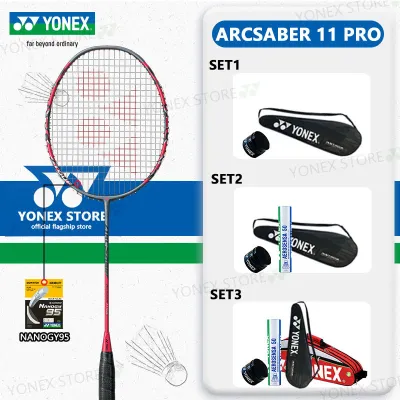
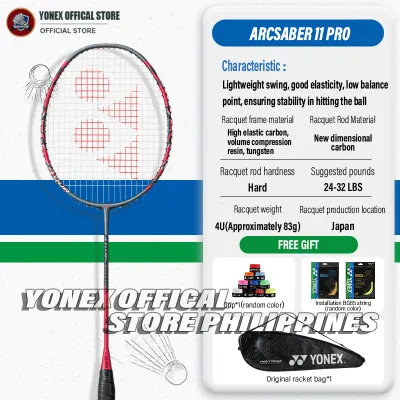
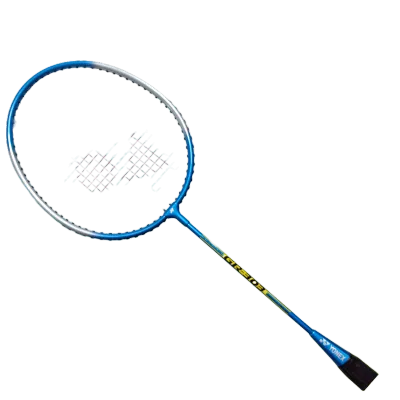
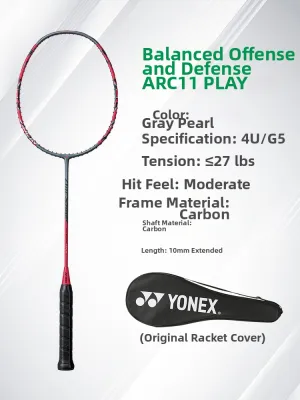
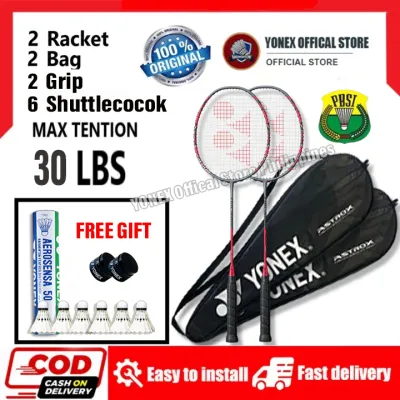
Prices are valid at publication and may change. Please refer to the product page for the latest price.
Another immediate giveaway is the serial number. Genuine rackets feature clean, laser-engraved codes on both the shaft and the cone, whereas fakes often have these numbers printed on, painted over, or completely missing.
Finally, consider the retail price. If a seller offers a premium model for a few hundred pesos (₱) when authorized local distributors list the same model for several thousand pesos, the item is almost certainly a counterfeit. Genuine carbon fiber materials and manufacturing technologies cannot be produced or sold at such low price points.
Inspecting the Physical Build and Paint Quality
The craftsmanship of a genuine Yonex racket is incredibly difficult for counterfeiters to replicate. Examining the physical build and paint quality under bright light will reveal the differences in manufacturing standards.

Start by running your fingers along the frame and shaft to feel the paint finish. Genuine rackets have a smooth, flawless, and durable coating designed to withstand high string tension and regular play. Counterfeits often feel rough, show bubbles under the clear coat, or have misaligned brand logos and model names.
Next, inspect the grommet strips and individual grommet holes. On an original racket, the grommets are made of high-quality, heat-resistant plastic, perfectly aligned, and seated flush against the frame. Fake rackets often feature cheap, soft plastic grommets that are unevenly cut, loose, or poorly fitted, which can lead to premature string breakage during play.
Weight and balance are critical performance specifications that you can verify. While you might not have a precision scale, a genuine racket will feel balanced according to its designated specifications (such as ‘head-heavy’ or ‘head-light’). Counterfeits often use cheap aluminum or low-grade carbon composites, making them feel excessively heavy, stiff, or awkwardly balanced when swung.
Do not overlook the handle and the butt cap at the bottom of the grip. The green butt cap on an original racket features a crisp, centered Yonex logo with the correct color hue and a secure, flush fit. On counterfeit models, the butt cap may be a different shade of green, the logo might be blurry or off-center, and the cap itself may feel loose or poorly glued to the wooden handle.
Verifying Serial Numbers and Authenticity Labels
Yonex utilizes a specific serial number system to track and authenticate its products. Knowing where to look and how to read these numbers is one of the most reliable ways to verify your gear.
Every genuine racket features two distinct serial numbers: a production code engraved on the shaft and a date code engraved on the cone. These numbers are deeply laser-engraved into the material, meaning you can feel the physical indentation when you run your fingernail over them. Counterfeiters often print these numbers using silver paint or shallow etching, which feels completely flat to the touch.
The serial number on the cone follows a strict date-code format representing the day, month, year, and distribution code. Understanding this format allows you to check for logical consistency; for example, a date code indicating a production date that does not exist or a year that predates the model’s release is a clear sign of a fake.
In addition to the engravings, genuine rackets distributed in many regions feature a multi-layered holographic authenticity sticker on the cone. When tilted under light, this sticker should display a clear color shift and distinct security patterns. Counterfeit stickers are often simple metallic decals that lack the complex holographic depth and do not change appearance when viewed from different angles.
It is important to note that sophisticated counterfeiters sometimes copy legitimate serial numbers from genuine rackets and engrave them onto multiple fake frames. Because of this cloning practice, a valid-looking serial number alone is not absolute proof of authenticity; you must always combine this check with a thorough physical inspection of the racket’s build quality.
Checking the Packaging and Accessories
The attention to detail on a genuine product extends to its packaging and accessories. Examining the items that come with your racket can provide valuable clues about its origin.
Start by evaluating the racket cover. Genuine Yonex covers are made from thick, high-quality fabric or padded synthetic materials designed to protect the frame from humidity and physical impact. The zippers should slide smoothly without snagging, and the printed brand logo must be sharp, bright, and free of ink bleeding. Counterfeit covers often use thin, easily creased fabrics, cheap plastic zippers, and blurry screen-printed logos.
If the racket includes a user manual, warranty card, or promotional tag, inspect the print resolution and language. Genuine documentation features crisp, legible text, accurate English grammar, and high-resolution graphics. Fake rackets often come with poorly translated manuals, pixelated images, or documents printed on cheap, flimsy paper.
For rackets purchased in their original shipping boxes, check the outer packaging for structural integrity. Genuine shipping boxes are constructed from sturdy, double-walled cardboard and feature clear, scannable barcodes along with official product labels. Counterfeit packaging is often soft, easily crushed during transit, and lacks the precise labeling and tracking barcodes used by authorized distributors.
Where to Buy Authentic Yonex Rackets in the Philippines
To completely eliminate the risk of purchasing a counterfeit racket, you must be selective about where you shop. Buying from verified sources ensures you receive a genuine product backed by a manufacturer warranty.
The safest option is to purchase directly from authorized Yonex dealers, official brand stores, or well-established sporting goods retailers located in major shopping malls across the Philippines. These physical stores source their inventory directly from the official distributor, guaranteeing authenticity and providing reliable customer service.
If you prefer shopping online, exercise extreme caution when browsing third-party sellers on major e-commerce platforms. Always check the seller’s rating, read through detailed customer reviews, and look for photos uploaded by previous buyers. Avoid stores that have low ratings, generic product descriptions, or a history of complaints regarding product authenticity.
Be highly skeptical of listings that use terms like ‘factory seconds,’ ‘OEM,’ ‘overrun,’ or ‘unbranded.’ Yonex does not sell B-grade or unbranded rackets to the public; any product marketed under these labels is a counterfeit. If the price seems too good to be true, it is a clear sign that the racket is not genuine.
What to Do If You Suspect a Counterfeit
If you have already purchased a racket and suspect it is a counterfeit, taking prompt action can help you recover your money and prevent others from falling victim to the same seller.
Begin by documenting all physical discrepancies and packaging flaws. Take clear, high-resolution photographs of the blurry logos, poorly aligned grommets, flat serial numbers, and any other defects under good lighting.
Contact the seller immediately to request a return and refund, citing the specific authenticity issues you discovered. If the seller is uncooperative or refuses to assist, escalate the issue by contacting the customer support team of the e-commerce platform where you made the purchase. Most reputable platforms have buyer protection policies that cover counterfeit goods, provided you submit clear photographic evidence within the allowed return window.
Finally, report the suspicious listing and the seller’s store to the platform’s administration. Reporting these listings helps clean up online marketplaces, making it harder for counterfeiters to exploit other badminton enthusiasts.
Frequently Asked Questions (FAQ)
Can I verify a Yonex serial number online?
Yonex does not host a public, self-service online database where customers can type in a serial number to instantly verify authenticity. To confirm a serial number, you must contact an official Yonex distributor or customer service center directly. Be cautious of unofficial third-party websites claiming to offer instant serial number verification, as these sites are not secure and often rely on outdated or inaccurate databases.
Do all genuine Yonex rackets come with a hologram sticker?
While most modern high-end Yonex rackets feature a holographic security sticker, its presence, design, and placement can vary depending on the production year, model tier, and target distribution region. Some entry-level models or older production runs may not feature the same holographic labels as premium rackets. Instead of relying solely on the sticker, you should evaluate the racket’s overall build quality, paint finish, and laser-engraved serial numbers.
Is a lighter or heavier weight a definite sign of a fake racket?
Genuine Yonex rackets are manufactured to precise weight specifications, though they do have a very small, acceptable manufacturing tolerance (usually within a gram or two of the designated weight class, such as ‘3U’ or ‘4U’). However, a significant weight deviation—such as a racket feeling noticeably heavier or lighter than its official specification—is a strong indicator of a counterfeit. This is especially true when the weight discrepancy is accompanied by poor balance, excessive shaft flexibility, or cheap construction materials.
Community discussion
Share your experience or ask a question. Comments are reviewed before publication.