
Identifying a genuine yonex tennis racket original requires inspecting key physical markers like paint quality, butt cap logos, grommet alignment, and laser-engraved serial numbers, alongside verifying official specifications.
Playing tennis in the humid tropical climate of the Philippines requires reliable, high-quality gear. A counterfeit racket will not only fail to perform under intense heat and high string tension, but it can also lead to physical strain.
Why Counterfeit Yonex Rackets Are a Problem
Using a counterfeit tennis racket poses significant risks that extend far beyond a simple financial loss. When you play with a fake racket, you are using a piece of equipment manufactured without the rigorous safety and quality standards of an authentic brand.
Products mentioned in this guide

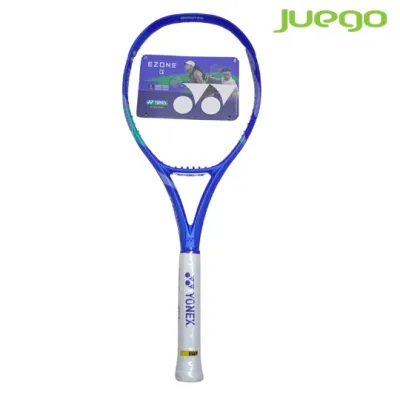
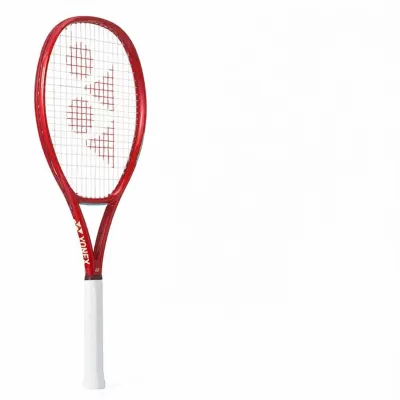
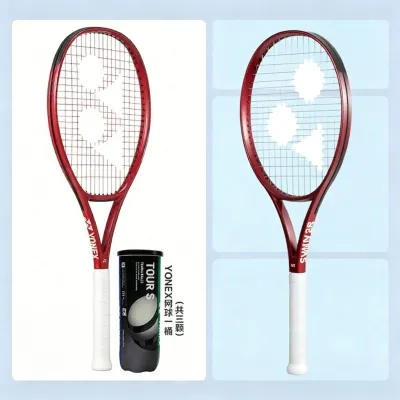
Prices are valid at publication and may change. Please refer to the product page for the latest price.
Counterfeit frames are typically made from cheap, low-grade materials like heavy aluminum, low-tensile fiberglass, or poorly cured resin instead of high-grade carbon graphite composites.
This lack of quality materials directly compromises the racket’s vibration dampening capabilities. When you strike a tennis ball, especially during long sessions on hard courts in local subdivisions or sports clubs, the intense shock of impact travels directly up your arm.
Over time, this repetitive, unabsorbed vibration can lead to severe joint strain and chronic injuries like tennis elbow or wrist tendonitis.
Furthermore, structural failure is a very real hazard during active play. Under the high tension required for modern tennis strings, a counterfeit frame is under immense physical stress.
A fake racket can warp, crack, or completely shatter mid-swing, especially when executing a powerful serve. If a frame snaps during a rally, flying composite splinters or loose racket parts can cause serious physical injuries to you, your opponent, or nearby spectators.
Key Physical Markers of an Original Yonex Tennis Racket
Frame Construction and Paint Quality
Evaluating the manufacturing precision of the frame is one of the most effective ways to spot a counterfeit. Inspect the paint finish closely under clear, bright light.

A genuine Yonex racket features an incredibly smooth, even paint coating with crisp, sharp decal edges and no color bleeding. The brand’s manufacturing process ensures that every graphic alignment is flawless across the entire frame.
Run your fingers carefully along the inner side of the frame throat and around the bridge area. Authentic models will feel completely seamless, with no rough edges or uneven molding lines.
Counterfeit rackets, by contrast, often display noticeable plastic seams, rough patches, or visible excess glue around the grommet holes and joints. In hot and humid tropical conditions, these poorly bonded paint layers are also highly susceptible to bubbling, peeling, or chipping after only a few matches.
Grip, Pallet, and Butt Cap Details
The handle and grip area of the racket reveal a great deal about its overall craftsmanship. Start by examining the butt cap at the very base of the handle.
On an original racket, the molded logo is deeply and cleanly embossed into the plastic, featuring perfectly sharp edges and the correct proprietary font. The color of the plastic cap itself should be a distinct, solid shade of green or white that matches official product images.
Next, feel the grip tape wrapped around the handle. Authentic Yonex rackets come with professionally applied grip tape that is tightly wound and secured with high-quality adhesive.
This ensures the grip remains stable and does not slip, even when your hands get sweaty during intense play. Counterfeit models often feature loose, unevenly wrapped grip tape made from cheap synthetic materials that quickly unravel or feel overly thick and spongy.
Grommets and Bumper Guard
The plastic components that protect your racket and strings are excellent indicators of authentic quality. Genuine grommets are made from a durable, flexible plastic that is designed to sit perfectly flush within the frame’s outer channel.
Each grommet is smooth and uniform, preventing any unnecessary friction or sharp contact with the strings.
Inspect the bumper guard at the very top of the racket head. On an original model, this guard is robust, precisely molded to follow the contour of the frame, and integrated seamlessly without any gaps or loose edges.
Counterfeit grommets, on the other hand, are often made from cheap, brittle plastic that sits unevenly or protrudes at odd angles. These rough, poorly finished plastic edges can easily cut your strings under high tension, causing them to snap prematurely during play.
Common Red Flags in Fake Yonex Rackets
Recognizing the visual and physical inconsistencies common in counterfeit rackets can help you quickly rule out a fake before making a purchase.
Start by looking closely at any printed text, decals, and logos on the frame. Counterfeit rackets frequently feature misspelled words, grammatical errors on warning labels, or inconsistent font spacing where letters are bunched too closely together.
Pay close attention to the alignment and color accuracy of the brand’s decals. Fake rackets often have slightly crooked logos, off-center stripes, or color shades that do not match the official model’s design.
For example, a color that should be a deep matte blue might appear as a bright, glossy royal blue on a counterfeit frame.
The physical feel and acoustic feedback of the racket during a simple handling test can also expose a fake. If you gently tap the frame of a genuine carbon fiber racket with your knuckles, it will produce a solid, clear, high-frequency sound.
A counterfeit frame, which often contains cheap filler materials or hollow plastics, will produce a dull, metallic, or hollow thud.
While some sophisticated counterfeiters can match the static weight of an authentic model by inserting lead weights into the handle, they cannot easily replicate the racket’s dynamic balance.
When you swing a fake racket, it will often feel head-heavy, sluggish, or excessively stiff. This poor weight distribution and lack of responsive flex are clear signs of substandard engineering that will negatively impact your swing mechanics.
How to Verify Authenticity Using Codes and Packaging
Verifying the serial numbers and cross-referencing product specifications is a crucial step in confirming that your racket is genuine. Authentic Yonex rackets feature unique, laser-engraved codes rather than simple printed numbers.
You will typically find a serial number engraved on the shaft of the racket, and a separate production code engraved on the cone just above the grip.
Run your fingernail gently over these codes; you should feel a slight, clean indentation in the material, confirming they are laser-engraved into the frame.
On counterfeit rackets, these numbers are often merely printed or painted onto the surface, meaning they feel completely flat and can be easily rubbed off with a bit of friction.
Examine the packaging and accompanying documentation carefully. Genuine rackets are packaged with high-quality cardboard covers, protective plastic wraps, and clear printed inserts detailing the model’s specifications.
Be sure to cross-reference the exact model name, colorway, weight class (such as 3U or 4U), grip size, and string pattern with the official manufacturer specifications.
Counterfeiters often mix up these details, producing models in color combinations that were never officially released or with incorrect string patterns.
Keep in mind that authentication features, such as specific hologram stickers or regional warranty cards, can vary depending on the target market. Checking the guidelines of the official authorized distributor in your region is highly recommended to ensure you are looking for the correct local markers.
Where to Buy Genuine Yonex Tennis Rackets
To minimize the risk of purchasing a counterfeit product, always choose secure and verified purchasing channels.
The safest option is to buy directly from authorized physical sports retailers, official brand boutique stores, or verified flagship shops on reputable e-commerce platforms.
These outlets source their inventory directly from authorized distributors, ensuring product authenticity and full warranty coverage.
Be highly skeptical of deals that seem too good to be true. A premium, high-performance tennis racket typically retails between ₱10,000 and ₱15,000 in the local market.
If you encounter a listing on an unverified social media marketplace or a third-party classifieds site offering the same model for ₱2,000 or ₱3,000, it is almost certainly a counterfeit.
Before making any purchase online, take the time to research the seller’s reputation. Read through detailed customer reviews, look for verified buyer badges, and check if the seller is listed as an authorized dealer on the official brand website.
Additionally, confirm that the retailer offers a clear, reliable return and refund policy so that you have a secure path of recourse if the product delivered does not meet authentic standards.
What to Do If You Suspect You Bought a Fake
If you receive a racket and suspect it is a counterfeit, the most important first step is to stop and keep the item in its original, unused condition.
Do not string the racket, apply any overgrips, or take it to the court for a practice session. Altering the product in any way, such as removing the plastic wrap from the handle or installing strings, can void your return options and make it difficult to prove that the item was counterfeit upon delivery.
Document your findings immediately by taking clear, well-lit, high-resolution photographs of all the suspected red flags. Focus on the laser engravings, the butt cap logo, any paint imperfections, and the packaging materials.
Compare these photos directly with images of verified original models to build a clear case.
Contact the seller right away to report the issue and request a full return and refund. Present your photographic evidence clearly and professionally, explaining the specific discrepancies you found.
If the seller is uncooperative, refuses to respond, or denies the claim, escalate the dispute through the customer protection program of the e-commerce platform you used, or contact your payment provider to initiate a chargeback.
Frequently Asked Questions (FAQ)
Do all original Yonex tennis rackets come with a serial number?
Yes, modern genuine Yonex tennis rackets are manufactured with unique laser-engraved serial numbers on the shaft and production codes on the cone.
However, the exact formatting, font size, and depth of these engravings can vary slightly depending on the specific model, production year, and target market.
Always check the official manufacturer guidelines for your specific racket series to confirm the correct placement and format.
Can I authenticate a Yonex racket just by its weight?
No, static weight alone is not a reliable test for authenticity. Counterfeiters frequently inject hot glue, lead, or cheap foam into the handle or frame of a fake racket to match the exact static weight of an original model.
To properly evaluate the racket, you must assess its overall balance point, swing weight, and structural flex.
These dynamic characteristics require advanced carbon fiber engineering and precise manufacturing standards that counterfeiters cannot easily replicate.
Community discussion
Share your experience or ask a question. Comments are reviewed before publication.