
Identifying a genuine mountain bike original for adults when shopping online requires a systematic approach that combines pre-purchase listing analysis, physical component verification upon delivery, and serial number validation. Because riding a counterfeit bike on rough terrain poses severe safety risks, verifying authenticity is a critical safety check before you ever take the bike to the trail. High-quality equipment is essential for off-road cycling, but even the most reliable gear cannot replace proper trail training, physical preparation, and sound rider judgment.
Red Flags in Online Listings Before Purchase
Analyzing price anomalies is the first line of defense when shopping on e-commerce platforms. Compare the listed price against standard retail prices in the Philippines for the same model. If an adult mountain bike typically retails for ₱25,000 but is listed on an online marketplace for ₱5,000, this extreme discount is a primary indicator of a counterfeit product or a fraudulent seller.
Evaluate the product imagery carefully before making a decision. Authentic authorized dealers usually provide high-resolution, original photos of the actual bike from multiple angles, showcasing specific frame details and component groupsets. Counterfeit listings often rely solely on generic stock images copied from official brand websites, which may feature blurred watermarks or inconsistent background settings.
Products mentioned in this guide
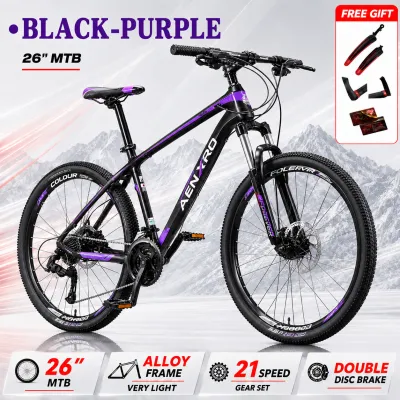
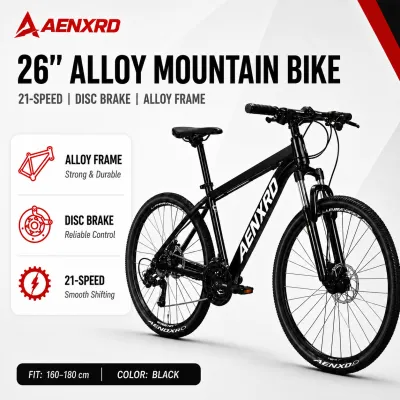
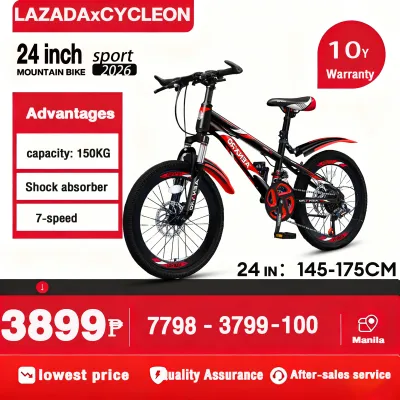
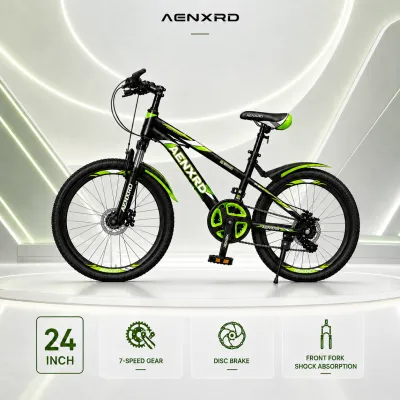
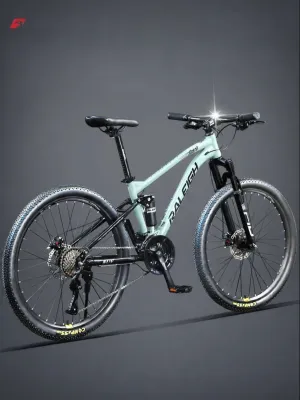
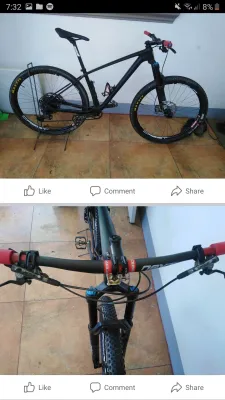
Prices are valid at publication and may change. Please refer to the product page for the latest price.
Check the product description for vague or contradictory specifications. Fake listings often feature conflicting details, such as claiming a carbon fiber frame in the title while describing an alloy frame in the specifications table. They may also list high-end component names but fail to specify the exact model series, which is a common tactic to hide the use of cheap imitation parts.
Analyze the seller’s profile, shop age, and customer feedback patterns. Newly created shops with very short operational histories that offer high-end outdoor gear at impossibly low prices should be avoided. Look for established sellers with high positive ratings, verified buyer badges, and active customer service responses to ensure a safer purchasing experience.
Physical and Component Checks Upon Delivery
Once the package arrives, inspect the frame welding quality, paint finish, and decal alignment before assembling the bike. Original frames from reputable manufacturers feature smooth, consistent welds and high-quality paint that does not peel, bubble, or scratch easily under tropical humidity. Counterfeit frames often show sloppy, uneven welding beads and crooked, cheaply printed stickers instead of decals sealed under a clear coat.

Examine the drivetrain, brakes, and suspension components for mismatched or unbranded parts. Counterfeiters frequently swap out high-quality branded components for cheap, unbranded imitations that look similar at a glance. Check the spelling on all component logos carefully, as fake parts often feature subtle misspellings of major brand names to deceive casual buyers.
Assess the overall weight and material feel of the bike against the manufacturer’s official specifications. If you purchased a model advertised as a lightweight aluminum or carbon fiber mountain bike, but the unboxed frame feels excessively heavy, verify the material with a magnet. Low-grade steel frames are often painted to look like lightweight alloy or carbon in counterfeit models.
Evaluate the quality of the packaging and the included documentation. Original mountain bikes are shipped in robust, brand-specific cardboard boxes with custom protective foam inserts designed to withstand transit. They also include official user manuals, branded warranty cards, and specific assembly instructions, whereas counterfeits often arrive in flimsy, generic boxes with minimal protection.
Verifying Serial Numbers and Brand Authenticity
Locate the serial number stamped into the frame, which is the most reliable way to confirm a bike’s identity. On most adult mountain bikes, this unique alphanumeric code is stamped on the underside of the bottom bracket shell, where the pedal cranks meet the frame. It may also be located on the head tube or near the rear dropout.
Cross-reference this serial number directly with the manufacturer’s official database or customer support channels. Many reputable brands offer online registration portals where you can input the serial number to verify the model, color, and production batch. If the serial number does not exist in their records, or if it registers a completely different model, the bike is likely a fake.
Check the validity of the warranty card and user manual included in the box. Genuine manufacturers provide clear registration instructions and localized warranty terms with contact details for authorized service centers. Be cautious of generic, photocopied manuals that lack specific model details, safety warnings, or official brand branding.
Understand the limitations of third-party verification apps or unofficial online databases. While some community-driven cycling registries exist, they are not definitive proof of brand authenticity. Direct verification through the official manufacturer’s customer service remains the only foolproof method to confirm a bike’s origin.
What to Do If You Receive a Counterfeit Bike
Document all discrepancies immediately with clear photos and videos if you suspect the bike is a counterfeit. Capture close-up shots of sloppy welds, mismatched components, incorrect decals, and the serial number before attempting any assembly. This visual evidence is crucial for supporting your claim with the e-commerce platform.
Avoid fully assembling or riding the bike under any circumstances. Riding a counterfeit mountain bike on trails or public roads is highly dangerous, as sub-standard materials and weak welds can fail catastrophically under stress. Keeping the bike completely unassembled and in its original packaging preserves its return condition, which is essential for securing a refund.
Initiate a formal return or refund request through the e-commerce platform’s buyer protection program right away. Upload your documented photo and video evidence, clearly explaining how the received item differs from the original manufacturer’s specifications. Do not agree to settle the dispute privately outside the platform’s official channels.
Report the fraudulent listing and the seller’s shop to the platform’s customer support team. Providing detailed feedback about counterfeit sellers helps the platform remove fraudulent listings, protecting other members of the local cycling community from purchasing unsafe equipment.
Frequently Asked Questions (FAQ)
Can I rely on customer reviews to spot fake mountain bikes?
Customer reviews can be helpful, but they must be evaluated critically. Look for detailed reviews that include user-uploaded photos of the actual bike received, as these show the real build quality and packaging. Be skeptical of listings dominated by generic, repetitive, or overly enthusiastic five-star reviews with no specific details, as these are often manipulated. Check the lower-rated reviews for specific complaints regarding component mismatches, poor packaging, or structural failures.
Are cheaper adult mountain bikes always counterfeit?
No, a lower price does not automatically mean a bike is counterfeit. Many reputable brands manufacture budget-friendly, entry-level mountain bikes designed for recreational riders. These legitimate budget models use simpler, heavier components but still meet strict safety and manufacturing standards. The key is to distinguish between an affordable, original entry-level bike from an authorized dealer and a high-end model being sold at an unrealistically low price by an unverified seller.
Community discussion
Share your experience or ask a question. Comments are reviewed before publication.