
Distinguishing a genuine AquaFlask tumbler from a counterfeit requires a systematic check of packaging, physical build quality, and functional performance. While no single visual flaw guarantees a fake, combining multiple inspection methods and purchasing from authorized channels significantly reduces the risk of buying an inauthentic product. In tropical climates like the Philippines, where keeping beverages cold throughout the day is a daily necessity, a high-quality insulated tumbler is a valuable investment. Knowing how to spot the subtle differences between an original and a fake ensures you get the thermal performance, durability, and food-safe materials you pay for.
Inspect Packaging, Tags, and Accessories
Examine the retail box for crisp printing, accurate brand colors, and properly aligned logos without pixelation or bleeding ink. Authentic packaging is designed to reflect the brand’s quality standards, utilizing sturdy cardboard and high-resolution graphics. Counterfeit boxes often feel flimsy, show signs of color fading, or feature blurry text that suggests a cheap scanning and printing process. Pay close attention to the alignment of the brand name and any product imagery on the box, as misalignments are common manufacturing oversights in fake goods.
Verify the material, layout, and spelling on included instruction manuals, warranty cards, and authenticity stickers. Original tumblers typically include neatly folded, high-quality paper inserts with clear, grammatically correct English instructions. Counterfeiters frequently overlook these details, resulting in manuals with noticeable spelling errors, awkward phrasing, or low-quality paper that tears easily. If the package includes an authenticity sticker or a scratch-off verification card, inspect the print quality and ensure any security codes are clear and legible.
Products mentioned in this guide
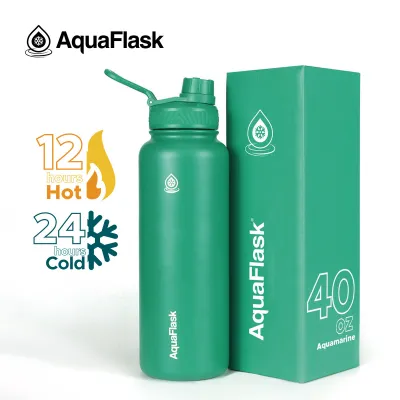
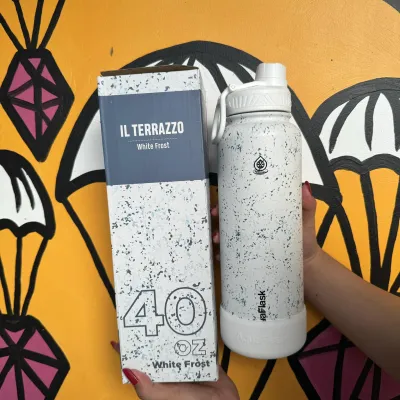
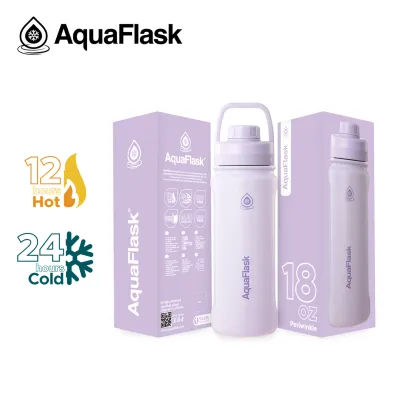
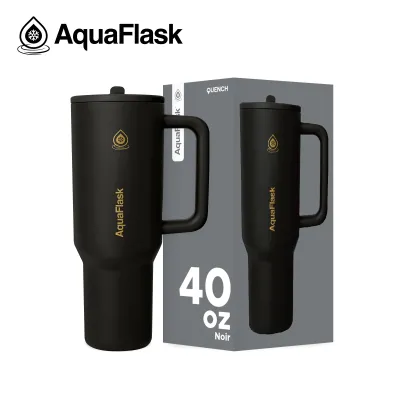
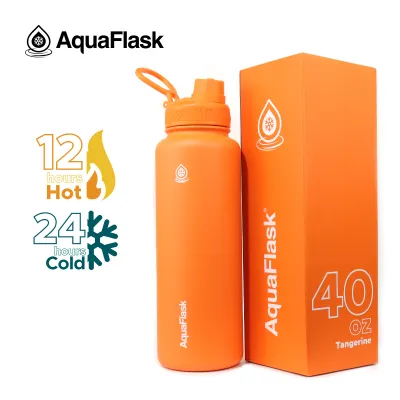
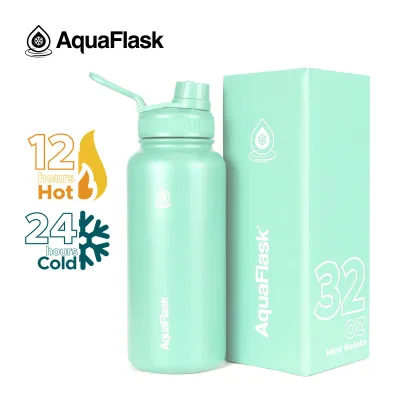
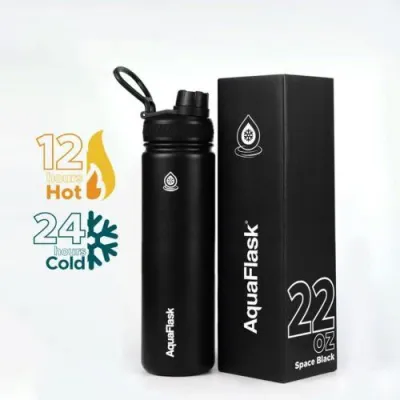
Prices are valid at publication and may change. Please refer to the product page for the latest price.
Inspect the build quality of accessories like straws, lids, and cleaning brushes, noting any rough mold seams or flimsy plastics. Genuine accessories are manufactured to fit the tumbler perfectly and are made from food-grade, BPA-free materials that feel robust. In contrast, counterfeit accessories often use cheap, thin plastics that bend easily or have sharp, unfinished edges from poor molding processes. Additionally, fake silicone boots or straw nozzles may emit a strong, unpleasant chemical odor, indicating the use of low-grade industrial materials.
Check Physical Markers and Build Quality
Assess the exterior powder coating or paint for even texture, consistent color, and resistance to immediate chipping or peeling. A genuine AquaFlask features a signature powder-coated finish that provides a non-slip grip and is highly resistant to daily wear and tear. When you hold an original tumbler, the texture should feel uniform across the entire surface. Counterfeit tumblers often use cheap spray paint instead of powder coating, resulting in a surface that feels unusually smooth, sticky, or shows visible run lines, bubbles, and uneven color distribution.

Check the depth, edge clarity, and precise placement of laser-etched or screen-printed brand logos on the cup body. On an authentic tumbler, the logo is perfectly centered, sharp, and etched with consistent depth into the powder coating. If you run your fingers over the logo, you should feel clean, defined edges. Counterfeit logos are often crooked, placed too high or too low, or have fuzzy, bleeding edges. In some cheap fakes, the logo is simply printed on top of the paint with low-quality ink that can be easily scraped off with a fingernail.
Inspect the base for the correct anti-slip pad material, accurate brand stamping, and proper spelling on any bottom stickers or engravings. Turn the tumbler upside down to examine the bottom design. Authentic units typically feature a clean, durable base with precise, legible text detailing the brand name, capacity, and care instructions. Counterfeits often have crookedly applied stickers, misspelled words, or use cheap rubber pads that are poorly glued and peel off with minimal friction. Any engraved text on a fake base is likely to be shallow, uneven, or completely missing.
Test the Lid, Seal, and Temperature Retention
Test the lid threads for smooth engagement, tight fitting, and check the silicone gasket for flatness, proper seating, and absence of strong chemical odors. When screwing the lid onto an original tumbler, the threads should align effortlessly, allowing you to seal the flask tightly with minimal resistance. If the lid feels loose, cross-threads easily, or leaks when tilted, it is a strong sign of poor manufacturing. Furthermore, the internal silicone gasket of a genuine lid is thick, sits perfectly flat in its groove, and does not emit any strong chemical smells that could leach into your water.
Conduct a basic condensation test by filling the tumbler with ice water and observing if the exterior sweats, which may indicate a compromised vacuum layer. True double-wall vacuum insulation prevents heat transfer, meaning the outer wall of the tumbler should remain at room temperature regardless of how cold the liquid inside is. Fill your flask with ice and cold water, seal it, and let it sit in a warm room for about twenty minutes. If you notice condensation or “sweating” forming on the outside of the steel body, the vacuum seal is either defective or entirely absent, which is highly characteristic of counterfeit products.
Note that while poor temperature retention is a strong indicator of a fake, it should be combined with physical inspections for a conclusive assessment. A genuine tumbler can occasionally lose its vacuum insulation due to severe physical damage, such as a hard drop on concrete that punctures the outer shell. Therefore, a flask that fails to keep drinks cold is not automatically a counterfeit, but when combined with blurry packaging, crooked logos, and cheap plastic accessories, it provides clear confirmation that the product is not authentic.
Verify With Official Channels and Purchase Records
Outline how to use official brand websites, customer service portals, or authorized verification apps to check batch numbers or security codes if applicable. Many reputable brands implement security measures, such as unique serial numbers, QR codes, or scratch-off verification labels on the packaging. If your tumbler comes with a verification code, visit the official brand website directly to input the code and check its validity. Be cautious of QR codes that direct you to unofficial, third-party websites designed to mimic the brand’s official portal.
Stress the necessity of keeping digital or physical receipts, invoices, and order confirmations from the point of sale. Having a clear paper trail is your best defense if you suspect you have purchased a counterfeit item. Authentic retailers will always provide an official receipt or a detailed digital invoice. If a seller refuses to provide a receipt, offers a handwritten note instead of an official invoice, or uses a generic business name that does not match their storefront, treat it as a major warning sign.
Advise on how to cross-reference the seller’s details with the brand’s official list of authorized distributors. Most major brands maintain an updated directory of authorized physical stores, department store counters, and official online storefronts on their website. Before making a purchase, take a moment to verify if the seller’s name and location match the authorized list. If the seller is not listed, or if they claim to be an “overrun” or “factory outlet” seller operating outside official channels, the risk of receiving a counterfeit is extremely high.
Choose Reliable Channels for Authentic Purchases
Recommend purchasing directly from the brand’s official website, physical direct retail stores, and authorized department store counters. Buying from these primary sources is the most reliable way to guarantee authenticity and secure a valid manufacturer warranty. Physical retail stores located inside major shopping malls offer the added benefit of letting you inspect the tumbler’s build quality, weight, and finish in person before handing over your money.
Highlight red flags when browsing third-party e-commerce platforms, such as prices in ₱ that are significantly below standard retail, lack of verified buyer reviews, or unclear seller credentials. While online marketplaces offer convenience, they also host numerous independent sellers. If you see a tumbler listed for ₱300 when the official retail price is closer to ₱1,000, you should assume the product is counterfeit. Genuine insulated tumblers require high-quality stainless steel and specialized vacuum manufacturing processes that cannot be profitably sold at extremely low prices.
Warn against relying solely on user-uploaded photos in online listings, as these can be easily manipulated or stolen from genuine reviews. Counterfeit sellers often copy high-resolution images from official websites or legitimate buyers to make their listings look authentic. Instead of trusting the product photos, look closely at the seller’s overall rating, the consistency of their customer feedback, and whether they have a history of selling verified authentic goods. A reputable seller will have a transparent return policy and responsive customer service.
Frequently Asked Questions (FAQ)
Can a fake AquaFlask tumbler keep drinks cold or hot?
Counterfeit tumblers typically lack the high-grade double-wall vacuum insulation found in genuine products. Because they are often made with single-wall construction or inferior insulating materials, they cannot maintain temperatures for long periods. This leads to rapid temperature loss, causing hot drinks to go lukewarm and cold drinks to warm up quickly. Additionally, the lack of proper insulation causes the exterior of the flask to sweat, creating messy condensation. While some fakes might offer very mild, short-term temperature retention, they will not perform to the standard of an original, and this test should always be paired with physical inspections.
What should I do if I suspect I bought a counterfeit AquaFlask?
If you suspect your tumbler is a counterfeit, stop using it immediately to avoid potential exposure to non-food-grade materials or chemical residues. Document your findings by taking clear, well-lit photographs of the tumbler, the packaging, and any specific defects or spelling errors you noticed. Next, contact the customer support of the online marketplace or retail store where you purchased the item to file a formal dispute. Provide your photos, purchase receipts, and order details as evidence to request a full refund, and report the seller to help prevent other consumers from being misled.
Community discussion
Share your experience or ask a question. Comments are reviewed before publication.