
Verifying the authenticity of football shin guards requires a systematic check of packaging details, material quality, official identification tags, and seller credibility. Because counterfeit protective gear often uses substandard materials that fail to absorb impact properly, relying on visual appearance alone is insufficient. This guide outlines the practical steps to inspect your gear and ensure you are purchasing legitimate products that meet safety standards.
Why Authenticity Matters for Football Shin Guards
While shin guards are essential for reducing the severity of impact injuries on the pitch, no protective equipment can replace proper training, spatial awareness, and sound athletic judgment. When selecting gear, players must match the guard’s size, fit, and coverage to their specific position, leg size, and playing conditions. Genuine shin guards undergo rigorous testing to ensure they can withstand high-impact tackles and protect your shins from fractures or severe bruising. Counterfeit products, by contrast, are typically made from cheap, brittle plastics that can crack or shatter upon impact, potentially causing sharp shards to pierce your skin.
The danger extends beyond the outer shell to the inner cushioning. Authentic manufacturers use hypoallergenic, high-density foam designed to absorb shock and manage moisture in hot, humid tropical conditions. Fake guards often utilize unregulated, low-grade industrial foam or recycled plastics that can harbor bacteria, trap sweat, and cause severe skin irritation or allergic reactions during intense matches.
Products mentioned in this guide
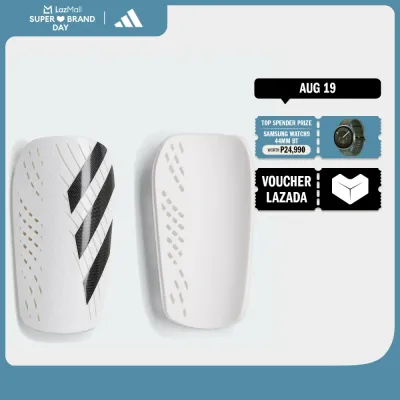
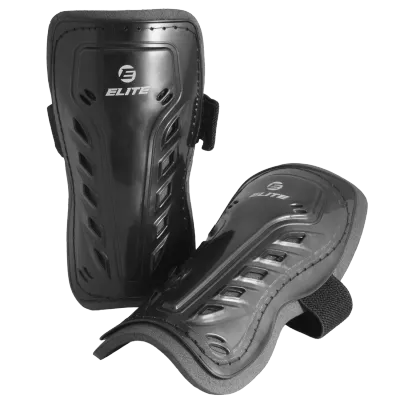
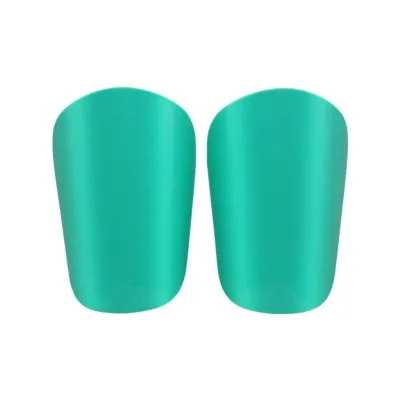
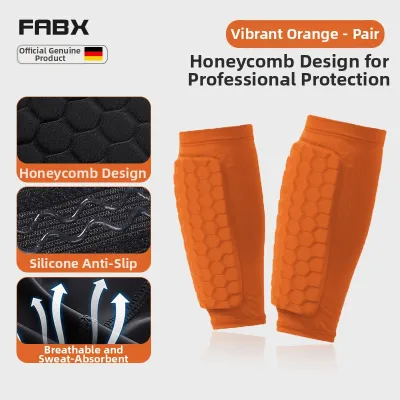
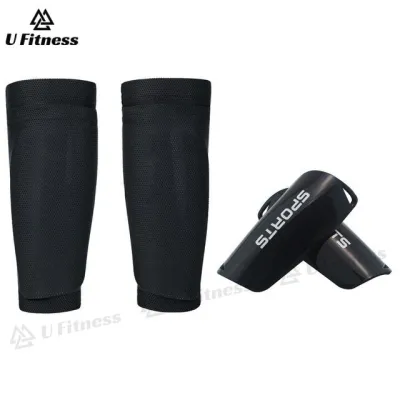
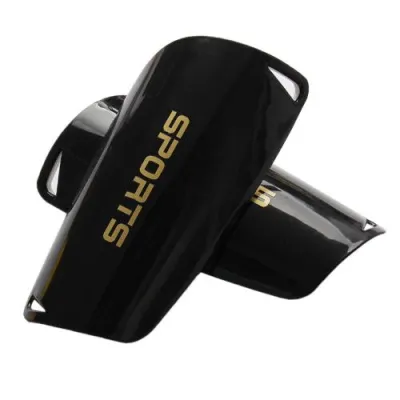
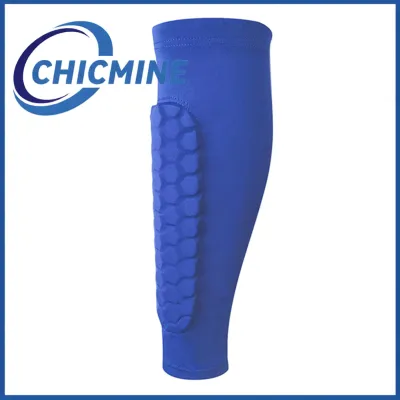
Prices are valid at publication and may change. Please refer to the product page for the latest price.
Legitimate sports brands design their protective equipment to meet specific international sports safety standards. Counterfeit manufacturers completely ignore these manufacturing regulations, prioritizing cheap production over player safety. Investing in original gear ensures you are protected by materials engineered specifically for athletic impact.
Physical Inspection: Spotting Flaws in Fake Shin Guards
A close physical examination is one of the most reliable ways to spot a counterfeit product. Start by evaluating the overall weight and flexibility of the guard shell. Original shin guards are engineered to be both lightweight and structurally resilient, offering a balance of flexibility and strength. Fake guards often feel unusually heavy and rigid, or conversely, paper-thin and easily bendable under light hand pressure.

Examine the edges of the shell carefully. Genuine manufacturers ensure all edges are smooth, rounded, and seamlessly bonded to the foam backing to prevent chafing. Counterfeit items frequently exhibit rough, sharp, or unfinished plastic edges where the mold was poorly cut, which can cut into your socks or skin.
Inspect the printed logos, brand names, and sizing indicators on both the front and back of the guards. Look for blurred lines, bleeding colors, misspellings, or font styles that differ slightly from the official brand design. Authentic gear features crisp, high-resolution graphics that do not easily peel or scratch off with a fingernail.
Do not overlook the attachment systems and sleeves. If your shin guards come with straps or compression sleeves, check the quality of the stitching and materials. Original guards use durable, high-stretch fabrics and strong, secure Velcro fasteners. Counterfeit versions often feature weak Velcro that loses grip quickly, frayed stitching, or loose sleeves that stretch out after just one use.
Checking Packaging, Labels, and Official Tags
The packaging and labeling of the product often reveal its true origin before you even touch the guards. Inspect the retail box or plastic packaging for signs of poor manufacturing. Legitimate brands use sturdy, high-quality cardboard and clear, high-resolution printing on their boxes. Flimsy packaging, faded colors, misaligned text, or low-quality barcodes are strong indicators of a counterfeit.
Every authentic pair of shin guards features an internal style code, SKU, or article number printed on a tag inside the guard or on the packaging. You can cross-reference this specific alphanumeric code by searching for it on the manufacturer’s official website. If the search results show a completely different model, colorway, or no product at all, the item is likely fake.
Many modern sports brands integrate specific security features to combat counterfeiting, such as official holographic stickers, unique QR codes, or embedded NFC tags. When verifying these features, always follow the brand’s current official verification guidelines rather than relying on generic third-party scanning applications. Genuine QR codes will direct you to a secure, official brand domain rather than a generic web page.
Choosing Reliable Purchasing Channels
Minimizing the risk of buying counterfeit gear starts with choosing where you shop. Prioritize purchasing your equipment from official brand stores, authorized sports retailers, or established physical shops. These outlets source their inventory directly from the manufacturers and offer clear, reliable return policies if you encounter any issues with your purchase.
When shopping on online marketplaces, exercise caution and watch for common red flags. Be wary of listings where the price is set significantly below the standard retail rate—such as guards offered for just a few hundred ₱ when the genuine model typically retails for thousands—as extreme discounts are a primary indicator of counterfeit goods. Avoid sellers who rely solely on stock manufacturer images rather than providing actual photos of the product in hand, or those who write vague, repetitive product descriptions.
Take the time to thoroughly review seller ratings and customer feedback on e-commerce platforms. Look specifically for detailed reviews that mention the quality of the materials, the condition of the packaging upon arrival, and the authenticity of the product. A high volume of generic, repetitive positive reviews can sometimes be artificial, so look for authentic user photos and detailed descriptions of the gear’s performance.
What to Do If You Suspect a Counterfeit Product
If you suspect that the shin guards you purchased are counterfeit, take immediate action to document the product. Capture clear, well-lit photographs of the entire item, focusing closely on the tags, packaging, barcodes, stitching, and any physical flaws or misspellings. This visual evidence will be crucial when filing a dispute.
Contact the seller or the customer service department of the e-commerce platform where you made the purchase to initiate a return and refund. Clearly state that you are disputing the transaction based on product authenticity and provide the photos you captured. Most reputable online marketplaces have buyer protection policies that cover counterfeit items.
If the seller disputes your claim or refuses to cooperate, consider reaching out to the brand’s official customer support channel. Provide them with the product’s style code, purchase details, and photos of the suspected counterfeit. While they may not be able to resolve the financial dispute directly, their official confirmation can serve as powerful evidence to present to your payment provider or the e-commerce platform to secure your refund.
Frequently Asked Questions (FAQ)
Can I rely solely on the price to determine if shin guards are fake?
While an incredibly low price is a major warning sign, you cannot rely on price alone to verify authenticity. Some counterfeiters price their fake products only slightly below standard retail rates to make them appear legitimate and deceive unsuspecting buyers. To protect yourself, always combine price evaluation with a thorough inspection of the physical materials, packaging details, and seller credibility.
Do all original shin guards come with a certificate of authenticity?
No, most standard football shin guards do not include a separate paper certificate of authenticity inside the box. Instead, legitimate manufacturers rely on integrated physical tags, printed style codes, and official brand packaging to verify their products. Rather than looking for a paper certificate, you should focus on cross-referencing the internal SKU or article number with the brand’s official online catalog.
Community discussion
Share your experience or ask a question. Comments are reviewed before publication.