
Verifying the authenticity of your nylon fishing line is a critical step before heading to the water. Counterfeit fishing lines are common in online marketplaces, often mimicking premium brands with surprising accuracy. Because counterfeiters continuously improve their methods, no single visual cue guarantees authenticity. A systematic check of the packaging, physical line properties, and official verification channels is essential before spooling the line onto your reel.
In tropical environments like the Philippines, where high humidity, intense sunlight, and saltwater put extreme stress on gear, using genuine equipment is vital. A fake line might look identical to an original on the shelf, but it will perform unpredictably under real-world conditions. Taking a few minutes to inspect your purchase can save you from losing a prized catch or damaging your reel during an active fishing trip.
The Risks of Using Counterfeit Nylon Fishing Line
Using counterfeit nylon fishing line introduces unpredictable variables that can ruin your fishing experience. The most immediate risk is unpredictable breaking strength. Counterfeit lines often use inferior polymer blends containing hidden structural flaws or inconsistent molecular bonding. These weaknesses cause the line to snap suddenly under tensions far below its rated capacity, often when you are fighting a fish.
Products mentioned in this guide
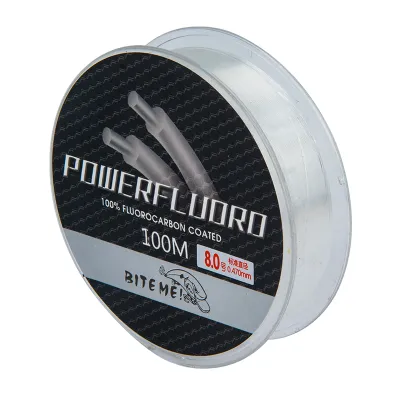
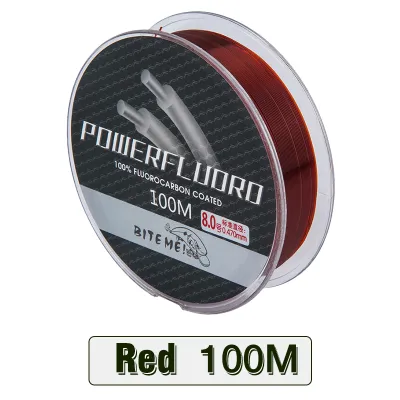
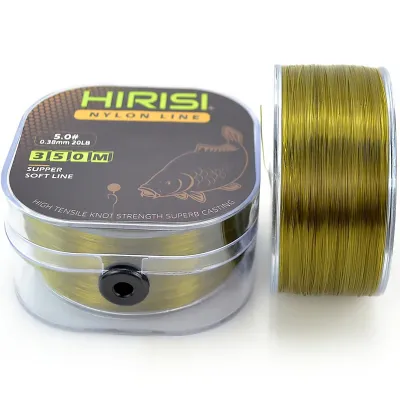
![[COD]500M Fishing Line Super Strong 5 Colors Nylon Fishing Line Original Tansi Nylon For Fishing Nylon String](https://img.lazcdn.com/g/p/8dfe46f0bf7daa401bb4b0b482c47581.jpg_400x400q80.jpg_.webp)
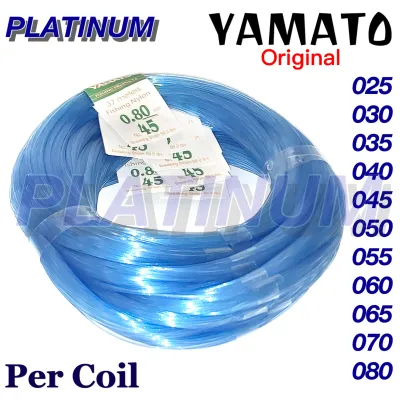
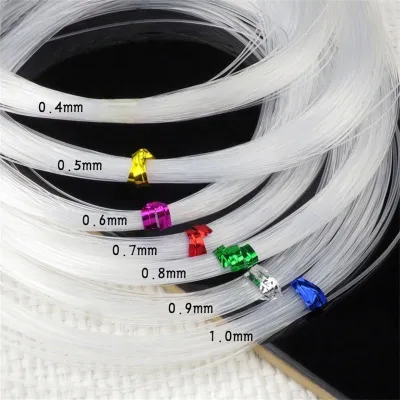
Prices are valid at publication and may change. Please refer to the product page for the latest price.
Inconsistent line diameter is another common issue. While original manufacturers use precision extrusion machinery to maintain a uniform diameter, counterfeit operations often use outdated equipment. This results in thick and thin spots along the line. Variations in thickness directly affect your reel’s line capacity, disrupt your casting distance, and make it difficult to tie secure, reliable knots.
Furthermore, counterfeit lines lack specialized quality control and protective coatings. Original nylon lines are typically treated to resist ultraviolet (UV) radiation and minimize water absorption. Fake lines degrade rapidly when exposed to the intense tropical sun. Within just a few hours of use, a counterfeit line can become brittle, lose its elasticity, and suffer from severe strength loss.
Visual Checks: Inspecting Packaging and Labels
Before unwrapping the spool, a close inspection of the packaging can reveal key indicators of a counterfeit product. Start by examining the print quality of the outer box and the spool labels. Genuine manufacturers invest in high-resolution printing processes. If you notice blurry text, bleeding colors, low-resolution logos, or spelling mistakes on the label, the product is highly likely to be a fake. Pay close attention to small fonts, such as safety warnings or material specifications.

Holograms and security seals are standard features on many premium nylon fishing line packages. Original brands use sophisticated, multi-layered holographic stickers that change color or display specific patterns when tilted under light. Counterfeit packages often feature flat, printed imitations of these holograms, or the stickers may be misaligned, poorly adhered, and easily peeled off. Check if the security seal has been tampered with or if the adhesive backing looks dirty and uneven.
The physical construction of the spool itself is another telltale sign. Original spools are molded from high-grade, durable plastics with smooth, clean edges and consistent coloring. Counterfeit spools often use cheap, recycled plastics that feel flimsy, flex easily under hand pressure, or exhibit rough plastic flashing along the seams. Additionally, compare the color and shape of the spool to official product images on the manufacturer’s website.
Finally, look for batch numbers, serial codes, and barcodes. Genuine manufacturers print or stamp unique manufacturing codes on each batch for quality tracking. On fake packaging, these codes are often missing entirely, printed with smudged ink, or identical across multiple spools that should have unique identifiers. If the barcode looks scratched, poorly aligned, or is simply a low-quality sticker slapped over another label, treat the product with high suspicion.
Tactile and Physical Checks: Evaluating the Line
Once you open the packaging, you can use tactile and physical tests to evaluate the quality of the nylon material. Begin by pulling a few meters of line off the spool and running it gently between your thumb and index finger. Genuine nylon fishing line feels remarkably smooth, uniform, and consistent from end to end. If you feel any roughness, gritty textures, flat spots, or an overly waxy or sticky coating, you are likely holding a counterfeit line made from low-grade raw materials.
Diameter consistency can also be verified through a simple manual check. Slide your fingers along a long section of the line to feel for sudden changes in thickness. While a micrometer is the most accurate tool for measuring diameter, noticeable variations that you can feel with your bare hands are a clear sign of poor manufacturing standards. Original lines maintain strict tolerances, ensuring that the line behaves predictably during casts and retrieves.
Line memory and stiffness offer further clues. Nylon naturally possesses some memory, meaning it will retain slight coils after being wound on a spool. However, high-quality original lines are engineered to minimize this effect, remaining supple and limp. When you pull a length of genuine line off the spool, it should straighten out relatively easily with a light tug. Counterfeit lines often exhibit extreme, stiff memory, retaining tight, spring-like curls that refuse to straighten, which leads to severe wind knots and tangles on your reel.
You can also perform a gentle stretch and recovery test. Nylon is known for its elasticity, which helps absorb the shock of a striking fish. Gently stretch a short section of the line between your hands. A genuine line will stretch smoothly and recover close to its original length once you release the tension. Counterfeit lines often stretch unevenly, feel brittle like plastic thread, or suffer from permanent deformation—remaining stretched out, wavy, and weakened after a single light pull.
Verifying Authenticity Through Official Channels
Modern tackle manufacturers implement digital verification systems to help anglers confirm their purchases. Many premium brands now include unique QR codes or scratch-off security labels on their packaging. By scratching off the protective coating, you will reveal a one-time verification code. Scanning this QR code with your smartphone should direct you to the manufacturer’s official, secure website, confirming that the product is genuine and registering your specific spool.
If the packaging features a printed serial or batch number instead of a QR code, you can visit the brand’s official website to verify it. Many manufacturers host a dedicated product authentication page where you can manually enter these codes. If the system returns an error, indicates that the code has already been searched dozens of times, or shows that the code does not exist, you are dealing with a counterfeit product.
When digital tools are unavailable, or if you are unsure about the results, contacting the manufacturer’s customer support directly is a reliable alternative. Take clear, well-lit, high-resolution photos of the spool, the packaging labels, the barcode, and any security stickers. Send these images to the official customer service email listed on the brand’s verified website. Manufacturer representatives can quickly identify subtle discrepancies in packaging design, font choices, or spool construction that are invisible to the untrained eye.
Choosing Reliable Purchasing Channels
The most effective way to avoid counterfeit nylon fishing line is to be selective about where you shop. Prioritize purchasing your gear from authorized dealers, official brand stores, and reputable local tackle shops. Authorized retailers receive their inventory directly from the manufacturers or official distributors, ensuring a secure supply chain. Local tackle shops also offer the advantage of allowing you to physically inspect the spool and seek advice from experienced staff before making a purchase.
When shopping on e-commerce platforms or online marketplaces, extra caution is required. Always check the seller’s profile, looking for official verification badges, high store ratings, and a long history of positive customer feedback. Read the product reviews carefully, paying close attention to any negative reviews that mention line breakage, poor quality, or suspected counterfeits. Be skeptical of stores that have only been active for a short time or those that sell a chaotic mix of unrelated household goods alongside fishing tackle.
Price is another critical indicator. While everyone loves a good deal, prices that are significantly lower than the standard market rate in ₱ should immediately raise a red flag. If a premium nylon line that typically retails for ₱600 is being offered for ₱150, it is almost certainly a counterfeit. Counterfeiters rely on the temptation of extreme discounts to lure buyers into purchasing sub-standard goods. Investing a realistic amount in genuine line is far cheaper than replacing lost lures and broken tackle later on.
What to Do If You Receive a Suspected Fake
If your visual, tactile, or digital checks lead you to believe that you have received a fake nylon fishing line, stop using it immediately. Do not attempt to spool it onto your reel or take it on a fishing trip. Using a counterfeit line risks losing expensive lures, breaking your rod tip during a bad cast, or losing a fish of a lifetime. It is better to write off the immediate cost of the line than to suffer more expensive gear damage on the water.
Next, document the evidence thoroughly. Take clear, close-up photos of the packaging defects, the blurry labels, the failed security seals, and the physical inconsistencies of the line itself. If you attempted an online verification that failed, take a screenshot of the error message on the manufacturer’s website. This documentation will serve as crucial evidence when you contact the seller or the platform for a resolution.
Finally, initiate a return or dispute through the e-commerce platform or the retailer’s customer service department. Most reputable online marketplaces have buyer protection policies that cover counterfeit goods. Present your gathered photo evidence and explain clearly why the product is not genuine. Reporting these fraudulent listings not only helps you secure a refund but also assists the platform in removing dishonest sellers, protecting the wider angling community in the process.
Frequently Asked Questions (FAQ)
Can I test the breaking strength of a suspected fake line at home?
Testing the breaking strength of a fishing line at home is highly unreliable and carries safety risks. Without calibrated tension scales, specialized knot-testing jigs, and a controlled environment, any DIY test will yield inaccurate results. Simply tying the line to a hand scale or a heavy object and pulling until it snaps does not account for sudden shock loads or knot slippage. Furthermore, snapping a nylon line under high tension can cause the line to whip back violently, posing a serious risk of eye injury or cuts to your hands. It is much safer and more reliable to rely on visual inspections, tactile checks, and official brand verification tools to determine authenticity.
Does a higher price always guarantee original nylon fishing line?
No, a higher price does not guarantee that a nylon fishing line is original. Sophisticated counterfeiters are well aware that extremely low prices attract suspicion, so they frequently price their fake products just slightly below or even equal to the standard market rate in ₱. This tactic exploits the buyer’s assumption that a premium price equals a premium product. To protect yourself, you must always verify the seller’s authorization status and perform physical checks on the packaging and line, rather than relying on the price tag as your sole proof of authenticity.
Community discussion
Share your experience or ask a question. Comments are reviewed before publication.