
To determine if your Aqua Flask is original or fake, you must inspect the physical build quality, evaluate the packaging, and verify the seller’s credentials. Genuine flasks feature a consistent powder-coated finish, precise logo alignment with clean font edges, smooth lid threading, and reliable vacuum insulation that prevents exterior condensation even in the humid Philippine climate. Counterfeit products often fail to maintain temperature, sweat profusely on hot days, and may use materials that are unsafe for daily hydration.
With the rising popularity of insulated drinkware for daily commuting, gym sessions, and outdoor adventures, counterfeiters have become increasingly sophisticated. Spotting a fake requires looking beyond the surface color and examining the finer details of construction, alignment, and retail origin. By following a systematic verification process, you can protect your investment and ensure your bottle is safe for daily use.
Why Authenticity Matters for Your Drinkware
Using a genuine insulated bottle is not just about brand pride; it directly impacts your health and daily convenience. Counterfeit manufacturers often bypass strict quality control standards, meaning their products may contain unverified plastics and industrial colorants. These materials can leach harmful chemicals into your water, especially when exposed to warm temperatures or acidic beverages like citrus juices.
Products mentioned in this guide
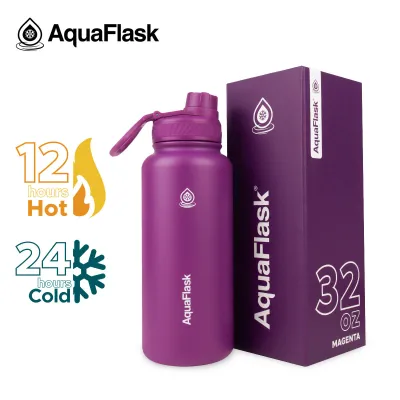
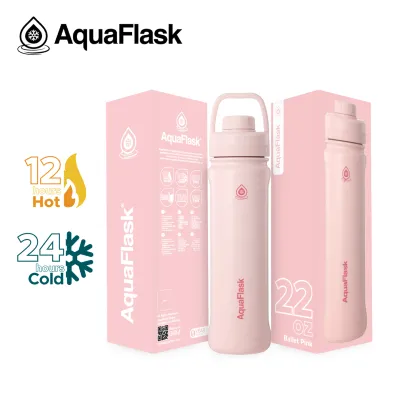
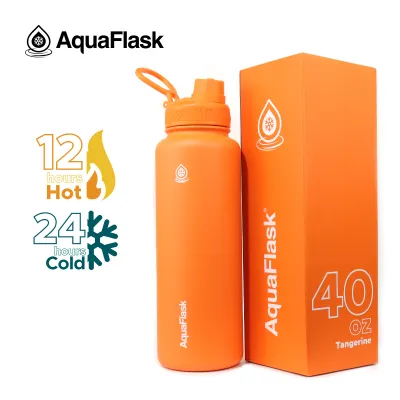
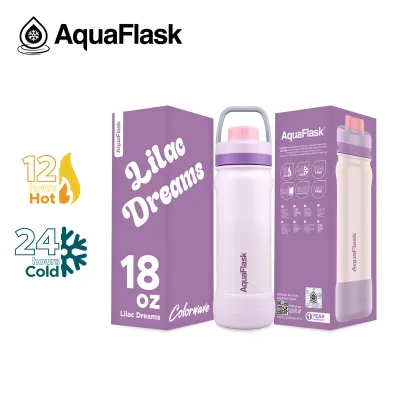
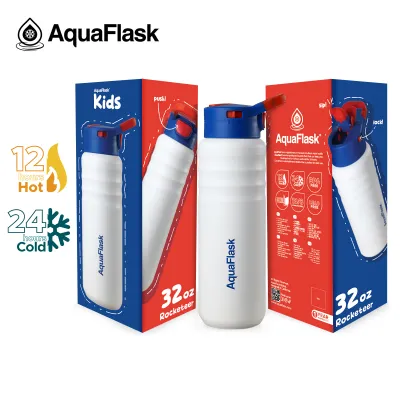
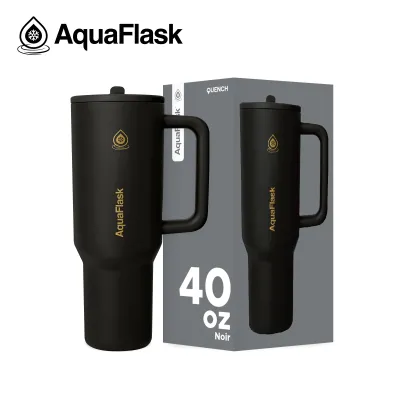
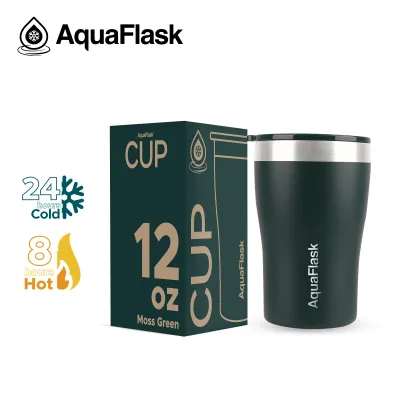
Prices are valid at publication and may change. Please refer to the product page for the latest price.
Furthermore, the primary function of a vacuum-insulated flask is temperature retention. Genuine bottles utilize a double-wall vacuum design that creates a thermal barrier, keeping your drinks cold for hours. Counterfeit versions frequently have compromised seals or lack a true vacuum layer entirely. This defect leads to rapid temperature loss and causes the bottle’s exterior to “sweat,” leaving puddles on your desk or inside your bag.
Durability is another major concern with counterfeit drinkware. Authentic flasks are built to withstand the bumps and drops of daily outdoor activities. In contrast, fake bottles often feature thin metal walls that dent easily, cheap paint that chips off after a few washes, and fragile plastic lids that crack under minimal pressure.
Physical Inspection Checklist for Aqua Flasks
A thorough physical examination is one of the most reliable ways to spot a counterfeit bottle. Start by closely examining the logo printed on the body of the flask. On an original bottle, the logo is perfectly centered, crisp, and aligned with the overall geometry of the container. Counterfeit logos often display slight tilting, uneven spacing between letters, or blurry edges that suggest low-quality printing methods.

Next, run your fingers over the exterior finish. Authentic flasks typically feature a durable, textured powder coat that provides a secure grip even when your hands are wet from tropical humidity. If the finish feels unusually smooth, glossy, or sticky, it may indicate a cheap spray-paint job rather than a proper powder coating.
The lid and threading require careful inspection as well. Screw the lid on and off several times to test the smoothness of the threads. Original lids glide easily and lock securely with a firm, flush fit. If you experience grinding, resistance, or if the lid sits crookedly when tightened, the threading is likely poorly molded. Inspect the silicone gasket inside the lid; it should be thick, flexible, and fit snugly into its groove without slipping out.
Turn the bottle over to examine the base. Genuine flasks feature clean, legible engravings or stamps on the bottom, which often include the brand name, capacity, and material details. Counterfeit bottles may have faint, poorly aligned, or entirely missing base markings. The font used on the bottom should match the official brand typography exactly; any variation in font style or size is a strong indicator of a fake.
Finally, assess the weight and balance of the empty flask. Double-wall stainless steel construction has a distinct weight distribution. If the bottle feels exceptionally light or top-heavy, the manufacturer may have used thinner, lower-grade steel or omitted the inner insulation layers entirely.
Evaluating Packaging and Documentation
The packaging can reveal just as much about a product’s authenticity as the bottle itself. When you receive your flask, examine the cardboard box for structural integrity and print quality. Original packaging uses sturdy, high-grade cardboard with sharp, high-resolution graphics and accurate color representation. Counterfeit boxes are often made of flimsy, easily crushed cardboard and may feature blurry text, washed-out colors, or misaligned print layers.
Pay close attention to the text printed on the box. Spelling mistakes, grammatical errors, and awkward phrasing are classic hallmarks of counterfeit goods produced in overseas factories with limited quality control. Check the barcode and product labels as well; they should be cleanly printed and firmly adhered to the box, rather than crooked or peeling.
Inside the box, look for official documentation such as care instruction cards, warranty information, or authenticity tags. Genuine products almost always include neatly printed collateral on high-quality paper stock. If these materials are missing, printed on cheap paper, or contain low-resolution images, you should treat the product with suspicion.
Verifying Sellers and Official Channels
Preventing a counterfeit purchase starts with choosing where you shop. The safest way to buy an authentic flask is through authorized physical stores or the brand’s official online storefronts. Many brands maintain a list of certified retailers on their official website, allowing you to verify a store’s credentials before making a purchase.
When shopping on online marketplaces, look for verified seller badges, such as official mall tags or preferred merchant statuses. Be cautious of third-party sellers who use generic stock photos instead of actual product images. Check the seller’s profile for customer reviews, paying close attention to negative feedback that mentions poor insulation, leaking, or suspicious packaging.
Price is another critical factor to consider. While seasonal promotions and holiday sales can offer legitimate discounts, prices that seem too good to be true usually are. Compare the listed price in ₱ against the official retail price. If a seller offers a flask for ₱300 when the official retail price is ₱1,200, the product is highly likely to be a counterfeit.
Steps to Take If You Suspect a Counterfeit
If you suspect that the bottle you purchased is a fake, act quickly to secure a refund or replacement. Start by documenting the discrepancies immediately. Take clear, well-lit photographs and videos comparing the suspect areas—such as the logo, lid threading, and base markings—with known reference images of genuine flasks. If the bottle is sweating or failing to hold temperature, record a short video demonstrating the condensation on the exterior.
Next, initiate a return or refund request through the e-commerce platform where you made the purchase. Most major online marketplaces have buyer protection policies that allow you to dispute a transaction if the item received is counterfeit or significantly different from the description. Submit your photo and video evidence along with a clear explanation of why you believe the product is not genuine.
You can also contact the brand’s official customer support channels to report the seller and seek verification assistance. While they may not always be able to process refunds for items bought from unauthorized third parties, they can confirm whether a specific seller is authorized.
Frequently Asked Questions (FAQ)
Can a fake Aqua Flask be safe to drink from?
It is highly risky to drink from a counterfeit flask. Fake bottles are not subject to food-grade safety certifications, meaning they may use low-grade stainless steel that rusts easily or plastics containing BPA and other harmful chemicals. If you notice an unusual metallic taste, chemical odor, or rapid rust formation inside the bottle, stop using it immediately to protect your health.
Do all original Aqua Flasks have a serial number?
Not all genuine flasks feature an individual serial number, as marking systems can vary depending on the manufacturing batch, production year, and specific product line. Instead of relying solely on a serial number, focus on a combination of physical checks, such as the quality of the base engravings, the texture of the powder coat, and the smoothness of the lid threads.
Is a significantly lower price always an indicator of a fake?
While a low price is a strong warning sign, it is not a universal guarantee of a counterfeit. Authorized retailers occasionally run clearance events, anniversary sales, or bundle promotions that lower the price of genuine inventory. To distinguish a real discount from a counterfeit trap, always verify the seller’s authorization status and check if the promotion is advertised on the brand’s official social media channels.
Community discussion
Share your experience or ask a question. Comments are reviewed before publication.