
Verifying the authenticity of your Aquaflask 22oz is essential for ensuring you receive the temperature retention and safety you pay for. In the Philippines, where daily humidity and tropical heat make a reliable insulated water bottle a necessity for commuting, working, or exercising, counterfeit flasks have become increasingly common. To tell if an Aquaflask 22oz is original, you must closely examine the exterior powder coating, the alignment and crispness of the engraved logo, the quality of the silicone seals, and the overall structural integrity of the lid. Performing simple at-home insulation tests can also immediately reveal if a bottle is a cheap imitation.
The Risks of Using a Counterfeit Aquaflask
Using a counterfeit insulated bottle introduces significant health and safety risks that go far beyond a simple product disappointment. Authentic manufacturers must comply with strict food safety regulations to ensure their materials do not leach harmful substances into your beverages. Counterfeit products, however, bypass these quality controls entirely, meaning they may contain non-food-grade stainless steel, high levels of lead in the sealing solder, or bisphenol A (BPA) in the plastic components. Over time, exposure to these materials through daily drinking can lead to chemical leaching, posing long-term health hazards.
From a practical standpoint, fake flasks consistently fail to deliver the performance you expect from a premium vacuum-insulated bottle. Without a true, sealed vacuum layer between the double walls, heat transfer occurs rapidly, causing cold drinks to warm up and hot drinks to cool down within a couple of hours. This lack of insulation also leads to external condensation, or “sweating,” which can easily ruin electronics, notebooks, and other valuables inside your bag. Furthermore, counterfeit bottles lack any manufacturer warranty or customer support, leaving you with no recourse when the lid cracks, the seals fail, or the bottle begins to leak.
Products mentioned in this guide
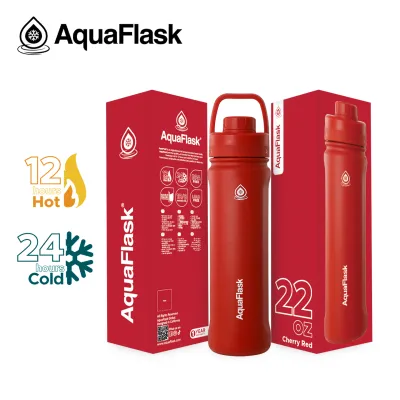
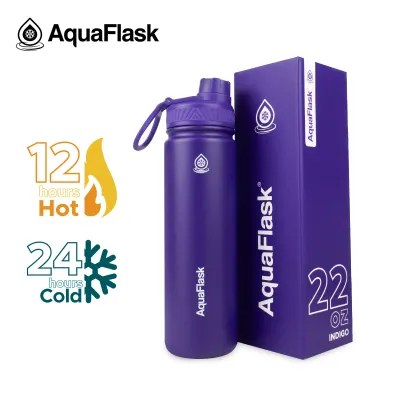
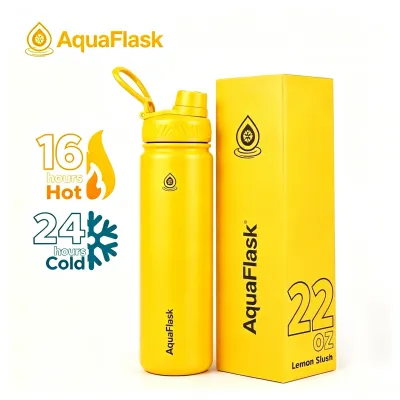
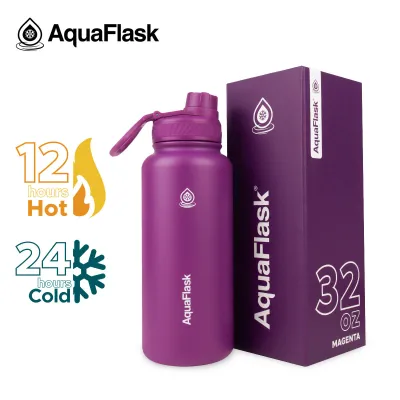
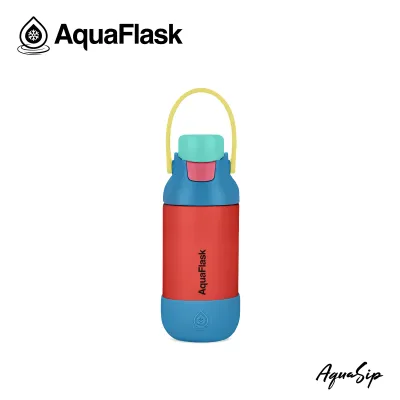
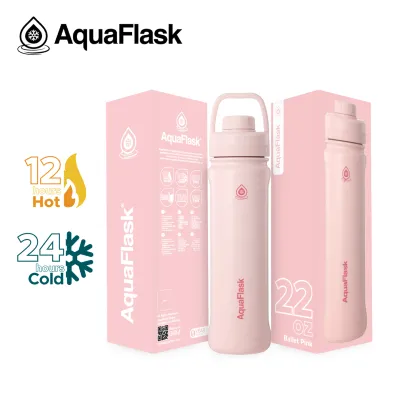
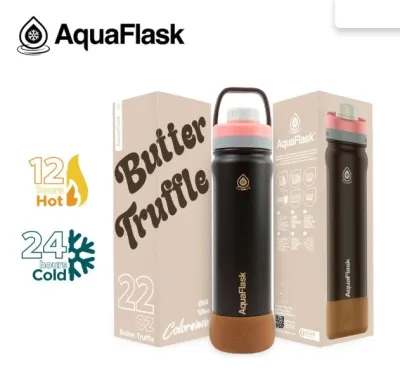
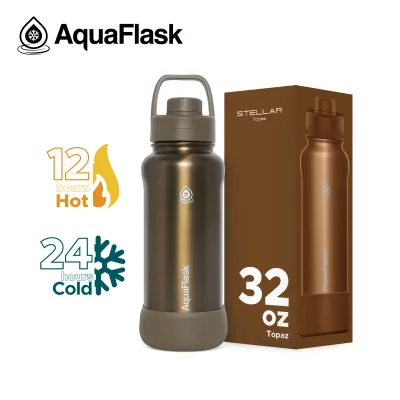
Prices are valid at publication and may change. Please refer to the product page for the latest price.
Step-by-Step Inspection: Spotting the Differences
Identifying a counterfeit Aquaflask 22oz requires a methodical physical examination of the product and its packaging. While some high-grade fakes can look convincing at first glance, counterfeiters almost always cut corners on printing precision, material quality, and assembly tolerances. By comparing these specific areas against the standards of a genuine product, you can easily determine whether your bottle is authentic.

Packaging, Labels, and Printing
The retail packaging is your first line of defense when verifying authenticity. Genuine Aquaflask boxes are constructed from thick, high-quality cardboard that resists crushing and features clean, sharp structural folds. The printed graphics, text, and logos on the box must be perfectly crisp, with high-contrast colors and no signs of pixelation, color bleeding, or blurry edges.
Carefully read all text printed on the packaging and the bottle’s external labels to check for spelling mistakes, grammatical errors, or unusual font choices. Authentic packaging features precise barcode labels that match the specific colorway and 22oz volume of the bottle inside. Counterfeiters often use generic boxes for multiple colors and sizes, resulting in mismatched labels, misaligned text blocks, or barcodes that do not register correctly when scanned.
Build Quality, Coating, and Base
The exterior finish of a genuine Aquaflask 22oz is defined by its durable, evenly applied powder coating. This coating should feel slightly textured, providing a secure grip even when your hands are sweaty or wet during outdoor activities. If the paint feels completely smooth, glossy, sticky, or shows visible defects like bubbles, runs, or uneven patches, the bottle is likely a counterfeit.
Inspect the logo engraved or printed on the bottle body. Genuine bottles feature laser-etched logos with incredibly sharp, clean lines where the underlying stainless steel is exposed with uniform brightness. Counterfeit logos are often painted on, poorly aligned, or laser-etched with rough, jagged borders that feel scratchy to the touch.
Turn the bottle over to examine the base and bottom markings. Authentic Aquaflask bottles feature clean, centered engravings on the bottom steel plate, indicating the brand name and design details. If you are using an anti-slip silicone boot, ensure it fits snugly around the base without loose edges or gaps; genuine accessories are molded to precise tolerances and feature clean, deburred edges.
Lid, Straw, and Silicone Seals
The plastic and silicone components of the lid assembly are critical indicators of product quality. Genuine lids are manufactured from high-grade, food-safe, BPA-free plastics that are completely odorless right out of the box. Counterfeit lids, by contrast, frequently emit a strong, unpleasant chemical or burnt-plastic smell that persists even after thorough washing.
Remove the lid and inspect the silicone sealing rings inside. Authentic seals are thick, flexible, and sit perfectly flat within their designated channels to create an airtight, leak-proof barrier. Counterfeit seals are often thin, poorly molded, discolored, or loose, which inevitably leads to spilling when the bottle is tilted.
Test the mechanical action of the lid, including the threading and the straw cover or spout hinge. The lid should screw onto the bottle neck smoothly without catching, cross-threading, or requiring excessive force to tighten. If the straw cover feels flimsy, wobbles on its hinge, or fails to snap securely into the closed position, it indicates substandard manufacturing.
At-Home Performance Tests for Insulation and Leaks
If you have already purchased a bottle and want to verify its performance, you can conduct three simple, low-risk tests at home. Before performing any tests, always consult the manufacturer’s care instructions and safety guidelines to avoid damaging the bottle or risking personal injury.
- The Ice-Water Test: Fill your Aquaflask 22oz to about 80% capacity with ice and cold water, then secure the lid tightly. Let the bottle sit on a table at room temperature for at least 30 to 45 minutes. A genuine vacuum-insulated bottle will prevent any temperature transfer, keeping the outer stainless steel wall completely dry. If you notice condensation, misting, or water droplets forming on the outside of the metal body, the vacuum seal is non-existent or compromised, confirming a counterfeit or defective product.
- The Hot-Water Test: Carefully fill the bottle with hot water, taking care to avoid splashes or burns, and seal the lid. Wait approximately two to three minutes, then gently touch the exterior surface of the bottle. Because authentic double-wall vacuum insulation prevents heat from escaping, the outside of a genuine bottle must remain completely cool to the touch. If the exterior wall feels warm or hot, the bottle lacks a functional vacuum insulation layer.
- The Leak Test: Fill the bottle halfway with water and secure the lid as tightly as possible. Hold the bottle upside down over a sink and shake it gently in various directions for 10 to 15 seconds. An authentic, properly sealed Aquaflask will not allow any liquid to escape from the threads, air valves, or spout. Persistent dripping or spraying indicates poor seal tolerances typical of counterfeit accessories.
Where to Safely Buy an Authentic Aquaflask
The most reliable way to avoid counterfeit products is to purchase your drinkware exclusively through authorized retail channels. In the Philippines, Aquaflask operates numerous official physical stores, kiosks in major shopping malls, and verified flagship stores on popular e-commerce platforms. Buying directly from these official outlets guarantees that you are receiving a genuine product backed by the brand’s official protections.
Be highly vigilant against common red flags when browsing online marketplaces or independent social media sellers. An authentic Aquaflask 22oz typically retails within the range of ₱650 to ₱850, depending on the specific collection or lid configuration. If a listing offers the same bottle for an unrealistically low price, such as ₱150 to ₱300, it is almost certainly a counterfeit. Additionally, avoid sellers who rely solely on stock promotional images rather than actual photos of the physical stock, or those with poor customer reviews pointing to quality issues.
Always request and retain your official receipt or digital invoice when making a purchase. Authentic Aquaflask bottles are backed by a limited lifetime warranty that covers manufacturing defects, such as a loss of vacuum insulation. Authorized service centers and official stores will require a valid proof of purchase from an authorized seller before they can process any warranty claims, replacements, or returns.
What to Do If You Accidentally Buy a Fake
If you discover that you have mistakenly purchased a counterfeit Aquaflask, stop using the bottle immediately. Because counterfeit manufacturers do not adhere to consumer safety standards, continuing to drink from the bottle exposes you to unverified plastics and metals that may be hazardous to your health. Your safety should always take priority over the cost of the item.
Immediately document the counterfeit product to build a strong case for a refund. Take clear, well-lit photos and videos highlighting the specific flaws, such as blurry printing, poor laser engraving, leaking seals, or condensation during the ice-water test. Keep all packaging, shipping labels, and a screenshot of the original online listing, along with your chat history with the seller.
Submit a formal dispute or return request through the customer service portal of the e-commerce platform where you made the purchase. Most major online marketplaces have strict anti-counterfeit policies and buyer protection programs that allow you to claim a full refund if you can provide clear evidence of fraud. Report the seller’s store to the platform administrators to help prevent other shoppers from falling victim to the same listing.
Frequently Asked Questions (FAQ)
Is it safe to drink from a fake Aquaflask if it holds water and doesn't leak?
No, it is not safe to drink from a counterfeit bottle even if it successfully holds liquid without leaking. Counterfeit manufacturers do not comply with food-grade material regulations, meaning the stainless steel interior may contain hazardous impurities, and the plastic lid or silicone seals may contain BPA or other harmful chemical additives. These materials can leach into your drinking water over time, especially when exposed to acidic beverages or warm temperatures, presenting unnecessary health risks.
Do original Aquaflask bottles come with a physical authenticity card or QR code?
Authenticity verification methods can change over time depending on the brand’s current manufacturing policies and anti-counterfeiting measures. While some production batches or special collections may include specific inserts, QR codes, or registration cards, counterfeiters frequently replicate these physical items, creating fake QR codes that redirect users to fraudulent verification websites. To ensure accuracy, always verify the current, official authentication steps directly on the brand’s official website or consult staff at an authorized physical store.
Community discussion
Share your experience or ask a question. Comments are reviewed before publication.