
Determining when to replace your mountain bike (MTB) disc brake rotor is a critical safety step that prevents sudden braking failure on steep descents. You can identify a worn-out rotor by measuring its thickness with calipers, checking for deep physical grooves, listening for persistent metallic scraping, or feeling a rhythmic pulsing at your brake lever. Ignoring these signs can lead to a complete loss of braking power, putting you at risk during technical trail rides.
Your braking system relies on friction to convert kinetic energy into heat. Over time, this friction wears down the metal on your rotor, reducing its structural integrity and its ability to manage extreme temperatures. Knowing how to spot the physical, visual, and auditory warning signs of a failing rotor ensures you can perform timely maintenance before a critical failure occurs on the trail.
Visual and Physical Signs of Rotor Wear
Regular physical inspections are the most reliable way to determine if your rotor for bike mtb has reached the end of its service life. Every manufacturer stamps a minimum thickness specification directly onto the face of the rotor. This is often labeled as “Min. TH” followed by a measurement, such as 1.5mm or 1.8mm depending on the brand.
Products mentioned in this guide
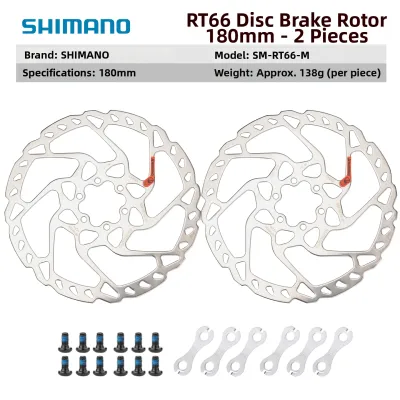
6 Lazada user ratings
🔨Durability:Goods 🔌Compatibility:All Bicycle 🛠️Ease of Installation:very easy Legit naman guys. Thank You Seller Thank You Lazada.
Goods maganda ang pag ka balot goods quality 1 💯 percent 160 kaso 180 ang isa need ko dalawa 160 heheh
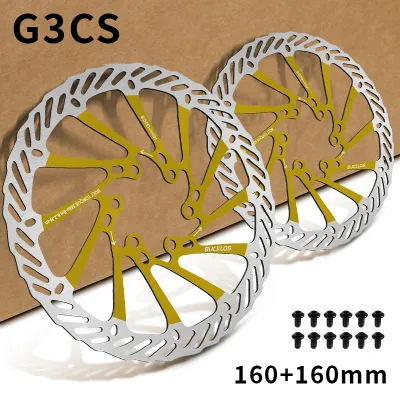
113 Lazada user ratings
🔨Durability:good 🔌Compatibility:good 🛠️Ease of Installation:good 160mm size option, Multiple color options,
Precise thickness control, Smooth braking performance, Includes 6 bolts, Easy installation design,
hindi kupa, nakakabit , pero ok naman sya.. mukhang maganda ang kapit nto..
thank you seller and rider,good items or products na narecieve ko
nice product! mukhang madali matanggal kulay yellow ng rotor.
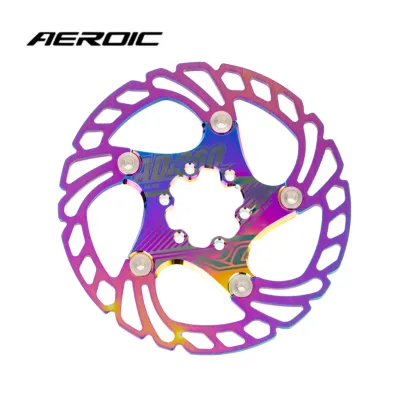
8 Lazada user ratings
🔨Durability:goods 🔌Compatibility:goods 🛠️Ease of Installation:gooods
🔨Durability:good 🔌Compatibility:compatible
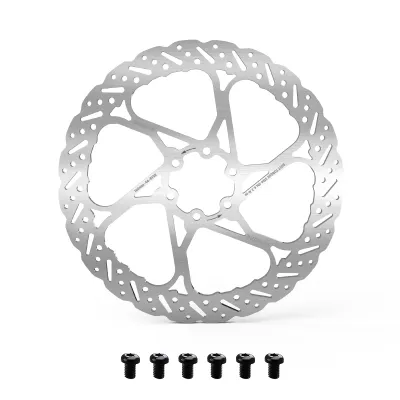
6 Lazada user ratings
legit! looks solid.
435 Lazada user ratings
Efficient and responsive braking system, High-quality material ensures long-lasting use, Improved stopping power on the road, Durable and re…Read full reviewShow less
Efficient and responsive braking system, High-quality material ensures long-lasting use, Improved stopping power on the road, Durable and reliable braking performance,
fast delivery, already received the item, the item is nice in just low price, compatible to my mtb project... thank seller and also to Lazad…Read full reviewShow less
fast delivery, already received the item, the item is nice in just low price, compatible to my mtb project... thank seller and also to Lazada....
Perfect fit for my BMX bike, High-quality material ensures long-lasting use, Efficient and responsive braking system,
Perfect fit for my BMX bike, Provides smooth and precise braking, High-quality material ensures long-lasting use,
Improved stopping power on the road, Efficient and responsive braking system, Great value for money,
701 Lazada user ratings
I’m very satisfied with this purchase! The product arrived safely and was packed properly, so there were no damages or issues upon receiving…Read full reviewShow less
I’m very satisfied with this purchase! The product arrived safely and was packed properly, so there were no damages or issues upon receiving it. The quality is good and it looks just like the pictures posted by the seller. It works well and is definitely worth the price. Shipping was also fast, and the seller was responsive and accommodating. I appreciate the effort in making sure the item was securely packed. Overall, I’m happy with my purchase and would definitely recommend this product to others. Thank you, seller! I will surely consider buying again next time. Five stars for this product!
High-quality rotor material, Impressive stopping performance, Impressive stopping performance, Easy to install with included rotor bolts, Ea…Read full reviewShow less
High-quality rotor material, Impressive stopping performance, Impressive stopping performance, Easy to install with included rotor bolts, Easy to install with included rotor bolts, Excellent heat dissipation, Excellent heat dissipation, Great braking power!, Smooth and consistent braking, Durable and long-lasting, Perfect fit for my mountain bike,
Compatibility:Fits all bike types, Durability:Lasts a long time, Safety:Enhances safety, Perfect fit for my mountain bike, Durable and long-…Read full reviewShow less
Compatibility:Fits all bike types, Durability:Lasts a long time, Safety:Enhances safety, Perfect fit for my mountain bike, Durable and long-lasting, High-quality rotor material, Impressive stopping performance,
Smooth and consistent braking, Easy to install with included rotor bolts, Impressive stopping performance, High-quality rotor material,
Item received in good condition, well packed and on time. Fit to a Giant Trance Advanced 2016 woth no issues.
Prices are valid at publication and may change. Please refer to the product page for the latest price.
To measure this accurately, you must use digital or vernier calipers rather than a standard ruler. Place the caliper tips directly onto the center of the braking track, which is the darker, swept area where the brake pads make contact. Avoid measuring the outer edge or the spider arms, as these areas do not experience direct wear.
Take measurements at three or four different points around the rotor’s circumference. Rotors rarely wear down perfectly evenly, and a single measurement might miss a dangerously thin section. If any part of the braking track falls at or below the stamped minimum thickness, the rotor must be replaced immediately to prevent structural failure under heavy braking loads.
Beyond thickness, inspect the braking surface visually for deep grooves, severe scoring, or uneven wear patterns. A healthy rotor should have a relatively smooth, uniform surface. If you run a fingernail gently across the braking track and feel deep ridges resembling a vinyl record, the rotor is past its prime.
Finally, check for physical structural damage. Inspect the rotor arms and the areas around the cooling cutouts for tiny hairline cracks, which can expand rapidly under heat and stress. Ensure that all mounting bolts are securely torqued to the manufacturer’s specifications and that there are no bent cooling fins on specialized high-performance rotors.
Identifying Warping and Glazing Issues
Warping and glazing are common surface anomalies that compromise braking consistency, modulation, and overall safety on technical terrain. A warped rotor is physically bent, meaning it no longer spins in a perfectly straight line between your brake pads. This issue is usually easy to diagnose while riding or spinning the wheel on a work stand.

If you hear a consistent, rhythmic rubbing sound as the wheel spins, or if you feel a pulsing sensation vibrating through the brake lever when you slow down, your rotor is likely warped. This wobble prevents the brake pads from making consistent contact with the metal surface, which severely reduces your braking modulation and increases your stopping distances.
Glazing, on the other hand, is a chemical and thermal issue rather than a structural bend. It occurs when extreme heat from prolonged braking melts the brake pad material onto the rotor, or when chain lubricants, suspension fluids, or road grime contaminate the braking surface. A glazed rotor will have a highly reflective, mirror-like, or rainbow-colored finish on the braking track.
This shiny, hardened layer drastically reduces the friction coefficient between the pads and the rotor. When you pull the brake lever, the pads simply slide over the glazed surface instead of biting into it, requiring much more hand force to slow down.
If you notice severe warping that causes the rotor to bind tightly inside the caliper or rub constantly, you must stop riding immediately. A binding rotor can generate extreme heat rapidly, lock up your wheel unexpectedly, or cause a catastrophic crash. Equipment checks and self-awareness of your riding limits are essential, as mechanical components cannot replace sound trail judgment.
Noise Cues and Performance Drops
Your mountain bike often communicates its mechanical status through sound and tactile feedback. Learning to differentiate between normal operational noises and critical failure sounds can save you from costly trailside breakdowns. For example, a high-pitched squeal when riding in wet or muddy conditions is generally normal and usually disappears once the brakes warm up and dry out.
In contrast, a harsh, grinding, or metallic scraping sound is a clear warning of critical failure. This sound typically means your brake pads have worn down completely to their metal backing plates, which are now grinding directly against the rotor. Continuing to ride under these conditions will ruin the rotor surface within minutes and can lead to sudden brake failure.
A sudden drop in performance, such as a lack of initial bite or severe brake fade during long descents, also points to rotor issues. Brake fade occurs when the rotor can no longer dissipate heat effectively, causing the brake fluid to overheat and the pads to lose grip.
Before concluding that the rotor is the sole culprit for a weak or spongy lever feel, you must rule out hydraulic issues. A brake lever that pulls all the way to the grip without resisting usually indicates air bubbles in the brake lines or old, degraded fluid. These issues require a system bleed rather than a new rotor.
To safely verify any noise or performance issues, perform a controlled test ride in a flat, open area free of traffic and obstacles. Accelerate to a moderate speed and apply light, consistent pressure to one brake at a time. This allows you to isolate the source of the noise and evaluate the stopping power of each individual brake system without risk.
When to Maintain, Resurface, or Replace
Once you have diagnosed the condition of your rotor, you must decide whether to maintain, resurface, or replace it. If your rotor is glazed but still well above its minimum thickness, you can attempt to resurface it to restore braking bite. This process involves removing the rotor and lightly sanding the braking track with fine-grit sandpaper using clean, circular motions.
After sanding, clean the rotor thoroughly with 99% isopropyl alcohol and a clean, lint-free microfiber cloth to remove all metal dust and oil residues. Keep in mind that resurfacing is only a temporary fix for mild glazing and will not resolve deep grooves, severe warping, or structural thinning.
If your measurements show the rotor is at or below the minimum thickness, or if you find any physical cracks or severe warps, you must replace the rotor immediately. Riding on a thin or cracked rotor is highly dangerous, as the extreme heat and force of trail braking can cause the rotor to shatter or fold.
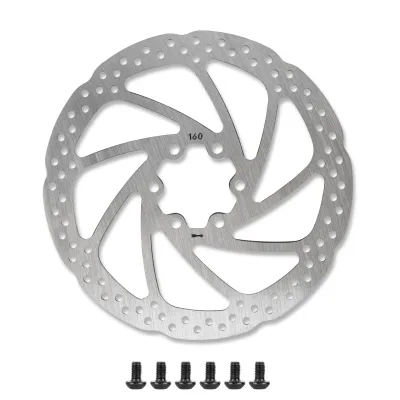
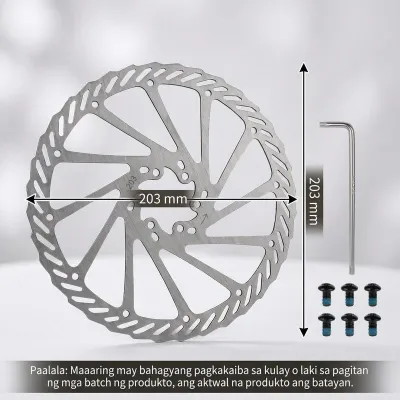
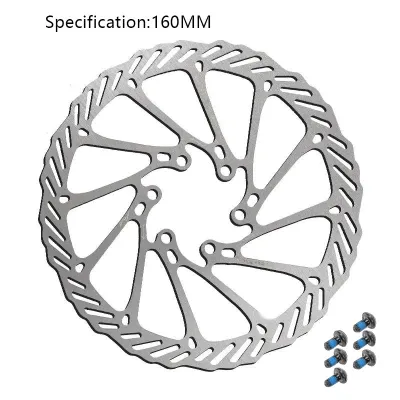
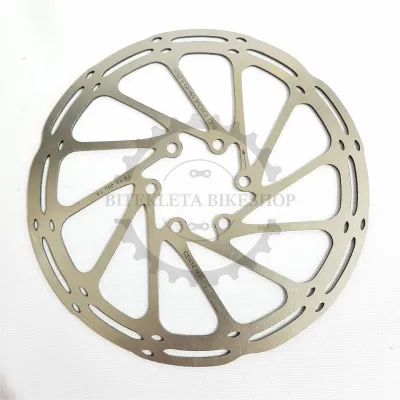
When purchasing a replacement rotor for bike mtb, pay close attention to compatibility specifications. You must match the mounting standard of your wheel hubs, which will be either a 6-bolt pattern or a splined Centerlock system. Additionally, verify the rotor diameter matches your current setup—common sizes include 160mm, 180mm, and 203mm—and ensure your frame, fork, and caliper adapters are compatible.
Finally, always install brand-new brake pads whenever you replace a rotor. Reusing old, unevenly worn pads on a fresh rotor will quickly transfer the old wear patterns and grooves onto the new metal surface. This premature wear reduces the lifespan of your new rotor and prevents the pads from bedding in correctly, compromising your safety from the very first ride.
Frequently Asked Questions (FAQ)
Can I just replace the brake pads instead of the rotor?
If your rotor is deeply grooved, warped, or worn below its minimum thickness, simply replacing the brake pads will not solve your performance issues. The uneven or thin surface of a compromised rotor will prevent the new pads from bedding in properly. This leads to poor braking power, excessive noise, and rapid, uneven wear on your brand-new pads. To ensure safety and optimal performance, always replace both components if the rotor is damaged or worn out.
How often should I check my MTB rotors?
For casual riders who stick to dry, flat paths, a visual inspection and thickness check every few months is usually sufficient. However, if you are an aggressive trail rider tackling steep descents or navigating the muddy, wet, and humid conditions common in the Philippines, you should inspect your rotors before every major ride. Regular checks help you catch wear early, ensuring your brakes perform reliably when negotiating technical terrain.
Community discussion
Share your experience or ask a question. Comments are reviewed before publication.