
Verifying the authenticity of your Wade basketball requires a systematic approach combining physical inspection, packaging analysis, and digital verification. Because counterfeit sports equipment has become increasingly sophisticated, relying on a single visual check is no longer sufficient to guarantee a genuine product. By examining structural details, checking security tags, and purchasing exclusively from authorized distributors, you can ensure your gear performs reliably on the court.
In the Philippines, where basketball is played on everything from polished indoor hardwoods to rough, humid outdoor courts, ball quality directly impacts your game. A genuine Wade basketball is engineered to withstand these diverse playing conditions, maintaining its grip and structural integrity despite high humidity and intense heat. Investing the time to authenticate your basketball protects your purchase and ensures your training sessions are backed by reliable equipment.
Why Authenticity Matters for Your Wade Basketball
A genuine Wade basketball is designed to deliver a specific standard of playability, characterized by a predictable bounce, consistent grip, and long-lasting material durability. Manufacturers of authentic basketballs use high-grade composite leather or specialized rubber compounds engineered to manage sweat and maintain tactile feedback during intense play. When you play with an original ball, the surface pebbles and channel depths are calibrated to offer optimal control during dribbling, passing, and shooting.
Products mentioned in this guide
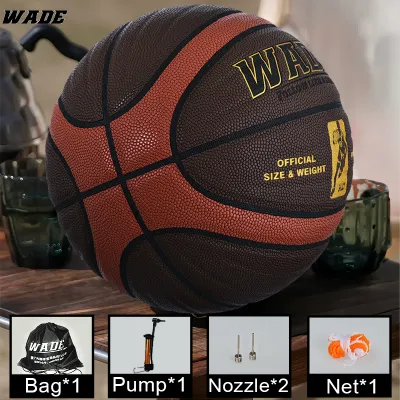
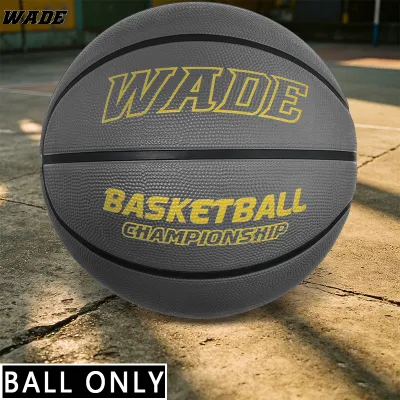
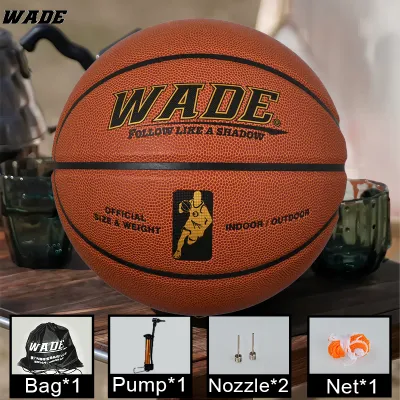
Prices are valid at publication and may change. Please refer to the product page for the latest price.
In contrast, counterfeit basketballs often suffer from unpredictable performance due to substandard materials and unregulated manufacturing processes. These imitation balls frequently feature uneven weight distribution, leading to erratic bounces that can disrupt your rhythm and hinder skill development. Furthermore, the synthetic materials used in fakes tend to degrade rapidly when exposed to tropical heat and rough concrete surfaces, resulting in a slick surface that is difficult to grip.
Beyond performance, structural safety and durability are major concerns with counterfeit products. Poor seam construction and low-quality bladder materials make fake basketballs highly susceptible to air leaks, warping, and sudden deflation. While counterfeit items are widely distributed across various online marketplaces at tempting price points, the rapid wear and potential safety hazards of these products make them a poor investment for any serious player.
Physical Inspection: Checking Build, Texture, and Logos
A thorough physical inspection is one of the most reliable ways to identify a counterfeit Wade basketball before you take it to the court. Start by closely examining the pebble pattern on the ball’s surface. Genuine models feature uniform, distinct pebbles that provide a consistent texture across the entire cover. Counterfeit balls often exhibit irregular pebbling, with some areas appearing flat, overly glossy, or poorly defined, which severely compromises the ball’s overall grip.

Next, evaluate the channels or seams of the basketball. On an original Wade ball, the channels are deeply recessed, evenly aligned, and cleanly finished without excess glue spilling onto the panels. Run your fingers along these seams to check for consistency; counterfeit manufacturing typically leaves rough edges, uneven channel widths, or visible adhesive residue along the panel borders. Any asymmetry in the panel alignment or a visibly lopsided shape when the ball is fully inflated is a clear indicator of a counterfeit product.
Logos and printed graphics require close scrutiny as well. Authentic basketballs feature crisp, high-resolution branding with precise alignment and correct font weights. Examine the embossed or printed Wade logo, signature details, and technical specifications on the ball. Counterfeits often display blurry edges, slight spelling variations, incorrect spacing, or colors that do not match the manufacturer’s official colorways. Compare these details directly with high-resolution images from the brand’s official website to spot discrepancies.
Finally, test the ball’s physical performance through a simple bounce and air retention check. Inflate the basketball to the manufacturer’s recommended pressure, which is typically stamped near the inflation valve. Drop the ball from shoulder height onto a flat, hard surface; it should bounce back consistently to about waist height without drifting sideways. If the ball bounces at odd angles, feels unusually heavy, or loses a noticeable amount of air within a few days of non-use, it likely lacks the high-quality butyl bladder found in genuine models.
Verifying Packaging, Tags, and Documentation
The packaging and accompanying documentation serve as the next line of defense when verifying your basketball’s authenticity. Genuine Wade basketballs are shipped in high-quality retail boxes featuring robust cardboard construction, sharp printing, and accurate brand colors. Inspect the box for any signs of flimsy packaging, faded inks, or spelling errors, which are common hallmarks of low-cost counterfeit operations. Additionally, check if the factory seals are intact and show no signs of tampering.
Hangtags and barcodes attached to the ball provide critical tracking information that should be cross-referenced. Look for the specific SKU or model number printed on the tag and verify that it matches the physical characteristics of the ball, such as its size, material, and color scheme. You can search this SKU online to see if it corresponds to official product listings. Counterfeiters often reuse the same generic hangtags across different models, resulting in mismatched product details.
Many premium basketballs also include authenticity cards, user manuals, or warranty documentation inside the packaging. Examine these inserts for print quality, paper weight, and official branding elements. Genuine documentation is printed on clean, heavy paper with clear text, whereas counterfeit inserts often use thin, low-grade paper with blurry text or poorly reproduced logos. If these materials are missing entirely from a model that is supposed to include them, proceed with caution.
Using Official Verification Channels and Safe Buying Practices
To protect yourself from fraudulent products, always prioritize secure buying practices and official verification channels. The most reliable way to guarantee authenticity is to purchase your basketball directly from the brand’s official website, authorized physical sporting goods stores, or verified flagship stores on major e-commerce platforms. Avoid buying from unverified third-party sellers who offer deals that seem “too good to be true,” as these listings are highly likely to feature counterfeit goods.
Many modern sports brands implement digital anti-counterfeiting measures, such as scannable QR codes, holographic stickers, or unique serial numbers on the packaging or the ball itself. If your Wade basketball features a verification scratch-off label or QR code, scan it using your smartphone and ensure it directs you to the brand’s official, secure domain. Be cautious of QR codes that redirect to unofficial websites or third-party verification platforms that mimic the brand’s official interface.
Do not rely solely on a seller’s verbal assurances, unofficial “authenticity certificates,” or positive reviews that seem generic or manipulated. Counterfeiters frequently use stock photos of genuine products in their listings but ship inferior replicas to unsuspecting buyers. If you are purchasing from an online marketplace, check the seller’s profile for official badges, high positive rating percentages, and detailed customer feedback that includes real photos of the received product.
What to Do If You Suspect You Bought a Fake
If your physical checks and verification attempts lead you to believe you have received a counterfeit Wade basketball, take immediate action to secure a refund. Start by documenting the discrepancies thoroughly. Take clear, well-lit photographs of the ball’s flaws, such as uneven seams, misaligned logos, or defective valves, alongside the packaging, tags, and any verification labels. This visual evidence will be crucial when presenting your case to the seller or e-commerce platform.
Next, initiate a formal dispute or return request through the e-commerce platform’s buyer protection program rather than negotiating privately with the seller. Most reputable platforms have strict policies against the sale of counterfeit goods and will facilitate a refund if you provide clear evidence of non-authenticity. Keep all original packaging and shipping labels intact, as you may be required to return the item or provide proof of the shipping details to complete the dispute process.
Finally, report the fraudulent listing to both the e-commerce platform’s customer support and the brand’s official anti-counterfeiting division. By reporting these sellers, you help clean up online marketplaces and protect other basketball enthusiasts from falling victim to similar scams. Sharing your experience through honest reviews with photos on the platform can also warn potential buyers about the seller’s deceptive practices.
Frequently Asked Questions (FAQ)
Can I authenticate a Wade basketball just by its price?
While an exceptionally low price—such as a premium composite ball listed for a fraction of its standard retail value—is a strong indicator of a counterfeit, price alone is not a foolproof authentication method. Some counterfeiters price their replica balls close to the official retail price to deceive buyers into thinking they are purchasing a genuine product. Therefore, you must always combine price evaluation with physical inspections and official verification steps.
Do all genuine Wade basketballs come with a holographic sticker?
No, anti-counterfeit features are not uniform across all models and production runs. The presence of holographic stickers, QR codes, or specific security tags varies depending on the model, the year of release, and the region where it was distributed. To determine which security features to expect, consult the official product specifications or contact the brand’s customer service for the most accurate, model-specific details.
Is it safe to use a counterfeit basketball for casual play?
Using a counterfeit basketball for casual play is generally not recommended due to performance and durability issues. Fake basketballs are constructed from unregulated materials that lack the necessary grip and structural integrity, which can lead to slips, erratic bounces, and rapid wear on outdoor courts. Additionally, poor manufacturing standards increase the risk of sudden deflation or warping, making the ball unusable after only a few sessions.
Community discussion
Share your experience or ask a question. Comments are reviewed before publication.