
A chest ascender is a specialized mechanical device designed to hold a climber upright against a vertical rope, sliding smoothly upward and locking securely when weighted. To use it safely, you must integrate it correctly into a multi-point ascending system, perform rigorous pre-climb inspections, maintain proper body positioning, and understand the physical limits of your gear. In tropical climates, such as the humid environments found across the Philippines, gear care becomes even more critical due to the accelerated risk of corrosion and mold on webbing.
Understanding Your Chest Ascender and Safety Boundaries
A chest ascender serves as a primary point of attachment that keeps your torso close to the climbing rope. Unlike hand ascenders, which you actively manipulate to gain height, the chest ascender is designed to slide hands-free up the rope as you climb and lock automatically when you sit back. This hands-free operation is highly efficient, but it requires a clear understanding of the device’s mechanical boundaries.
Every chest ascender has strict operational limits that you must verify before stepping off the ground. These devices are designed for progression and positioning, meaning they are engineered to support static or slow-moving body weight rather than dynamic fall forces. Exceeding the recommended load limits or using incompatible rope types can lead to slippage, rope damage, or mechanical failure.
Products mentioned in this guide
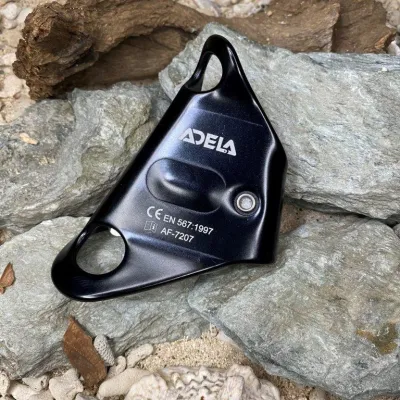
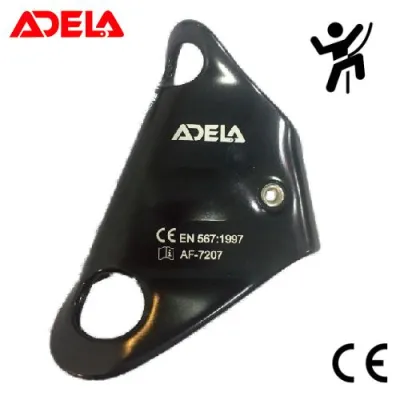
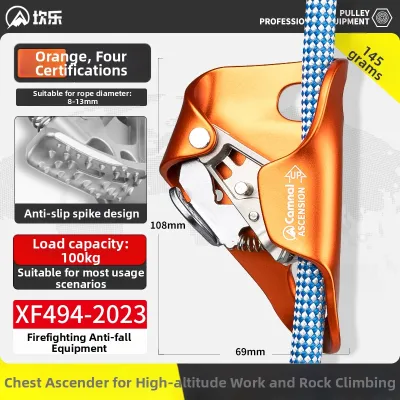
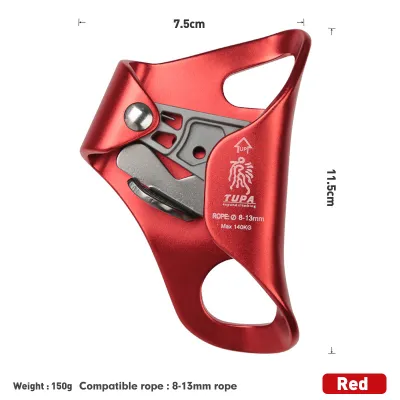
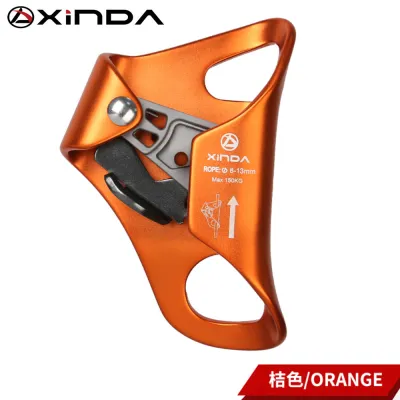
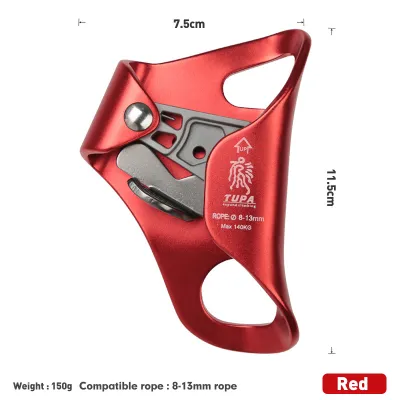
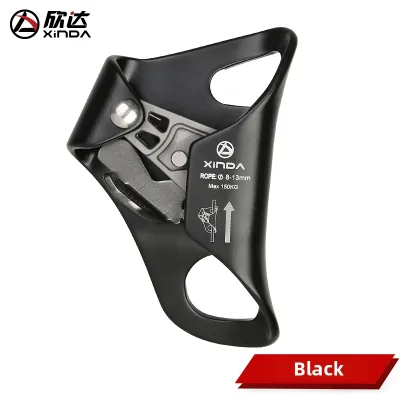
Prices are valid at publication and may change. Please refer to the product page for the latest price.
No piece of climbing hardware can substitute for comprehensive, hands-on training from a certified professional. Before attempting to use a chest ascender on high-angle terrain, you must practice under supervised conditions to build muscle memory and learn how to manage system transitions. Relying solely on self-instruction poses severe safety risks.
Knowing when to stop a climb is just as important as knowing how to ascend. You must halt operations immediately if you observe any signs of gear degradation, such as a sluggish cam spring or deep grooves worn into the aluminum body. Environmental factors, including heavy tropical downpours that make ropes slick or muddy, also serve as critical stop conditions that require you to reassess your safety margins.
Pre-Climb Gear Inspection and System Setup
A systematic inspection of your hardware is the first line of defense against equipment failure. Begin by closely examining the metal body of the chest ascender for any hairline cracks, sharp burrs, or deformation. Pay close attention to the attachment eyelets, as these points bear the constant friction of carabiners and quicklinks.

Next, inspect the spring-loaded cam and its teeth. The teeth must be sharp and free of packed dirt, lint, or corrosion to grip the rope sheath effectively. Pull the cam fully open and release it; it should snap back into the closed position instantly and smoothly without sticking or hesitation.
Always verify that your climbing rope is compatible with the specific ascender model you are using. Manufacturers print the acceptable rope diameter range directly on the side of the device. Using a rope that is too thin can cause the cam teeth to slip, while a rope that is too thick can jam inside the body, preventing smooth upward progression.
Integrating the device into your harness requires precise routing to ensure it remains upright and secure. Connect the lower eyelet of the ascender to your harness’s central attachment point using an approved, locking quicklink or carabiner. Secure the upper eyelet to a dedicated chest harness or tensioning strap, adjusting it so the device sits flat against your sternum without sagging.
Step-by-Step Guide to Attaching and Ascending
To begin, open the cam by pulling the safety catch down and locking it into the open position. Insert the climbing rope into the device’s channel, ensuring the rope leading to your anchor point exits through the top of the ascender and the free end hangs down. Release the safety catch to allow the spring-loaded cam to press firmly against the rope.
Once the rope is inserted, pull your chest harness strap tight to pull the ascender snug against your body. A loose chest strap allows the device to sag away from your torso, which causes you to lean backward during the climb. This poor positioning wastes physical energy and subjects the system to awkward, inefficient angles.
The ascending motion relies on a coordinated rhythm between your chest ascender, a hand ascender, and a foot loop. Stand up in the foot loop to transfer your weight off the chest ascender, allowing it to slide smoothly upward along the rope. As you reach the peak of your step, sit back slowly into your harness to transfer your weight back onto the chest ascender.
While weighted by the chest ascender, slide your hand ascender further up the rope to prepare for the next step. Repeat this alternating sequence of standing, sliding, and sitting to maintain a steady, energy-efficient upward momentum. Focus on keeping your movements smooth and deliberate rather than rushing.
Maintaining proper rope tension is crucial, especially during the first few meters of your climb. Near the ground, the weight of the rope below you is often too light to pull itself through the chest ascender automatically. You may need to use one hand to pull the tail of the rope downward through the device until enough rope weight accumulates to feed itself.
Common Mistakes and Emergency Stop Conditions
One of the most frequent errors is climbing with a loose or improperly adjusted chest strap. This mistake causes the climber’s center of gravity to shift backward, forcing the arms to work harder and increasing the risk of the ascender jamming. Keep the device pulled tight against your chest throughout the entire ascent.
Another common hazard is allowing mud, grit, or organic debris to accumulate in the cam mechanism. In humid, tropical environments, wet soil and plant matter can easily clog the teeth of the cam, preventing it from biting into the rope. Always clean your rope and gear if you are climbing in muddy or heavily vegetated areas.
You must recognize and act on emergency stop signals immediately. If you hear unusual grinding noises, feel the device slipping when weighted, or notice that the cam is not fully engaging, stop climbing at once. These symptoms indicate a mechanical issue or a severe mismatch between your gear and the rope.
If you must stop or troubleshoot mid-climb, never attempt to force open the cam of a chest ascender while it is supporting your weight. Doing so can damage the rope sheath or cause an uncontrolled slide. Always establish a secondary, independent backup connection to the rope first, transfer your weight to that backup, and only then attempt to clear the jam.
Post-Climb Cleaning and Storage
Proper maintenance after every climb preserves the structural integrity and reliability of your gear. Wash the chest ascender thoroughly using fresh, clean water and a soft-bristled brush to remove mud, salt residue, and grit from the cam and hinges. Avoid using harsh chemical solvents or degreasers, which can strip away protective anodized coatings.
In humid tropical regions, drying your gear thoroughly is essential to prevent corrosion and mold. Wipe the metal surfaces with a clean, dry cloth and allow the device to air-dry completely in a well-ventilated indoor space. Keep the ascender away from direct sunlight and high-heat sources during the drying process.
Store your clean, dry equipment in a cool, dark place away from corrosive chemicals or damp environments. Keep a dedicated usage log to track the history of your gear, including any hard impacts or unusual exposure. Retire the chest ascender immediately if it shows deep wear, structural deformation, or if it has reached the end of its manufacturer-recommended lifespan.
Frequently Asked Questions (FAQ)
Can I use a chest ascender as my primary fall-arrest device?
No, a chest ascender is designed solely as a progression and positioning aid, not as a fall-arrest device. It lacks the shock-absorbing capabilities required to safely arrest a dynamic fall, and a high-impact force can damage the rope or cause the device to fail. You must always use an independent, dedicated backup safety system on a separate line.
What should I do if the chest ascender gets stuck on the rope?
If your chest ascender jams, do not panic or pull on it forcefully. First, stand up in your foot loop or use your hand ascender to lift your body weight completely off the chest ascender. Once the device is unweighted, manually open the cam by pulling the safety catch, clear any trapped debris or rope fibers, and verify smooth operation before continuing.
Community discussion
Share your experience or ask a question. Comments are reviewed before publication.