
Using a myofascial blade—a specialized soft-tissue mobilization tool designed to target the body’s fascial network—can significantly enhance muscle recovery, reduce tightness, and restore mobility after intense physical activity. However, achieving these benefits requires correct technique and strict adherence to safety protocols. Safe scraping involves preparing the skin with a suitable lubricant, holding the tool at a precise shallow angle, applying controlled pressure, and completely avoiding bony prominences or delicate vascular zones. When performed correctly, this practice supports tissue health without causing surface damage or bruising.
What You Need Before You Start
Before beginning a session, inspect the myofascial blade carefully. Run a finger gently along the scraping edges to check for any nicks, burrs, or rough spots that could scratch or cut the skin. Ensure the tool is thoroughly sanitized with an antiseptic wipe or rubbing alcohol to prevent transferring bacteria. While entry-level plastic or resin tools exist, investing in a high-quality medical-grade stainless steel blade—typically ranging from ₱1,000 to ₱3,000 in local specialty fitness stores—ensures a non-porous, easily sanitized surface that will not harbor bacteria over time.
A high-quality lubricant is a non-negotiable requirement for safe use. Scraping dry skin creates excessive friction, which can lead to painful abrasions, broken capillaries, or severe irritation. In the warm, humid climate of the Philippines, heavy petroleum-based waxes or dense balms can trap heat and clog pores, potentially leading to sweat rashes or breakouts. Lightweight massage oils, coconut oil, or water-based emollient lotions are excellent alternatives that provide the necessary glide while remaining comfortable on the skin.
Products mentioned in this guide
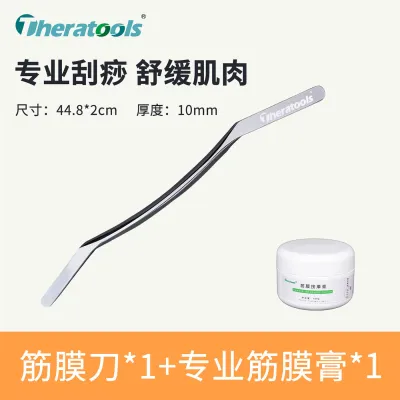
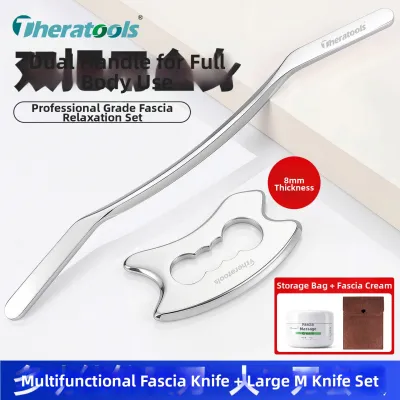
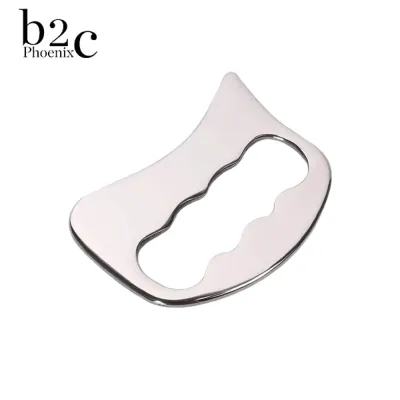
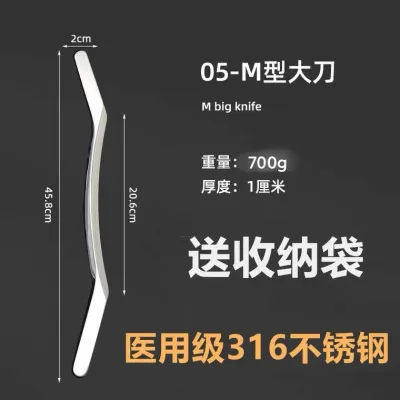
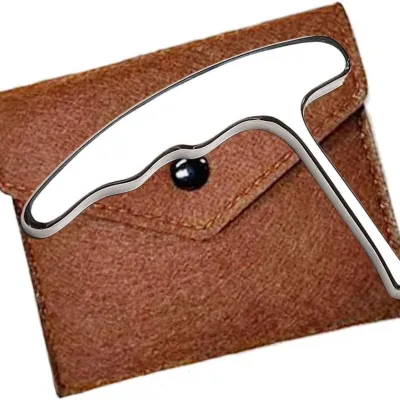
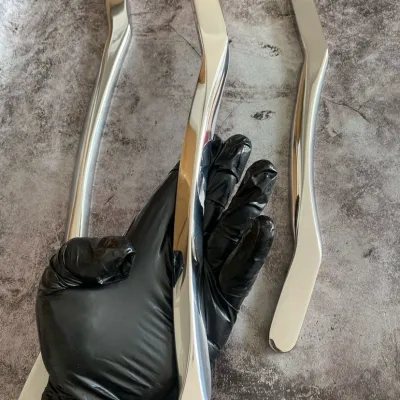
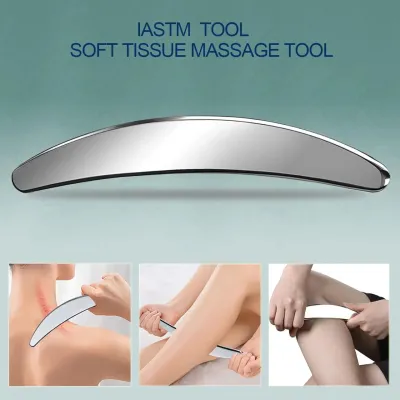
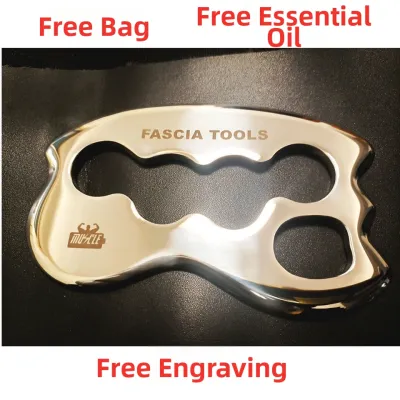
Prices are valid at publication and may change. Please refer to the product page for the latest price.
Prepare the target area by washing it with mild soap and water, then drying it completely. Removing sweat, dirt, and dried salt from previous physical activity ensures that the lubricant can be applied evenly and prevents contaminants from being ground into the skin during the scraping process. Always consult the manufacturer’s care and usage guide for your specific tool, as different materials—such as stainless steel, brass, or stone—may require distinct cleaning agents or storage conditions.
Core Techniques: How to Hold and Glide the Blade
The foundation of safe myofascial release lies in how you hold and manipulate the tool. Grip the blade with a relaxed, comfortable hand rather than a tight, white-knuckled fist. A tense grip naturally transfers excessive downward force to the skin, which increases the risk of bruising and makes it difficult to feel the underlying tissue textures. Think of the tool as an extension of your fingers, requiring only enough grip strength to maintain control.

Position the blade at a shallow angle relative to the skin surface, typically between 30 and 45 degrees. Holding the tool too upright, such as at a 90-degree angle, causes the edge to dig sharply into the tissue, resulting in pain and potential micro-tears. A shallow angle allows the edge to glide smoothly over the contours of the muscle, gently stretching the fascial layers rather than cutting into them.
When applying strokes, use short, controlled, and deliberate movements rather than long, sweeping motions. Limit each stroke to a length of about five to fifteen centimeters. This localized focus allows you to monitor the tissue’s response and maintain consistent pressure throughout the movement. Always glide the tool in one direction rather than sawing back and forth rapidly, which can quickly overheat and irritate the skin.
Let the weight of the myofascial blade and gentle manual guidance do the work. The common belief that soft-tissue therapy must hurt to be effective is a dangerous misconception. Effective mobilization should feel like a deep, firm stretch or a localized massage, never a sharp, pinching, or excruciating sensation. If you find yourself tensing your muscles or holding your breath, the pressure is too intense and must be reduced immediately.
Step-by-Step Guide for Common Muscle Groups
Calves and Lower Legs
To address tightness in the lower leg, begin by sitting comfortably with your knee bent and your foot flat or slightly elevated. Apply a thin, even layer of lubricant over the entire calf muscle.
- Direction of Strokes: Gently glide the blade along the muscle belly of the gastrocnemius (the upper, bulkier part of the calf) and the soleus (the lower, flatter portion). Move the tool from the ankle upward toward the knee, following the natural direction of venous blood flow.
- Anatomical Precautions: Keep the tool strictly on the soft muscle tissue. Never scrape directly over the shin bone (tibia) or the outer ankle bones, as the lack of protective muscle cover can cause severe pain and bruising. Additionally, completely avoid the popliteal fossa—the sensitive space directly behind the knee joint—which contains major nerves and blood vessels.
Thighs and Glutes
The large, dense muscle groups of the upper leg and hip require a slightly modified approach to cover the expansive surface area effectively.
- Adjusting the Strokes: Use broader, overlapping strokes to address the quadriceps on the front of the thigh, the hamstrings on the back, and the gluteal muscles. Because these tissues are thicker, you can apply slightly firmer pressure than you would on the lower leg, but you must still remain well within your personal comfort threshold.
- Tracking Tissue Density: Pay close attention to areas that feel dense or restricted. When working on the outer thigh, proceed with caution over the iliotibial (IT) band; this structure is naturally fibrous, and aggressive scraping will not "loosen" it but will likely cause painful inflammation. Keep the strokes gentle and focused on the surrounding muscle bellies.
Upper Back and Shoulders
The upper back and shoulder region features complex bony contours that require precise navigation and careful tool control.
- Navigating Bony Areas: Glide the blade carefully around the borders of the shoulder blade (scapula), targeting the rhomboids and lower trapezius muscles. Always avoid scraping directly over the spine, the collarbones, or the bony ridge of the shoulder itself.
- Reaching Difficult Spots: If you are working on your own shoulders, use your non-dominant hand to guide the tool or adjust your grip to reach the upper trapezius comfortably. For the mid-back and areas that are physically impossible to reach with proper mechanics, ask a trained partner or family member to assist you, ensuring you communicate constantly about pressure levels.
Safety Boundaries: When to Stop and Areas to Avoid
Understanding the boundaries of safe practice is critical to preventing injury when using a myofascial blade at home.
- Absolute Avoid Zones: Several areas of the body are strictly off-limits for scraping. Never apply the tool to direct bone, joint spaces, or the front of the neck, where the carotid artery and jugular vein are vulnerable. Avoid areas with varicose veins, as the pressure can damage compromised vascular walls. Do not scrape over open wounds, active skin infections, rashes, sunburns, or acute injuries like fresh muscle tears, sprains, or fractures.
- Skin Reaction Signals: It is normal for the skin to develop a mild, warm pinkness or light redness during a session, which indicates increased local circulation and blood flow. However, you must distinguish this from signs of over-treatment. If the skin turns a deep red, or if you notice petechiae (tiny red or purple spots caused by broken capillaries) or bruising, you have applied too much pressure or scraped for too long. Deep bruising is not a sign of successful therapy; it is tissue damage that hinders recovery.
- Stop Immediately Conditions: Immediately halt the session if you experience any sharp, shooting, or electric-like nerve pain. Numbness, tingling, or radiating sensations down your limbs are clear indicators that a nerve is being compressed or irritated. Stop scraping and allow the area to rest.
- Professional Boundary: Remember that a myofascial blade is designed strictly as a recovery aid for minor muscle tightness and post-workout stiffness. It cannot replace professional physical therapy, chiropractic care, or medical diagnosis. If you are dealing with chronic pain, persistent joint instability, or an undiagnosed injury, consult a qualified healthcare professional before attempting any self-treatment.
Post-Session Care and Recovery Verification
The steps you take after your scraping session are just as important as the technique itself for ensuring proper tissue recovery.
Wipe away any remaining lubricant from your skin using a clean towel. Wash the treated areas with mild soap and lukewarm water to prevent any leftover oil or lotion from clogging your pores, especially in warm, tropical environments where sweat and oil can easily trap bacteria. Clean your myofascial blade thoroughly with warm water and dish soap, disinfect it with an alcohol wipe, and dry it completely before storing it in its protective case.
Drink plenty of water after your session to support cellular hydration and facilitate the removal of metabolic waste from the mobilized tissues. Engage in light, active movement—such as gentle walking, active stretching, or mobility drills—to encourage healthy blood flow through the newly relaxed muscles. Avoid intense, heavy lifting or high-impact training immediately after scraping to give the treated tissues time to adapt.
Monitor how your body responds over the next 24 to 48 hours. A successful session should result in an improved range of motion, a feeling of lightness in the muscle, and a noticeable reduction in localized tension. If you experience lingering soreness, pain when touching the area, or visible bruising, your session was too aggressive. Use these observations to adjust your pressure, duration, or frequency in future recovery sessions.
Frequently Asked Questions (FAQ)
How often should I use a myofascial blade?
For most individuals, using a myofascial blade two to three times a week per muscle group is sufficient to maintain mobility and support recovery. Avoid scraping the same muscle group on consecutive days; your soft tissues require adequate rest and recovery time to rebuild and adapt to the mobilization. Limit individual sessions to no more than five to ten minutes per targeted area to prevent over-stimulating the skin and underlying fascia.
Can I use a myofascial blade without massage oil or lotion?
No, you should never use a myofascial blade on dry skin. Scraping without a proper lubricant creates high friction, which can cause painful skin abrasions, friction burns, and severe irritation. A quality lubricant acts as a protective barrier, allowing the tool to glide smoothly so you can focus on mobilizing the deeper fascial layers rather than dragging and damaging the skin surface.
Community discussion
Share your experience or ask a question. Comments are reviewed before publication.