
Using a spinal stretching hook safely requires a strict commitment to controlled movement, precise equipment identification, and regular structural inspections. While these tools can assist with decompression and flexibility, improper setup or rushed execution can lead to severe muscle strain, joint damage, or nerve compression. To protect your back and ensure a safe practice, you must understand the limits of your specific gear, verify the structural integrity of your mounting points, and remain highly sensitive to your body’s physical feedback.
Identify Your Hook Type and Structural Limits
Before attempting any exercise, you must identify the exact category of your spinal stretching hook. A common point of confusion lies in mixing up inversion hooks—designed to support your full body weight during suspended traction—with Pilates equipment attachment hooks, which are engineered solely to anchor resistance bands, springs, or straps. Using a Pilates attachment hook for full-body suspension is extremely dangerous and can result in immediate structural failure. Always consult your product manual to confirm the exact intended use of your device.
Next, locate and verify the manufacturer’s specified weight capacity and material limits. This information is typically printed on the product label, stamped onto the metal, or detailed in the user guide. Never assume a hook can support your weight simply because it feels heavy or solid. In addition, consider your dynamic weight; moving, twisting, or swinging while suspended increases the load on the hardware far beyond your static body weight.
Products mentioned in this guide
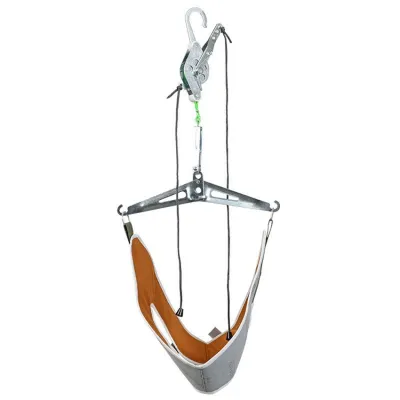
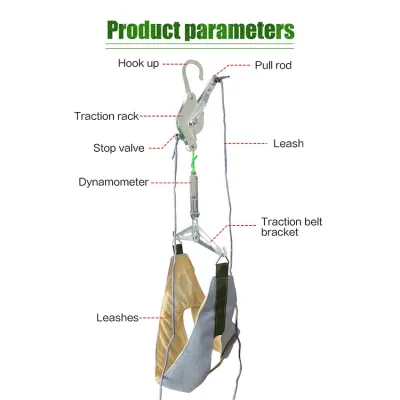
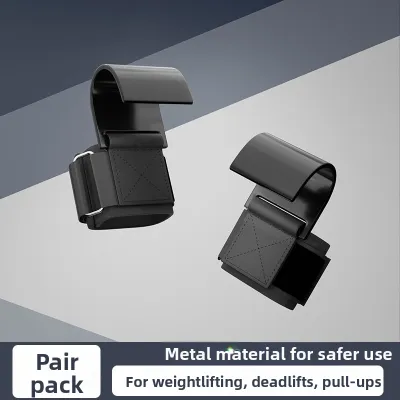
Prices are valid at publication and may change. Please refer to the product page for the latest price.
Equally critical is the mounting point where you secure the hook. Whether you are attaching it to a ceiling joist, an aerial rig, or a heavy-duty Pilates machine frame, the supporting structure must be professionally rated to handle these dynamic forces. In residential settings, standard drywall or thin wooden beams are entirely inadequate. If you cannot verify that your ceiling joist or frame is structurally sound and rated for suspension, do not install or use the equipment.
Essential Pre-Use Safety Checks and Setup
A thorough inspection of your equipment must precede every single session. Metal components, straps, and connectors are subject to wear and environmental degradation over time. In tropical environments like the Philippines, high humidity and ambient moisture can accelerate rust, corrosion, and metal fatigue. Carefully examine the hook, carabiners, straps, and mounting hardware under bright light, looking for hairline cracks, discoloration, deformation, or rough patches that indicate structural compromise.

Pay close attention to all moving parts and safety features. Check that safety latches, locking gates on carabiners, and quick-links are fully functional and can be screwed or snapped completely shut. If a spring latch feels loose, or if a threaded sleeve does not close smoothly, retire the component immediately. A minor mechanical failure under load can lead to a sudden fall or a violent release of tension.
Finally, prepare your physical environment to minimize the risk of impact injuries. Clear the floor and surrounding area of all furniture, yoga blocks, water bottles, and sharp objects. Ensure you have ample clearance in every direction so that if you lose your grip or need to dismount quickly, you will not strike any obstacles. Placing a thick, high-density landing mat directly beneath your suspension area provides an extra layer of protection.
Safe Mounting, Technique, and Duration Guidelines
When you are ready to begin, prioritize slow, deliberate movements above all else. Jerking, bouncing, or dropping suddenly into a stretch subjects your spine to harsh, unpredictable forces that can cause immediate muscle spasms or joint subluxation. When entering a traction position, slowly transfer your weight onto the hook, allowing your muscles to gradually adapt to the change in load. The same controlled approach must be applied when exiting the stretch; dismount smoothly to avoid sudden spinal compression.
For beginners, duration must be kept extremely brief. Start with very short trials—often just thirty seconds to a minute—to observe how your body responds to the traction. Even if the stretch feels beneficial in the moment, your spinal discs and supporting ligaments need time to adjust to decompression. Only increase your session length by small increments over several weeks, and stop immediately if you feel any lingering soreness or fatigue after your workouts.
Throughout the exercise, focus on maintaining a neutral spinal alignment. Avoid the temptation to force your back into extreme arches or deep twists while under traction. Pushing beyond your natural range of motion while your spine is decompressed can overstretch ligaments, leaving your joints unstable once you return to an upright position. Let gravity do the work naturally rather than forcing additional movement.
Warning Signs: When to Stop Immediately
While a deep stretch can sometimes feel intense, it should never feel painful. You must stop your session immediately if you experience sharp pain, numbness, tingling, or a radiating sensation that travels down your legs or arms. These symptoms are clear indicators of nerve compression or irritation, which can quickly escalate into a debilitating injury if ignored. Dizziness, lightheadedness, or a sudden rush of pressure to the head also require an immediate halt to the exercise.
It is vital to learn the difference between safe muscle release and dangerous joint or ligament strain. A safe stretch feels like a dull, broad ache in the belly of the muscle that gradually dissipates as you relax. In contrast, dangerous strain often presents as a sharp, localized pinch near a joint, a burning sensation, or a feeling of instability in your lower back or neck. If you feel any of these warning signs, do not attempt to “work through” the discomfort.
To handle these situations safely, always plan and practice a controlled dismount procedure before you begin. If you are suspended or under heavy traction when discomfort strikes, panic can lead to a dangerous fall. Slowly and systematically re-engage your core muscles, use your hands to support your weight on a stable frame or floor, and gently release the hook’s tension. Never drop straight to the floor or twist violently to free yourself.
Who Should Avoid Using Spinal Stretching Hooks
Spinal traction and inversion are highly specialized physical interventions that are not suitable for everyone. Individuals with a history of recent spinal surgery, severe osteoporosis, spinal instability, or acute disc herniations must avoid using spinal stretching hooks entirely unless under direct clinical supervision. The intense pulling forces can disrupt healing tissues, worsen disc protrusions, or cause micro-fractures in weakened bone structures.
Inversion-style hooks carry additional systemic risks due to the cardiovascular changes that occur when hanging upside down. This position causes a rapid increase in blood pressure and localized pressure within the eyes and head. Consequently, individuals with high blood pressure, glaucoma, hiatal hernias, heart conditions, or those who are pregnant should strictly avoid inversion traction. The risk of stroke, retinal damage, or circulatory distress makes these exercises highly unsafe for these populations.
Ultimately, your safety depends on professional medical guidance. Before incorporating a spinal stretching hook into your wellness routine, schedule a consultation with a physician, physical therapist, or orthopedic specialist. They can evaluate your specific spinal alignment, review your medical history, and determine whether traction is a safe and effective option for your body.
Frequently Asked Questions (FAQ)
Can a spinal stretching hook cure chronic back pain?
No, a spinal stretching hook cannot cure chronic back pain. While spinal traction can provide temporary relief by temporarily decompressing the discs and relaxing tight muscles, it does not address the underlying pathology of chronic conditions like degenerative disc disease, scoliosis, or facet joint arthritis. Managing chronic pain requires a comprehensive, professional treatment plan that often includes targeted physical therapy, core strengthening, and medical evaluation.
How often should I use a spinal stretching hook?
If you have received medical clearance, you should start by using the hook very infrequently—perhaps once or twice a week—to monitor how your body responds over the subsequent 48 hours. If you experience no adverse symptoms, you may gradually adjust your usage based on your comfort levels. However, you should avoid daily overuse or multiple sessions a day without direct guidance from a physical therapist, as excessive traction can lead to ligament laxity and joint instability.
Do I need a spotter when using inversion hooks?
Yes, using a trained spotter is highly recommended, especially for beginners or when utilizing ceiling-mounted inversion hooks. A spotter provides essential physical assistance during the mounting and dismounting phases, which are often the most challenging and risky parts of the exercise. Additionally, if you experience sudden dizziness, muscle fatigue, or equipment issues while suspended, a spotter can assist with emergency stabilization and help you return to an upright position safely.
Community discussion
Share your experience or ask a question. Comments are reviewed before publication.