
Using a wobble cushion for core and balance exercises is an effective way to build functional strength, improve joint stability, and enhance overall body awareness at home. Often referred to as a stability disc, this air-filled fitness accessory introduces a controlled level of instability that forces your deep stabilizing muscles—particularly in your ankles, knees, hips, and core—to work harder to keep you upright. Whether you are recovering from a minor injury, looking to improve your athletic performance, or simply trying to maintain active posture during the day, incorporating this tool into your routine can yield noticeable benefits.
To get the most out of your training, it is essential to understand that balance equipment cannot replace proper physical training, focused concentration, or professional medical advice. Your safety depends on recognizing your personal physical limits, performing routine equipment checks, and knowing when to stop an exercise. By starting with simple, controlled movements and gradually increasing the difficulty, you can safely challenge your neuromuscular system without risking a fall or joint strain.
Getting Started: Setup and Safety Checks
Before stepping onto your wobble cushion, you must prepare a safe workout environment to minimize the risk of slips, trips, and falls. Begin by clearing a dedicated “fall zone” in your room, ensuring there is at least a one-meter radius of open space around you. Remove any nearby furniture with sharp edges, clear away loose items like shoes or toys, and make sure there are no electrical cords or rugs that could trip you if you need to step off the cushion quickly.
Products mentioned in this guide
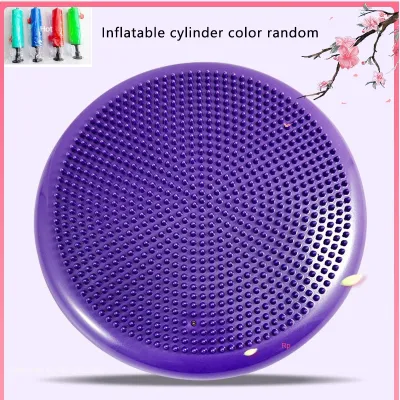
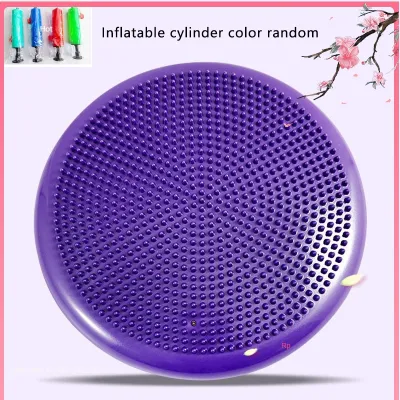
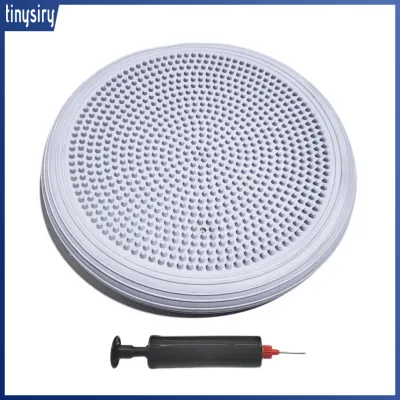
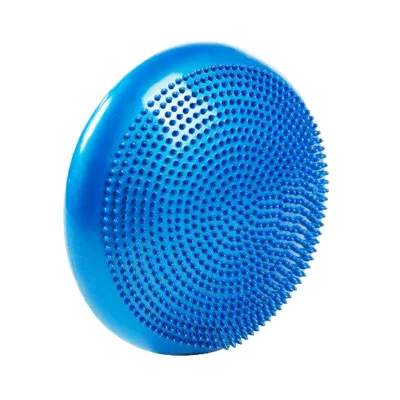
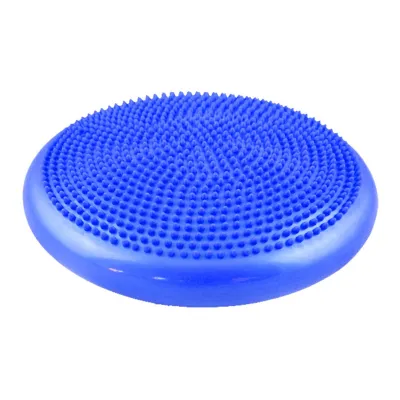
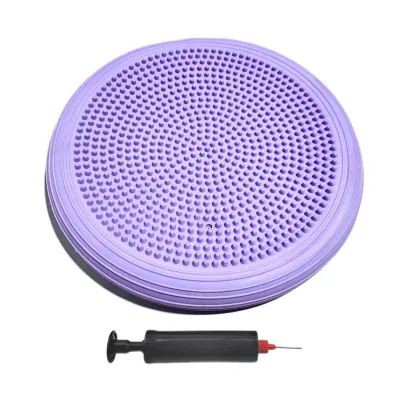
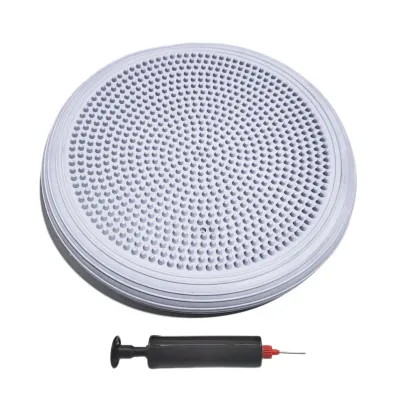
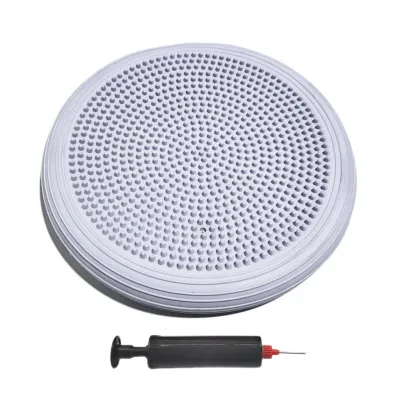
Prices are valid at publication and may change. Please refer to the product page for the latest price.
Next, inspect the inflation level of your wobble cushion, as this directly dictates the difficulty of your exercises. Most cushions come with a small hand pump and a needle attachment; always refer to the manufacturer’s instructions for specific inflation limits. A highly inflated cushion becomes dome-shaped, creating a smaller contact point with the floor and significantly increasing the level of instability. Conversely, a slightly under-inflated cushion sits flatter, offering a wider, more stable base that is ideal for beginners. Press down on the center of the disc to ensure it has enough air to prevent your feet or tailbone from bottoming out against the hard floor, but not so much that the surface becomes excessively rounded and rigid.
Finally, evaluate the floor surface where you plan to train. In tropical climates like the Philippines, high humidity can cause tiled, polished wood, or laminate floors to become slick with moisture or sweat. To prevent the cushion from sliding unexpectedly during a movement, place it on a flat, dry, and non-slip surface. A high-grip rubber yoga mat, a textured utility mat, or a low-pile carpeted area provides the necessary friction to keep the disc securely in place while you exercise.
Step-by-Step Balance Exercises for Beginners
For those new to balance training, the primary goal is to build ankle stability and develop a feel for the unstable surface before attempting complex movements. Start with a basic two-legged stance. Place the wobble cushion flat on your non-slip mat and step onto it with both feet, positioning them hip-width apart. Keep a subtle micro-bend in your knees rather than locking them out, which helps absorb the movement and protects your joints. Focus on maintaining a neutral spine, keeping your chest lifted, and distributing your weight evenly across the entire surface of both feet. Hold this position for twenty to thirty seconds, focusing on keeping your body as still as possible.

Once you feel comfortable standing still, progress to active weight shifting to explore the cushion’s range of motion. Slowly shift your body weight toward your toes, then back toward your heels, feeling how your calves and shins contract to stabilize you. Next, gently shift your weight from side to side, tilting the cushion slightly without letting your feet slide off. This exercise helps you identify the physical limits of the cushion and teaches your nervous system how to make rapid, micro-adjustments to maintain equilibrium.
After mastering two-legged movements, you can transition to a single-leg stance progression. Place one foot directly in the center of the wobble cushion, ensuring your weight is centered. Before lifting your opposite foot, position a sturdy, heavy chair or stand next to a solid wall so you can easily grab it for support if you lose your balance. Slowly lift your non-supporting foot a few inches off the floor, keeping your hips level and your core engaged. If you experience sharp joint pain in your ankle or knee, feel dizzy, or find your ankle wobbling so violently that you cannot maintain control, stop the exercise immediately and step off the cushion.
Core Strengthening Routines on the Wobble Cushion
The inherent instability of a wobble cushion makes it an exceptional tool for targeting the deep abdominal and lower back muscles that support your spine. A great starting point is the seated pelvic tilt, which can be performed on the floor or on a sturdy, armless chair. Sit directly on the center of the cushion with your feet flat on the floor, hip-width apart, and your hands resting on your thighs. Slowly tilt your pelvis backward, tucking your tailbone under and rounding your lower back slightly as you engage your deep abdominals. Then, reverse the movement by tilting your pelvis forward, arching your lower back slightly, and lifting your chest. Transition smoothly between these positions to mobilize your lumbar spine and activate your core.
To progress your seated core work, try performing seated marches. While sitting tall on the cushion with a neutral spine, slowly lift your right foot a few inches off the floor, holding it for a second before lowering it back down. Repeat the movement with your left foot. The challenge here is to keep your torso completely still and upright, resisting the urge to lean side-to-side or slouch as your weight shifts. This simple movement forces your transverse abdominis and obliques to fire continuously to maintain your balance.
For a more intense core challenge, you can incorporate the cushion into modified planks. Place the wobble cushion on the floor and position either your hands or your forearms directly on top of it, stepping your feet back into a plank position. You can perform this from your knees for a modified version, or from your toes for a full plank. Focus on pushing actively away from the cushion so your shoulders do not collapse, keeping a straight line from your head to your heels. Avoid letting your lower back sag or your hips hike upward, and maintain a steady, controlled breathing pattern throughout the hold.
You can also target your posterior chain with supine bridging variations. Lie flat on your back on a comfortable mat, bend your knees, and place both feet flat on top of the wobble cushion. Pressing firmly through your heels, squeeze your glutes and lift your hips toward the ceiling until your body forms a straight line from your knees to your shoulders. The unstable surface of the cushion forces your hamstrings, glutes, and lower back stabilizers to work in unison to keep your hips level. Avoid arching your lower back excessively at the top of the bridge, and lower your hips back down to the floor with control.
Progressing Your Workout and Avoiding Common Mistakes
As your stability and core strength improve, you can introduce progression variables to keep challenging your neuromuscular system. One of the simplest ways to increase difficulty is to close your eyes during standing balance exercises, which removes your visual reference points and forces your brain to rely entirely on proprioception. You can also introduce dynamic arm movements, such as reaching your arms overhead, twisting your torso, or tossing a light ball against a wall and catching it. For an added strength challenge, try holding light hand weights, such as small dumbbells, while performing squats or lunges with one or both feet on the cushion.
While progressing, it is crucial to watch out for common form breakdowns that can lead to strain or injury. Many people subconsciously hold their breath when trying to balance on an unstable surface; always focus on maintaining deep, diaphragmatic breathing to keep your core muscles properly pressurized. Another common error is knee caving, where the knees collapse inward during standing exercises or squats. Keep your knees aligned directly over your second and third toes to protect your ligaments. Additionally, avoid rushing through your repetitions. Speed often masks a lack of control, so prioritize slow, deliberate movements where you actively fight the instability.
Always listen to your body and recognize when to scale back. If you experience sharp, sudden pain, persistent joint discomfort, or a dull ache in your lower back that does not subside, stop using the cushion immediately. These symptoms may indicate that the exercises are too advanced for your current strength level or that you are using improper form. If discomfort persists, consult a physical therapist or a qualified fitness professional who can assess your movement patterns and design a safe, personalized progression plan.
Care and Maintenance for Your Wobble Cushion
Proper care and maintenance will extend the lifespan of your wobble cushion and ensure it remains safe to use. After a humid or high-intensity workout, wipe down the surface of the cushion with a soft, damp cloth and a mild, diluted dish soap to remove sweat, dirt, and skin oils. Avoid using harsh chemical solvents, alcohol-based sanitizers, or abrasive scrubbing pads, as these substances can degrade the PVC or rubber material, making it brittle and prone to cracking.
Store your wobble cushion in a cool, dry indoor location away from direct sunlight and extreme heat sources. In tropical environments, leaving fitness equipment on a sunny balcony, near a hot window, or in a metal storage shed can cause the air inside the cushion to expand rapidly, potentially warping the material or causing it to burst. Keep it flat during storage rather than stacking heavy, sharp, or angular objects on top of it, which could leave permanent indentations or puncture the surface.
Finally, establish a habit of inspecting your cushion before every workout. Check for any visible punctures, deep scratches, slow air leaks, or signs of wear along the seams. If you notice that the cushion is losing air rapidly or shows structural damage, do not attempt to use it. Follow the manufacturer’s specific guidelines for patching or replacing the disc to ensure your training sessions remain safe and effective.
Frequently Asked Questions (FAQ)
How long should I train on a wobble cushion per session?
When starting out, keep your wobble cushion training sessions short, aiming for five to ten minutes of focused work. Because balance training heavily taxes your nervous system and small stabilizing muscles, fatigue can set in quickly, leading to poor form and an increased risk of injury. As your endurance and stability improve, you can gradually extend your sessions to fifteen or twenty minutes, or integrate short balance intervals into your regular workout routine. Always prioritize the quality of your movements over the total time spent on the cushion, and step off immediately if your muscles begin to shake excessively or your form starts to slip.
Can I use a wobble cushion on a chair for desk work?
Yes, you can use a wobble cushion on a chair to promote active sitting and engage your postural muscles during desk work. Sitting on the cushion forces your body to make constant, micro-adjustments, which can help prevent the static muscle stiffness associated with prolonged sitting. However, before doing so, verify that your chair is stable and can safely accommodate the added height of the cushion. Ensure your feet can still rest flat on the floor and that your desk setup remains ergonomically correct. To avoid overfatiguing your lower back, start by sitting on the cushion for just fifteen to thirty minutes at a time, gradually increasing the duration as your core endurance builds.
Community discussion
Share your experience or ask a question. Comments are reviewed before publication.