
To use lifting straps properly, thread the straight end of the strap through the loop to form a lasso, slip your hand through so the tail aligns with your thumb, and wrap the tail tightly under and around the barbell in the opposite direction of your fingers. Once wrapped, rotate the bar toward you to remove any slack, place your hand firmly over the wrapped material, and execute your lift with a controlled grip. This simple accessory bridges the gap between your physical pulling power and your hand endurance, ensuring your target muscles get a complete workout even when your hands begin to tire.
In humid tropical environments like the Philippines, maintaining a secure hold on gym equipment is a constant challenge. High humidity and sweat can quickly turn a heavy barbell into a slippery hazard, making proper strap technique a vital safety skill rather than just a convenience. However, equipment can never replace physical preparation, progressive training, and sound lifting judgment. Understanding when to deploy this tool and how to secure it correctly is the first step toward safer, more effective strength training.
When to Use Lifting Straps and When to Skip Them
Lifting straps serve a specific purpose: they reinforce your grip during heavy pulling movements so that your target muscles can reach stimulation before your hands fail. They are highly effective for exercises where the load is pulled toward the body or lifted off the floor, such as deadlifts, Romanian deadlifts, barbell rows, lat pulldowns, and heavy shrugs. In these movements, your back and posterior chain are often capable of moving far more weight than your fingers and forearms can hold for multiple repetitions.
Products mentioned in this guide
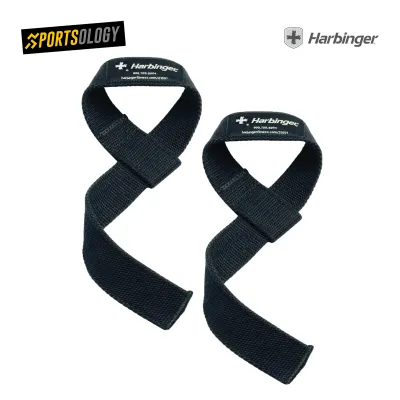
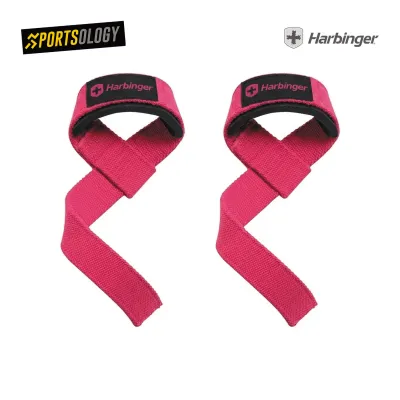
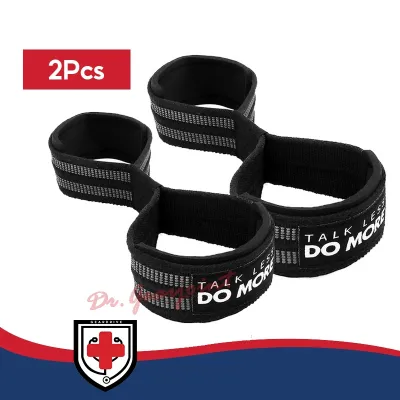
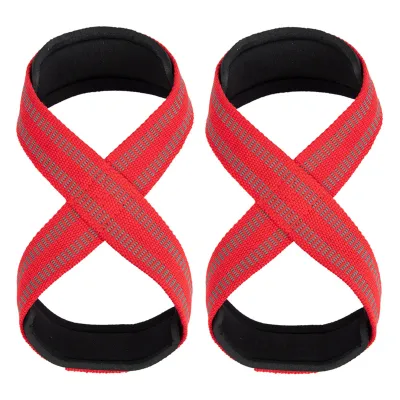
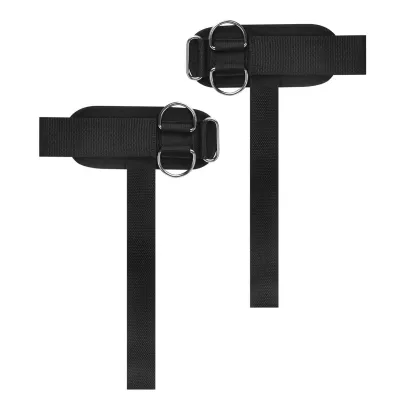
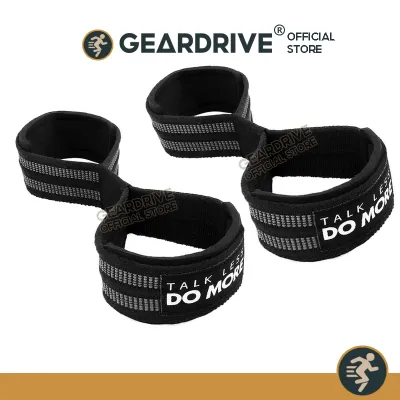
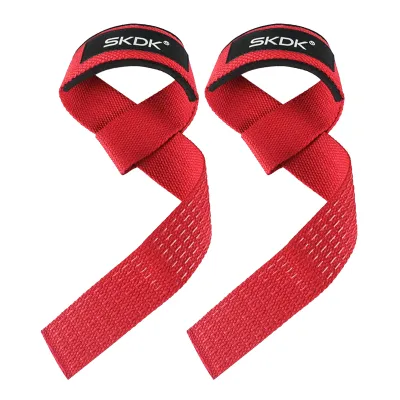
Prices are valid at publication and may change. Please refer to the product page for the latest price.
Conversely, straps are entirely ineffective and highly dangerous for pushing or pressing exercises. During movements like the bench press, overhead press, or push-up, the weight rests directly in the palm of your hand, meaning there is no pulling force to secure. Wrapping straps around a bar during a press serves no functional purpose and can dangerously trap your wrists to the barbell if you need to dump the weight in an emergency.
Recognizing the signs of genuine grip fatigue is key to using straps productively. If you find your fingers slowly uncurling, the bar sliding toward your fingertips, or your forearms burning intensely while your back muscles still feel underworked, grip fatigue is limiting your progress. In these moments, transitioning to straps allows you to complete your working sets safely and keep the focus on the primary muscle groups.
To preserve and build your raw grip strength, establish clear conditions for skipping straps. Perform all of your warm-up sets and lighter working sets with your bare hands. Only introduce straps during your heaviest working sets when your grip becomes the primary bottleneck. This balanced approach ensures you continue to develop forearm strength while still reaping the muscle-building benefits of heavier loads.
How to Choose and Prepare Your Lifting Straps
Selecting the right lifting strap depends on your specific training goals, wrist size, and the environment where you train. The three most common styles offer distinct advantages:

- Lasso Straps: The most versatile and widely used style. They feature a pre-made loop that secures around the wrist, making them highly adjustable for different wrist sizes and bar thicknesses. They are excellent for general bodybuilding and powerlifting.
- Figure-8 Straps: These consist of two large loops that form an '8' shape. You slip your wrist through one loop, pass the strap under the bar, and thread your wrist through the second loop. This design locks you securely to the bar, making it a favorite for heavy deadlifts, though it is more difficult to release quickly.
- Speed or Single-Loop Straps: A simple strip of material sewn together at the ends. These are favored by Olympic weightlifters because they allow for a rapid, clean release if a lift must be aborted.
Before purchasing, verify the manufacturer’s specifications for weight limits, material composition, and intended use. Cotton straps are soft, comfortable, and highly effective at absorbing sweat in humid conditions, though they may stretch slightly over time. Nylon straps are exceptionally durable and resistant to stretching, but they can feel slick against the skin when wet. Leather straps offer a premium, molded fit once broken in, but they require specialized care to prevent drying and cracking.
Your physical environment also dictates your choice. If you train in a non-air-conditioned local gym where sweat is a constant factor, cotton or textured nylon straps will provide better friction than smooth leather. Additionally, always match the strap width to your hand size; wider straps offer more surface area but can feel bulky if you have smaller hands.
Before every workout session, perform a mandatory safety inspection of your straps. Check the stitching along the loops for any signs of fraying, unraveling, or stretching. Inspect the main body of the strap for tears, thinning material, or structural weakness. If you observe any of these signs, discard the straps immediately. Using compromised gear under heavy loads poses a severe risk of sudden failure mid-lift.
Step-by-Step Technique for Wrapping and Lifting
Step 1: Threading and Positioning
Begin by threading the straight tail of the lasso strap through the sewn loop to create a circular opening. Slip your hand through this opening so that the tail of the strap lies flat against your palm, running directly in line with your thumb and index finger. Pull the tail to tighten the loop around your wrist. The loop should sit snugly just above your wrist bone, flat against your skin without twisting or bunching.
Step 2: Positioning the Strap on the Bar
Approach the barbell or dumbbell and place your hand over it. Take the hanging tail of the strap with your opposite hand and wrap it under the bar from back to front. This direction is crucial: the strap must wrap in the opposite direction of your fingers to create the necessary friction. Wrap the tail tightly around the bar once or twice. Avoid overlapping the strap excessively on a single spot, as this creates a thick, awkward grip that is difficult to hold.
Step 3: Securing the Grip and Engaging
Once the strap is wrapped, place your hand directly over the wrapped material, securing it firmly with your fingers. To remove any remaining slack, use a motorcycle-throttle motion: rotate your hand and the bar slightly toward you until the strap feels tight and secure against your wrist. Before initiating the pull, engage your upper back, core, and shoulders. Keep your wrists in a neutral, strong position; do not allow the strap to pull your wrists into hyperextension, as the strap is meant to assist your grip, not support your joint structure.
Step 4: Executing and Releasing Safely
Perform your lift with controlled, deliberate form, maintaining a firm squeeze on the bar throughout the movement. When you complete your set, lower the weight safely and under control to the floor or rack. Once the weight is supported by the ground, simply open your hands. The strap will naturally unwrap and release the bar. Never drop the weight abruptly or let go of the bar mid-air, as this can cause the strap to yank violently on your wrist.
Common Mistakes and Safety Boundaries
One of the most frequent errors is wrapping the strap in the same direction as your fingers. When wrapped this way, the strap will simply unravel as soon as tension is applied, offering zero grip support and potentially causing the bar to slip unexpectedly. Always double-check that the strap goes under the bar first, wrapping upward toward your palm.
Another common mistake is wrapping the strap over your thumb. Your thumb must remain free to wrap around the bar and lock over your fingers, just as it would during a standard grip. Trapping your thumb under the strap compromises your hand’s natural gripping mechanics and reduces your overall control of the weight.
Never use lifting straps for exercises where you must be able to dump the bar quickly to avoid injury. This includes Olympic lifts such as the clean and jerk or the snatch, as well as overhead lifts where the bar could fall backward. If a lift fails and you are locked to the bar with lasso or figure-8 straps, you risk severe injury to your wrists, elbows, and shoulders.
Establish strict, immediate stop conditions during your lifts. If you feel sharp wrist pain, if you notice the strap slipping or unraveling mid-rep, or if your lifting form begins to deteriorate, safely abort the lift. Do not attempt to muscle through a repetition if your equipment or your body signals that something is wrong.
Cleaning and Maintaining Your Lifting Straps
Because lifting straps absorb sweat, skin oils, and gym chalk, they can quickly become a breeding ground for bacteria and unpleasant odors, especially in warm, humid climates. Regular maintenance is essential to preserve both hygiene and the structural integrity of the material. Always refer to the manufacturer’s care label for specific washing instructions.
For cotton and nylon straps, hand-washing in cold water with a mild detergent is the safest method. Gently scrub the fabric to remove built-up dirt and chalk, then rinse thoroughly with clean water. Avoid using harsh bleach or fabric softeners, as these chemicals can degrade the synthetic fibers of nylon or weaken the natural weave of cotton. Leather straps should never be submerged in water; instead, wipe them down with a damp cloth and apply a specialized leather conditioner periodically to keep them pliable.
After washing, air-dry your straps completely before storing them. Hang them in a well-ventilated indoor area away from direct tropical sunlight, as intense UV rays can weaken nylon fibers and dry out leather. Never toss damp straps into a closed gym bag, as the trapped moisture will encourage mold and mildew growth, which rapidly breaks down the fabric and ruins the gear.
Frequently Asked Questions (FAQ)
Do lifting straps weaken your grip strength?
Lifting straps do not inherently weaken your grip strength if they are used strategically. If you rely on them for every exercise and set, your forearm and hand muscles will miss out on valuable training stimulus. However, by using them only on your heaviest working sets, you can continue to build raw grip strength during your warm-ups while still allowing your target muscles to experience maximum overload.
Can I use lifting straps for pushing exercises like bench presses?
No, you should never use lifting straps for pushing exercises. Straps are designed exclusively to assist with pulling forces by wrapping around a bar to prevent it from rolling out of your hands. In pushing movements like the bench press, the bar rests naturally in your palm, making straps completely useless. Furthermore, wrapping your wrists to the bar during a press is highly dangerous, as it prevents you from safely releasing the weight if you lose control.
Community discussion
Share your experience or ask a question. Comments are reviewed before publication.