
Securing gear efficiently during a mountain climb can mean the difference between a smooth trek and losing valuable equipment on a rugged trail. When navigating steep ascents or dense tropical forests, keeping your gear compact and stable is essential. A stretchable rubber rope, commonly known as a bungee cord, serves as an excellent utility tool for lashing down lightweight items, compressing bulky packs, and adding flexibility to camp setups.
However, utilizing elastic cordage in a high-consequence mountain environment requires a clear understanding of its mechanical limits. Unlike static utility lines or climbing ropes, elastic cords behave dynamically under tension, introducing unique safety risks and physical constraints. Knowing how to select, inspect, and rig these cords properly ensures your gear remains secure without compromising your safety on the trail.
Understanding the Role and Safety Limits of Stretchable Rubber Rope
Before packing a stretchable rubber rope for your next climb, you must define its specific role in your gear system. This tool is designed strictly for auxiliary tasks, such as organizing, compressing, and securing non-essential external gear. It excels at holding items that require quick access or need to be compressed, such as rain jackets, sleeping pads, or empty water bottles.
Products mentioned in this guide
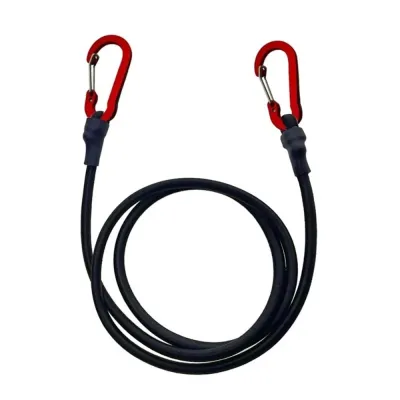
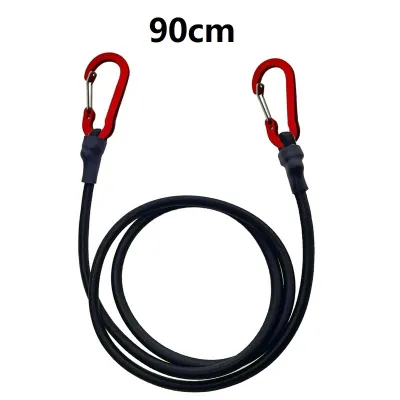

Prices are valid at publication and may change. Please refer to the product page for the latest price.
Under no circumstances should elastic cordage be integrated into life-safety systems. It must never be used for climbing, rappelling, anchoring, fall protection, or bearing any human weight. The internal rubber core and woven synthetic sheath lack the tensile strength, structural integrity, and standardized certifications required to support human life. Using it in this manner invites immediate, catastrophic failure.
Another critical safety consideration is the physical hazard of snapback. When a stretchable rubber rope is pulled near its elastic limit, it stores a significant amount of potential energy. If a hook slips, a knot unties, or the rubber core snaps under high tension, the cord will recoil violently toward its anchor point. This rapid snapback can cause severe injuries, particularly to the eyes and face, or damage surrounding equipment.
To mitigate these risks, always treat tensioned elastic cords with caution. Never stand directly in the line of tension when securing or releasing a cord, and avoid stretching any rubber tie-down to its absolute physical limit. Understanding these baseline safety boundaries is the first step toward using elastic cordage effectively on the mountain.
Preparing Your Rope and Gear Before the Climb
A successful climb begins long before you reach the trailhead, starting with a rigorous inspection of your gear. Because stretchable rubber ropes degrade over time due to friction, tension, and environmental exposure, a pre-trip check is non-negotiable. Inspecting your cordage at home prevents gear failures in remote areas where replacements are unavailable.

Begin your inspection by closely examining the outer protective sheath of each cord. Look for signs of fraying, cuts, or abrasions that expose the inner rubber strands. Next, gently stretch the cord to check for cracks, dry rot, or localized thinning in the rubber core itself. If the core feels brittle, lumpy, or lacks resistance, the rubber has degraded and the cord must be retired.
Inspect the attachment hardware at both ends of the rope, whether they are metal hooks, plastic toggles, or integrated carabiners. Metal hooks should be checked for rust, corrosion, and bending, while plastic components must be inspected for hairline cracks or deformation. Any hardware that shows structural compromise can slip or fail under tension, creating a dangerous snapback hazard.
Selecting the right cord thickness and length for your intended tasks is equally important. Thicker cords, typically 8mm to 10mm in diameter, provide the high tension necessary for heavy tarps or bulky external loads. Thinner cords, around 4mm to 6mm, are better suited for securing lightweight jackets or organizing small items inside or outside your pack.
Finally, always pack a selection of non-stretch alternatives alongside your elastic cords. While stretchable rubber rope is excellent for absorbing sudden shocks, static lines like paracord or utility cord are necessary for load-bearing tie-downs. Having both options allows you to adapt your rigging strategy to changing trail conditions and gear requirements.
Practical Techniques for Securing Backpacks and Shelters
Applying the correct rigging techniques on the trail ensures your gear remains stable and your camp shelter stays secure. Whether you are lashing equipment to your pack during a steep ascent or tensioning a tarp against a sudden tropical downpour, proper execution is key.
Attaching External Gear to Your Backpack
Lashing bulky or wet items to the exterior of your backpack is a common way to free up internal volume. Items like closed-cell foam sleeping pads, tent poles, or damp rain gear are ideal candidates for external lashing. To secure these items safely, use a systematic lacing pattern that distributes tension evenly across your pack’s built-in attachment points or daisy chains.
Avoid the temptation to stretch a single short cord across a wide distance to reach far-off loops. Overstretching a rubber cord reduces its overall holding power, deforms the elastic core, and increases the risk of a violent release. Instead, use multiple cords of appropriate length, or link cords together using secure connection points to span larger distances without exceeding safe tension limits.
To adjust the length of a cord safely without overstretching it, wrap the excess length around the gear or the pack’s frame before securing the hook. You can also use simple toggle knots or attach a secondary, lightweight carabiner to shorten the effective length of the rope. This method maintains optimal tension while keeping the hardware securely anchored to your pack.
Ensure that the secured gear is balanced and does not shift as you move. An unbalanced load can alter your center of gravity, making navigation on steep or slippery trails hazardous. Double-check that no loose ends of the cord are dangling where they could snag on passing branches, rocks, or trail obstacles.
Tensioning Tarps and Shelters in Humid Weather
In tropical climbing environments, such as the humid mountains of the Philippines, weather conditions can shift rapidly from intense heat to torrential rain. When setting up camp, incorporating stretchable rubber rope into your shelter system can significantly improve its wind and water resistance.
Using a short segment of stretchable rubber rope as a shock absorber on your tarp guylines is a highly effective technique. By tying a loop of elastic cord in line with a static paracord guyline, you create a dynamic tensioning system. When sudden wind gusts hit the tarp, the rubber loop stretches to absorb the energy, preventing the wind from tearing the fabric or pulling your tent stakes out of the soft, wet soil.
However, high humidity and heavy rain present unique challenges for elastic materials. Wet rubber can temporarily lose some of its elasticity, and moisture reduces friction, making hooks more prone to slipping off smooth surfaces. To combat this, avoid relying solely on a hook’s grip on wet branches, slick bamboo poles, or smooth river rocks.
Instead, secure your lines using reliable friction knots, such as a taut-line hitch or a midshipman’s hitch, on the static portion of the guyline. Connect the stretchable rubber loop to the anchor point using a closed loop or a locking carabiner rather than an open hook. This configuration ensures that even if the camp area becomes saturated with moisture, your shelter remains tensioned and secure throughout the night.
Critical Mistakes and Trail Safety Warnings
Even experienced climbers can make errors when using elastic cordage under the physical fatigue of a long trek. Recognizing and avoiding these common mistakes is essential for protecting your gear, your shelter, and your physical safety on the mountain.
One frequent mistake is routing attachment hooks facing outward from your backpack or gear setup. When navigating dense tropical brush, overgrown trails, or narrow ridges, outward-facing hooks can easily snag on branches, vines, or bamboo. This snagging can yank you off balance, tear your pack fabric, or suddenly release the tensioned cord, causing it to snap back toward you. Always route hooks facing inward, or use gated carabiners to eliminate the risk of snagging.
Another common error is stretching the rubber rope beyond 50% of its resting length. While these cords are designed to stretch, exceeding this threshold places extreme stress on both the rubber core and the outer sheath. Overstretching accelerates material fatigue, deforms the internal rubber strands permanently, and brings the cord dangerously close to its breaking point. Keep your stretches moderate and use longer cords if more reach is required.
Avoid using stretchable rubber ropes to secure sharp, heavy, or highly abrasive equipment, such as crampons, ice axes, or metal cooking grates. The sharp edges of these tools can easily slice through the protective woven sheath, exposing the rubber core to rapid wear and eventual failure. For sharp or heavy gear, always use static webbing straps, heavy-duty utility cords, or dedicated gear straps that offer superior cut resistance.
Always adhere to a strict “stop and reassess” rule on the trail. If you notice a cord has suffered a partial tear, has exposed core strands, or has a bent hook, stop using it immediately. Continuing to use a compromised elastic cord under tension is a safety hazard that often results in lost gear or physical injury. Discard the damaged cord and transition to your packed spare cordage or static backup lines.
Finally, prioritize physical safety whenever you are tensioning or releasing a rubber rope. Keep your face, eyes, and body out of the direct path of the tension line. Hold the hook securely during both application and release, and never let go of a tensioned cord abruptly. A single slip can result in a high-velocity impact that can cause severe facial trauma or permanent eye damage.
Post-Climb Care and Storage for Tropical Climates
Proper post-climb maintenance is crucial for extending the lifespan of your stretchable rubber ropes, especially after exposure to hot, humid tropical climates. Moisture, sweat, trail mud, and organic matter like tree sap can rapidly degrade both the synthetic outer sheath and the natural or synthetic rubber core if left untreated.
Upon returning from your climb, begin the cleaning process by washing the cords to remove all trail debris. Use a mild, non-detergent soap and lukewarm water to gently scrub away mud, salt from sweat, and sticky tree sap. Avoid using harsh chemical solvents, bleach, or boiling water, as these substances can break down the chemical structure of the rubber core and weaken the outer sheath fibers.
After washing, dry the cords thoroughly before storing them. Hang them to air-dry in a well-ventilated, shaded area. Never place stretchable rubber ropes in a mechanical dryer or leave them to dry in direct, intense sunlight. Ultraviolet (UV) radiation is highly destructive to rubber, causing it to become brittle, crack, and lose its elasticity—a process often accelerated by tropical heat.
Once the cords are completely dry, store them loosely coiled in a cool, dry, and dark environment. Avoid storing them tightly wound around gear, kinked, or left under constant tension, as prolonged stretching permanently deforms the elastic core and reduces its future holding power. Keep them away from ozone-producing appliances, such as electric motors or heaters, which can accelerate rubber degradation.
Frequently Asked Questions (FAQ)
Can I use stretchable rubber rope as a climbing safety line?
No. Stretchable rubber rope is strictly an auxiliary tool for securing and organizing gear. It lacks the structural design, tensile strength, UIAA or CE safety certifications, and dynamic load-bearing capacity required for climbing, belaying, rappelling, or fall arrest systems. Using it as a safety line will result in catastrophic failure under the force of a human fall.
How often should I replace my rubber gear cords?
There is no fixed calendar timeline for replacing rubber gear cords, as degradation depends on usage frequency and environmental exposure. You must replace your cords immediately if you observe any signs of wear, including a frayed outer sheath, exposed or broken inner rubber strands, permanent loss of elasticity, or rusted and deformed hooks. Regular inspection is the best way to determine when a cord has reached the end of its service life.
Community discussion
Share your experience or ask a question. Comments are reviewed before publication.