
To verify if a badminton original racket set is genuine when shopping online in the Philippines, you must look beyond the product listing photos. Authenticating a racket involves a multi-step process: evaluating the seller’s credentials before buying, inspecting the physical construction and paint finish upon delivery, and verifying the unique serial numbers through official manufacturer databases. With the rise of highly convincing counterfeit sports gear on local e-commerce platforms, taking these precautions ensures you invest in equipment that is safe, durable, and capable of supporting your development on the court.
Understanding the Risks of Counterfeit Racket Sets
In badminton, a racket is subjected to intense dynamic forces during fast clears and smashes. Genuine rackets are engineered using high-grade carbon fiber composites designed to withstand these sudden impacts and high string tensions. Counterfeit rackets, however, often utilize cheap aluminum, low-grade graphite, or recycled plastics masked by a professional-looking paint job. This poor material quality significantly increases the risk of structural failure.
A fake frame can warp, crack, or completely snap during a powerful swing or during the stringing process. When a racket breaks under tension, the sudden release of energy can cause sharp carbon fragments or metal pieces to fly off, posing a severe risk of eye or facial injuries to you, your partner, or opponents on the court.
Products mentioned in this guide
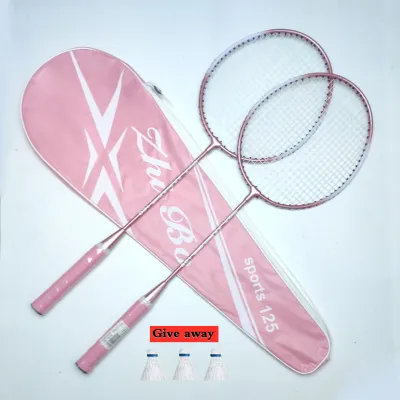
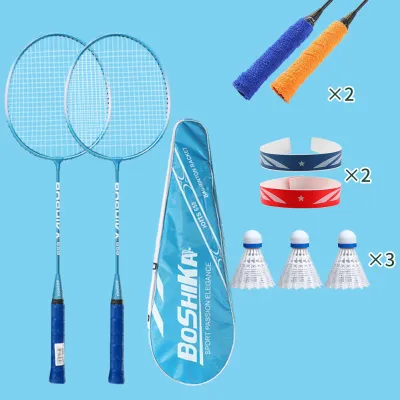
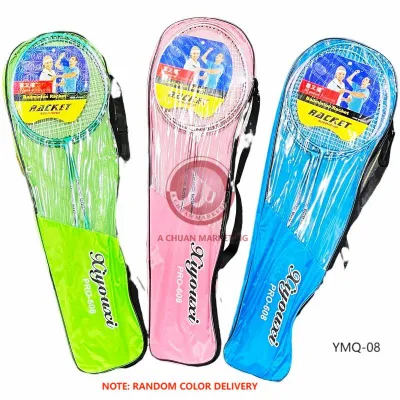
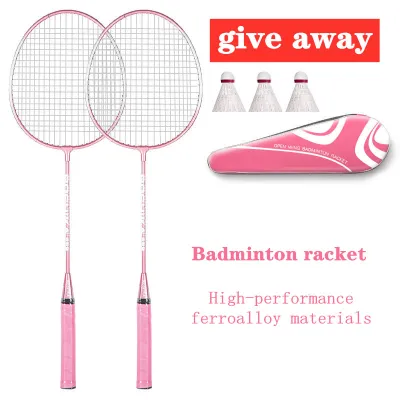
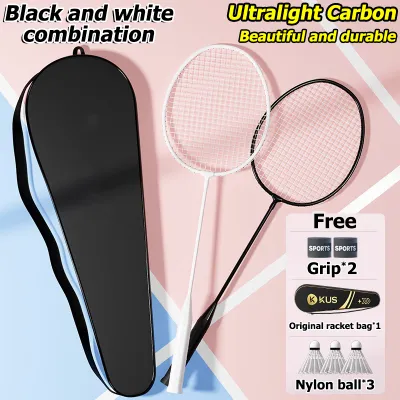
Prices are valid at publication and may change. Please refer to the product page for the latest price.
Furthermore, buying unauthorized gear means you forfeit all consumer protections. Original manufacturers and authorized local distributors in the Philippines do not offer warranties, repair services, or replacement guarantees for counterfeit products. If a fake racket breaks on its first day of use, you are left with a total loss and no recourse for a refund.
Physical and Visual Inspection Checklist
Once your package arrives, conduct a thorough visual audit before removing any protective wraps or tags. Start with the paintwork and decals. Genuine manufacturers use advanced, high-precision printing techniques that result in crisp lines, vibrant colors, and perfectly aligned logos. On counterfeit rackets, you will often find minor paint runs, blurry text, misaligned decals, or spelling mistakes in the technical specifications printed on the shaft.

Pay close attention to the T-joint—the intersection where the frame meets the shaft. Original rackets feature a seamless, smooth transition, whereas fakes may show visible seams, rough glue residue, or uneven molding.
Next, examine the handle and cone cap. Remove the grip wrap to inspect the base wood. Genuine rackets use clean, light-colored, high-quality wood that is smoothly finished. Counterfeit models often use cheap, dark, splintered, or rough wood that feels uneven under pressure.
The cone cap, located just above the handle, is a critical area for verification. Original rackets feature deeply and cleanly engraved serial numbers and brand logos on this cap. If the lettering is merely printed, shallowly etched, or uses an inconsistent font style, the racket is highly likely to be a counterfeit.
Finally, check the physical specifications. While you may not have laboratory equipment, you can use a simple digital scale to check the racket’s weight against the manufacturer’s official weight class (such as 3U, 4U, or 5U). A genuine racket will match its specified weight class within a fraction of a gram, whereas a fake often deviates significantly due to inconsistent material density. You can also balance the racket on your finger to check if the balance point aligns with the head-heavy, even-balance, or head-light specifications advertised by the brand.
Evaluating Online Sellers and Storefronts
Preventing a counterfeit purchase starts long before checkout. When browsing local e-commerce platforms in the Philippines, prioritize official flagship stores or shops marked with platform-verified mall or preferred badges. These sellers are typically vetted and must provide proof of authorization from the brand’s official distributors.
If you are buying from a third-party seller, ask them directly for their certificate of authenticity or proof of purchase from an authorized wholesaler. Be highly skeptical of sellers who refuse to provide these details or offer vague excuses.
Customer reviews are an invaluable resource, but they must be analyzed critically. Do not just look at the overall star rating; filter the reviews to read the one-star and two-star feedback. Look for specific complaints mentioning “fake,” “class A,” “imitation,” or “snapped on first stringing.” Be wary of reviews that seem overly generic or use identical phrasing across multiple accounts, as these can be fabricated.
Additionally, pay attention to the pricing. While online sales and vouchers can offer modest discounts, a genuine, high-quality badminton original racket set has a baseline manufacturing and distribution cost. If a seller lists a premium racket set for ₱500 when the standard retail price across authorized local shops is ₱5,000, the extreme price discrepancy is a definitive red flag. Genuine premium rackets are never sold at a 90% discount, regardless of “warehouse clearances” or “direct-from-factory” claims.
Using Official Brand Verification Tools
Major badminton brands have developed sophisticated security measures to help players verify their gear. When your racket set arrives, look for security holograms, scratch-off panels, or QR codes, which are typically located on the cone cap, shaft, or the original packaging hangtags. Genuine holograms are difficult to replicate; they should shift colors smoothly and display distinct multi-layered patterns when tilted under a bright light.
Many brands feature a scratch-off area that reveals a unique, one-time-use security code. To verify this code, visit the manufacturer’s official global website or use their dedicated mobile authentication app. Enter the serial number or scan the QR code exactly as shown. The system should confirm that the product is genuine and, crucially, indicate that this is the first time the code has been queried.
Be aware of the limitations of these verification systems. Sophisticated counterfeiters sometimes copy a genuine serial number and print it on thousands of fake rackets. If the official website states that the code has already been checked dozens of times, or if the registration date is in the past, you are holding a counterfeit product.
Additionally, ensure you are accessing the actual, official brand website. Some counterfeiters print fake QR codes that redirect your smartphone to a cloned, look-alike verification website designed to falsely confirm the product’s authenticity. Always double-check the URL in your browser’s address bar to ensure it matches the brand’s official domain.
Steps to Take If You Suspect a Counterfeit Purchase
If your inspection or serial number check reveals that the racket set is fake, act quickly to protect your money. Start by documenting everything. Before you even open the shipping box, take clear photos of the shipping label, tracking number, and the sealed packaging. Record a continuous, unedited video of the unboxing process, showing the racket from all angles, focusing closely on the serial numbers, paint imperfections, and any security tags. This video serves as indisputable evidence during the dispute process.
Next, initiate a return and refund request immediately through the e-commerce platform’s built-in buyer protection system. Select the appropriate reason, such as “received a counterfeit product” or “item not as described,” and upload your photos, unboxing video, and screenshots of the failed official verification page. Do not click the button to confirm receipt or complete the order, as this can release the funds to the seller and make getting a refund much more difficult.
If the platform or the seller disputes your claim, you can contact the brand’s official local distributor in the Philippines. While they cannot directly refund your money, they can often provide an official statement or confirmation of non-authenticity based on your photos and serial numbers, which you can submit to the e-commerce platform to expedite your refund.
Frequently Asked Questions (FAQ)
Can a fake badminton racket be strung at high tensions?
No, counterfeit rackets cannot safely handle high string tensions. Genuine rackets are built with high-modulus carbon fiber and reinforced T-joints designed to withstand tensions of 24 to 30 lbs or more. Fake rackets are made from inferior materials that lack this structural strength. Attempting to string a counterfeit racket at standard or high tensions will usually cause the frame to warp, collapse, or snap entirely under the pressure, rendering the racket useless and posing a safety hazard.
Do original racket sets always come with a branded cover?
Not necessarily. While many premium original racket sets include a high-quality, branded thermal cover or full-length carrying bag, packaging configurations vary. Some genuine entry-level or mid-range rackets are sold with only a head cover, a simple cloth pouch, or even no cover at all, depending on the specific model, region, and promotional bundle. Because accessories can easily be packaged with fake rackets or omitted from genuine ones, you should never rely on the presence of a cover as proof of authenticity. Always prioritize serial number verification and physical build quality.
Community discussion
Share your experience or ask a question. Comments are reviewed before publication.