
To verify if a Jump Manila store is official and ensure your fitness accessories are authentic, you must cross-reference the seller with the brand’s verified digital channels, look for platform-certified badges, and inspect the physical build quality of the items. With the rising popularity of skipping and home workouts in the Philippines, counterfeiters frequently target high-demand fitness gear. Ensuring you purchase genuine equipment protects your investment and guarantees your safety during intense training sessions. Buying from unverified sources often leads to receiving substandard materials that degrade quickly under local weather conditions.
Quick Guide to Verifying Jump Manila Authenticity
Confirming the legitimacy of your fitness gear before completing a purchase saves time, money, and potential injury. The most reliable method is to cross-reference any online seller with the brand’s official website and verified social media pages. Official brands maintain a list of authorized distributors and direct retail links.
When shopping on major e-commerce platforms, look for official store tags, such as “Mall” or “Authorized Seller” badges. These indicators show that the platform has verified the seller’s business registration and trademark ownership.
Products mentioned in this guide
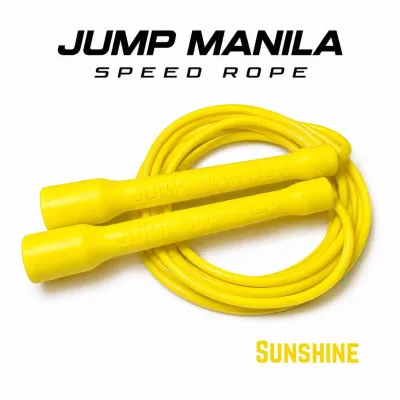
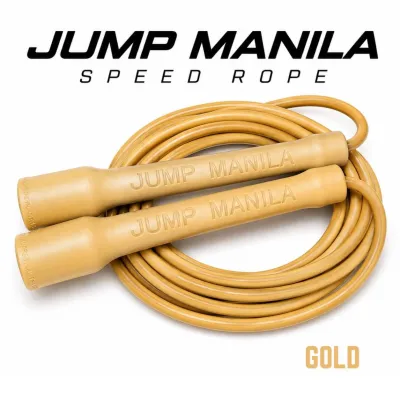
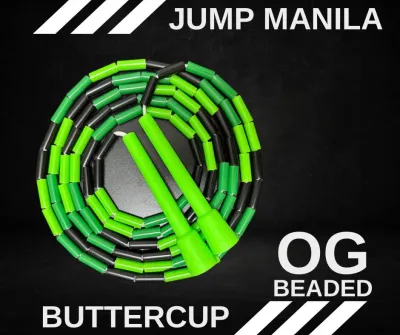
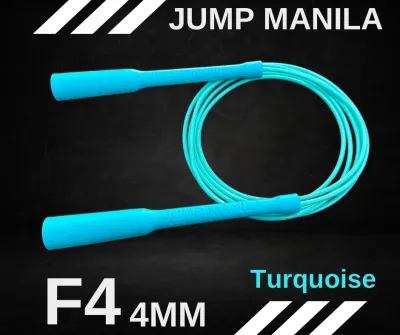
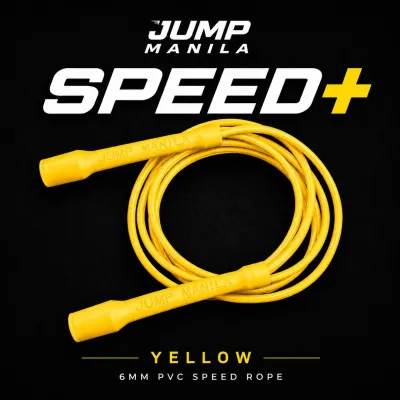
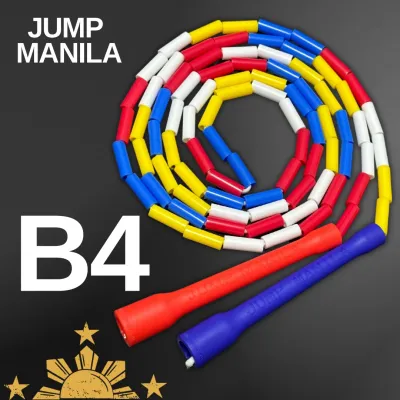
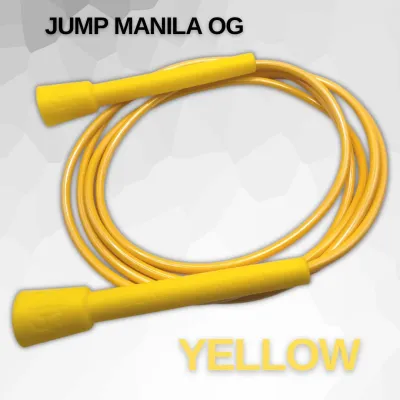
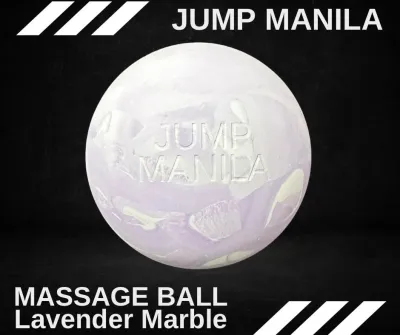
Prices are valid at publication and may change. Please refer to the product page for the latest price.
Finally, treat physical inspection upon delivery as your ultimate safeguard. Before using any jump rope, yoga mat, or resistance band, examine the packaging, logo alignment, and material texture. If the product feels flimsy or lacks proper branding, hold off on confirming the receipt of your order.
How to Identify an Official Jump Manila Store
Finding the genuine source requires a systematic approach to digital verification. Start by navigating directly to the official brand website. Authentic brands typically feature a dedicated store locator page or a published directory of authorized online and physical retailers. If a seller’s name or platform store does not appear on this list, exercise extreme caution.

Social media channels serve as another critical verification tool. Instead of relying on standalone pages that copy the brand’s imagery, always verify social media links by ensuring they are linked directly from the official brand website. Counterfeiters often set up lookalike pages with high follower counts bought through third-party services. Check the page creation date, contact information, and whether the official brand account interacts with or vouches for the page.
On major online marketplaces, pay close attention to platform-specific indicators. Official stores usually carry distinct badges, such as “Mall” or “Preferred” tags, which require strict business documentation to obtain. Review the seller’s detailed profile to check their business registration details, physical address, and customer feedback history. A legitimate store will display clear corporate registration, whereas unauthorized sellers often hide behind generic usernames and incomplete business profiles.
Inspecting Fitness Accessories for Authenticity
Once your fitness accessories arrive, a thorough physical inspection is necessary to confirm they are genuine. Counterfeit products rarely match the manufacturing standards of authentic brands, especially when subjected to the demanding tropical climate of the Philippines.
Begin with the packaging and labeling. Authentic Jump Manila products arrive in high-quality packaging featuring crisp, clear printing, correct brand logos, and accurate barcodes. Look for the inclusion of official warranty cards, care instructions, or authenticity certificates. Counterfeit items often use blurry graphics, misspelled words, or generic cardboard boxes without any branding.
Next, evaluate the material and build quality, keeping local environmental factors in mind. In high-humidity environments, low-grade materials degrade rapidly. For jump ropes, inspect the handles and the cable. Authentic ropes feature smooth-turning bearings and durable, consistent cable materials that do not become excessively stiff or sticky in warm weather. For yoga mats, check the grip consistency and density; authentic mats maintain their traction even when exposed to sweat, whereas cheap imitations often feel slippery or emit a strong, chemical plastic odor.
For resistance bands and gym gloves, look closely at the construction. Authentic gloves feature reinforced, double-stitched seams designed to withstand high tension and friction. Fake gloves often have loose threads, uneven stitching, and thin padding that offers little protection. Authentic resistance bands are made from high-grade latex or fabric with uniform elasticity and clean seams. Any uneven thickness, bubbles in the material, or fraying edges indicate a counterfeit product that could snap during use, posing a safety risk.
Before engaging in high-speed skipping or intense workouts, always perform a safety check on your equipment. Inspect the rope’s cable integrity and handle attachment points for any signs of wear or manufacturing defects. Remember that high-quality equipment cannot replace proper training, physical conditioning, and sound athletic judgment. Stop your workout immediately if you notice any sudden changes in the equipment’s structural integrity.
Finally, compare the physical specifications of the item against the official product catalog. Use a ruler or scale to check the weight, length, and width. Discrepancies in dimensions or weight are clear indicators of a counterfeit product.
Red Flags of Counterfeit Sellers and Products
Recognizing the warning signs of fraudulent listings can prevent you from making a costly mistake. The most common indicator of a counterfeit product is a pricing anomaly. If a listing offers a premium jump rope or yoga mat at a price significantly lower than the standard retail price in ₱, without any connection to an official brand-wide sale or holiday promotion, it is highly likely a fake. Genuine fitness gear requires quality materials that cannot be profitably sold at extreme discounts.
Suspicious seller behavior is another major red flag. Legitimate sellers communicate professionally, provide clear answers about product specifications, and readily share high-resolution photos of the actual stock and packaging upon request. If a seller avoids your questions, refuses to send real-time photos, or lacks a clear, platform-compliant return policy, do not proceed with the purchase.
Additionally, analyze the seller’s inventory consistency. Authorized stores maintain structured stock levels and focus primarily on genuine fitness gear. Be wary of listings that claim unlimited stock for highly sought-after, limited-edition items. It is also suspicious if a seller’s storefront mixes branded fitness accessories with unrelated, low-quality generic goods, such as cheap electronics or unbranded apparel. This lack of specialization often points to a wholesale importer of counterfeit merchandise.
What to Do If You Receive a Suspected Fake
If you suspect that the fitness accessories you received are counterfeit, you must act quickly to secure a refund and report the fraudulent activity.
First, document the evidence thoroughly. Take high-resolution photos and clear videos of the packaging, shipping labels, and the product itself. Focus on specific defects, such as misaligned logos, poor stitching, or incorrect materials. An unboxing video is highly effective evidence when filing disputes on major e-commerce platforms in the Philippines.
Next, initiate a return or refund request through the e-commerce platform’s buyer protection program. It is crucial to do this before confirming receipt of the item or clicking “Order Received.” Once you confirm receipt, the platform releases the funds to the seller, making it significantly harder to recover your money. State clearly that the item is counterfeit and upload your documented photographic and video evidence.
Finally, report the unauthorized seller to the platform’s customer support team to have their listing or store suspended. You should also notify the official Jump Manila customer support channels. Sharing the seller’s store name, product links, and photos helps the brand take legal action against counterfeiters, protecting the wider fitness community from substandard and potentially dangerous equipment.
Frequently Asked Questions (FAQ)
Can I verify authenticity using a QR code or serial number?
Yes, many premium fitness brands include unique QR codes, scratch-off security labels, or serial numbers on their packaging. To verify these, scan the code or enter the serial number only through the brand’s official website or verified mobile application. Avoid scanning QR codes that direct you to unverified, third-party websites, as counterfeiters often create fake verification portals to trick buyers into believing a counterfeit product is genuine.
Are authorized resellers always cheaper than the official store?
Authorized resellers may occasionally offer legitimate discounts, seasonal promotions, or bundle deals that make their prices slightly lower than the official flagship store. However, these prices will still align closely with standard market values. If a reseller offers a price that is drastically lower than the official retail price in ₱, it is a major red flag. Always verify the reseller’s authorization status on the brand’s official website, regardless of how appealing the discount seems.
Community discussion
Share your experience or ask a question. Comments are reviewed before publication.