
Investing in a premium tennis bag featuring the iconic Roland Garros branding is a significant step for any serious player looking to protect their rackets and gear. To ensure you are purchasing a genuine product rather than a low-quality counterfeit, you must perform a systematic verification process. This involves inspecting the physical craftsmanship of the bag, checking the accompanying documentation and packaging, and thoroughly vetting the seller or retail channel. In tropical climates where high humidity and intense heat can rapidly degrade substandard materials, verifying authenticity is not just about brand pride—it is about ensuring your gear survives the elements and protects your expensive rackets on and off the court.
Why Authenticity Matters for Premium Tennis Gear
A tennis bag is your primary line of defense for expensive rackets, strings, and court essentials. Genuine premium bags are engineered with specialized materials designed to withstand environmental stressors, such as high humidity and sudden tropical downpours. Counterfeit bags often cut corners on material quality, leading to rapid degradation, peeling synthetic leather, and structural collapse under the weight of multiple rackets. Furthermore, genuine bags frequently feature dedicated thermal compartments designed to protect racket tension from extreme heat, a feature that cheap replicas often mimic visually but fail to deliver functionally.
Beyond physical performance, purchasing an authentic product secures access to manufacturer warranties and reliable customer support. If a zipper fails or a strap seam gives way prematurely on a genuine bag, authorized dealers and manufacturers can offer repair or replacement services. Counterfeit purchases leave you with no recourse once the transaction is complete. Additionally, choosing authentic gear supports legitimate sports manufacturing and ethical labor practices, ensuring that the industry continues to innovate and produce high-quality equipment for players worldwide.
Products mentioned in this guide
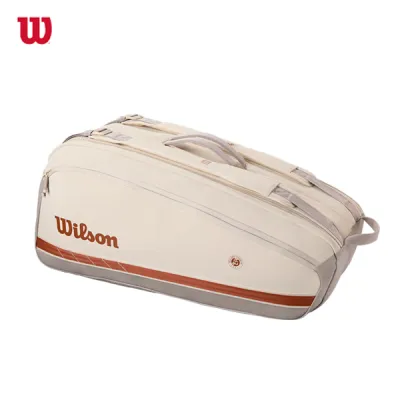
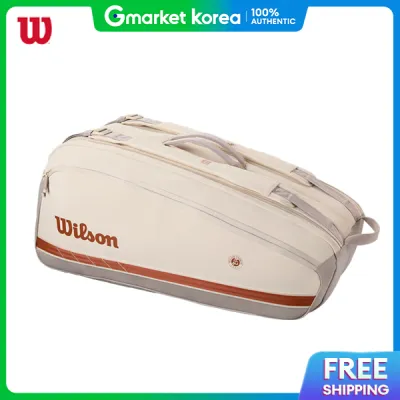
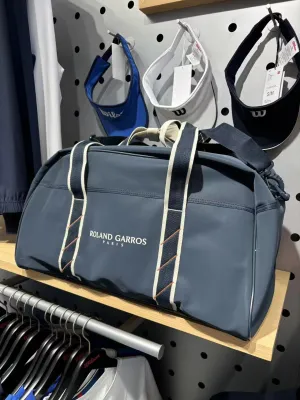
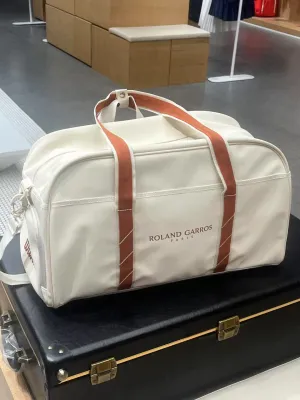
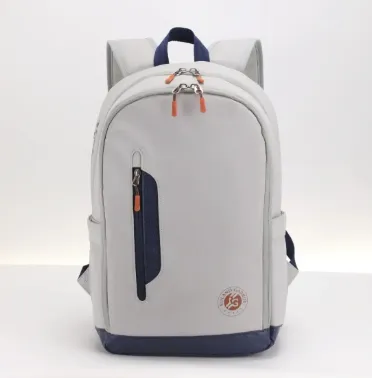
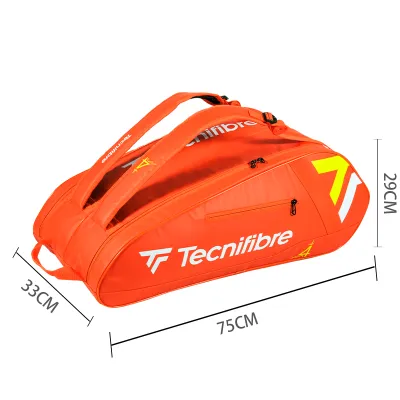
Prices are valid at publication and may change. Please refer to the product page for the latest price.
Physical Inspection: What to Look for on the Bag
The most immediate way to identify a counterfeit Roland Garros tennis bag is through a close physical inspection of its construction. Counterfeiters often replicate the overall silhouette of a bag but fail to match the precise manufacturing standards of genuine brands.

Logos and Branding: Begin by examining the official tournament logos and brand emblems. On a genuine bag, embroidered logos feature high stitch density, clean borders, and perfect alignment. There should be no loose threads connecting letters, and the font style must match official tournament branding exactly. Printed logos should be crisp, with sharp edges and uniform color saturation. Replicas often display slightly distorted fonts, uneven spacing between letters, or blurred edges where the print has bled into the fabric.
Stitching and Construction: Turn your attention to the seams and structural joints. Authentic bags are built to carry heavy loads, requiring tight, uniform stitching with high-quality, heavy-duty thread. Inspect the areas where the shoulder straps and carrying handles attach to the main body of the bag; these stress points should feature reinforced stitching, such as box-X patterns. Counterfeit bags frequently exhibit loose, uneven, or single-row stitching that can easily unravel under tension.
When selecting a bag, match the carrying method—such as dual backpack straps or single shoulder slings—to your typical commute or venue access. Genuine bags are designed with ergonomic, padded straps that distribute weight evenly, a feature that counterfeiters often compromise with thin, unsupportive padding.
Hardware and Zippers: Zippers are a critical failure point on low-quality bags. Genuine bags utilize premium, heavy-duty zippers that glide smoothly without catching or splitting. The zipper pulls are typically custom-molded with crisp, deeply engraved brand names or logos. In contrast, counterfeit bags often use lightweight, generic metal or plastic zippers that feel flimsy, operate roughly, and feature shallow, poorly defined engravings or painted logos that quickly chip away.
Materials and Interior: Feel the exterior fabric and inspect the inner lining. Genuine bags use durable, weather-resistant materials like high-grade polyester, polyurethane, or specialized composite fabrics that feel substantial and resist moisture. Verify the specific weather-resistance ratings or material specifications of the bag, especially if you play on outdoor courts exposed to sudden tropical rain. Authentic bags often feature water-resistant coatings and sealed zippers to protect your rackets, whereas replicas typically lack these protective treatments. The interior lining should fit snugly against the outer shell without excessive loose fabric. Pay close attention to the thermal racket compartments; authentic thermal linings are thick, reflective, and securely bonded, whereas fake bags often use thin, crinkly silver plastic that offers no actual thermal insulation.
Packaging, Tags, and Documentation Checks
Official packaging and documentation provide critical clues that counterfeiters frequently overlook or replicate poorly due to the high cost of printing and labeling.
Hangtags and Labels: Authentic bags come with high-quality cardstock hangtags featuring crisp, high-resolution printing. Check the text on these tags for spelling errors, grammatical mistakes, or unusual font choices, which are common in counterfeit batches. The barcodes and QR codes should be clearly printed and scan correctly, leading to official product pages or registration portals rather than generic search results or dead links.
Dust Bags and Accessories: If the bag includes a protective dust bag or additional accessory pouches, inspect their quality as well. Genuine dust bags are typically made of soft, durable non-woven fabric or cotton with a cleanly printed logo. Counterfeiters often include thin, easily torn plastic or synthetic dust covers with blurry, off-center branding.
Serial Numbers and Authenticity Cards: Many premium tennis bags feature internal tags with unique serial numbers, production codes, or authenticity cards. Verify the placement and format of these identifiers. The text should be perfectly aligned and printed on durable material. If the serial number is printed on a sticker, it should be firmly adhered and difficult to peel off.
Official Verification Guidelines: Because manufacturers periodically update their anti-counterfeiting measures, it is highly recommended to consult the brand’s official website or contact their customer service department directly. They can provide the most current guidelines regarding specific security features, holographic labels, or digital verification systems applied to the exact model you are looking to purchase.
Evaluating the Seller and Purchase Channels
Where and from whom you buy your tennis bag is just as important as the physical characteristics of the product itself. Choosing secure, verified channels significantly reduces the risk of encountering counterfeit goods.
Authorized Retailers: The safest way to purchase a genuine Roland Garros tennis bag is through official brand stores, authorized physical pro shops, or well-established, reputable sporting goods retailers. These businesses source their inventory directly from the manufacturers, guaranteeing authenticity and preserving your eligibility for warranty coverage.
E-commerce and Marketplaces: If you choose to shop on general online marketplaces, exercise extreme caution. Look for sellers with high positive feedback ratings, long-established operating histories, and clear, customer-friendly return policies. Avoid newly created seller accounts with generic names, minimal feedback, or reviews that seem repetitive and artificial. Always check the product photos provided by the seller; be skeptical of listings that rely solely on stock images rather than actual photos of the physical bag in stock.
Price Red Flags: Premium tennis gear is manufactured to high standards, and its pricing reflects the quality of materials and design. Be highly suspicious of prices that are significantly lower than the standard retail price in ₱. While seasonal sales and clearance events do occur, an authentic bag is highly unlikely to be sold at an extreme, unexplained discount. If a deal seems too good to be true, it is almost certainly a counterfeit.
Private Transactions: Engaging in peer-to-peer transactions on social media platforms or unverified classified sites carries a high level of risk. These transactions often lack buyer protection, formal receipts, and clear return policies. If you must buy through a private sale, arrange to meet in a safe, public location and perform a thorough physical inspection of the bag before handing over any payment.
What to Do If You Suspect a Counterfeit
If you have purchased a tennis bag and suspect it is a counterfeit, taking immediate, structured action can help you recover your funds and hold dishonest sellers accountable.
Preserve Evidence: Stop using the bag immediately to prevent any wear and tear that the seller could use to deny a return. Keep all original packaging, hangtags, dust bags, and shipping boxes. Document the transaction thoroughly by saving copies of the online listing, order confirmations, payment receipts, and all communication history with the seller. Take clear, high-resolution photographs of the suspected counterfeit details, such as messy stitching, misaligned logos, or flimsy hardware.
Initiate Disputes: If you purchased the bag through an online marketplace or ecommerce platform, initiate a formal dispute or return request immediately. Select the option indicating that the item is not as described or is a suspected counterfeit. Provide the platform administrators with your documented evidence and photos to support your claim. Most reputable platforms have buyer protection policies that cover counterfeit goods.
Contact the Brand: Reach out to the manufacturer’s official customer support team. While they may not be able to intervene directly in your transaction with an unauthorized seller, they can often confirm whether a serial number is valid or help verify specific design details from your photos. This official confirmation can serve as powerful evidence during your platform dispute.
Report the Incident: Report the fraudulent seller to the platform administrators to help protect other consumers from falling victim to the same scheme. You can also file a report with local consumer protection agencies to flag the seller’s activities.
Frequently Asked Questions (FAQ)
Can I authenticate a Roland Garros bag using a third-party app?
While some mobile applications claim to authenticate luxury goods and designer gear, their results generally lack official brand endorsement and are not legally binding. These apps rely on user-submitted photos and database comparisons, which can produce inaccurate results, especially for specialized sports equipment. For definitive verification, you should always rely on the brand’s official customer service channels, authorized physical dealers, or the security features detailed on the manufacturer’s official website.
Are secondhand Roland Garros tennis bags safe to buy?
Buying pre-owned premium tennis gear carries an elevated risk of encountering counterfeit products, as original packaging and receipts are often missing. To minimize this risk, ask the seller to provide the original purchase receipt, detailed high-resolution photos of the stitching, zippers, and internal tags, and information about where the bag was originally bought. When purchasing secondhand, prioritize using established resale platforms that offer built-in buyer protection and dispute resolution services rather than direct, unsecured peer-to-peer transfers.
Community discussion
Share your experience or ask a question. Comments are reviewed before publication.