
To ensure you are buying a genuine Molten basketball, you must verify the seller’s credentials before making a purchase. Finding a genuine molten official store online or visiting an authorized brick-and-mortar distributor is the most reliable way to avoid counterfeit products. Because basketball is a highly demanding sport, playing with a fake ball compromises ball control, ruins training consistency, and wastes your money.
In the Philippines, where basketball is played on everything from polished indoor hardwoods to rough, humid outdoor barangay courts, the durability of your equipment is paramount. Counterfeit basketballs are common on popular e-commerce platforms, but you can protect yourself by checking platform verification badges, cross-referencing official dealer directories, and inspecting the physical ball for specific manufacturing markers.
Why Authenticity Matters for Molten Basketballs
A basketball is not just a sphere of rubber or leather; it is a precision-engineered sports instrument. Genuine Molten basketballs, such as the widely used BG-Series, are designed with specific carcass tension, bladder construction, and surface textures to ensure a predictable bounce and optimal grip. When you train with an authentic ball, your muscle memory adapts to a consistent weight and rebound height, which is critical for shooting and dribbling development.
Products mentioned in this guide
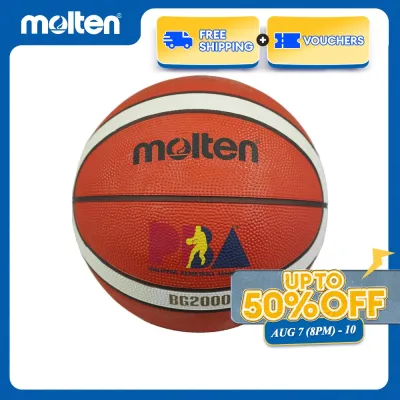
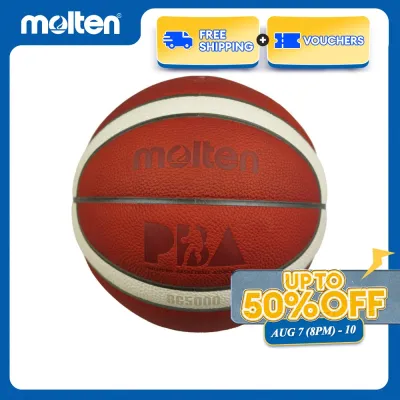
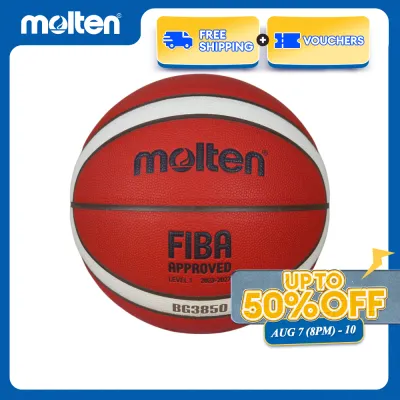
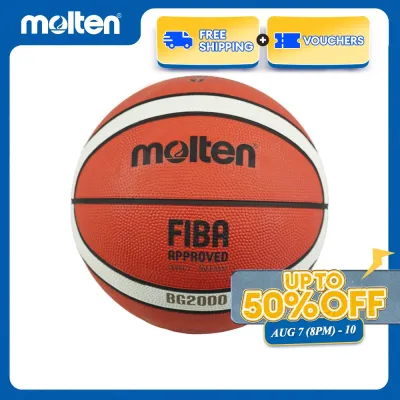
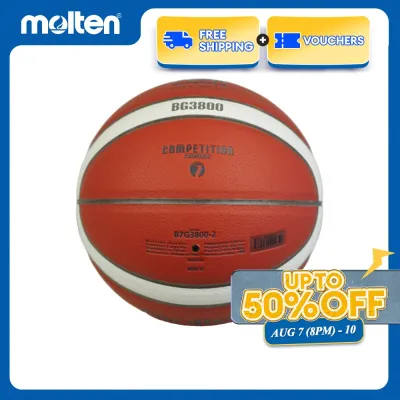
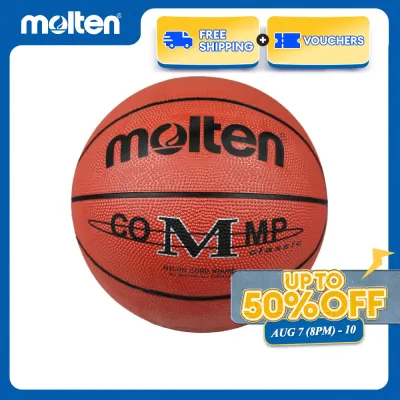
Prices are valid at publication and may change. Please refer to the product page for the latest price.
Counterfeit basketballs fail to replicate these technical specifications. Fakes often suffer from uneven weight distribution, causing the ball to wobble in the air or veer off-course during a pass. Furthermore, the materials used in counterfeit manufacturing are highly susceptible to the tropical climate of the Philippines. High humidity and intense heat can cause poor-quality adhesives to break down rapidly, leading to peeling panels, warped shapes, and sudden air leaks.
While counterfeit sports gear is highly prevalent across various online marketplaces, investing in a genuine product is a matter of safety and long-term value. A fake ball that loses its grip when exposed to sweat or dust on an outdoor court increases the risk of finger sprains or slips. By ensuring your ball comes from an authorized source, you guarantee a safer, more productive playing experience.
Finding a Genuine Molten Official Store Online
Navigating online marketplaces requires a critical eye, as many unauthorized sellers use official product images and branding to deceive buyers. To secure an authentic product, you must learn how to distinguish a verified molten official store from third-party copycats.

Recognizing Official Store Badges and Seller Metrics
When shopping on major e-commerce platforms in the Philippines, your first line of defense is looking for platform-verified badges. Official distributors and brand-owned storefronts are typically marked with specific tags such as “Mall,” “Official Store,” or “Preferred Seller.” These badges indicate that the platform has vetted the seller’s business registration and authorization documents.
However, badges alone should not be your sole point of verification. Always check the store’s performance metrics, including its overall rating (look for 4.8 stars or higher), the age of the store, and the response rate. A store that has been operating for several years with thousands of positive reviews is far more trustworthy than a newly created account. Read through the customer reviews and look specifically for verified buyer uploads showing photos and videos of the actual basketball received, paying close attention to the packaging and physical details. Be highly skeptical of listings offering prices that are dramatically lower than the standard retail price of known distributors.
Cross-Referencing Authorized Retailer Lists
To be absolutely certain of a seller’s legitimacy, cross-reference their store name with Molten’s official distributor directories. In the Philippines, the exclusive distributor of Molten products is well-documented. You can visit the official Molten Philippines website or their verified social media channels to find a list of authorized online partners and physical retail stores.
Many fraudulent sellers claim to be “authorized resellers” or “factory overstock outlets” to explain their low prices. If a seller is not listed on the official brand directory, ask them directly for their official distribution certificate. A legitimate dealer will have no issue providing proof of authorization. If they refuse, make excuses, or provide a blurry, easily faked document, do not proceed with the purchase.
Physical and Visual Checks: Spotting a Fake Molten Basketball
If you have already purchased a basketball or are inspecting one in a local shop, a close physical examination will quickly reveal whether the product is genuine. Molten maintains strict quality control standards that counterfeiters struggle to replicate.
Packaging, Tags, and Barcodes
Genuine Molten basketballs are packaged with care, reflecting the brand’s premium standards. Depending on the model, an authentic ball will arrive in a high-quality, branded cardboard box or a thick, cleanly printed polybag. The printing on the packaging should be sharp, with accurate colors, clear typography, and no spelling errors.
Examine the hangtags and product labels attached to the ball. Authentic tags feature crisp barcodes, clear model numbers (such as BG4500 or BG3800), and specific inflation instructions. Counterfeit products often feature blurry text, mismatched fonts, or barcodes that fail to scan. If you scan the barcode with a smartphone and it leads to an unrelated product or no search results at all, the ball is likely a fake.
Material Texture, Grip, and Valve Quality
The tactile feel of a basketball is one of the most reliable indicators of authenticity. Genuine Molten composite leather and natural leather balls feature a highly consistent, uniform pebble grain design that provides a secure grip even when your hands are sweaty. The channel seams are deep, clean, and evenly aligned around the panels.
In contrast, counterfeit balls often feel unnaturally slick, plasticky, or excessively sticky due to cheap chemical coatings. The seams on fakes are frequently shallow, uneven, or show visible glue residue spilling onto the panels. In the humid Philippine climate, these poorly glued seams will begin to lift and peel after just a few sessions on the court.
Additionally, inspect the air valve area. On a genuine Molten basketball, the valve is cleanly molded, perfectly centered, and sits flush with the surface of the ball. The rubber around the valve should feel firm and high-quality. Counterfeit balls often have crooked, protruding, or roughly cut valves that leak air slowly, requiring you to re-inflate the ball before every game.
Logos, Typography, and Print Alignment
Molten basketballs feature distinct branding, including the iconic 12-panel design, the brand logo, and official association stamps like the FIBA (International Basketball Federation) approval logo. On an authentic ball, these markings are deeply embossed or seamlessly integrated into the outer material. The lettering is perfectly aligned, sharp, and uses the correct proprietary fonts.
Counterfeit manufacturers often fail to match these precise printing standards. Look closely for misaligned logos, incorrect font weights, or spelling mistakes in the small print. On fake balls, the logos are often cheaply printed or heat-transferred onto the surface, meaning they will quickly peel, fade, or bleed into the seams when exposed to friction and sweat.
Official Verification Methods and Tools
To combat the rise of counterfeit sports equipment, Molten has integrated specific security features on its premium models. If you are purchasing high-end leather or composite game balls, such as those used in official tournaments, you can utilize these manufacturer-provided verification tools.
Many premium Molten basketballs distributed in the Southeast Asian market feature a holographic authenticity sticker on the surface or the packaging. This sticker contains a unique serial number and a scratch-off section revealing a verification code. You can scan the accompanying QR code or visit the official Molten verification portal on your smartphone to enter this code and instantly verify if your product is registered in their database.
Keep in mind that these advanced digital tracking features are typically reserved for mid-to-high-tier models. If you are purchasing an entry-level rubber training ball or a basic outdoor composite model, it may not feature a holographic sticker or QR code. For these everyday models, you must rely on verifying the seller’s credentials and conducting the physical quality checks detailed above.
What to Do If You Suspect a Counterfeit
If you receive a basketball and suspect it is a counterfeit, do not use it or inflate it past the recommended pressure, as this may void your return options. Take immediate, systematic action to secure a refund and report the fraudulent seller.
First, document the product thoroughly. Take clear, well-lit photos and videos of the suspected flaws, focusing on the misaligned logos, poor seam stitching, valve issues, and the packaging. Compare these details side-by-side with official product images from a verified distributor.
Next, file a return or dispute through the e-commerce platform’s customer protection program. Select “Counterfeit” or “Item Not as Described” as your reason for return, and upload your photographic evidence. Most major platforms have strict buyer protection policies that will freeze the seller’s payout and initiate a refund process once the counterfeit claim is validated.
Finally, protect the wider basketball community by reporting the storefront to the platform’s administration. In the Philippines, you can also escalate unresolved counterfeit disputes to the Department of Trade and Industry (DTI) Fair Trade Enforcement Bureau. Reporting these bad actors helps clean up online marketplaces, ensuring that local players can buy genuine gear with confidence.
Frequently Asked Questions (FAQ)
Can a fake Molten basketball be used for casual play?
While a counterfeit basketball can technically be inflated and bounced, it is highly unsuitable even for casual play. Fake balls lack consistent weight distribution, leading to unpredictable bounces and erratic flight paths that hinder skill development. Furthermore, the cheap materials used in fakes degrade rapidly under the intense heat and humidity of Philippine outdoor courts, quickly becoming slick, slippery, and difficult to handle. This lack of grip increases the risk of minor injuries like jammed fingers or wrist strain during play.
Do all genuine Molten basketballs come with a holographic authenticity sticker?
No, holographic authenticity stickers and scratch-off verification codes are generally reserved for Molten’s premium, FIBA-approved competition models. Standard composite training balls and entry-level rubber models typically do not feature these advanced security stickers. To ensure a lower-end or mid-range model is genuine, you should focus on purchasing from a verified distributor and checking the physical construction, material texture, and valve quality of the ball.
Community discussion
Share your experience or ask a question. Comments are reviewed before publication.