
Badminton enjoys immense popularity across the Philippines, with players packing local indoor courts from Manila to Cebu every weekend. Whether you are a casual player enjoying a friendly weekend match or a competitive athlete training for local tournaments, having reliable gear is essential for your progress and safety. Victor is one of the most respected brands in the sport, known for producing high-quality rackets, shuttlecocks, and accessories. However, this popularity also makes the brand a prime target for counterfeiters who flood the market with convincing imitations.
Navigating the retail landscape to find genuine equipment requires a systematic approach to verification. Knowing how to identify authorized Victor stores in the Philippines is your first and most effective line of defense against purchasing counterfeit gear. By understanding where to look, what credentials to verify, and how to inspect the physical products, you can protect your investment and ensure your equipment performs exactly as the manufacturer intended.
Why Buying from Authorized Victor Retailers Matters
Playing badminton in the tropical climate of the Philippines places unique physical demands on your equipment. High humidity levels can accelerate the wear and tear of inferior materials, making the structural integrity of your racket incredibly important. Genuine Victor rackets are engineered using advanced carbon fiber composites and high-grade resins designed to withstand high string tensions and rapid impacts. Counterfeit rackets, by contrast, are typically constructed from cheap aluminum, low-grade graphite blends, or even painted fiberglass that cannot handle standard playing conditions.
Products mentioned in this guide
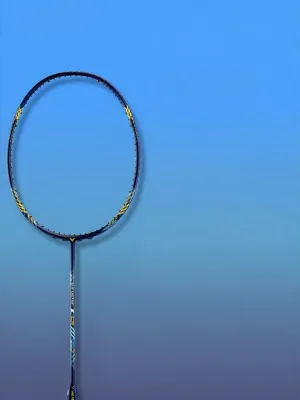
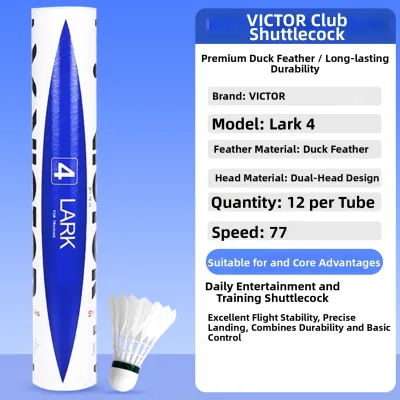
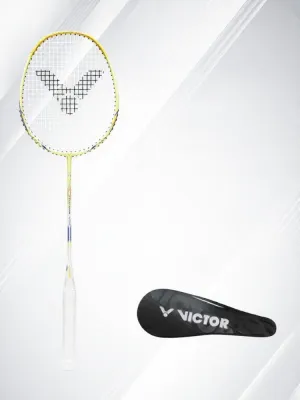
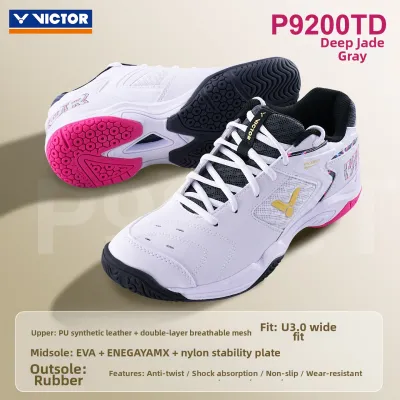
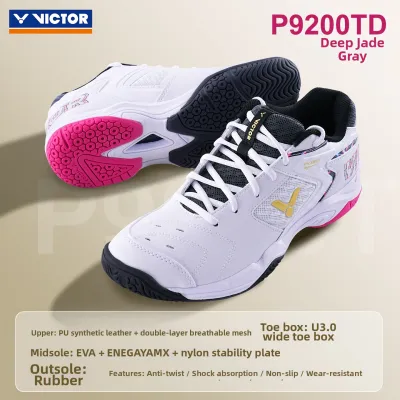
Prices are valid at publication and may change. Please refer to the product page for the latest price.
The safety risks associated with counterfeit rackets are substantial and should not be overlooked. When a fake racket is strung at high tension or subjected to the force of a powerful smash, the frame can suffer sudden, catastrophic structural failure. This can result in the frame snapping mid-swing, sending sharp carbon shards flying toward you, your partner, or opponents on the adjacent court. Investing in authentic gear from an authorized seller ensures that the racket has undergone rigorous quality control and structural testing to prevent such dangerous failures.
Beyond physical safety, purchasing through authorized channels is the only way to secure the manufacturer’s warranty and after-sales support. If a genuine racket develops a structural defect due to a manufacturing error, authorized dealers in the Philippines can facilitate a formal inspection and replacement process. Unauthorized sellers and online counterfeiters offer no such protection, meaning any damage or defect will leave you with a useless piece of broken equipment and a loss of your hard-earned ₱.
Shuttlecock consistency is another area where authorized sourcing makes a dramatic difference on the court. Genuine Victor shuttlecocks are crafted with precision-cut feathers and high-quality cork bases to ensure stable flight trajectories and consistent speed, even in humid indoor halls. Counterfeit shuttlecocks often use brittle, low-grade feathers and synthetic cork substitutes that degrade after only a few hits. This results in erratic flight paths, frequent wobbling, and the need to replace the shuttlecock multiple times during a single set, which quickly adds up in cost.
How to Find and Verify Official Victor Stores in the Philippines
The most reliable method to confirm a retailer’s legitimacy is to consult the official Victor global website or its designated regional distributor directory. The brand maintains an updated list of authorized distributors and key retail partners specifically for the Philippine market. Before visiting any physical shop or making an online purchase, cross-reference the seller’s exact business name and address with these official directories to confirm their authorized status.

When shopping at physical sports outlets in major commercial centers, look for clear indicators of official partnership. Authorized dealers typically display official branding materials, current-season marketing banners, and authorized dealer plaques or certificates issued by the regional distributor. Do not hesitate to ask the store management to show their official distributor credentials or verify which local distributor supplied their stock, as legitimate retailers are always happy to prove their authenticity.
Evaluating online marketplaces requires extra vigilance due to the high volume of third-party merchants operating digitally. Look for official mall tags or verified brand badges on major e-commerce platforms, which indicate that the store has submitted legal business registration and brand authorization documents to the platform. Be cautious of shops using generic names, slightly altered brand spellings, or those lacking a verified seller badge, even if they use official product photos.
Cross-referencing online listings with the brand’s official social media channels in the Philippines is another highly effective check. Authorized distributors frequently post lists of their official online storefronts and partner retailers on their verified social media pages. If an online shop claims to be an official outlet but is never mentioned or linked by the official local distributor, treat the listing with extreme caution and seek verification elsewhere.
Spotting Counterfeit Victor Rackets and Shuttlecocks
If you are evaluating gear from an unverified source or looking at second-hand equipment, a close physical inspection can reveal common warning signs of counterfeit manufacturing. Start by examining the packaging and security features. Genuine Victor rackets feature high-quality, cleanly printed head covers and crisp, perfectly aligned holographic security labels on the cone. Counterfeit labels often have blurry holographic patterns, dull colors, or adhesive residue around the edges.
Serial numbers on genuine rackets are laser-engraved into the cone and shaft with precise, uniform depth and font styling. On fake rackets, these serial numbers are often merely printed on the surface, poorly aligned, or use a font that differs from standard factory markings. Additionally, the country code and distribution codes engraved on the cone should align with official regional distribution patterns.
The physical build quality of the racket frame offers further clues. Genuine rackets display flawless paint finishes, crisp decals, and perfectly seated grommets. Counterfeit models frequently exhibit paint runs, uneven clear coats, misaligned decals, and loose or poorly molded grommets that can damage your strings. The grip texture should feel firm and uniform, and the overall weight distribution should match the specifications of the model rather than feeling excessively head-heavy or head-light due to poor material consistency.
For shuttlecocks, inspect the tube packaging and the construction of the individual shuttles. Genuine tubes feature crisp, high-contrast printing and secure end caps. The feathers on authentic shuttlecocks are uniform in shape, color, and curvature, with clean, even thread binding and glue application. Counterfeit shuttles often show yellowed or mismatched feathers, messy glue globs, and uneven spacing that severely compromises flight stability.
While these physical checks are helpful, you must understand their inherent limitations. Counterfeiters have become highly sophisticated, often replicating visual details, holographic stickers, and serial numbers with remarkable accuracy. Consequently, a visual inspection alone cannot guarantee authenticity; purchasing directly from a verified, authorized store remains your primary and most reliable defense against counterfeit gear.
What to Do If You Suspect a Counterfeit Purchase
If you suspect that a recently purchased racket or shuttlecock is counterfeit, stop using the equipment immediately. Playing with a structurally compromised imitation racket poses a genuine risk of sudden frame breakage, which can lead to facial or eye injuries if the frame snaps during a high-speed swing. Do not risk your safety or the safety of others on the court for the sake of continuing to play.
Begin gathering all necessary evidence to support your claim. Keep the original purchase receipt, invoice, bank transaction records, and all original packaging, including any tags or plastic wraps. Take clear, high-resolution photographs of the entire product, focusing closely on the serial numbers, holographic labels, paint defects, and any areas where the build quality appears suspicious.
Contact the seller immediately to request a full refund, presenting your evidence clearly and professionally. If the purchase was made on an online marketplace, utilize the platform’s official return and dispute resolution channels rather than dealing with the seller privately. If the seller refuses to cooperate or if the platform dispute is unsuccessful, report the incident to local consumer protection authorities, such as the Department of Trade and Industry (DTI), to protect other players in the community.
Frequently Asked Questions (FAQ)
Can I verify a Victor racket's authenticity using just the serial number?
While serial numbers are a standard feature on all genuine Victor rackets, they are not a foolproof method of verification when used in isolation. Sophisticated counterfeiters frequently copy valid serial numbers from genuine rackets and engrave them onto multiple fake frames. To ensure authenticity, you must cross-reference the serial number format with official brand guidelines and, most importantly, confirm that the purchase was made through an authorized dealer.
Are all Victor products sold on e-commerce platforms fake?
No, many authorized distributors and official retail partners operate legitimate storefronts on major online marketplaces. To distinguish these from unauthorized third-party sellers, look for official brand mall badges, verified seller tags, and direct links from the brand’s official social media pages. Avoid purchasing from unverified shops that offer prices significantly below the standard retail rate, as these are highly likely to be selling counterfeit goods.
Community discussion
Share your experience or ask a question. Comments are reviewed before publication.