
Quick Answer: Key Signs of an Original Badminton Racket
To tell if a badminton racket is original, you must look at a combination of physical build quality, packaging security features, and seller credentials. While a single minor cosmetic imperfection might occasionally occur during manufacturing, a cluster of red flags—such as misaligned decals, static hologram stickers, and unusually low prices—strongly points to a counterfeit. The most reliable method of confirmation is cross-referencing the laser-engraved serial numbers through the manufacturer’s official online verification portal.
Inspecting Physical Markers and Build Quality
A genuine racket features a flawless paint finish and perfectly aligned decals. Run your fingers along the frame and shaft to feel for any rough patches, bubbling, or uneven paint thickness. Counterfeit rackets often show visible seams where the shaft meets the handle, or they may feel structurally unbalanced when swung. In the high humidity of the Philippines, cheap counterfeit glues and paints degrade rapidly, leading to premature peeling and bubbling that you would not see on a genuine product.

Next, examine the grommets and string holes. On an original racket, these plastic inserts are molded cleanly, sit flush against the frame, and align perfectly with the stringing pattern. Counterfeits frequently use cheap, poorly cut plastic grommets that may look warped, have rough edges, or sit crookedly in the frame. This poor construction can damage your strings during high-tension play, especially when stringing at tensions preferred by intermediate and advanced players.
Products mentioned in this guide
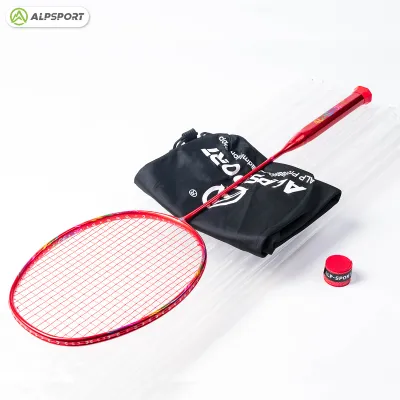
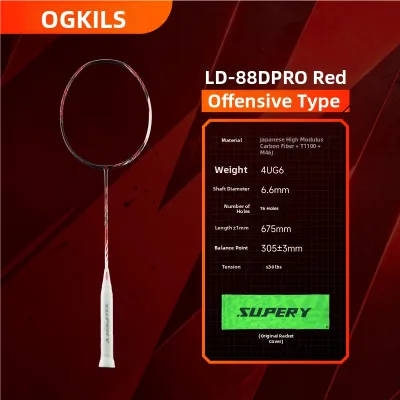
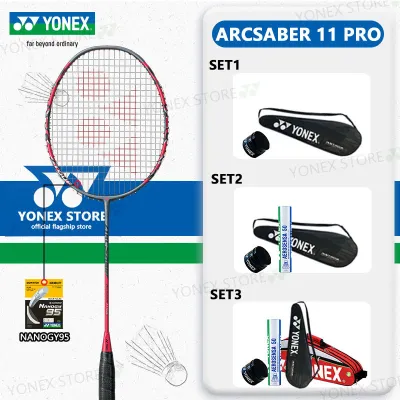
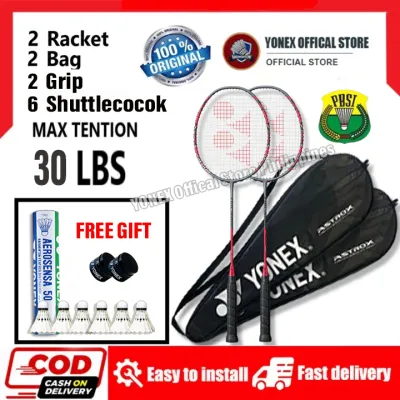
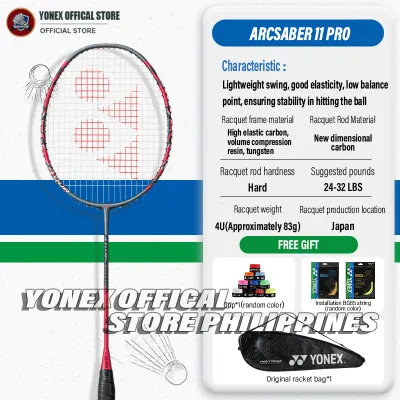
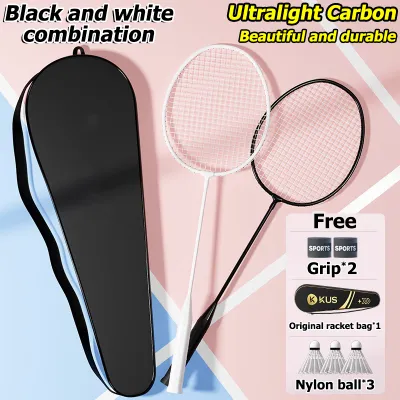
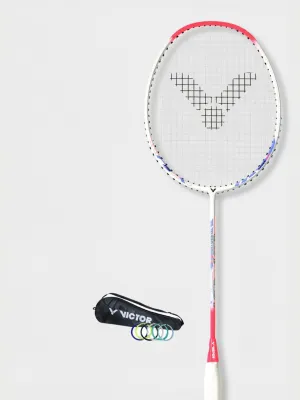
Prices are valid at publication and may change. Please refer to the product page for the latest price.
Finally, inspect the grip and the cone area. The base grip tape on an authentic racket is wrapped tightly with high-quality adhesive that resists peeling, even when exposed to heavy sweat and tropical humidity during intense matches. The plastic cone just above the handle should feature crisp, sharp printing of the brand logo and batch codes. If the text on the cone looks blurry, smudged, or uses an inconsistent font, the racket is highly likely a counterfeit.
Checking Packaging, Holograms, and Serial Numbers
When purchasing a premium racket, the packaging itself serves as an excellent indicator of authenticity. Genuine manufacturers package their products in sturdy, high-density cardboard boxes designed to protect the frame during transit. Examine the printed details on the box; original packaging features sharp, high-contrast text and accurate brand colors, whereas counterfeit boxes often use flimsy cardboard and display blurry, faded, or misaligned printing.
Security holograms and labels provide another layer of verification. Authentic rackets usually feature a specialized hologram sticker on the cone or handle that shifts colors or reveals hidden patterns when tilted under a light source. Counterfeiters often attempt to replicate this with flat, static metallic stickers that do not change appearance when viewed from different angles.
The most definitive physical check is the serial number. Genuine rackets feature laser-engraved serial numbers on both the shaft and the cone, rather than cheaply printed or painted numbers. These codes should be clean, perfectly aligned, and deeply etched into the material. You can verify these unique codes by entering them directly into the manufacturer’s official website or dedicated verification app to confirm they match the specific model and production batch.
Evaluating Seller Credentials and Safe Purchase Channels
Where you buy your racket is just as important as how it looks. To minimize the risk of purchasing a counterfeit, prioritize official brand-owned outlets, authorized physical sports shops, or verified flagship stores on major e-commerce platforms. Authorized dealers are vetted directly by the manufacturers and are required to maintain strict quality standards, ensuring that every product on their shelves is genuine.
Be highly skeptical of extreme discounts and suspicious pricing. If a premium racket that normally retails for several thousand pesos is listed at a fraction of its standard retail price, it is almost certainly a fake. Counterfeit sellers often use official stock photos to hide the true appearance of their inventory, so always request actual, high-resolution photos of the specific racket, including close-ups of the serial numbers and holograms, before finalizing your purchase.
Additionally, thoroughly evaluate the seller’s reputation and store policies. Check customer reviews for consistent feedback regarding product authenticity, and look for detailed photos uploaded by previous buyers. Ensure the online marketplace or retailer offers robust buyer protection and a clear, hassle-free return policy that specifically covers counterfeit goods, allowing you to secure a full refund if the item fails your physical inspection.
Steps to Take If You Receive a Suspected Counterfeit
If your post-purchase inspection reveals that the racket is a counterfeit, immediate action is necessary to recover your funds. Begin by documenting all available evidence in detail. Take clear, well-lit photographs and videos of the racket’s physical flaws, the blurry packaging, the static hologram, and the engraved serial numbers, and take screenshots of the original online listing and your transaction receipt.
Once your evidence is gathered, initiate a formal dispute or return request through the e-commerce platform’s resolution center. Present your documented photos and explain clearly why the item is counterfeit, referencing the specific physical discrepancies you found. Avoid using the racket or removing any attached tags, as keeping the product in its original received condition strengthens your claim during the platform’s review process.
Finally, report the fraudulent listing and the seller’s account to the platform administrators to prevent other players from falling victim to the same scam. If the seller or the platform refuses to cooperate despite clear evidence of a counterfeit, you can escalate the issue by filing a formal complaint with local consumer protection agencies, which handle retail fraud and intellectual property violations.
Frequently Asked Questions (FAQ)
Can I verify a badminton racket's authenticity using only its weight and balance?
While counterfeit rackets often feel noticeably heavier or poorly balanced due to cheaper materials and uneven carbon fiber distribution, physical feel alone is not a foolproof verification method. Modern high-end counterfeits have become increasingly sophisticated, sometimes matching the exact weight specifications of original models. Therefore, physical feel should only serve as an initial indicator and must always be combined with more objective checks, such as verifying the laser-engraved serial numbers and inspecting the security holograms.
Are original rackets sold on third-party e-commerce platforms always fake?
No, original rackets are frequently sold on third-party e-commerce platforms, but buyers must exercise caution. These online marketplaces host a wide variety of sellers, ranging from authorized distributors and reputable local sports shops to unauthorized third-party resellers dealing in counterfeits. To ensure you are buying a genuine product, look for official store badges, verify that the seller has a high positive rating with detailed customer reviews, and confirm that they offer a comprehensive return policy.
Community discussion
Share your experience or ask a question. Comments are reviewed before publication.