
Verifying an original badminton set requires a systematic approach that combines purchasing from authorized channels, inspecting physical build quality, and checking security labels. Counterfeit rackets and shuttlecocks are common on various e-commerce platforms and local markets, but applying targeted checks before and after purchase can protect your investment, ensure fair play, and prevent potential injuries. In tropical climates like the Philippines, where high humidity and heat can accelerate the wear of substandard materials, ensuring you have genuine gear is crucial for durability and performance.
To spot a fake before buying, you must look closely at the seller’s credentials, the product’s pricing, and the physical details of the gear. Genuine manufacturers maintain strict quality control standards that counterfeiters rarely replicate. By understanding these differences, you can make an informed decision and enjoy the game with reliable equipment.
Why Counterfeit Badminton Gear Poses Real Risks
Using counterfeit badminton gear is not just a matter of poor performance; it also presents real safety hazards. Low-quality replica rackets are often constructed from cheap aluminum or inferior carbon fiber composites rather than high-grade graphite. Under the high tension of strings and the force of a fast swing, these substandard materials can suffer sudden structural failure. A shaft snapping mid-swing can send sharp fragments flying toward players or bystanders, posing a severe risk of eye or facial injuries.
Products mentioned in this guide
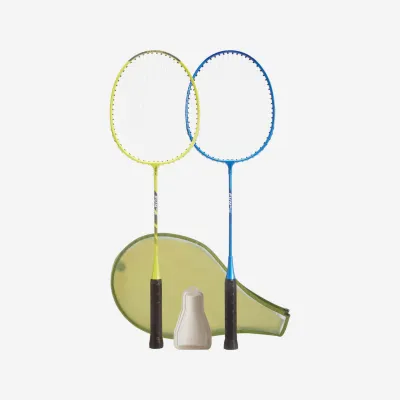
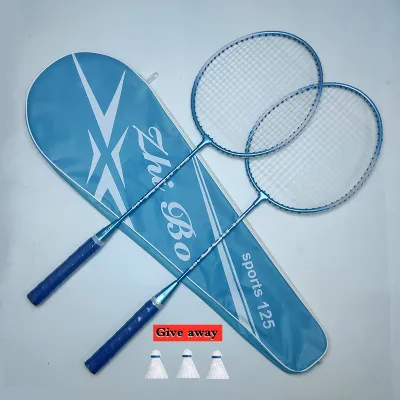
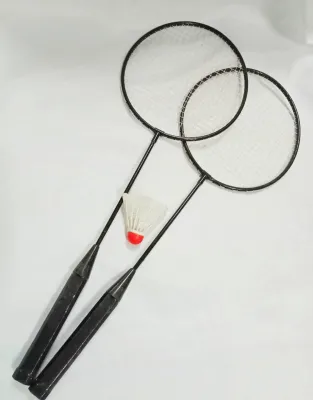
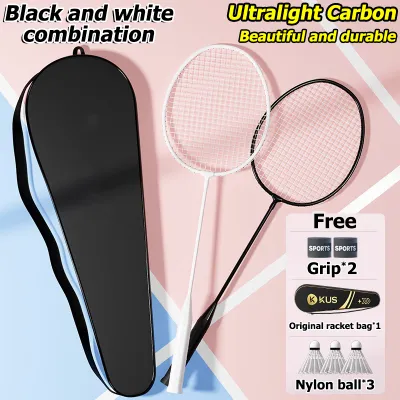
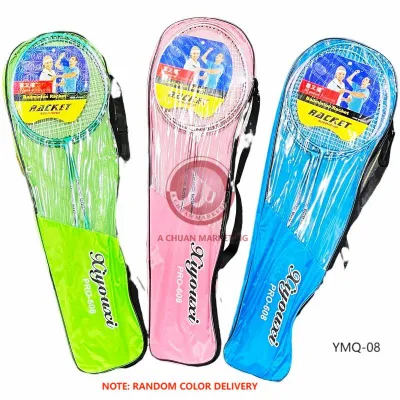
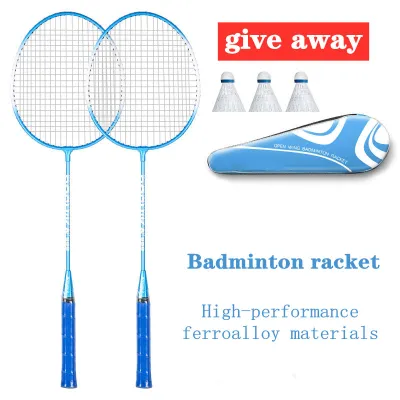
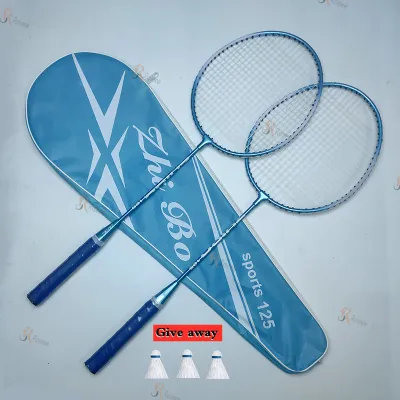
Prices are valid at publication and may change. Please refer to the product page for the latest price.
Furthermore, counterfeit shuttlecocks deliver highly inconsistent flight paths and degrade rapidly after only a few hits. This inconsistency disrupts your game flow and prevents you from developing proper timing and technique. From a financial perspective, fake gear lacks any warranty support, return options, or customer service. If a counterfeit racket breaks during its first use, you are left with no recourse, making the initial savings a complete loss.
Physical Inspection Checklist for Rackets
When examining a badminton racket, the physical build quality is one of the most reliable indicators of authenticity. Start by inspecting the paint job and decals across the entire frame. Original rackets feature flawless, even coatings with sharp, crisp graphics and perfectly aligned logos. Counterfeits often display bleeding colors, misaligned decals, rough textures, or visible paint runs that indicate a rushed manufacturing process.

Next, examine the shaft and the cone—the triangular piece connecting the handle to the shaft. Genuine rackets feature smooth transitions and clean glue lines where these components meet. Many premium brands laser-engrave unique serial numbers onto the shaft and cone rather than printing them. Run your fingernail gently over these codes; laser-engraved numbers will feel slightly recessed and sharp, whereas fake codes are often simply printed or poorly etched.
Finally, evaluate the butt cap and the grip. The logo on the butt cap of an original racket is molded with high precision, featuring correct color shades and sharp edges. Underneath the grip, the wood handle should be clean and sturdy, with high-quality staples securing the grip material. Pay attention to the overall weight balance as well. Counterfeit rackets often feel unusually heavy or suffer from an awkward weight distribution because they use cheap, dense metals instead of lightweight carbon composites. Match the racket’s weight class and grip size to your hand size and physical strength to ensure comfortable, injury-free play.
Evaluating Shuttlecock Authenticity
Shuttlecocks require meticulous inspection because their flight stability depends entirely on precise construction. For natural feather shuttlecocks, examine the individual feathers closely. Original shuttlecocks use high-grade, uniform feathers that are perfectly aligned and spaced. The feathers should feel stiff and resilient, not flimsy or brittle. Look at the glue lines binding the feathers together; genuine products feature clean, consistent adhesive application without messy globs or dry spots.
The cork base is another critical area to verify. A genuine shuttlecock features a solid, natural cork base or a high-quality composite cork covered evenly by a thin, durable white layer. The base should feel firm when squeezed gently between your fingers. Counterfeits often use cheap synthetic foam or low-grade particle cork that crumbles easily, leading to erratic flight and rapid degradation, especially in humid tropical environments.
Do not forget to inspect the tube packaging. Authentic shuttlecock tubes are made of sturdy cardboard or plastic with high-resolution printing, clear brand typography, and crisp barcodes. Look for holographic seals and batch codes on the tube caps, which are often missing or poorly replicated on counterfeit packaging.
Verifying Packaging and Security Labels
Modern sports brands utilize sophisticated anti-counterfeit features to help consumers verify their products. When purchasing a badminton set, look for holographic stickers and scratch-off verification codes on the packaging or the racket handle. These scratch-off panels reveal a unique multi-digit code that you can enter directly into the manufacturer’s official website or dedicated verification app. A genuine code will return a message confirming it is an authentic product and, crucially, that it is being queried for the first time.
Pay close attention to the print quality of all packaging materials. Compare the box typography, color accuracy, barcode clarity, and spelling against official product images available on the brand’s official website. Counterfeiters frequently make minor spelling mistakes, use incorrect fonts, or produce blurry, low-resolution prints on their boxes and tags.
However, you should never rely solely on a single security sticker to confirm authenticity. Sophisticated counterfeiters have become adept at replicating basic holographic labels or even cloning genuine verification codes. If a cloned code is queried multiple times, the official system will usually flag it, showing that the code has already been searched. Always combine label verification with a thorough physical inspection of the racket and shuttlecocks to ensure you are getting the real deal.
Choosing Reliable Purchasing Channels
The most effective way to avoid counterfeit badminton gear is to select your purchasing channels with extreme care. Prioritize official brand stores, authorized physical sports retailers, and verified flagship stores on major e-commerce platforms. These sellers source their inventory directly from the manufacturers, ensuring that every racket, string, and shuttlecock is genuine and covered by official warranties.
Be highly skeptical of third-party listings on online marketplaces. Red flags include prices that are significantly below the standard market average. If a premium badminton set that normally retails for several thousand pesos is listed for a few hundred ₱, it is almost certainly a counterfeit. Additionally, watch out for listings that rely solely on stock photos rather than actual product images, or those with vague, poorly translated seller descriptions.
Before checking out, take the time to read customer reviews, paying close attention to those that include real photos and videos of the delivered products. Check the seller’s overall rating and history on the platform. Reliable sellers will also have clear, transparent return policies, giving you peace of mind if you need to return the item due to authenticity concerns.
Steps to Take If You Receive a Suspected Fake
If you receive a badminton set and suspect it is counterfeit, acting quickly and systematically is essential to secure a refund. Start by documenting the unboxing process. Take clear, high-resolution photos and videos of the packaging, the shipping label, and the specific discrepancies you noticed on the racket or shuttlecocks before removing any tags or plastic wraps.
Next, contact the seller immediately to express your concerns, and simultaneously file a formal dispute through the e-commerce platform’s customer resolution center. Provide your photographic and video evidence to support your claim. Most reputable platforms have buyer protection programs that hold funds in escrow until disputes are resolved, increasing your chances of a full refund.
Crucially, do not use the racket or play with the shuttlecocks. Using the gear can cause physical damage, which the seller might use as a pretext to deny your return. Furthermore, playing with a structurally compromised counterfeit racket increases the risk of sudden breakage and injury. Keep the set in its original, unused condition until the return and refund process is fully completed.
Frequently Asked Questions (FAQ)
Can I trust a badminton set just because it has a verification code?
While a verification code is a helpful tool, it is not a foolproof guarantee of authenticity. Sophisticated counterfeiters can copy genuine codes from real products and print them on multiple fake sets. When you enter the code on the official website, look closely at the query count; if the system indicates the code has been searched multiple times before, it is highly likely a cloned fake. Always combine code verification with physical checks of the racket’s paint, weight, and overall construction.
Are original badminton sets always sold with a warranty card?
Genuine badminton sets purchased from authorized local distributors typically include an official warranty card. This card outlines the terms of coverage and provides contact information for authorized service centers. However, parallel imports—genuine products purchased in another country and imported independently—might lack a local warranty card. If a seller claims to be an authorized local dealer but cannot provide a valid warranty card, treat this as a major red flag and proceed with caution.
Community discussion
Share your experience or ask a question. Comments are reviewed before publication.