
In the fast-paced world of football officiating, a referee’s whistle is the primary instrument of authority and safety on the pitch. In the Philippines, where local leagues and community tournaments thrive under intense tropical conditions, the demand for high-quality sports gear has unfortunately led to a rise in counterfeit products. Among these, premium officiating gear like the Blazza whistle is frequently targeted by counterfeiters looking to profit from unsuspecting buyers. Spotting a fake before you step onto the field is crucial to ensuring your signals remain clear, authoritative, and reliable throughout the match.
Verifying the authenticity of your equipment requires a keen eye for manufacturing details, an understanding of material standards, and a cautious approach to online shopping. Counterfeit whistles often mimic the external appearance of genuine models but fail to replicate the precise internal acoustics and material safety of the original. By conducting physical inspections, verifying packaging markers, and purchasing only through authorized channels, you can protect yourself from substandard gear that could fail during a critical match.
Why Using a Genuine Football Whistle Matters
Officiating a football match requires instant, decisive communication that can cut through crowd noise, player chatter, and environmental distractions. A genuine whistle is engineered with precise internal chambers designed to produce a consistent, high-decibel sound with minimal effort. In the humid and often rainy climate of the Philippines, a referee must rely on a whistle that performs consistently regardless of moisture. Authentic sports whistles are designed to clear water quickly, ensuring that a sudden downpour during a match does not muffle your signals or render your equipment useless.
Products mentioned in this guide
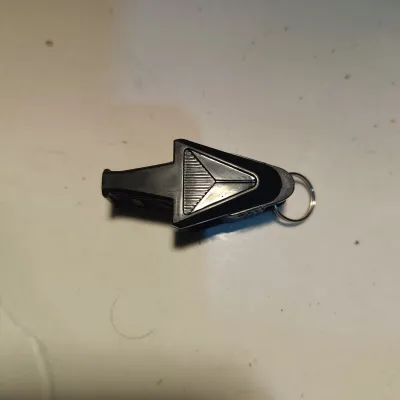
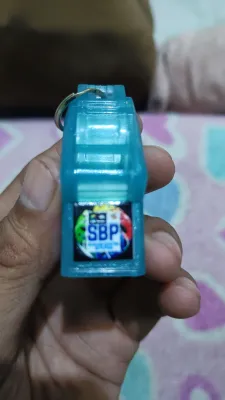
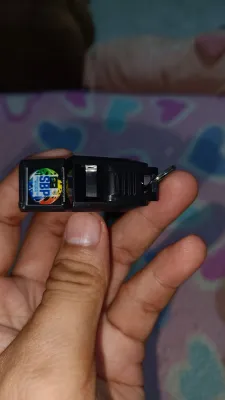
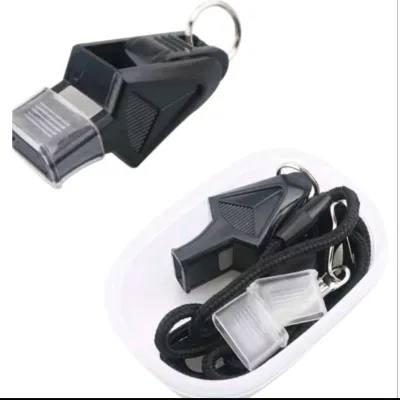
Prices are valid at publication and may change. Please refer to the product page for the latest price.
Beyond performance, material safety is a paramount concern for any equipment that comes into direct, prolonged contact with your mouth. Genuine manufacturers adhere to strict hygiene and non-toxic material standards, utilizing food-grade plastics and elastomers that do not leach harmful chemicals. Counterfeit manufacturers, operating without regulatory oversight, often use cheap, industrial-grade plastics, toxic colorants, or low-quality adhesives to cut costs. These materials can degrade rapidly when exposed to saliva and heat, posing potential health risks to the user over time.
Durability is another critical factor that separates genuine officiating gear from cheap imitations. A referee’s whistle must withstand being dropped, bitten, and exposed to intense tropical sunlight during long tournament days. Authentic whistles are constructed from high-impact polycarbonate or specialized ABS plastics that resist cracking and warping. A counterfeit alternative is highly susceptible to structural failure, which can result in a cracked mouthpiece or a sudden loss of acoustic projection mid-game, forcing you to halt play or struggle to maintain control of the match.
Physical and Packaging Checks to Spot a Fake Blazza Whistle
Identifying a counterfeit whistle begins with a close physical inspection of the product itself, as high-end manufacturing processes are incredibly difficult for counterfeiters to replicate. Start by examining the build quality and the seams of the whistle’s body. Genuine whistles are produced using high-precision injection molds that leave virtually invisible, perfectly smooth seams along the edges. If you run your finger along the sides of the whistle and feel rough, raised plastic ridges or sharp edges, you are likely holding a counterfeit product. These manufacturing flaws are not only uncomfortable to hold but can also cause irritation to your lips and mouth during use.

Next, pay close attention to the logo, branding, and engraved text on the whistle’s surface. On an original whistle, the branding is sharp, deeply engraved, and perfectly aligned with the contours of the body. Counterfeiters often use cheap stamping or low-resolution printing methods, resulting in logos that appear blurry, shallow, or slightly crooked. In some cases, the font style or spacing may differ slightly from official product images, or the paint used to fill the engraving may smudge and peel away with minimal friction.
The packaging of the whistle provides further clues regarding its authenticity. Genuine sports equipment is packaged in high-quality boxes with crisp, high-resolution printing, accurate color reproduction, and clear, legible text. Carefully inspect the packaging for spelling mistakes, grammatical errors, or blurry barcodes, which are classic hallmarks of counterfeit operations. Authentic packaging will also feature specific batch numbers, serial codes, or holographic security stickers that allow you to trace the product back to the manufacturer.
Additionally, you should evaluate the quality of any included accessories, such as lanyards, mouth grips, or protective storage cases. Genuine accessories are designed to match the premium quality of the whistle itself, featuring durable stitching, robust clips, and soft, food-grade silicone mouth covers that fit snugly without slipping. Counterfeit packages often include flimsy, easily frayed lanyards, brittle plastic cases, or poorly fitting rubber grips that emit a strong chemical odor. If the accessories feel cheap or do not fit the whistle perfectly, the entire package should be treated with suspicion.
Verifying Authenticity Through Official Channels
When physical inspection leaves room for doubt, cross-referencing your product with official manufacturer resources is the most reliable way to confirm authenticity. Start by visiting the official manufacturer website or consulting catalogs from authorized distributors to compare your whistle’s exact specifications. Pay close attention to the dimensions, weight, available color schemes, and specific design features of your model. If your whistle features a color combination or design element that is not listed in the official catalog, it is highly likely to be a counterfeit creation.
Many premium sports brands now integrate modern security features into their packaging to help consumers verify their purchases. Look for scratch-off panels that reveal unique security codes, or QR codes that direct you to an official verification portal. When scanning these codes, ensure that the URL of the landing page matches the official domain of the manufacturer exactly. Counterfeiters sometimes print fake QR codes that redirect users to sophisticated copycat websites designed to mimic the official brand portal and falsely confirm the product’s legitimacy.
If your whistle does not feature a QR code but has a printed serial or batch number, you can contact the brand’s customer support team directly to verify the code. Provide them with clear, high-resolution photographs of the whistle, the packaging, and any printed numbers or markings. The manufacturer can cross-reference these details with their production databases to confirm whether the item is a genuine product or a known counterfeit batch. While this process may take a few days, it offers definitive peace of mind before you use the equipment on the pitch.
Red Flags to Watch for on Online Marketplaces
The convenience of online shopping has made e-commerce platforms a popular destination for purchasing sports gear, but these marketplaces also carry a higher risk of encountering counterfeit listings. One of the most immediate red flags is a significant pricing anomaly. If a genuine whistle typically retails for around ₱1,500 to ₱2,500 at reputable local sports stores, a listing offering the same model for ₱200 or ₱300 is almost certainly selling a fake. While discounts and promotions do occur, authentic premium officiating gear rarely drops to a fraction of its standard retail value.
Before making a purchase, thoroughly investigate the credentials and reputation of the online seller. Look for verified seller badges, official mall designations, or high positive feedback ratings from previous buyers. Read through the customer reviews specifically looking for user-uploaded photos of the actual product received. If multiple reviews complain about poor sound quality, rough plastic edges, or packaging that does not match the listing photos, avoid the seller entirely. A reputable seller will also display a clear, fair return and refund policy, indicating confidence in the authenticity of their inventory.
The quality of the product listing itself can also reveal a seller’s true intentions. Be cautious of listings that rely solely on low-resolution stock photos, images with watermarks from other online stores, or vague product descriptions that lack specific material and technical details. Genuine distributors take pride in presenting their products professionally, often providing detailed close-up photos, clear specifications, and comprehensive warranty information. If a seller is evasive when asked for real-time photos of the product or cannot provide proof of authorization, it is best to look elsewhere.
Steps to Take If You Receive a Suspected Fake
If you have already purchased a whistle and suspect it is a counterfeit upon delivery, your first priority should be safety. Stop using the whistle immediately and do not place it in your mouth, as the chemical composition of the plastics and dyes used in fakes is completely unverified. Continuing to use a counterfeit whistle poses unnecessary health risks and increases the likelihood of equipment failure during an active match, which can compromise your ability to officiate effectively.
Next, document the product and packaging thoroughly to build a strong case for a refund. Take clear, well-lit photographs of the rough seams, misaligned logos, blurry packaging text, and any other physical discrepancies you have identified. Keep all original packaging, shipping labels, and invoices intact, as these will be required as evidence during the dispute process. Compare these photos directly with official product images to highlight the differences clearly.
Finally, initiate a return or refund request through the buyer protection program of the e-commerce platform where you made the purchase. Submit your documented photographic evidence and explain clearly why you believe the product is counterfeit. Most reputable platforms have strict policies against the sale of replica goods and will facilitate a refund once the counterfeit nature of the item is established. Additionally, report the seller’s listing to the platform’s administration to help prevent other local referees and sports enthusiasts from falling victim to the same scam.
Frequently Asked Questions (FAQ)
Can a fake Blazza whistle sound exactly like the original?
No, a counterfeit whistle is highly unlikely to replicate the exact acoustic performance of an original model. The sound of a premium sports whistle is determined by highly precise internal chamber dimensions, wall thickness, and material density, which are engineered to maximize volume and projection. While a fake whistle may sound loud when blown at close range in a small room, it often lacks the frequency tuning and air-velocity design needed to carry across a full-sized, noisy football pitch. Under match conditions, a fake whistle will often sound breathy, flat, or inconsistent, failing to command the attention of players.
Are all Blazza whistles sold on e-commerce platforms fake?
Not all whistles sold online are counterfeit, but buyers must exercise caution to distinguish between legitimate sources and unauthorized sellers. Many authorized sports retailers and official brand distributors operate flagship stores on major e-commerce platforms, offering genuine products backed by manufacturer warranties. To ensure you are buying an original whistle, always look for official store verifications, check the seller’s business registration details, and avoid third-party listings that offer unrealistic discounts or lack verified customer feedback.
Community discussion
Share your experience or ask a question. Comments are reviewed before publication.