
Verifying the authenticity of a Molten BG4500 basketball is essential to ensure you get the performance, grip, and durability of a genuine premium composite leather ball. Because counterfeit sports equipment has become increasingly sophisticated, relying on a single visual check is often not enough. A systematic inspection of the ball’s physical markers, packaging, material feel, and purchase source is the most reliable way to confirm you are buying an original product.
The Molten BG4500 is a highly popular model, particularly in basketball-loving regions like the Philippines, where players demand high performance on various court surfaces. Unfortunately, this high demand also makes it a frequent target for unauthorized reproductions. Understanding how to spot these imitations before you play can save you from wasting money on a sub-standard product that wears out quickly.
Inspecting Physical Markers and Branding on the Ball
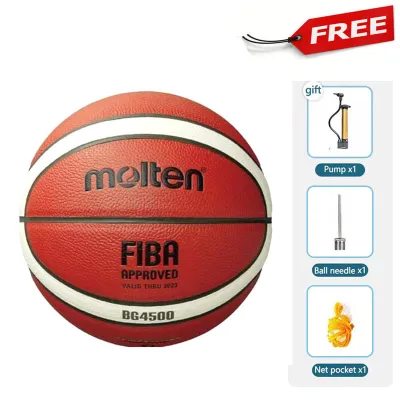
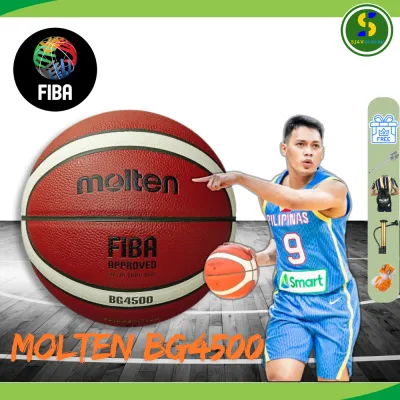
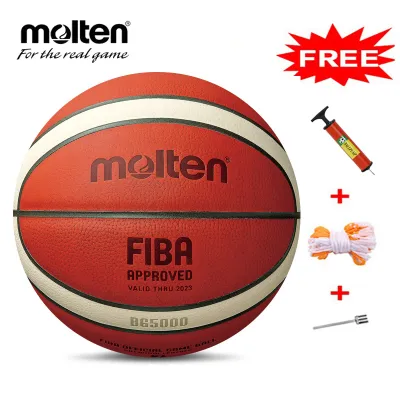
When inspecting a Molten BG4500, start by examining the branding and printed text on the surface of the ball. The main Molten logo should feature crisp, sharp edges with uniform font thickness. On counterfeit balls, the printing is often slightly blurry, or the ink may bleed into the surrounding pebble texture, indicating a low-quality printing process.
Products mentioned in this guide
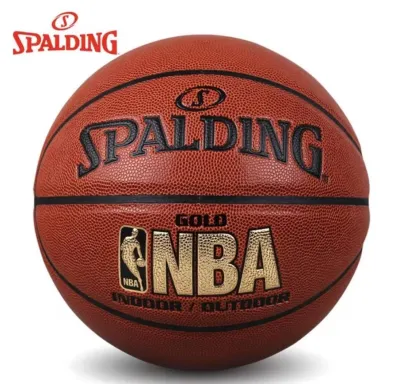
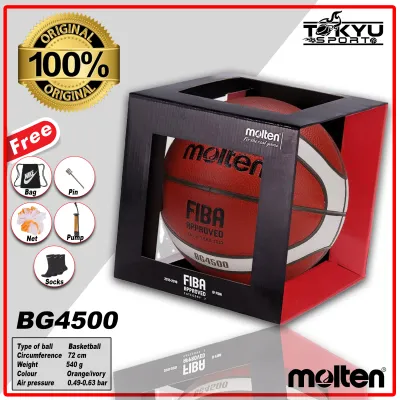
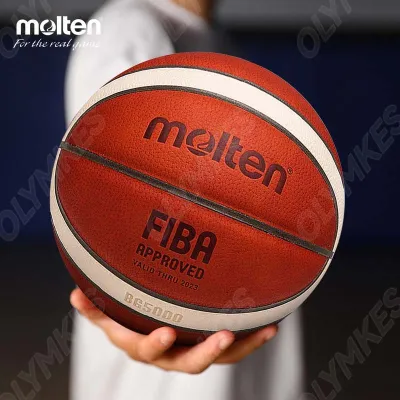
Prices are valid at publication and may change. Please refer to the product page for the latest price.
Next, look closely at the model number and size indicators. The “BG4500” designation and the official size markings must be perfectly aligned and stamped with consistent depth. Fake basketballs frequently exhibit misaligned letters, uneven spacing, or shallow stamping that looks like it was rushed through production.
The inflation valve area is another critical point of inspection. On an original Molten basketball, the valve is neatly centered within its rubber housing, sitting flush with the ball’s surface. The surrounding rubber should be smooth and free of jagged edges or excess material. Counterfeit models often have off-center valves, visible glue residue, or rough molding around the inflation hole.
While performing these visual checks, keep in mind that minor cosmetic variations can sometimes occur between different official production batches. A tiny speck of paint or a slight variation in color tone does not automatically mean a ball is fake. Instead, look for a combination of multiple inconsistencies across the branding, alignment, and valve area to make an accurate assessment.
Checking Packaging, Labels, and Documentation
The packaging and documentation that accompany your basketball can provide immediate clues about its authenticity. Genuine Molten basketballs are typically shipped in high-quality cardboard boxes or branded polybags that feature sharp, high-resolution graphics. The colors on the packaging should match the brand’s official design scheme perfectly, without any faded tones or pixelated images.

Examine the barcode labels, SKU numbers, and manufacturing tags attached to the packaging. On an original product, these labels are printed clearly with legible text that accurately matches the BG4500 model details. If you notice blurry text, spelling mistakes, or barcodes that look poorly photocopied, the item is likely a counterfeit.
Some retail distributions of the BG4500 include official instruction leaflets or authenticity cards inside the packaging. Check the paper quality of these inserts; genuine documentation is printed on sturdy, well-cut paper with clean alignment.
Missing packaging, generic unbranded boxes, or tags that peel off with minimal effort are major red flags. Authorized distributors take great care in presenting their products, so flimsy or non-existent packaging is a strong indicator of an unauthorized reproduction.
Evaluating Build Quality, Grip, and Material Feel
The tactile feel of the Molten BG4500 is one of its most defining characteristics, as it is crafted from premium composite leather. When you hold a genuine ball, the surface should have a consistent, defined pebble grain that provides a secure grip. The black channels separating the panels must be deeply and evenly molded across the entire surface of the ball.
Inspect the seams where the composite leather panels meet the channels. On an original ball, the panel edges are neatly tucked and aligned, showing no signs of lifting, fraying, or excess glue. Counterfeit balls often have sloppy seam work, with visible adhesive spilling onto the panels or uneven gaps along the channels.
Test the ball’s air retention and bounce by inflating it to the recommended pressure range printed near the valve. A genuine BG4500 is engineered to hold air consistently and deliver a predictable, uniform bounce. If the ball loses pressure rapidly or bounces at odd angles, the internal bladder or structural winding may be defective or poorly constructed.
It is also important to understand how the material behaves over time. Genuine composite leather requires a brief break-in period, during which the material naturally softens and becomes grippier with use. Fake basketballs, on the other hand, are often made of cheap synthetic materials that feel plasticky, overly stiff, or artificially sticky right out of the box, and their grip will quickly deteriorate.
Navigating Purchase Channels and Seller Verification
To minimize the risk of purchasing a counterfeit basketball, you should be highly selective about where you shop. Prioritize authorized sporting goods stores, official brand flagship stores, and established physical retailers in the Philippines. Buying from a physical store is ideal because it allows you to inspect the ball’s texture, weight, and branding in person before making a financial commitment.
If you prefer to shop on third-party online marketplaces or ecommerce platforms, take the time to thoroughly evaluate the seller’s profile. Look for high seller ratings, read through customer reviews for any mentions of product authenticity, and ensure the seller has a clear, customer-friendly return policy. Be skeptical of shops that have very few ratings or a history of unresolved customer complaints.
Pricing is another reliable indicator of authenticity. If a listing offers a Molten BG4500 at a price in ₱ that is significantly lower than the standard retail price at authorized dealers, you should proceed with extreme caution. Genuine premium composite leather basketballs have consistent manufacturing costs, so deals that seem too good to be true almost always involve counterfeit goods.
When dealing with independent online sellers or peer-to-peer marketplaces, always request original, high-resolution photos of the actual basketball they plan to send you. Avoid sellers who only provide stock photos, images with watermarks from other shops, or low-quality pictures that obscure the valve and branding details.
Steps to Take If You Receive a Suspected Fake
If you receive a basketball and suspect it is a counterfeit, you must take immediate action to protect your money. Start by documenting all the discrepancies you have identified. Take clear, well-lit photos of the imperfect branding, sloppy seams, suspicious valve area, and the packaging, and keep your original purchase receipt safe.
Contact the seller or the customer support team of the ecommerce platform immediately to initiate a return or refund claim. Clearly state that the item received does not match the description of a genuine product, and upload your documented photos as supporting evidence.
While your dispute is being processed, do not play with the basketball. Using the ball, especially on rough outdoor courts, will cause wear and tear that could void your ability to return it for a full refund. Keep it in its original packaging and in unused condition.
Additionally, you can report the incident to the manufacturer’s official customer service channels. Providing them with the seller’s details and photos of the counterfeit product helps protect the wider basketball community from unauthorized reproductions.
Frequently Asked Questions (FAQ)
Does the Molten BG4500 require a break-in period?
Yes, a genuine Molten BG4500 basketball requires a brief break-in period to reach its optimal performance. When first unpacked, the premium composite leather may feel slightly stiff or less grippy than expected. As you play with the ball, the natural oils from your hands and the friction from court contact will soften the material, enhancing its grip and tactile feel. In contrast, counterfeit balls made of cheap synthetic materials often feel slick or artificially sticky immediately and do not improve with use.
Can I use the BG4500 for outdoor concrete courts?
The Molten BG4500 is a premium composite leather basketball designed primarily for indoor use on wooden or smooth synthetic courts. While it can be used outdoors, rough concrete or asphalt surfaces will rapidly wear down the composite leather, smoothing out the pebble texture and damaging the seams. To prevent premature wear and maintain the ball’s grip, it is best to check the manufacturer’s label and reserve the BG4500 for indoor courts, using a dedicated outdoor rubber ball for rough concrete surfaces.

Community discussion
Share your experience or ask a question. Comments are reviewed before publication.