
To verify if a Nayori knee support is original, you must systematically examine its packaging, physical construction, and the credibility of the seller. Genuine sports gear relies on precise manufacturing standards to deliver targeted compression and joint stability. Counterfeit products often mimic the visual design but fail to provide the structural integrity required to protect your knees during high-impact movements or rehabilitation. By conducting a few straightforward checks before and after your purchase, you can protect your joints from injury and ensure your money is well spent on authentic protective gear.
Why Authenticity Matters for Knee Supports
Using unverified or counterfeit joint supports during physical activities poses significant functional and safety risks. Genuine knee supports are engineered to provide specific levels of compression, structural support, and ergonomic alignment. When a product is counterfeit, it typically lacks this precise engineering. The materials used may stretch out quickly, failing to stabilize the patella or lateral ligaments during sudden pivots, jumps, or heavy lifts. This lack of structural support can lead to joint instability, potentially worsening existing injuries or causing new strains.
In tropical climates like the Philippines, where high humidity and heat lead to heavy sweating during workouts, the material composition of your gear is highly critical. Authentic supports utilize breathable, moisture-wicking synthetic blends designed to minimize friction. Counterfeit alternatives often use cheap, untested synthetic fabrics that trap heat and moisture. This environment can quickly cause severe skin irritation, chafing, or allergic reactions. Furthermore, because these imitation products bypass official manufacturer safety testing and quality control, they lack any guarantee of durability, increasing the risk of sudden gear failure when you need joint stabilization the most.
Products mentioned in this guide
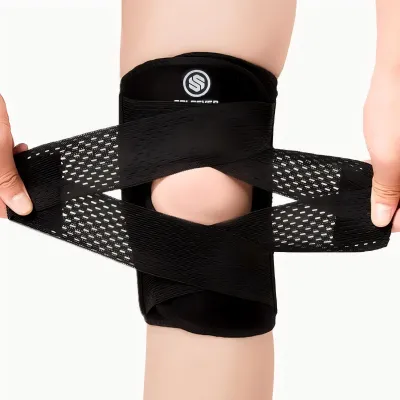
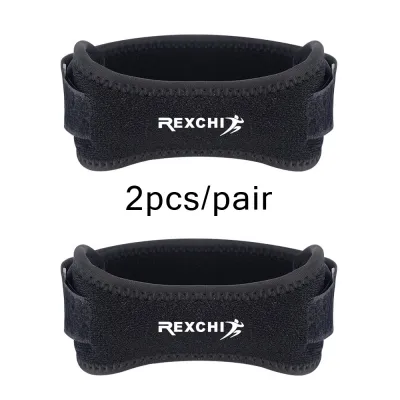
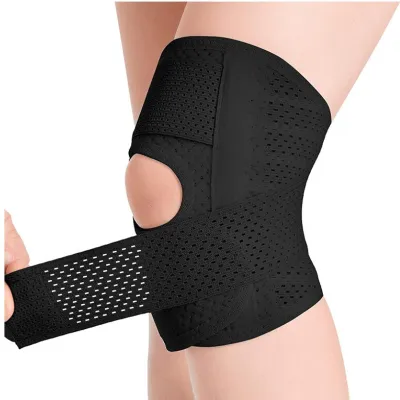
Prices are valid at publication and may change. Please refer to the product page for the latest price.
How to Inspect the Packaging and Labels
The first line of defense against counterfeit sports gear lies in the external presentation. When your package arrives, closely examine the retail box or polybag for visual discrepancies. Original packaging features high-resolution printing with sharp, consistent colors and clear typography. Counterfeit packaging often exhibits blurry text, color bleeding, or noticeable spelling and grammatical errors. If the brand name or product descriptions look slightly off-center or poorly aligned, treat this as an immediate warning sign.

Next, review the informational labels and documentation provided on or inside the packaging. Authentic knee supports include comprehensive sizing charts, detailed material breakdowns, and clear care instructions. These elements should be easy to read and professionally formatted. If the sizing chart is missing, contains inconsistent measurements, or uses generic fonts that do not match official brand assets, the product is highly suspect.
Finally, verify the presence and clarity of barcodes, batch numbers, or QR codes. Original manufacturers use these identifiers for inventory tracking and quality assurance. On a genuine product, these codes are cleanly printed, easily scannable, and securely attached to the packaging. If you find smudged, missing, or generic-looking barcodes that fail to register when scanned with a standard smartphone camera, it is highly likely that the item is a counterfeit.
Physical Markers and Build Quality Checks
A hands-on inspection of the knee support itself will reveal the true quality of its craftsmanship. Begin by examining the stitching. Genuine sports supports feature tight, consistent, and double-stitched seams, particularly around high-stress areas like the patella opening and the upper and lower borders. Counterfeit items often show loose threads, uneven stitching patterns, or single-layered seams that can easily unravel under tension.
The brand logo is another critical indicator of authenticity. On original supports, logos are typically embroidered with high thread density or applied using durable, high-grade heat-transfer methods that resist cracking and peeling. Inspect the logo for alignment, crisp edges, and correct spelling. Cheap imitations often feature low-density embroidery where the backing fabric shows through, or poorly adhered prints that begin to peel off even before the first use.
Evaluate the hardware and functional components of the support. If the model features Velcro straps, the hook-and-loop material should grip firmly and require distinct effort to pull apart. Original supports also utilize high-quality, flexible silicone anti-slip rings along the inner cuffs to keep the sleeve in place during movement. If these rings feel thin, brittle, or greasy, or if they peel away from the fabric easily, the product is likely fake. For hinged models, ensure the metal or plastic joints move smoothly without catching or feeling flimsy.
Lastly, assess the fabric’s elasticity and scent. Authentic compression sleeves are made from dense, resilient fabrics that stretch under pressure but immediately recover their original shape. Stretch the sleeve firmly; if it remains loose or deformed, the elastane content is insufficient. Additionally, take note of any strong, offensive chemical odors. Genuine products are washed and cured during manufacturing, whereas cheap counterfeits often retain a harsh chemical smell from low-grade dyes and adhesives.
Evaluating Seller Credibility and Pricing
Smart shopping begins before you even click the checkout button on an online marketplace. One of the most reliable indicators of a counterfeit product is an unrealistic price. While seasonal promotions occur, original knee supports require quality materials and manufacturing processes that dictate a baseline retail price. Compare the listing price against standard retail expectations in ₱. If a seller offers the item at an extreme discount—such as half the price of established sports retailers—it is highly probable that the product is a counterfeit.
Before purchasing, thoroughly analyze the seller’s profile and store history. Look for official store badges, authorized reseller designations, or verified brand affiliations on the ecommerce platform. Legitimate distributors are usually transparent about their sourcing and supply chains.
Do not rely solely on the overall star rating, as these can sometimes be manipulated. Instead, dive into the negative reviews and look for specific complaints regarding product authenticity, poor material quality, or rapid wear and tear. Pay close attention to customer-uploaded photos in the review section, comparing them to the official product images to spot any immediate differences in packaging or design.
What to Do If You Suspect a Counterfeit
If you receive a knee support and suspect it is not original, do not wear it for physical activities. Your immediate priority should be documenting the discrepancies. Take clear, well-lit photos of the packaging flaws, messy stitching, misaligned logos, or any other physical defects you observed during your inspection. Compare these photos directly with official product images to build a clear case of non-authenticity.
Next, initiate a return or refund request directly through the official buyer protection policy of the ecommerce platform where you made the purchase. Most reputable online marketplaces have dedicated dispute resolution processes for counterfeit goods. State your reasons clearly and upload your photographic evidence to support your claim.
Avoid engaging in direct confrontation or accepting off-platform settlements offered by the seller, such as partial refunds sent via external payment channels. These tactics are often used to bypass platform penalties. Once your refund is processed, report the fraudulent listing and the seller to the platform’s customer support team to help protect other active individuals from purchasing unsafe gear.
Frequently Asked Questions (FAQ)
Can I wash a suspected fake knee support safely?
Washing an unverified or counterfeit knee support carries significant risks. Because these products are made from low-grade materials without standardized quality control, exposure to water and mild detergents can cause rapid degradation. You may experience severe color bleeding, fabric shrinkage, or a complete loss of elasticity, rendering the support useless. If you must clean a suspected imitation, avoid machine washing entirely. Gently hand wash the item in cold water with a mild soap, avoid wringing it out aggressively, and let it air dry away from direct sunlight while closely monitoring the fabric for structural failure.
Do original knee supports typically include a warranty?
Yes, original knee supports from reputable brands generally come with some form of manufacturer backing or warranty against manufacturing defects. When unboxing your product, check the included documentation for official warranty cards, registration instructions, or customer service contact details. Counterfeit products almost never include legitimate after-sales support or warranty guarantees. If the packaging lacks any mention of customer service channels, or if the provided contact information leads to dead links or non-existent support addresses, it is a strong indicator that the product is not authentic.
Community discussion
Share your experience or ask a question. Comments are reviewed before publication.