
When preparing for an outdoor adventure, your gear is your primary line of defense against the elements. Whether you are setting up camp in the humid forests of Laguna or trekking the windy ridges of Benguet, having reliable equipment is essential for a safe and comfortable experience. Alltrek has become a popular brand among outdoor enthusiasts for its tents, backpacks, and sleeping bags, but this popularity also makes it a target for counterfeiters. To ensure you are buying authentic Alltrek products, you must verify the legitimacy of the seller, inspect the physical packaging and labels, and carefully evaluate the build quality of the gear before finalizing your purchase.
Using counterfeit outdoor gear is not just a matter of losing money; it can also present serious safety risks. A tent that fails during a sudden tropical downpour or a backpack strap that snaps on a steep trail can quickly turn an enjoyable weekend into a hazardous situation. By taking a few systematic steps to verify your gear, you can protect your investment and ensure your equipment performs reliably when you need it most.
Identifying the Official Alltrek Store and Authorized Resellers
The most reliable way to guarantee you are purchasing genuine Alltrek gear is to buy directly from verified sales channels. When shopping online, look for official store badges or verified seller indicators on major e-commerce platforms. These platforms often designate authorized brand stores with specific icons, such as a “Mall” tag or a “Verified Official” label, indicating that the seller’s credentials have been vetted.
Products mentioned in this guide
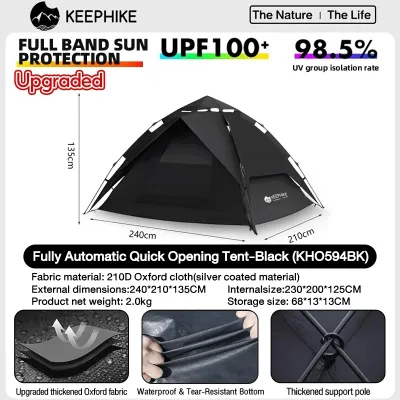
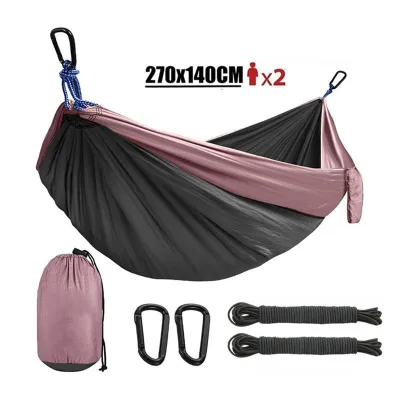
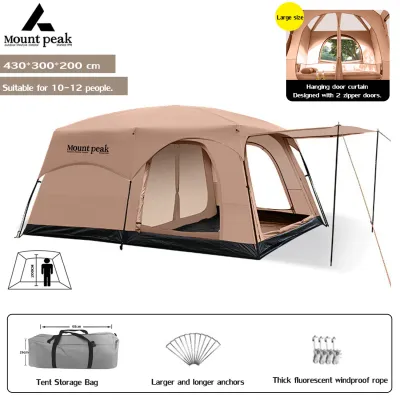
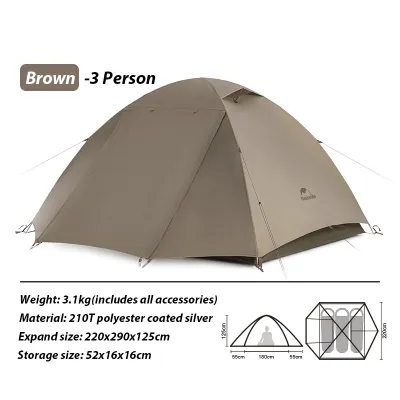
Prices are valid at publication and may change. Please refer to the product page for the latest price.
Before purchasing, cross-reference the online storefront with the brand’s official communication channels. Check Alltrek’s official website or verified social media accounts for direct links to their authorized online stores. If a seller’s name does not appear on these official lists, proceed with extreme caution.
Avoid purchasing from unverified third-party sellers on general online marketplaces, especially those that lack clear business registration details. These sellers often use generic names, lack a history of customer feedback, and do not display any official brand affiliation. Their claims of selling authentic overstock are rarely verifiable and often serve as a cover for counterfeit merchandise.
Inspecting Product Packaging and Labels
Once your package arrives, the packaging and labeling are the first physical indicators of authenticity. Genuine Alltrek products are typically packaged in high-quality boxes or durable polybags featuring clean, crisp printing. Examine the exterior packaging closely for signs of poor manufacturing, such as blurry text, faded colors, misspelled brand names, or distorted logo proportions. Counterfeiters often use low-resolution scans of official logos, resulting in pixelated designs.

Next, inspect the hangtags and care labels attached to the gear. Authentic outdoor equipment tags should clearly state the exact material composition, washing instructions, and manufacturer details. These specifications must match the official product descriptions. If you notice generic care labels that omit the brand name, contain grammatical errors, or list incorrect materials (such as listing cotton care instructions on a synthetic nylon tent), the item is likely a counterfeit.
Additionally, look for security features like authenticity stickers, holograms, or unique QR codes on the tags. If the product features a verification QR code, follow the scanning instructions on the official Alltrek website rather than relying on generic third-party scanning apps. Fake products often include QR codes that link to spoofed websites designed to look like the official brand page. Always verify that the URL in your browser’s address bar matches the official brand domain exactly.
Evaluating Build Quality and Materials
Outdoor gear must withstand demanding environmental conditions, which requires precise manufacturing standards. Begin your physical inspection by examining the stitching, particularly in high-stress areas like backpack shoulder straps, tent corner pull-outs, and sleeping bag baffles. The stitching should be uniform, tight, and completely free of loose threads or skipped stitches. Double or reinforced stitching is standard on load-bearing areas of genuine gear, whereas counterfeits often feature single, uneven seams that can easily unravel under tension.
Hardware components are another critical area where counterfeiters frequently cut corners. Inspect all zippers, buckles, clips, and pole sections. Genuine gear typically utilizes high-quality, branded hardware that operates smoothly without catching or sticking. Check for clean, crisp brand engravings on the zipper pulls and plastic buckles. If the zippers feel flimsy, stick frequently, or lack proper branding, or if the plastic buckles feel brittle and bend easily, the product may not be authentic.
Finally, evaluate the fabric and specialized coatings. Authentic outdoor gear uses specific denier ratings of nylon or polyester treated with water-resistant coatings. Feel the texture of the fabric; it should feel durable and consistent. If you are inspecting a tent, check the interior seams to ensure they are fully taped with a clean, clear waterproof membrane. Counterfeit tents often omit seam taping entirely or use poorly applied tape that bubbles and peels off easily. In a tropical climate where heavy downpours are common, untaped seams will allow water to seep through almost immediately.
Red Flags and Common Counterfeit Tactics
Recognizing the common tactics used by sellers of counterfeit gear can help you avoid a bad purchase. One of the most prominent red flags is an unrealistically low price. If you see an Alltrek tent or sleeping bag listed in ₱ at a price significantly lower than the standard retail price on the official store, you should be highly skeptical. While legitimate sales do occur, permanent clearance discounts of 50% or more from unverified sellers are almost always an indication of counterfeit goods.
Analyze the product listings and images carefully. Genuine listings feature high-resolution photos showing close-ups of the fabric texture, hardware, and stitching. Be wary of listings that rely solely on heavily edited stock photos, low-resolution images, or photos watermarked by other sellers. Counterfeiters often steal images from official catalogs because they do not have high-quality physical products to photograph.
Furthermore, pay close attention to the seller’s store policies and customer service responsiveness. Legitimate authorized retailers clearly outline their return policies, warranty terms, and customer support contact information. If a seller has no clear return policy, offers “no returns under any circumstances,” or provides vague, automated responses to inquiries, it is best to find another source. A lack of transparent customer service is a strong indicator of a fraudulent seller.
What to Do If You Suspect a Fake
If you have already purchased an item and suspect it is a counterfeit, do not take it out into the field. Using unverified gear in remote outdoor settings can be dangerous. A counterfeit backpack could fail while carrying a heavy load on a steep descent, or a fake sleeping bag might fail to provide necessary insulation during a cold night. Stop using the gear immediately to prevent safety hazards or physical injuries.
Document your findings thoroughly. Take clear, well-lit photographs of the areas where the product fails to meet authentic standards, such as messy stitching, incorrect logos, misspelled labels, or broken hardware. Keep all of your purchase records, including order confirmation emails, digital receipts, shipping labels, and any chat history with the seller. This documentation will be essential when you attempt to recover your funds.
Contact the customer support team of the e-commerce platform where you made the purchase to initiate a dispute or return request under their buyer protection program. Most reputable platforms have strict policies against the sale of counterfeit goods and will issue a refund if you can provide clear evidence of fraud. Additionally, report the suspicious seller and provide your documentation to Alltrek’s official customer support. Reporting these listings helps the brand take legal action against counterfeiters, protecting other outdoor enthusiasts from falling victim to the same scams.
Frequently Asked Questions (FAQ)
Can I verify Alltrek products using a serial number?
While some premium outdoor equipment lines include unique serial numbers or batch codes printed on the care labels or product tags, this feature may vary depending on the specific product type and manufacturing year. To confirm if your specific Alltrek tent, backpack, or sleeping bag should have a serial number, consult the official Alltrek website or contact their customer service department directly. If your product does have a serial number, always verify it through the brand’s official verification portal rather than relying on unverified third-party databases.
Are Alltrek items on third-party e-commerce platforms always fake?
No, authorized resellers and official distributors frequently operate storefronts on general e-commerce platforms to reach a wider audience. However, because these platforms also host independent third-party sellers, you must actively verify the specific shop’s credentials. Look for platform-verified badges, check the seller’s rating and history, and cross-reference their shop name with the list of authorized retailers on the official Alltrek website. Whenever possible, prioritize purchasing directly from the brand’s official flagship store on these platforms to ensure authenticity.
Community discussion
Share your experience or ask a question. Comments are reviewed before publication.