
To verify if a Raleigh bicycle store in the Philippines is official and authorized, you must cross-reference the dealer’s name with the official global or regional Raleigh distributor directory, inspect the physical store for a valid, unexpired certificate of authorization, and verify that the bicycle’s frame serial number matches the official manufacturer warranty card. Purchasing from an authorized source ensures your investment is protected by a genuine manufacturer warranty and that the frame and components meet strict safety standards.
Navigating the local cycling market requires vigilance, especially with the rising popularity of daily commuting and weekend trail riding in tropical conditions. Ensuring your bicycle comes from an authorized channel protects you from substandard builds that may fail under high humidity or heavy road use. Whether you are selecting a folding bike for city commuting, a road bike for long-distance training, or a mountain bike for rugged terrain, verifying the seller’s credentials is the first and most critical step of your purchasing journey.
Why Store Authorization Matters for Your Raleigh Bicycle
Purchasing a bicycle is a significant investment, not just financially, but also in terms of your personal safety on the road. When you buy from an authorized Raleigh retailer, you ensure the bicycle has been shipped, stored, and assembled according to strict manufacturer guidelines, avoiding safety risks like improperly tensioned spokes or poorly adjusted brakes. Unauthorized sellers often bypass these quality control measures, which can lead to structural failures that compromise your safety during a ride.
Products mentioned in this guide
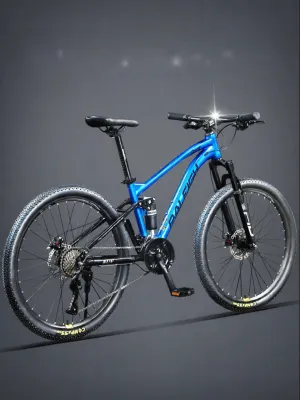
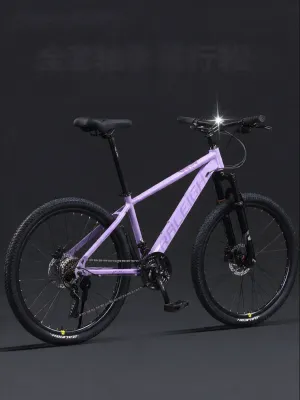
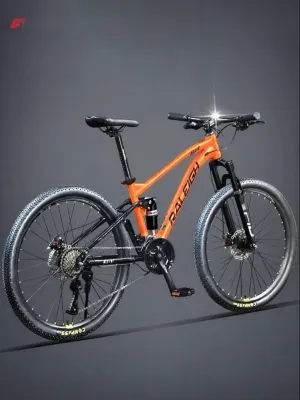
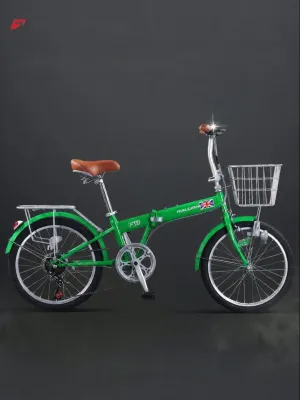
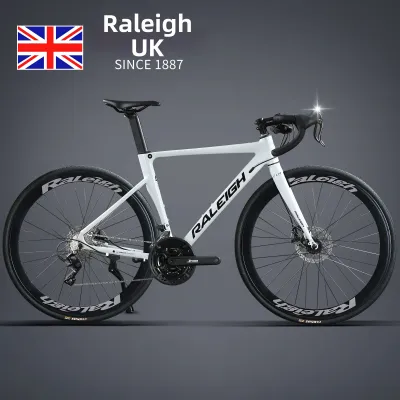
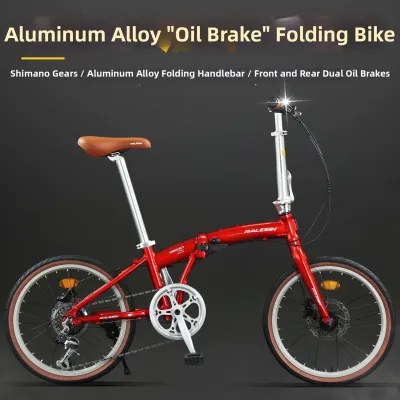
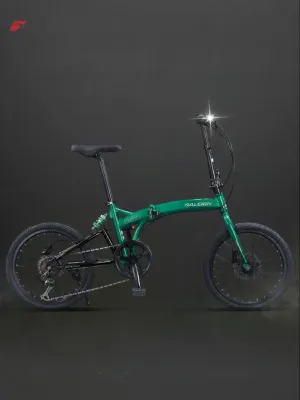
Prices are valid at publication and may change. Please refer to the product page for the latest price.
Furthermore, the manufacturer warranty is strictly tied to authorized distribution channels. Raleigh typically limits its warranty coverage to the original purchaser who bought the bicycle from an officially recognized dealer. If you purchase from an unauthorized source, any structural frame failure or manufacturing defect will not be covered, leaving you to bear the full cost of replacement parts and labor.
Safety risks are magnified when dealing with unverified sellers who may distribute counterfeit frames lacking the internal reinforcement of genuine Raleigh models. Under demanding local road conditions—ranging from sudden potholes to intense tropical downpours—a structural failure can result in severe accidents. Proper training, safety gear like helmets, and road awareness are essential for safe cycling, but they cannot compensate for a structurally compromised frame.
Finally, authorized stores provide access to specialized after-sales service and proprietary spare parts. Modern bicycles often feature proprietary frame designs, derailleur hangers, or cable routing systems that cannot be easily replaced with generic components. Authorized dealers maintain a direct line of communication with the manufacturer to source these exact parts, ensuring your bicycle remains in peak operating condition throughout its lifespan.
How to Verify if a Raleigh Store is Officially Authorized
Confirming a retailer’s official partnership status requires a systematic approach. Start by utilizing the official Raleigh global or regional website’s dealer locator tool. If a dedicated locator for the Philippines is unavailable, contact the designated regional distributor for Southeast Asia to request a verified list of local dealers.

Direct communication with the regional distributor is highly effective when online directories are not fully updated. Reach out via verified email addresses or official social media channels with the store’s exact name and physical address to confirm if they are authorized to sell and service Raleigh bicycles.
When visiting a physical store, take the time to inspect the premises for visible proof of authorization. Legitimate dealers proudly display their official dealer certificates, which are typically issued annually by the brand or its authorized regional distributor. Check the certificate for key details, including the store’s exact business name, the validity dates, and an official stamp or signature from the distributor. If the certificate is expired, faded, or missing entirely, treat this as a prompt to ask the store manager for clarification.
Additionally, verify the physical store’s local business registration documents, such as the Mayor’s Permit and Bureau of Internal Revenue (BIR) registration. These documents should be displayed publicly in accordance with local laws. The business name listed on these registrations should align with the name printed on the store’s authorization certificate and the official receipts they issue, ensuring a transparent and legally compliant transaction.
Red Flags of Unauthorized and Grey-Market Bicycle Sellers
Identifying warning signs early saves you from the financial and physical risks of purchasing a grey-market bicycle. A major red flag is pricing significantly below the standard market average without official promotional justification. A brand-new Raleigh bicycle offered at a fraction of its typical retail price often indicates a counterfeit product or a parallel import lacking local warranty support.
Another critical warning sign is the condition of the frame’s serial number and component branding. Unauthorized sellers sometimes alter, deface, or completely remove the serial number to prevent the manufacturer from tracking the unauthorized supply chain. Inspect the underside of the bottom bracket shell closely; if you notice scratch marks, uneven paint, or a completely missing serial number plate, walk away from the purchase immediately, as this is a clear sign of illicit sourcing.
Be highly cautious of retailers who refuse to provide official sales receipts or valid manufacturer warranty cards. An authorized dealer will always issue a registered BIR receipt that clearly details the bicycle model, frame serial number, and purchase date. If a seller offers only a handwritten “acknowledgment receipt” or claims that the warranty is managed exclusively through their store rather than the manufacturer, it is highly likely they are not an official partner.
Physical and Documentation Checks at the Point of Purchase
Before finalizing your purchase, conduct a thorough physical and documentation check. Locate the physical serial number stamped on the frame—usually on the underside of the bottom bracket shell—and cross-reference it with the serial number on the manufacturer’s warranty card and the official sales invoice.
Next, perform a detailed visual inspection of the bicycle’s build quality. Genuine Raleigh frames are manufactured to high standards, featuring smooth, consistent welds, a flawless paint finish, and high-quality decals that are sealed under a clear protective coat. Inspect the frame joints, the alignment of the dropouts, and the branding on key components like the handlebars, stem, and seatpost. Counterfeit models often exhibit sloppy welding, misaligned decals, or generic, unbranded components substituted in place of the original specifications.
Ensure that the warranty card is properly completed, stamped, and signed by the authorized dealer at the time of purchase. The card must include the store’s official stamp, the date of purchase, the bicycle model, and the verified frame serial number. Keep this documentation, along with your official BIR receipt, in a secure, dry place to protect it from the high humidity typical of the Philippine climate, as you will need both documents to process any future warranty claims.
Warranty and After-Sales Implications for Unverified Stores
Purchasing a Raleigh bicycle from an unverified or unauthorized store carries long-term consequences that extend far beyond the initial transaction. The most immediate impact is the immediate voiding of the manufacturer’s warranty. Raleigh and its official regional distributors maintain strict policies against grey-market imports, meaning they will not provide replacement parts or financial coverage for any defects if the bicycle was not sourced through an authorized local dealer.
Additionally, local independent repair shops may face significant limitations when trying to service a bicycle purchased from an unverified source. If your bicycle requires proprietary replacement parts—such as a specific derailleur hanger, internal cable routing guides, or custom frame hardware—independent shops will not have direct access to the manufacturer’s inventory. This can leave you with an unusable bicycle for extended periods while you search for compatible aftermarket alternatives.
If you suspect that a bicycle you have already purchased is counterfeit or was misrepresented as an officially sourced product, you should take immediate action. Document the entire transaction by gathering your receipts, any written communications with the seller, and clear photographs of the bicycle’s serial number and frame details. Contact the official regional distributor to report the seller and verify the authenticity of your serial number, and consider filing a formal complaint with local consumer protection agencies to seek a resolution.
Frequently Asked Questions (FAQ)
This section addresses common queries regarding the verification of Raleigh retailers and bicycle authenticity.
Can I trust online marketplaces for official Raleigh bicycles?
Online marketplaces can host both official brand flagship stores and unauthorized third-party resellers. To ensure you are purchasing a genuine product with full warranty support, look for the platform’s official mall verification badge, which indicates that the seller’s business credentials have been vetted. Always cross-reference the online storefront’s name with the list of authorized dealers on Raleigh’s official website, and avoid purchasing from individual sellers or unverified shops that cannot provide an official BIR receipt and a stamped manufacturer warranty card.
How do I locate the serial number on a Raleigh frame?
The serial number on a Raleigh bicycle frame is most commonly stamped on the underside of the bottom bracket shell, which is the cylindrical part of the frame where the pedal cranks meet. On certain models, the serial number may also be located on the head tube near the handlebars or on the rear dropout near the rear wheel axle. To read the characters clearly, wipe away any accumulated road grime or grease, and ensure that this physical number matches the documentation provided by your retailer exactly.
Community discussion
Share your experience or ask a question. Comments are reviewed before publication.