
Verifying the authenticity of your outdoor gear is a critical step in preparing for any camping expedition. When shopping online for Black Dog camping equipment, ensuring you are purchasing from the genuine official store protects you from substandard counterfeits that can fail in the field. By learning to recognize platform verification badges, evaluating seller metrics, and analyzing product listings, you can confidently secure reliable gear for your outdoor adventures.
Why Authenticity Matters for Camping Gear
When preparing for an outdoor expedition, your gear serves as your primary line of defense against the elements. In tropical climates like the Philippines, where sudden torrential downpours, high humidity, and intense heat are common, the reliability of your shelter and equipment is paramount. Investing in authentic outdoor gear is not just about brand loyalty; it is a fundamental safety decision that directly impacts your comfort and security in the wild.
Counterfeit camping equipment often mimics the aesthetic design of reputable brands but utilizes inferior materials and manufacturing processes. For instance, a counterfeit tent may feature low-grade aluminum or fiberglass poles that lack the structural integrity to withstand sudden gusts of wind on an exposed ridge. If a pole snaps during a storm, it can tear the tent fabric, collapse your shelter, and leave you exposed to harsh weather conditions.
Products mentioned in this guide
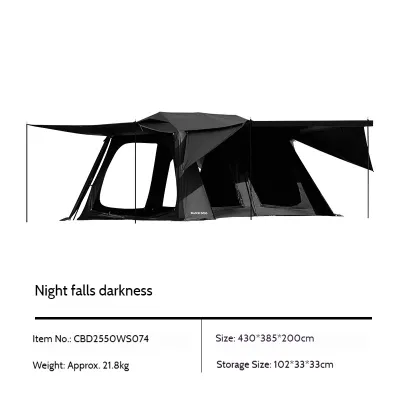
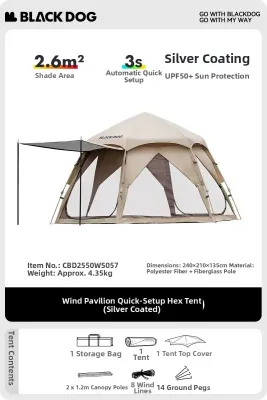
Prices are valid at publication and may change. Please refer to the product page for the latest price.
Genuine outdoor gear is engineered with specific material coatings to resist water penetration and UV degradation. Counterfeit products frequently skip these essential treatments or use cheap chemical substitutes that wash away after a single rainstorm. This results in rapid material degradation, seam leakage, and a high susceptibility to mold and mildew in humid environments. A backpack with poorly stitched load-bearing straps can fail mid-hike, shifting your center of gravity and increasing the risk of falls on steep, slippery trails.
While high-quality gear significantly reduces the likelihood of equipment failure, it is important to remember that no product can replace proper outdoor training, physical preparation, and sound environmental judgment. Before setting out, you must understand your personal limits, monitor local weather forecasts, and know when to call off a trip. Ensuring your gear is authentic is a critical baseline check, but your safety ultimately depends on your decision-making and outdoor skills.
How to Identify the Genuine Black Dog Official Store
Navigating online marketplaces requires a systematic approach to verify that you are purchasing from an authorized source. Major e-commerce platforms employ specific verification systems to help shoppers distinguish official brand outlets from third-party sellers and potential counterfeiters.

The first step in verification is identifying official store badges. On prominent e-commerce platforms, official brand-owned stores or authorized flagship distributors are marked with distinct labels, such as a verified brand tag or a mall badge. These badges indicate that the platform has vetted the seller’s business registration, trademark ownership, and supply chain authenticity. Always look for these visual indicators on both the search results page and the store’s main homepage.
Next, examine the exact spelling of the store name and review its profile details. Counterfeiters frequently use deceptive naming conventions, adding subtle characters, hyphens, or terms like ‘factory outlet’ or ‘discount store’ to mimic official channels. A genuine store will typically have a clean, professional name, such as ‘Black Dog Official Store’ or ‘Black Dog Flagship Store.’ Additionally, check the seller’s business information page on the platform to verify their registered business name and location.
Store performance metrics offer valuable clues regarding a seller’s legitimacy. Legitimate official stores usually boast high positive feedback ratings, typically above 90% or 95%, along with a substantial follower base and a history of active operation spanning several years. Be cautious of stores that have only been active for a few weeks or months, especially if they have a low volume of ratings paired with an unusually high number of followers, as these metrics can sometimes be artificially inflated.
Finally, cross-reference the online store link with the brand’s official global website or verified social media profiles. Reputable outdoor brands often maintain a directory of authorized online retailers or provide direct links to their official flagship stores on regional e-commerce platforms. If you are uncertain about a store’s status, visiting the brand’s official social media page and checking their link directory is one of the most reliable ways to confirm you are on the correct path.
Evaluating Product Listings and Pricing
Beyond verifying the storefront itself, analyzing individual product listings is crucial for spotting unauthorized sellers. Counterfeit listings often contain subtle discrepancies that reveal their true nature upon closer inspection.
Pricing is one of the most immediate indicators of authenticity. While official stores occasionally run promotions, seasonal sales, or participate in platform-wide campaigns, their prices generally remain consistent with standard retail values. If you encounter a highly sought-after camping tent or a premium sleeping cot listed at a fraction of its standard retail price—such as ₱1,500 instead of its usual ₱5,000—exercise extreme caution. Unrealistic discounts that seem too good to be true are almost always a sign of counterfeit goods or fraudulent listings.
Examine the product descriptions and technical specifications thoroughly. Authentic listings provide precise details regarding materials, dimensions, weight, waterproof ratings, and warranty coverage. They also feature high-resolution, professionally shot product imagery that showcases the brand’s design details and logos clearly. In contrast, counterfeit listings often rely on low-quality, pixelated images, incomplete or vague specifications, and product descriptions filled with machine-translation errors.
Analyze the customer review section with a critical eye. Look for recent reviews that include user-submitted photos and videos of the actual product received. Pay close attention to feedback regarding the quality of the materials, the precision of the stitching, the presence of official brand tags, and the condition of the packaging. Be wary of listings where the reviews consist entirely of generic, repetitive five-star ratings without photos, as these can be fabricated to mask poor product quality.
Consider the overall product assortment available within the store. An official brand store typically showcases a comprehensive catalog of the brand’s ecosystem, ranging from large family tents to small camping accessories like lanterns, tableware, and storage bags. Unauthorized or counterfeit sellers often list only a handful of high-demand, easily replicated items while lacking the broader product line that defines a genuine brand presence.
Steps to Take If You Encounter a Suspected Fake
If you suspect that a store is selling counterfeit Black Dog gear, or if you have unfortunately received a product that does not match genuine standards, taking prompt action helps protect both your investment and the wider outdoor community.
Your first course of action should be reporting the suspicious listing or store directly to the e-commerce platform. Most major online marketplaces feature a report button on product pages and store profiles. Select the appropriate category, such as intellectual property infringement, counterfeit goods, or misleading listings, to alert the platform’s moderation team. This initiates an internal investigation that can lead to the removal of the fraudulent store.
Document all available evidence meticulously. Take clear screenshots of the product listing, the store’s homepage, any suspicious chat conversations you had with the seller, and the pricing details. If you have already purchased and received the item, take high-resolution photos of the packaging, shipping labels, product tags, and any specific areas showing poor craftsmanship, such as uneven stitching, misaligned logos, or substandard materials.
Initiate a return and refund request immediately through the platform’s official buyer protection system. It is vital to do this within the designated protection window and before confirming that the order has been received. Once you mark an order as completed, the platform typically releases the funds to the seller, making it significantly harder to recover your money. State clearly that the item is suspected to be counterfeit and upload your documented evidence to support your claim.
Lastly, contact the brand directly to verify authorized distribution channels. If a seller claims to be an authorized dealer but lacks official platform badges, you can reach out to the brand’s official customer support or global social media channels. Providing them with the store’s name or URL allows them to confirm whether the seller is part of their authorized network, helping you make an informed decision before completing a purchase.
Frequently Asked Questions (FAQ)
Can a store be legitimate without an official badge?
Yes, some legitimate third-party retailers and local outdoor specialty shops sell authentic gear without holding an official platform brand badge. These sellers are often authorized dealers rather than the brand’s direct flagship outlet. While they may not feature the platform’s official brand tag, they should be transparent about their sourcing and willing to provide proof of authorization upon request.
When shopping from these non-official but authorized stores, it is essential to perform extra due diligence. Check if the store is listed on the brand’s official distributor directory, read customer reviews carefully to verify the authenticity of past purchases, and compare their pricing with the brand’s standard retail rates. If the store’s reputation is solid and their pricing aligns with market standards, they may be a reliable alternative, but verifying their credentials remains a necessary step.
What should I look for in the packaging of genuine gear?
Genuine outdoor gear is typically delivered in high-quality, professional packaging that reflects the brand’s standards. Look for sturdy cardboard boxes or durable storage bags featuring clean, high-resolution printing of the brand’s logo, product specifications, and barcode labels. The packaging should be intact, with security seals or branded tape showing no signs of tampering.
Inside the packaging, authentic products usually include official tags attached to the gear, user manuals with clear instructions, warranty registration cards, or QR codes that link directly to the brand’s official verification portal. While minor packaging variations can occur depending on the production batch or region, a general lack of branding, generic plastic wrapping, misspelled labels, or missing documentation are strong indicators of a counterfeit product.
Community discussion
Share your experience or ask a question. Comments are reviewed before publication.