
Buying authentic outdoor gear is crucial for safety and comfort, especially when facing unpredictable tropical weather. When you are looking to purchase Blackdeer camping equipment, ensuring you are buying from the official brand store on major online marketplaces is the first line of defense against counterfeit products. Substandard replica gear often fails under real-world conditions, leading to leaking tents during sudden downpours or broken structural poles during high winds. By learning how to verify store badges, analyze customer feedback, inspect product listings, and cross-reference with official brand channels, you can confidently secure genuine gear that keeps you safe on your next outdoor adventure.
Identifying Official Store Badges and Platform Certifications
E-commerce platforms use specific visual indicators to help shoppers distinguish authorized brand stores from independent sellers. When searching for premium outdoor gear, your first step should be looking for platform-certified tags such as “Mall,” “Official,” or “Flagship” labels on the store profile. These badges are not handed out freely; platforms require sellers to submit official brand authorization letters, trademark registration documents, and business licenses before granting these premium statuses.
To verify these credentials yourself, navigate to the store’s main profile page on the shopping app or website. Many platforms allow users to view the seller’s registered business details, including the legal entity name and operating address. If the registered name points to an unrelated individual rather than an authorized trading company or the brand’s local distributor, this is a strong signal to proceed with caution.
Products mentioned in this guide
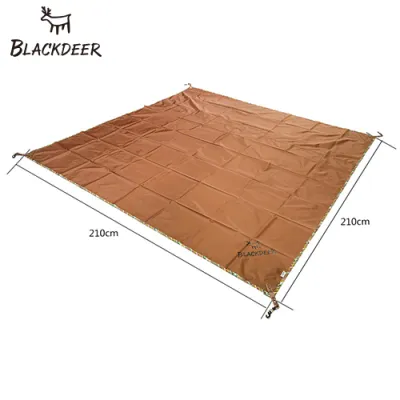
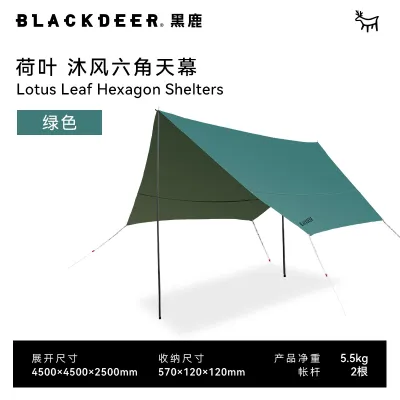
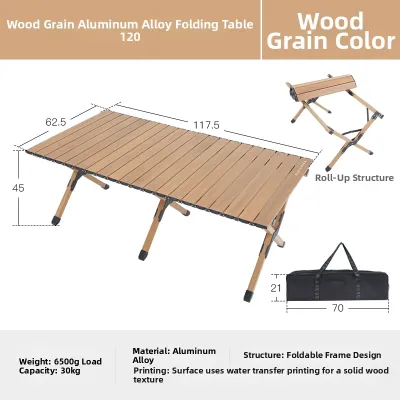
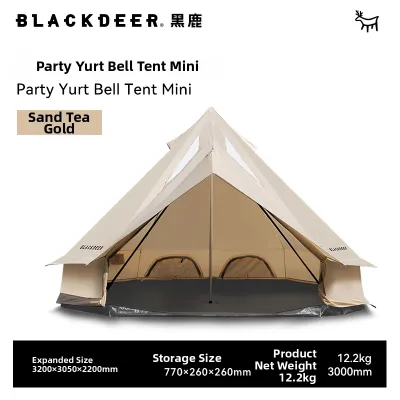
Prices are valid at publication and may change. Please refer to the product page for the latest price.
It is also important to understand the difference between a standard “preferred” or “verified” seller and a brand-authorized official store. While preferred status indicates a high volume of successful transactions and good customer service, it does not guarantee that the seller is an authorized distributor of a specific brand. Anyone can resell items and gain preferred status, but only officially vetted entities can display the official brand flagship badge.
Additionally, pay close attention to the exact spelling of the store name. Counterfeiters often set up shops with names that closely mimic the official brand, using subtle typos, extra punctuation, or random strings of numbers to deceive hurried shoppers. A genuine official store will have a clean, professional name without unnecessary characters or spelling errors.
Analyzing Store Metrics and Customer Feedback
Beyond official badges, a store’s historical performance metrics offer valuable clues about its legitimacy. Take a close look at the store’s creation date or the “years active” metric displayed on their profile. A newly created storefront that suddenly lists a wide array of premium camping gear at steep discounts is a common red flag, as counterfeit operations frequently set up temporary shops that disappear once negative reviews accumulate.

Customer reviews provide a transparent window into the actual quality of the products being shipped. Instead of focusing solely on the overall star rating, filter the reviews to read the neutral and negative feedback. Look specifically for comments mentioning poor material quality, missing brand tags, incorrect stitching, or items that do not match the advertised specifications.
Be analytical when reading positive reviews as well. Counterfeit sellers often manipulate their ratings using automated bots or paid reviewers who leave generic, repetitive feedback. If you notice dozens of five-star reviews with identical phrasing, low-resolution stock photos, or nonsensical machine translations, the store’s rating may be artificially inflated. Genuine buyer reviews typically feature detailed descriptions of the gear’s performance, real-world photos taken in local camping spots, and specific feedback about shipping times.
Another common tactic is listing hijacking, where a seller repurposes an old, highly-rated listing for a completely different product to inherit its positive reviews. If you are looking at a camping tent listing but the historical reviews talk about phone cases or clothing, this is a clear sign of a fraudulent storefront. Always ensure the reviews match the specific outdoor gear you intend to buy.
Inspecting Product Listings and Pricing Realities
Evaluating individual product listings is highly effective for spotting counterfeit items before they reach your cart. Start by analyzing the pricing structure of the camping gear. While official stores frequently run seasonal promotions or participate in platform-wide campaigns, genuine premium tents and sleeping bags rarely sell for a fraction of their standard market value. If a tent normally priced around ₱6,000 is listed for ₱1,500, the extreme discount is a strong indicator of a counterfeit product or a bait-and-switch listing.
Authentic listings from official brand stores feature comprehensive product specifications, high-resolution original images, and detailed sizing or weight charts. Official brands invest heavily in professional product photography and clear, accurate technical data to help campers make informed decisions. If the listing relies on blurry, watermarked, or mismatched images stolen from various online sources, you are likely looking at an unauthorized reseller.
Pay close attention to the fine print in the product description. Counterfeit listings often use generic descriptions that omit key brand identifiers, or they may use slightly altered brand names to bypass platform filters. Additionally, official listings will clearly outline warranty terms, return policies, and package inclusions, whereas unauthorized listings typically remain vague about post-purchase support and product guarantees.
Weight and material specifications are also critical verification points. Genuine lightweight camping gear is designed with specific materials like ripstop nylon or aluminum poles to keep weight minimal. If a listing lacks these technical details or if the package weight seems unusually heavy for the advertised model, the product may be made from cheaper, heavier substitute materials.
Cross-Referencing With Brand Channels and Customer Service
When platform indicators and product listings leave room for doubt, cross-referencing with external brand channels provides definitive proof. Start by visiting the brand’s global or regional website, which often hosts a “Where to Buy” section or a list of authorized online retail partners. If the website lists specific official stores on major e-commerce platforms, compare the store names and URLs exactly to ensure you are not visiting a lookalike storefront.
Direct communication with the seller is another powerful verification tool. Use the platform’s built-in chat feature to message the store’s customer service team. Ask direct questions regarding product authenticity, such as requesting to see their brand authorization certificate or asking for specific product batch details. A legitimate official store will readily provide clear, professional answers and may even guide you on how to register your product for warranty support.
The quality and speed of the customer service response can tell you a lot about the operation. Authorized brand representatives possess deep technical knowledge of their camping gear, from fabric denier ratings to pole materials. If the customer service agent provides evasive answers, uses highly informal language, or fails to understand basic technical questions about the outdoor equipment, it is highly probable that you are dealing with an unauthorized third-party seller.
Furthermore, ask about the shipping origin of the product. Official distributors usually ship from local warehouses or established regional hubs. If the seller is vague about where the item is shipping from or if the shipping timeline is excessively long without a clear explanation, it may indicate a drop-shipping operation selling unverified goods.
Steps to Take If You Suspect Counterfeit Camping Gear
If you have already made a purchase and suspect the received camping gear is counterfeit, immediate and structured action is necessary to secure your money. Start by documenting the unboxing process. Before opening the package, take clear photos of the shipping label, tracking number, and packaging condition. Record a continuous video of the unboxing, paying close attention to physical details such as uneven stitching, cheap plastic zippers, missing holographic tags, or a chemical odor that differs from standard outdoor fabrics.
Once you have gathered your evidence, initiate the return and refund process directly through the e-commerce platform. When selecting the reason for your return, choose “fake/counterfeit” or “item not as described” rather than a generic change-of-mind reason. Upload your photos and unboxing video as supporting evidence to clearly demonstrate how the received item deviates from official brand specifications.
Avoid negotiating directly with the seller if they attempt to offer partial refunds or ask you to close the dispute outside the platform’s official channels. Counterfeit sellers often use these tactics to delay the process until the platform’s buyer protection window expires. Keep all communications within the platform’s chat system and escalate the dispute to the platform’s customer support team to ensure a secure, verified refund process. Using unverified gear in the wild poses safety risks, so do not compromise on authenticity.
Frequently Asked Questions (FAQ)
Can a Store Be Legitimate Without an Official Badge?
Yes, some authorized third-party retailers and local outdoor shops sell genuine gear without holding an official flagship badge on the platform. However, buying from these stores requires extra diligence. You should ask the seller to provide their official brand authorization letter and verify their reputation through customer reviews, as purchasing from non-badged stores carries a higher risk of encountering counterfeit products.
Are Blackdeer Products From Third-Party Resellers Always Fake?
No, many third-party resellers source genuine products through legitimate wholesale channels or parallel imports. However, buying from unauthorized sellers means you forfeit official brand warranties and direct customer support. For guaranteed authenticity, reliable product performance, and full warranty coverage, purchasing directly from the official flagship store remains the safest option.
How Can I Verify the Authenticity of a Blackdeer Tent After Delivery?
To verify your tent after delivery, inspect the physical build quality and brand markings. Genuine tents feature clean, double-stitched seams with waterproof sealing tape, high-quality aluminum poles, and branded logos cleanly printed or embroidered on the fabric and zippers. Additionally, check for official hangtags containing batch codes or serial numbers, which you can cross-reference with the brand’s official customer support channels.
Community discussion
Share your experience or ask a question. Comments are reviewed before publication.