
To ensure you are buying genuine Naturehike gear in the Philippines, purchase through verified flagship channels on major e-commerce platforms (marked with official mall badges), cross-reference seller details with authorized distributor lists, and physically inspect the product’s construction, tags, and packaging upon delivery.
As outdoor recreation grows in the Philippines—from the humid Sierra Madre ridges to the breezy heights of Mt. Pulag—the demand for lightweight, high-performance camping gear has surged. This popularity has led to an increase in counterfeit products. Naturehike is a go-to brand for hikers seeking a balance between weight, durability, and affordability. However, online marketplaces host unauthorized sellers offering imitation gear that looks nearly identical to the original but fails under real-world outdoor conditions. Verifying your purchase is essential to protect your safety and your budget.
Why Authenticity Matters for Camping and Hiking Gear
When you are miles away from the nearest road, your gear is your primary line of defense against the elements. Outdoor equipment such as double-walled tents, down sleeping bags, and ergonomic hiking backpacks must meet rigorous manufacturing standards to perform under pressure.
Products mentioned in this guide
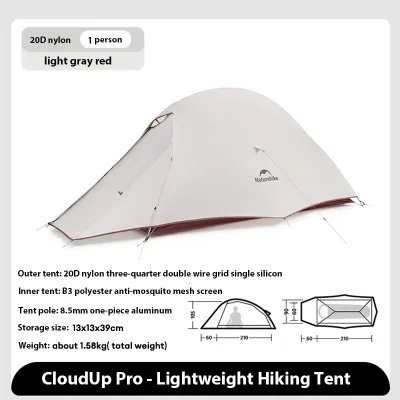
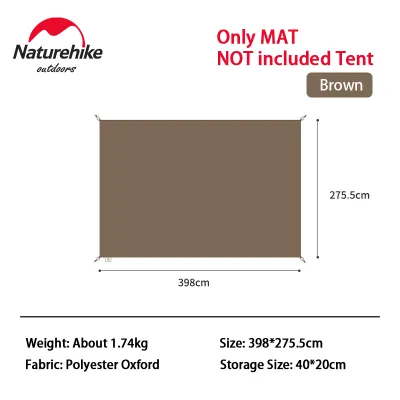
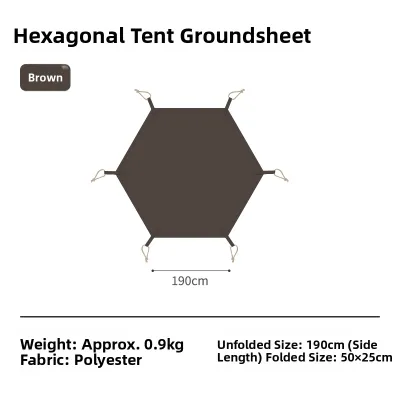
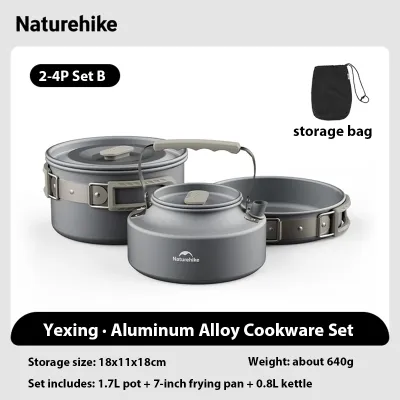
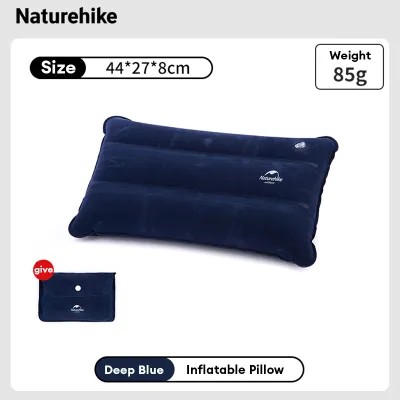
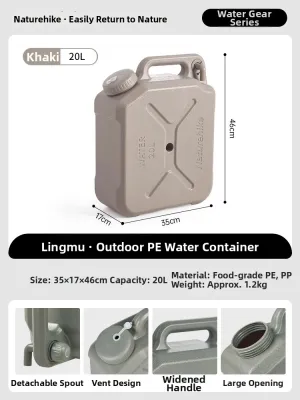
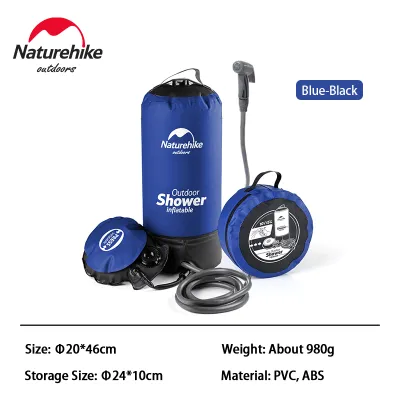
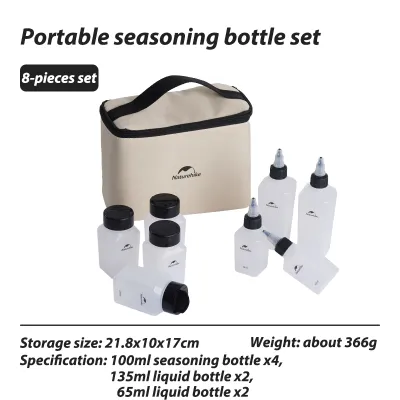
Prices are valid at publication and may change. Please refer to the product page for the latest price.
A tent is an engineered structure designed to withstand high winds and heavy tropical downpours. Genuine Naturehike products utilize specific material grades, such as silicone-coated nylon with verified hydrostatic head ratings, to keep water out while maintaining breathability in high-humidity environments.
Counterfeit outdoor gear compromises on every critical component. Imitation tents often use cheap polyester fabrics with low-grade polyurethane coatings that degrade rapidly under the intense Philippine sun, leading to leaks during sudden afternoon thunderstorms.
Flimsy aluminum or fiberglass poles can snap under moderate wind loads, potentially tearing the tent fabric or causing structural collapse in the middle of the night. Sleeping bags filled with low-quality synthetic batting instead of properly rated down fail to insulate correctly, which can lead to hypothermia during cold nights in high-altitude campsites.
Beyond immediate safety hazards, purchasing counterfeit gear carries significant financial risks. Authentic Naturehike products come with manufacturer warranties and access to customer support for replacement parts, such as pole segments or rainfly replacements.
If you purchase from an unauthorized seller, these warranties are immediately voided. You are left without recourse when a zipper splits, a buckle cracks, or a seam unravels after just one or two uses. Investing in genuine gear ensures that your equipment remains reliable over multiple seasons of rugged use.
Identifying the Official NatureHike Store on E-commerce Platforms
The convenience of shopping online comes with the challenge of navigating hundreds of virtual storefronts, many of which use deceptive branding to appear legitimate. When searching for Naturehike products on major e-commerce platforms in the Philippines, your first line of defense is looking for verified platform badges.

On Lazada, for instance, look exclusively for the “LazMall” tag, which indicates that the storefront has been vetted and is recognized as an official brand distributor or flagship store. These platforms enforce strict verification processes for mall merchants, making them the safest digital channels for your purchase.
Do not rely solely on the store name or the presence of the Naturehike logo in the banner graphics. Fraudulent sellers frequently copy official marketing assets, product descriptions, and brand logos to create a convincing facade.
Instead, dig deeper into the seller’s profile by clicking on their store name. Examine the store registration date; a genuine flagship store typically has years of operating history, whereas counterfeit operations are often newly registered accounts that pop up to sell a batch of fake inventory before disappearing.
Check the store’s follower count and overall rating. Official brand stores usually boast tens of thousands of followers and maintain a high positive feedback rating (typically 95% or above) backed by thousands of detailed customer reviews.
Pay close attention to the customer review section of specific products. Genuine listings feature reviews with detailed photos and videos from real buyers showcasing the actual packaging and product details, rather than generic, repetitive comments that may indicate artificial review manipulation.
Finally, cross-reference the digital storefront with Naturehike’s official global channels. If the brand lists authorized regional distributors or links directly to their official Philippine flagship stores from their global website or verified social media pages, use those direct links to navigate to the store. This eliminates the risk of accidentally clicking on a sponsored search result that leads to a highly sophisticated lookalike shop.
Inspecting Physical Products: Packaging, Tags, and Build Quality
Once your package arrives, conducting a thorough physical inspection before confirming receipt on your e-commerce app is critical. Genuine Naturehike gear is packaged with high standards of quality control.
The external boxes or storage sacks should feature crisp, high-resolution printing with correct brand logos, proper typography, and accurate product specifications. Counterfeits often arrive in generic plastic bags or poorly printed cardboard boxes with blurry text and misaligned graphics.
Next, inspect the product tags and labels attached to the gear. Authentic Naturehike tags are made of thick, high-quality cardstock or durable synthetic materials, featuring clear font styles, consistent spacing, and accurate spelling.
Carefully read the listed specifications, such as fabric denier (e.g., 20D or 210T), waterproof ratings, and weight. Counterfeiters often make spelling errors, use inconsistent fonts, or list generic specifications that do not match the official product catalog. If the tag lists a material or weight that differs significantly from the manufacturer’s official specifications, the item is likely a counterfeit.
The most telling indicators of authenticity lie in the build quality of the product itself. Examine the stitching along the seams of tents, backpacks, or sleeping bags. Genuine gear features tight, uniform, and straight stitching, with double-stitching at high-stress points and clean seam-sealing tape applied smoothly over internal joints to prevent water ingress.
Counterfeit items frequently exhibit loose threads, crooked seams, uneven stitching, or poorly adhered seam tape that bubbles or peels off easily.
Additionally, test the hardware components of the gear. Naturehike utilizes reliable, branded hardware, such as YKK zippers or durable Duraflex buckles, on many of their high-end models. Check the zippers to ensure they glide smoothly without catching, and verify that the pull tabs feature clean, embossed logos where applicable.
Inspect the tent poles; genuine aluminum poles are lightweight, have a consistent anodized finish, and connect smoothly at the joints without rough edges or excessive play. Compare these physical attributes directly with official product images and specifications found on the manufacturer’s global website.
Red Flags: How to Spot Counterfeit Listings and Items
Spotting a counterfeit listing before you make a purchase can save you the hassle of dealing with returns and refunds. The most obvious red flag is a price that seems too good to be true.
While official stores run occasional promotions, extreme discounts that slash the price of a premium tent to a fraction of its standard retail value (for example, offering a ₱7,000 tent for ₱1,800) are almost always indicative of a counterfeit product. Genuine high-quality outdoor gear requires specialized materials and manufacturing processes that cannot be profitably sold at rock-bottom prices.
Another warning sign in online listings is the use of watermarked photos belonging to other sellers or brands, or a complete lack of original product photography. If a listing relies solely on low-resolution stock images, has mismatched product titles, or features extremely vague product descriptions that omit specific material details, exercise extreme caution. Legitimate sellers provide comprehensive specifications, including exact dimensions, materials, weights, and clear, high-resolution imagery.
For physical items in hand, a strong, offensive chemical odor is a major red flag. This smell typically comes from cheap, industrial-grade polyurethane coatings, toxic dyes, or low-quality plastics that have not been properly cured or are banned in consumer-grade outdoor products. Authentic gear may have a mild “new fabric” smell, but it should never emit a pungent, chemical odor that causes discomfort.
Look closely at the branding elements on the product itself. Misaligned logos, incorrect color schemes, or embroidered brand names with connected threads between letters indicate a lack of quality control typical of counterfeit workshops.
Additionally, check for the inclusion of essential accessories. Authentic Naturehike tents, for example, come complete with designated peg sets, wind ropes, matching storage bags, and sometimes a custom footprint or repair patch. Missing accessories or mismatched components are strong indicators that the item is not genuine.
Steps to Take If You Suspect You Bought a Fake Item
If you suspect an item is counterfeit, acting quickly is essential to secure a refund through the platform’s buyer protection policies. Before opening the package, always record a continuous, unedited unboxing video.
Start by showing the shipping label clearly, including the tracking number and seller details, then proceed to open the package and inspect the product’s tags, logos, and stitching on camera. This video serves as indisputable evidence of the item’s condition upon arrival.
If the product fails your physical inspection, do not click the “Order Received” or “Confirm Receipt” button on your shopping app. Confirming receipt releases the payment to the seller, making it significantly harder to dispute the transaction. Instead, immediately initiate a return and refund request through the platform’s official interface, selecting “Counterfeit” or “Item not as described” as the reason for the return.
Prepare your dispute case by compiling clear, high-resolution photos and video clips that highlight the specific discrepancies between the received item and the authentic product. Take side-by-side comparison shots if possible, pointing out issues like crooked stitching, incorrect logos, misspelled tags, or low-quality materials.
When communicating with the seller and platform customer service, remain polite but firm, citing these specific physical discrepancies and referencing the official manufacturer specifications.
Avoid negotiating with the seller outside the platform’s official chat system. Some fraudulent sellers may offer partial refunds or ask you to close the dispute in exchange for sending a replacement. Do not agree to these proposals, as they are often tactics to delay the process until the platform’s buyer protection window expires. Allow the platform’s dispute resolution team to mediate the case, using your documented unboxing video and photo evidence to secure a full refund.
Frequently Asked Questions (FAQ)
Does NatureHike operate physical retail stores in the Philippines?
Naturehike does not operate dedicated, brand-exclusive physical retail stores in the Philippines, but their products are distributed through authorized multi-brand outdoor specialty shops and major sporting goods retailers.
To verify if a local physical shop is an authorized dealer, you should check the official Naturehike global website’s store locator or contact their verified customer support channels directly. Do not assume a local camping shop is an authorized dealer simply because they display the Naturehike logo or stock some of their products; always verify their credentials to ensure your purchase is backed by an official warranty.
Is a QR code on the product tag a guaranteed proof of authenticity?
While many authentic Naturehike products feature QR codes or scratch-off security labels on their tags for digital verification, a QR code alone is not a foolproof guarantee of authenticity. Sophisticated counterfeiters can easily print fake QR codes on their tags that redirect unsuspecting buyers to fraudulent, lookalike verification websites designed to mimic the official brand portal.
When scanning a verification QR code, carefully check the URL in your browser’s address bar to ensure it points to the official, secure Naturehike domain (such as naturehike.com) rather than a suspicious, third-party web address. Digital verification should always be used as one component of a comprehensive inspection that includes checking build quality, stitching, and hardware.
Community discussion
Share your experience or ask a question. Comments are reviewed before publication.