
Wearing a neck gaiter effectively requires a balance of physical coverage, a secure fit, and verifying the fabric’s protective specifications before you step outdoors. Whether you are hiking up a humid mountain trail, riding a motorcycle along dusty provincial roads, or spending a day under the intense tropical sun, a neck gaiter serves as a versatile shield. To achieve maximum protection, you must ensure the fabric sits flush against your skin without gaps, covers vulnerable areas like the nose, ears, and nape, and maintains its structural integrity. By understanding how to adjust, style, and maintain this simple piece of gear, you can significantly reduce your exposure to harsh ultraviolet rays and airborne debris.
Preparing Your Neck Gaiter for Outdoor Use
Before heading out into the intense heat and humidity, inspect your neck gaiter to ensure it is ready to perform. Do not assume all stretchy fabrics offer equal protection. Check the manufacturer’s label or product specifications for a verified Ultraviolet Protection Factor (UPF) rating, which indicates how much solar radiation the fabric blocks. A higher UPF rating is essential for long hours under the sun, especially in tropical climates where solar exposure is intense. Additionally, examine the density of the weave by holding the fabric up to the light; a tighter weave generally offers better physical defense against both sun rays and fine dust particles.
Next, assess the fit and elasticity of the garment. Slide the gaiter over your head to verify that it stretches comfortably without feeling overly tight. It should cling gently to your face and neck, staying in place when you move your head. If the elastic has degraded, the gaiter will constantly slip down, forcing you to adjust it repeatedly and exposing your skin. Finally, perform a quick pre-use check for cleanliness and physical wear. Ensure the fabric is completely dry, as damp material can harbor bacteria in humid conditions. Look closely for any thinning areas, small holes, or frayed seams that could compromise dust filtration and UV blocking.
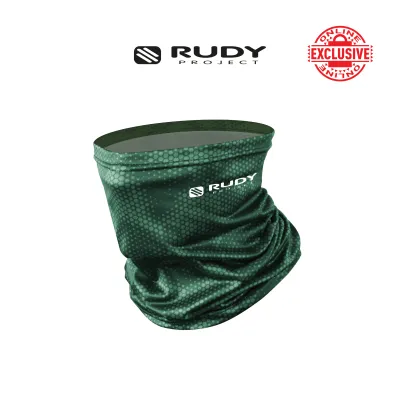
Products mentioned in this guide
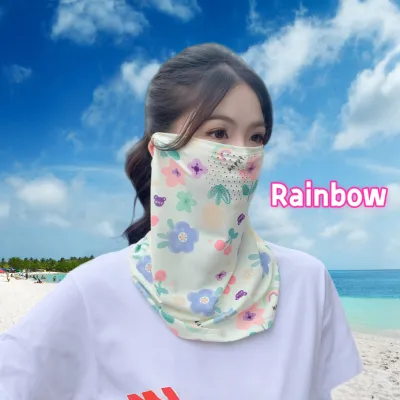

9,757 Lazada user ratings
High-quality product at a great price, Great for summer rides, Protects my neck from dust and sunlight, Great design, perfect for cycling, I…Read full reviewShow less
High-quality product at a great price, Great for summer rides, Protects my neck from dust and sunlight, Great design, perfect for cycling, Ideal for outdoor activities, Keeps me cool during long rides, Love the buy 1 take 1 offer, Fits perfectly and stays in place,
seller dimo ba chinecheck mga orders sau b4 sending the item?diba sabi dun buy 1 get 1 at ang nakalagay dun sa pakiging is 2 pcs pero sa loo…Read full reviewShow less
seller dimo ba chinecheck mga orders sau b4 sending the item?diba sabi dun buy 1 get 1 at ang nakalagay dun sa pakiging is 2 pcs pero sa loob iisa.irresponsible na seller naman tol
Great for summer rides, Love the buy 1 take 1 offer, Protects my neck from dust and sunlight, Protects my neck from dust and sunlight, Prote…Read full reviewShow less
Great for summer rides, Love the buy 1 take 1 offer, Protects my neck from dust and sunlight, Protects my neck from dust and sunlight, Protects my neck from dust and sunlight,
🛠️Durability:High-quality product at a great price, 🎨Design:maganda 🔧Material:makapal Comfort:ganda din ng tela
Ideal for outdoor activities, Protects my neck from dust and sunlight, Keeps me cool during long rides,
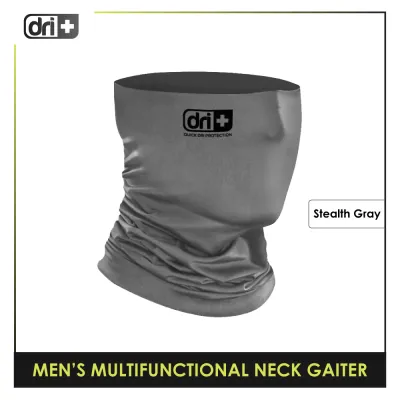
1,235 Lazada user ratings
maganda sya png cover sa face habang ng momotor madaling matuyo pg nabasa, mas ok sana kung walang dugtungan gaya nun isang gingamit ko Mois…Read full reviewShow less
maganda sya png cover sa face habang ng momotor madaling matuyo pg nabasa, mas ok sana kung walang dugtungan gaya nun isang gingamit ko Moisture-wicking feature works wonders, Lightweight and comfortable to wear,
Easy to wash and maintain, Love the multi-functionality, Soft and breathable fabric, UV protection is a bonus, very nice and recommended pro…Read full reviewShow less
Easy to wash and maintain, Love the multi-functionality, Soft and breathable fabric, UV protection is a bonus, very nice and recommended product
Material: is soft and comfortable 🎨Design: look is great and for outdoor activities, Soft and breathable fabric,
Love the multi-functionality, Lightweight and comfortable to wear, Moisture-wicking feature works wonders,
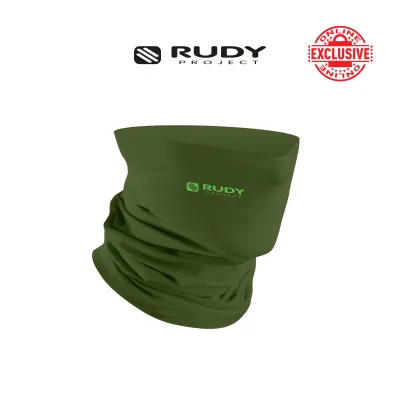
13 Lazada user ratings
Seamless. Quality material. Smooth and comfy. Will purchase different color. Thanks for the discount.
Breathable and comfortable, High-quality fabric, Versatile neck protection,
🛠️Durability:9.9/10 🎧Comfort:9.9/10 🛠Adjustability:9.9/10 😍😍😍😍😍😍😍😍😍😍😍😍😍😍😍😍😍😍😍😍😍😍😍😍😍😍😍😍😍😍😍😍😍😍😍😍😍😍😍😍
perfect for its intended purpose
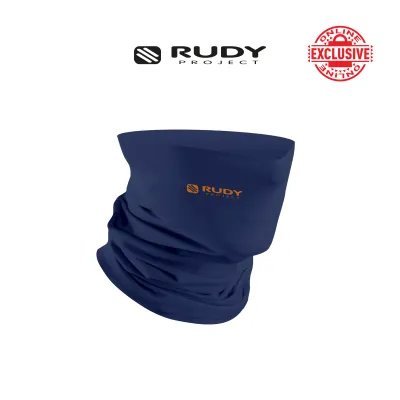
31 Lazada user ratings
Here’s my review on the item based on my experience (5 counts is the highest, 1 count the lowest, No count poor and Bad experience is 👎👎👎👎👎) Dur…Read full reviewShow less
Here’s my review on the item based on my experience (5 counts is the highest, 1 count the lowest, No count poor and Bad experience is 👎👎👎👎👎) Durability ⭐️⭐️⭐️ Adjustability ⭐️⭐️⭐️⭐️ Price: ✅✅✅✅
Quick-drying material, Adjustable fit design, Adjustable fit design, Rudy Project brand, Durable and long-lasting, 🛠️Durability:ok ❤️❤️❤️❤️❤️☝️☝️☝️☝️☝️☝️ 👌Ease of…Read full reviewShow less
Quick-drying material, Adjustable fit design, Adjustable fit design, Rudy Project brand, Durable and long-lasting, 🛠️Durability:ok ❤️❤️❤️❤️❤️☝️☝️☝️☝️☝️☝️ 👌Ease of Use:ok ✋️✋️✋️✋️✋️✌️✌️✌️✌️✌️ 🎨Design:🥳🥳🥳🥳🥳🥳🥰🥰🥰🥰🥰🥰
My 3rd neck gaiter with rudy project. absolutely one of the best. i can breathe easily and comfortable on the neck. will definitely buy agai…Read full reviewShow less
My 3rd neck gaiter with rudy project. absolutely one of the best. i can breathe easily and comfortable on the neck. will definitely buy again.
Perfect for racing, Rudy Project brand, Breathable and comfortable, Adjustable fit design, Durable and long-lasting, Durable and long-lastin…Read full reviewShow less
Perfect for racing, Rudy Project brand, Breathable and comfortable, Adjustable fit design, Durable and long-lasting, Durable and long-lasting,
quality ang materials na ginamit!!! highly recommended!! thanks seller and lazada for the vouchers and dizcounts!!!
13 Lazada user ratings
Thank you Rudy Project for the fast, seamless delivery and complete orders. High quality cycling products at an affordable price tag. Best i…Read full reviewShow less
Thank you Rudy Project for the fast, seamless delivery and complete orders. High quality cycling products at an affordable price tag. Best investment for my passion in cycling and for health and fitness maintenance 👍👍👍👍👍
Very good quality products.
nice & good quality
Prices are valid at publication and may change. Please refer to the product page for the latest price.
Step-by-Step Wearing Techniques for Full Coverage
Achieving complete protection requires a systematic approach to putting on and positioning your neck gaiter. Start with the basic neck-covering method, which forms the foundation of your defense. Pull the gaiter down over your head so it rests around your neck. Ensure the lower edge sits completely flat against your collarbone and upper chest. This step is crucial because any loose folds or gaps at the bottom can allow swirling dust, wind, or insects to enter from below, especially when you are moving at speed on a bicycle or motorcycle.

Once the base is secure, gently pull the upper edge of the gaiter upward to cover your lower face. Position the top hem so it sits securely across the bridge of your nose and extends back over your ears. Carefully smooth out the fabric along your cheeks to eliminate any gaps around your cheekbones. The material should rest flat against your skin, creating a continuous barrier from just below your eyes down to your collarbone. If the fabric feels loose around the nose, adjust the tension by pulling slightly more fabric toward the back of your head to distribute the stretch evenly.
For comprehensive outdoor protection, integrate your neck gaiter with your other headwear, such as a wide-brimmed sun hat, a cap, or a helmet. When wearing a hat, pull the upper back portion of the gaiter up over the crown of your head before putting the hat on. This layers the fabric securely under the hat’s sweatband, locking it in place and preventing it from sliding down during active movement. If you are wearing a helmet, tuck the top edges of the gaiter under the helmet’s padding or straps. This integration keeps the fabric stable and prevents the sun from reaching the small strip of skin at the back of your neck.
Styling Adjustments for Sun and Dust Defense
Environmental conditions dictate how you should style and position your neck gaiter. While a single configuration might work for a casual walk, you must shift your styling priorities depending on whether your primary threat is direct, intense UV exposure or heavy, swirling airborne dust on dry trails.
Maximizing Sun Protection
When your main goal is shielding your skin from intense solar radiation, focus on covering the highly vulnerable areas of your head and neck. The nape of the neck and the delicate skin behind your ears are exceptionally susceptible to painful sunburns, yet they are frequently overlooked. To protect these areas, style the gaiter as a hood or a legionnaire-style cap. Pull the back of the gaiter up over your head so it covers your ears entirely and drapes down over your neck, leaving only your face exposed.
Pay close attention to the seams and fold lines of the fabric. Position any thick seams or folded edges away from direct sunlight, such as under your chin or toward the front, to prevent localized heat buildup. When seams are exposed to direct, intense sun, they can trap heat against your skin, causing discomfort and localized sweating. Keeping the fabric flat and unbunched over the back of your neck ensures the material maintains its uniform density and protective capability.
To eliminate any remaining gaps where UV rays can reach your skin, combine your neck gaiter with sunglasses and a wide-brimmed hat. Slide your sunglasses on over the top edge of the gaiter. This overlapping setup ensures that the sensitive skin around your eyes and upper cheeks is completely shielded.
Optimizing Dust and Debris Defense
Navigating dusty trails or dry provincial roads requires a secure seal around your breathing zone to keep airborne particles out of your nose and mouth. To achieve this, pinch and shape the fabric directly over the bridge of your nose. Pressing the material firmly against your skin helps minimize gaps where dust can bypass the fabric. This snug seal is also highly beneficial if you wear eyewear, as it prevents your warm, exhaled breath from escaping upward and fogging up your lenses, keeping your vision clear during physical exertion.
Consider the trade-offs between different layering methods based on the severity of the dust. In moderately dusty environments, a single layer of breathable fabric over your nose and mouth is usually sufficient, allowing for maximum airflow and heat dissipation. However, if you encounter heavy dust clouds, fold the top portion of the gaiter downward to create a double-layer barrier over your breathing zone. While this double-layer configuration increases breathing resistance slightly, it significantly improves the physical filtration of fine particles.
Finally, secure the lower portion of the gaiter to prevent dust from swirling up from underneath. Tuck the bottom hem deeply inside your shirt collar, or secure it firmly beneath your backpack straps or the collar of a light jacket. This physical anchor prevents the wind generated by your movement from lifting the fabric.
Common Wearing Mistakes to Avoid
Even the highest-quality neck gaiter can fail to protect you if it is worn incorrectly. One of the most common mistakes is leaving the lower neck, throat, or the tips of the ears exposed. This often happens when the gaiter is too short, has lost its elasticity, or is simply pulled up too high without securing the bottom. Always check your reflection or ask a companion to verify that no skin is visible between the bottom of the gaiter and your shirt collar, especially when you bend or turn your head.
Another frequent error is overstretching the fabric to force a tight fit. If you use a gaiter that is too small for your head, stretching the material excessively pulls the fibers apart. This thinning of the fabric reduces its density, which directly lowers its UPF effectiveness and allows fine dust particles to pass through the widened gaps in the weave. If you find that the fabric is translucent or highly strained when worn, switch to a larger size or a more elastic material that can cover your face comfortably without losing its protective density.
Lastly, do not ignore moisture buildup from sweat and condensation. In hot and humid tropical climates, breathing through a fabric face covering quickly saturates the material with moisture. Wet fabric not only becomes uncomfortable and difficult to breathe through, but it can also cause skin irritation, chafing, and heat rashes. If your gaiter becomes thoroughly soaked, take a break in a shaded, safe area, remove the garment, and allow it to air-dry, or switch to a clean, dry spare gaiter.
Maintenance and Care for Lasting Protection
Proper maintenance is essential to preserve the protective qualities and structural integrity of your neck gaiter over time. Always refer to the manufacturer’s specific care label before washing. Many high-performance gaiters feature specialized fabric weaves or chemical treatments that provide UV resistance. Using harsh detergents, bleach, or fabric softeners can degrade these protective features and break down the elastic fibers. Instead, wash the gaiter using a mild, gentle detergent in cool or lukewarm water to protect the fabric’s integrity.
After washing, inspect the garment’s elastic recovery and fabric density. Gently stretch the gaiter and observe how quickly it snaps back into its original shape. If the fabric remains loose, stretched out, or shows visible thinning when held up to the light, the elastic fibers have likely broken down. A loose gaiter will no longer stay securely on your face, indicating that it is time to replace the item to ensure you remain fully protected during your outdoor activities.
To dry your neck gaiter, avoid using a high-heat mechanical dryer, which can warp synthetic fibers and ruin elasticity. Instead, hang the gaiter to air-dry in a well-ventilated area out of direct, intense sunlight, as prolonged exposure to harsh UV rays during drying can prematurely age the fabric. Ensure the garment is completely dry before storing it in a cool, dry drawer or gear bag. Storing a damp gaiter in a humid environment can lead to the growth of mold and mildew, which can ruin the fabric and cause unpleasant odors.
Frequently Asked Questions (FAQ)
Can a neck gaiter replace a dedicated sun hat or dust mask?
A neck gaiter is an excellent tool for supplementary coverage, but it is not a complete replacement for specialized protective gear. While a gaiter shields your neck, ears, and lower face from direct sunlight, it lacks a rigid brim to shade your eyes, forehead, and upper face from overhead solar radiation. For comprehensive sun defense, you should always pair your gaiter with a wide-brimmed hat. Additionally, standard fabric neck gaiters are not certified respiratory masks. They are highly effective at blocking larger particles like windblown sand, dirt, and road dust, but they do not filter out microscopic hazardous particles, smoke, or chemical fumes. For environments with hazardous airborne contaminants, a certified respirator is necessary.
How do I keep my glasses from fogging up when wearing a neck gaiter?
To prevent your glasses or sunglasses from fogging, you must control the path of your exhaled breath. Pull the top edge of the neck gaiter up over the bridge of your nose, ensuring it sits flat against your skin without bunching. Next, place your glasses on top of the fabric, resting the nose pads directly over the upper hem of the gaiter. This physical overlap helps seal the top edge, forcing your warm, moist breath to escape downward through the fabric rather than rising up into your lenses. Adjusting the tension of the gaiter so it fits snugly against your cheeks will also minimize the upward airflow that causes condensation.
Community discussion
Share your experience or ask a question. Comments are reviewed before publication.