
Applying a towel grip to your badminton racket is one of the most effective ways to maintain control during fast-paced rallies, especially when playing in hot and humid conditions. To wrap a towel grip properly, you must strip the old grip down to the bare wooden handle, clean the surface, anchor the grip at the butt cap, wrap it upward with consistent tension and a slight overlap, and secure the top with high-quality finishing tape. This simple modification can dramatically improve your hold on the racket, preventing slips that lead to unforced errors.
Choosing the right grip style is a highly personal decision, but for players who struggle with sweaty palms, the towel grip badminton setup offers unparalleled moisture management. By taking the time to install it correctly, you ensure that the racket handles exactly as intended, preserving the bevel feel of the wood while maximizing comfort.
Why Players Switch to a Towel Grip
The primary advantage of a towel grip is its superior sweat absorption. In tropical climates like the Philippines, where indoor badminton courts can become incredibly warm and humid, standard synthetic or polyurethane (PU) grips often fail. When sweat runs down your arm and onto a PU grip, the surface becomes slick, causing the racket to twist in your hand during high-impact smashes or delicate net drops. A towel grip, made of woven cotton terry cloth, acts like a sponge, absorbing moisture and maintaining a high-friction surface even during intense, multi-hour sessions.
Products mentioned in this guide
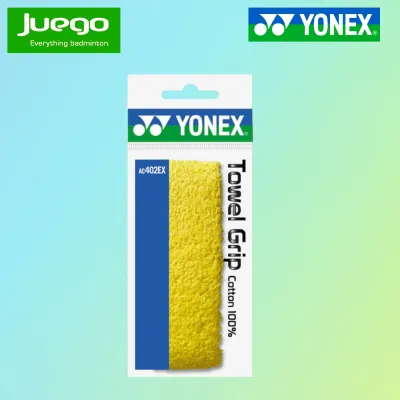
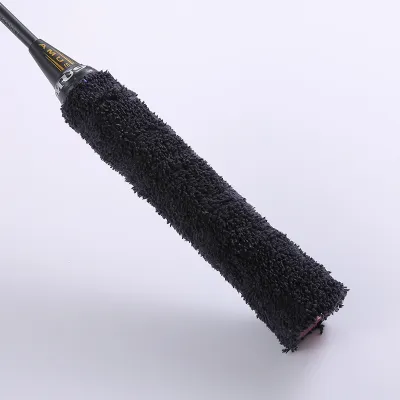
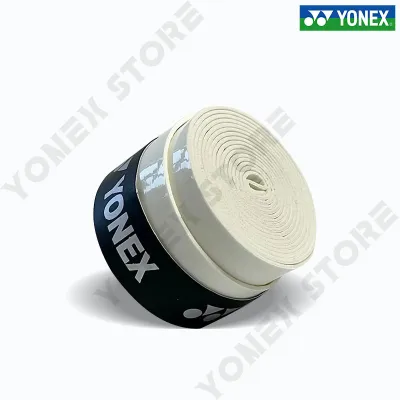
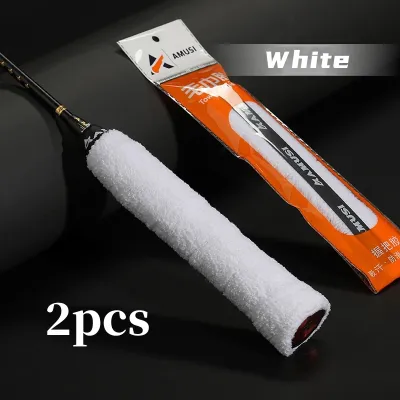
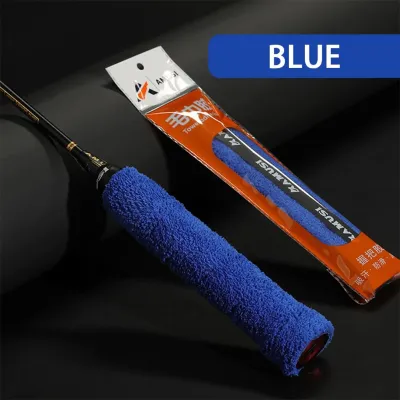
![[Ready Stock] Badminton Racket Towel Absorbent Non-Slip Anti-Sweat Grip Strap Grip Badminton Towel Grip 10 Meter Towel Grip Sweat Band And Yonex Towel Syntheric Wrap Strong Grap](https://img.lazcdn.com/g/p/cdc97e29ad35e1bbbd305e5982ce98c1.jpg_400x400q80.jpg_.webp)
Prices are valid at publication and may change. Please refer to the product page for the latest price.
However, switching to a towel grip involves a few trade-offs. Unlike synthetic overgrips, which are thin and preserve the sharp edges of the racket’s wooden handle, towel grips are naturally thicker and softer. This cushioning provides excellent shock absorption, reducing the strain on your wrist and elbow, but it can slightly round out the handle’s bevels. For players who rely on feeling the exact angles of the handle to transition between forehand and backhand grips, this softer profile requires a brief adjustment period.
Additionally, a properly installed towel grip acts as a protective barrier for your racket. When sweat seeps through a worn-out or poorly wrapped grip, it directly penetrates the wooden handle underneath. Over time, this constant moisture exposure can cause the wood to rot, soften, or develop mold, ultimately ruining the structural integrity of your racket. A fresh towel grip absorbs this moisture and keeps the wood dry, extending the overall lifespan of your equipment.
Tools and Materials You Will Need
Before you begin the wrapping process, gather all your tools and materials to ensure a smooth, uninterrupted installation. Having everything within arm’s reach prevents the adhesive backing from collecting dust or losing its tackiness while you search for a tool.

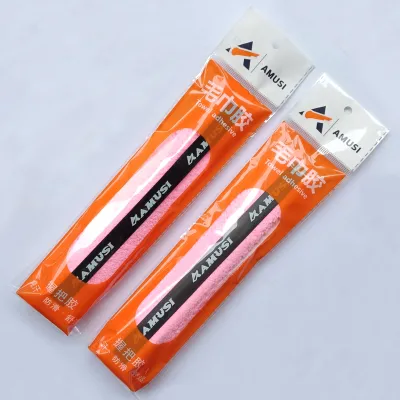
- A new towel grip: Select a high-quality cotton towel grip. These typically come in rolls with an adhesive backing running down the center.
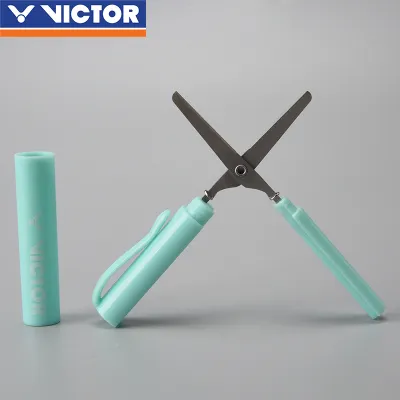
- Sharp scissors: Essential for making clean, precise diagonal cuts at the end of the wrapping process.
- Finishing tape: Most towel grips include a strip of finishing tape, but having a roll of high-quality vinyl electrical tape on hand is highly recommended for a more secure hold.
- Rubbing alcohol (isopropyl alcohol): Used to clean the bare wooden handle and remove old adhesive residue.
- A clean microfiber cloth: For wiping down the handle and drying the surface.
- A hairdryer (optional): Useful if you need to quickly dry the wooden handle after cleaning, or if you are working in a highly humid environment.
Set up your workspace in a clean, dry, and well-lit area. A flat table or desk provides the best stability, allowing you to hold the racket securely with one hand while manipulating the grip material with the other.
Step-by-Step Guide to Wrapping a Towel Grip
Wrapping a towel grip requires patience and a steady hand. Following these steps sequentially will help you achieve a professional-grade finish that feels secure and comfortable.
Step 1: Prepare and Clean the Racket Handle
Start by completely removing the old grip, including any underlying cushion wrap or factory grip, until you reach the bare wooden handle. Many players make the mistake of wrapping a towel grip directly over an old synthetic grip, which makes the handle excessively bulky and ruins the racket’s balance. Carefully peel away all layers, taking care not to splinter the wood. If there is plastic wrap from the manufacturer still on the handle, remove it entirely.
Once the wood is exposed, you will likely notice sticky patches of old adhesive or accumulated dirt. Dampen your clean microfiber cloth with a small amount of rubbing alcohol and thoroughly wipe down all eight bevels of the wooden handle. The alcohol breaks down the sticky residue without oversaturating the wood. Avoid using excessive water, as wood absorbs moisture easily, which can lead to warping or internal rot.
After wiping, let the handle dry completely. You can speed up this process by using a hairdryer on a cool or low-heat setting for a few seconds. Do not proceed to the next step until the wood is bone-dry; applying an adhesive backing to a damp handle will prevent the grip from sticking properly and can trap moisture inside the wood.
Step 2: Anchor the Grip at the Base
Unroll your new towel grip and locate the starting end. Most towel grips have a tapered start or a pre-cut angle to make the initial wrap cleaner. Peel off the first few inches of the paper backing to expose the adhesive strip. Avoid peeling the entire backing off at once, as the exposed adhesive can easily stick to itself or collect dust from your workspace.
Align the starting edge of the towel grip flush with the bottom edge of the racket’s butt cap. If you are right-handed, you will want to wrap the grip in a clockwise direction (when looking down from the top of the racket toward the butt cap). If you are left-handed, wrap in a counter-clockwise direction. This specific orientation ensures that when you grip the racket during play, your fingers naturally close over the seams of the grip rather than peeling them back.
Press the starting end firmly against the butt cap. Wrap the first full rotation tightly around the base of the handle, keeping the grip completely level. This initial loop acts as your anchor. Ensure there are no wrinkles or loose spots, as any movement at the base will cause the entire grip to unravel later on.
Step 3: Wrap with Consistent Tension and Overlap
With the anchor securely in place, begin wrapping upward toward the racket’s shaft. As you spiral up the handle, maintain a gentle, steady tension on the grip. You want to pull the towel material taut enough so that it lies flat against the wood without any air pockets, but avoid stretching it excessively. Pulling too hard compresses the cotton fibers, stripping away the natural fluffiness and cushioning that makes a towel grip comfortable.
Pay close attention to your overlap. To achieve an even thickness, aim for a consistent overlap of approximately 1 to 2 millimeters on each turn. If you overlap too much, the handle will quickly become excessively thick, making it difficult to hold and reducing your control over racket angles. If you do not overlap enough, you will leave gaps where the bare wood is exposed, allowing sweat to seep directly into the handle.
As you work your way up, use your thumb to press down on the newly wrapped sections, securing the adhesive backing to the wood. Keep checking the alignment of the bevels; while the towel material is thick, you should still be able to feel the general octagonal shape of the handle beneath your fingers.
Step 4: Trim and Secure the Top
Continue wrapping until you reach the very top of the wooden handle, just below the plastic cone (the shaft collar). Once you reach this point, do not simply wrap the remaining material in a straight line, as this creates a bulky, uneven ridge that can interfere with your thumb placement during backhand shots.
Hold the grip firmly against the handle with your thumb to keep it from unravelling, and use your other hand to mark a diagonal line across the grip where it meets the top of the wood. Carefully unwind the last half-turn, and use your sharp scissors to cut along this diagonal line. This creates a tapered, pointed end that wraps perfectly flat against the top of the handle.
Wrap this tapered end tightly around the handle. While holding it in place, take your finishing tape or electrical tape and wrap it tightly around the top edge of the grip 2 to 3 times. Ensure the tape covers both the very edge of the towel grip and a tiny portion of the plastic cone. Pull the tape taut as you wrap to create a secure, airtight seal that prevents the grip from fraying or peeling during aggressive swings.
Common Wrapping Mistakes and How to Avoid Them
Even experienced players can make mistakes when installing a towel grip. Recognizing these common errors will help you avoid them and ensure your grip lasts as long as possible.
- Wrapping Too Tightly: Over-stretching the towel grip during installation flattens the cotton pile. This ruins the shock absorption, makes the handle feel unnaturally hard, and can even put excess pressure on the wooden handle, potentially leading to hairline cracks over time. Keep your tension firm but gentle.
- Inconsistent Overlap: Varying the amount of overlap as you move up the handle creates uncomfortable lumps and thin spots. This uneven surface can cause blisters during long playing sessions. If you notice your overlap is inconsistent, do not hesitate to gently peel the grip back a few turns and re-wrap that section.
- Leaving Gaps: Gaps between the spirals of the grip expose the bare wood to sweat. This defeats the primary purpose of using a towel grip and risks damaging the racket handle. Always verify that the edge of the grip slightly overlaps the previous turn.
- Poor Finishing: Using low-quality tape or failing to wrap the finishing tape tightly will cause the top of the grip to unravel quickly. Sweat and friction from your hand will easily peel weak tape away. Always use high-quality vinyl electrical tape if the included finishing tape feels flimsy.
Grip Maintenance: When to Clean or Replace
Because towel grips are made of cotton, they require more active maintenance than synthetic grips. They act as a sponge not only for sweat but also for dead skin cells, dirt, and oils from your hands. If left uncared for, a towel grip will quickly become a breeding ground for bacteria, leading to unpleasant odors and a hardened, slippery texture.
To maximize the lifespan of your grip, establish a post-game routine. Immediately after playing, wipe down the grip with a dry, clean towel to remove excess surface moisture. When you get home, take your racket out of your bag and store it in a well-ventilated, dry area. Never leave a damp racket inside a zipped racket bag, as the trapped humidity will cause the grip to stay wet, leading to mold growth and wood rot.
Knowing when to replace your towel grip is crucial for maintaining peak performance. You should replace your grip if you notice any of the following signs:
- Hardening: The cotton fibers have become matted, stiff, and crusty, losing their soft texture and shock absorption.
- Loss of Grip: The surface feels slick or smooth rather than textured, causing the racket to slip during swings.
- Odor: The grip has developed a persistent, musty smell that does not go away after drying.
- Discoloration: The grip is heavily stained or darkened from sweat and dirt.
While some players attempt to wash towel grips using water and soap while they are still on the racket, this is highly discouraged. Washing saturates the wooden handle underneath, risking severe structural damage, and degrades the adhesive backing, causing the grip to slip off the wood. Replacing the grip entirely is the safest and most hygienic option.
Frequently Asked Questions (FAQ)
Can I wrap a towel grip over an existing synthetic grip?
While it is physically possible to wrap a towel grip over an existing synthetic grip, it is highly discouraged. Layering grips makes the racket handle excessively thick, which limits your finger dexterity and makes it difficult to switch quickly between forehand and backhand grips. Furthermore, the extra layer adds unnecessary weight to the handle, shifting the racket’s balance point and altering its overall feel. For the best performance, always strip the handle down to the bare wood before applying a towel grip.
How often should I replace my towel grip?
The replacement frequency depends entirely on how often you play and how heavily you sweat. Casual players who play once a week may only need to change their grip every two to three months. However, competitive players or those who play in hot, non-air-conditioned halls in the Philippines may need to replace their towel grip every two to three weeks. Rather than following a strict calendar schedule, monitor the physical condition of the cotton fibers; once they feel hard, matted, or begin to smell, it is time for a replacement.
Will a towel grip change the balance of my racket?
Yes, a towel grip can slightly alter the balance of your racket, though the change is usually minor. Because cotton towel grips are slightly heavier than thin synthetic overgrips, they add a small amount of weight to the handle end of the racket. This extra weight shifts the balance point slightly toward your hand, making the racket feel marginally more head-light. Many players find that this shift actually improves racket maneuverability and allows for quicker wrist movement during defensive plays and net exchanges.
Community discussion
Share your experience or ask a question. Comments are reviewed before publication.