
Applying a yonex super grap overgrip correctly is one of the simplest yet most effective ways to improve your racket control, moisture absorption, and overall comfort on the court. Whether you are preparing for a fast-paced game of doubles in a local sports center or tuning your gear for a tournament, a properly wrapped grip ensures the racket feels like a natural extension of your hand.
By mastering the correct wrapping technique, you can achieve the perfect balance of cushion and tackiness while preserving the essential tactile feedback of your racket’s handle. This step-by-step guide covers everything from preparing the handle to securing the tape for a clean, professional finish that holds up under intense play.
Preparing the Handle and Materials for a Clean Wrap
Before applying your new overgrip, you must establish a clean, debris-free foundation. Start by carefully peeling off the old overgrip, taking care not to tear the underlying base replacement grip. Gently remove any residual adhesive or leftover bits of old finishing tape from the handle and the plastic cone at the base of the shaft.
Products mentioned in this guide
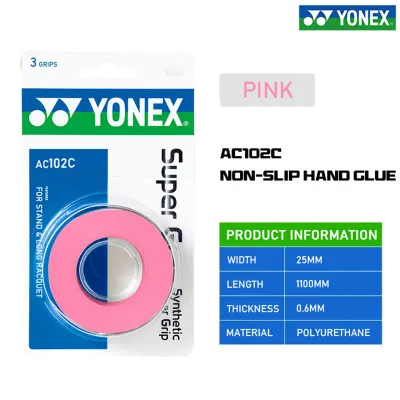
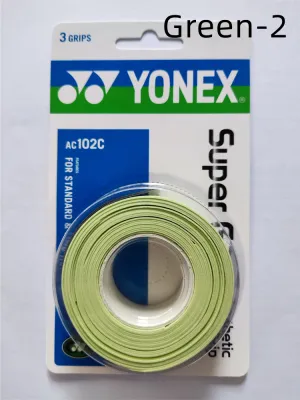
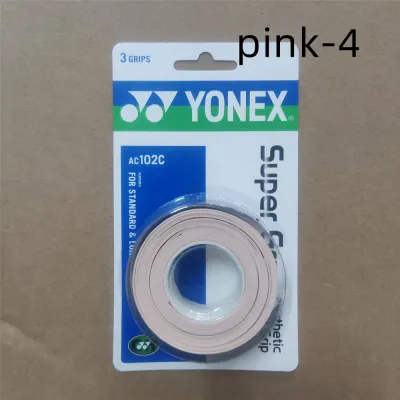
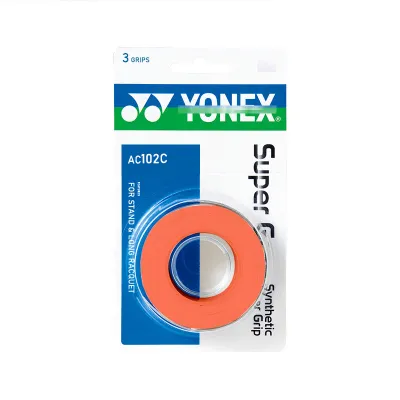
Prices are valid at publication and may change. Please refer to the product page for the latest price.
Once the old grip is removed, wipe down the bare base grip with a clean, dry microfiber cloth. This step is essential for removing accumulated dust, lint, and dried sweat salt that can prevent the new overgrip from adhering smoothly. If the base grip is excessively worn, damp, or crumbling, consider replacing it entirely before proceeding, as a damaged base grip will compromise the feel of your overgrip.
Next, unroll your new yonex super grap overgrip and organize your materials. Inside the packaging, you will find the main polyurethane grip strip, a clear protective plastic film covering the tacky side, and a short strip of adhesive finishing tape. Unroll the grip fully and identify the starting end, which is easily recognizable by its narrow, tapered shape and a small adhesive patch on the back.
Before you touch the fresh overgrip material, wash your hands thoroughly with soap and dry them completely. Natural skin oils, dirt, or moisture transferred from your fingers during the wrapping process can prematurely degrade the polyurethane’s signature tackiness. Keeping your hands clean and dry ensures the material remains pristine and ready to deliver maximum friction during play.
Step-by-Step Technique for Wrapping the Yonex Super Grap Overgrip
Starting the Wrap
Begin by peeling off the clear protective plastic film from the entire length of the overgrip. Locate the narrow, tapered starting end and peel the backing off the small adhesive patch. Anchor this adhesive patch flat against the bottom edge of the racket’s butt cap, aligning the straight edge of the grip with the very bottom rim of the cap. Holding this starting point firmly with your thumb prevents the grip from slipping as you make your first turn.

Applying Consistent Tension
As you begin winding the grip, maintain steady, moderate tension. Pulling the overgrip taut is necessary to activate the elastic properties of the polyurethane, allowing it to conform smoothly to the flat surfaces and sharp corners of the handle without bunching. However, avoid pulling the material too tightly; overstretching thin overgrips can strip away their built-in shock absorption and cause the material to wear out much faster under high-impact strokes.
Managing the Overlap
After completing one full, flat turn around the base of the butt cap to secure the anchor, begin wrapping upward at a slight diagonal angle. To achieve a uniform thickness, maintain a consistent overlap of approximately 2 to 3 millimeters on each turn. The yonex super grap overgrip features a subtle edge profile that serves as a visual guide; keeping this overlap consistent prevents gaps where the base grip might show through and ensures a smooth, ridge-free surface.
Choosing the Wrapping Direction
The direction you wrap the grip should match your dominant hand to prevent the seams from rolling or peeling back during intense play.
- Right-handed players should wrap the grip in a counter-clockwise direction when looking down from the top of the racket toward the butt cap. This ensures that when a right-handed player squeezes the handle, the natural twisting friction of the palm tightens the wrap.
- Left-handed players should wrap the grip in a clockwise direction when looking down the handle, mirroring the right-handed technique to protect the seams during high-impact overhead clears and smashes.
Reaching the Top
Continue wrapping smoothly up the octagonal handle, maintaining uniform tension and overlap. Stop wrapping once you reach the top of the wooden handle, right where the grip meets the plastic cone at the base of the shaft. Ensure the grip is laid flat against the handle at this transition point before preparing to cut and secure the end.
Finishing and Securing the Grip for a Neat Result
Once you reach the top of the handle, you will likely have a small amount of excess overgrip material. Wrapping this excess straight around the handle will create an uneven, bulky bulge that interferes with high-grip finger positioning. To avoid this, hold the grip tightly against the handle with your thumb and use a pair of sharp scissors to cut the grip at a clean diagonal angle. Start the cut from the bottom edge of the wrap and angle it upward so that the remaining tapered tail wraps flat and forms a clean, horizontal line around the top of the handle.
Next, prepare the provided finishing tape by peeling off its adhesive backing. Wrap the finishing tape tightly around the top edge of the overgrip, covering the diagonal cut completely to lock it in place. Apply firm pressure as you wind the tape to ensure a secure, bubble-free bond that will not unravel during fast-paced rallies.
When applying the finishing tape, ensure it sits squarely on the plastic cone or the very top of the handle grip. Avoid letting the tape creep up onto the thin graphite shaft of the racket. The shaft is designed to flex during overhead strokes; placing adhesive tape on this flexing zone can cause the tape to peel off prematurely or slightly alter the racket’s natural bending profile.
Checking Your Grip Thickness and Adjusting the Feel
After securing the finishing tape, perform a quick physical and visual inspection of your racket. Hold the handle and run your hand along its length to check for any wrinkles, gaps, or uneven ridges. Squeeze the handle firmly to ensure the overgrip feels uniform and secure from the butt cap to the cone, verifying that the tackiness provides an immediate, reliable hold against your palm.
Every badminton player has unique preferences when it comes to handle thickness and cushioning. If the handle feels too thick or bulky after your first attempt, you can unwrap the overgrip and re-apply it with a wider, thinner overlap of about 1.5 millimeters. Conversely, if you prefer a thicker, softer feel to absorb vibrations during heavy smashes, you can wrap the grip with a tighter overlap of 4 to 5 millimeters, though you may need to stretch the material slightly more to ensure it reaches the top of the handle.
As you test the grip, pay close attention to the octagonal bevels of the handle. Feeling these distinct flat edges and corners through the overgrip is essential for executing proper badminton technique. The bevels act as tactile guides that allow you to instantly switch between forehand, backhand, and panhandle grips without looking at your racket. Ensure your wrap is snug enough that these bevels remain clearly defined rather than rounded out.
Recognizing When to Replace Your Overgrip
Over time, the polyurethane material of your overgrip will inevitably degrade. You can easily identify when it is time for a replacement by looking for clear signs of wear: a noticeable loss of tackiness, a slick or slippery texture, visible discoloration from dirt, or fraying and peeling along the overlapping seams.
In tropical climates like the Philippines, badminton is frequently played in indoor sports complexes, school gyms, or community covered courts where temperatures and humidity levels run high. Under these warm conditions, players sweat more profusely. The overgrip absorbs this moisture and salt, which accelerates the breakdown of the polyurethane compound and causes the grip to lose its friction much faster than it would in cooler, drier environments.
To maintain precise racket control and prevent painful hand blisters, establish a regular replacement schedule based on your playing frequency:
- Casual players who play once or twice a week should replace their overgrip every 3 to 4 weeks to maintain hygiene and a secure hold.
- Competitive or daily players may need to change their overgrip every 3 to 5 playing sessions, or before every major tournament match, to guarantee their racket does not slip during high-speed defensive exchanges or power smashes.
Frequently Asked Questions (FAQ)
Should I remove the original replacement grip before applying the overgrip?
No, you should not remove the original replacement grip. Overgrips are specifically engineered to be wrapped directly over an existing base or replacement grip to provide a thin, tacky outer layer. Removing the base grip and wrapping an overgrip directly onto the bare wooden handle will result in a grip that is far too thin, lacks essential shock absorption, and can quickly lead to hand blisters and structural damage to the wood.
How can I stop my overgrip from slipping during intense matches?
To prevent slippage during intense matches, keep a small towel in your gear bag to dry your hands and racket handle between points. You can also use specialized grip powder or rosin to absorb excess palm sweat. If you play frequently in high-humidity venues, replacing your overgrip more often is the most effective way to ensure your racket remains secure in your hand during fast-paced play.
Community discussion
Share your experience or ask a question. Comments are reviewed before publication.