
Wrapping your wrists properly before hitting a heavy bag at home is one of the most effective ways to prevent joint hyperextension and impact-related injuries. While boxing gloves provide knuckle padding, they do not fully lock the wrist joint in place during heavy impacts. Applying rigid wrist tape creates a supportive external skeleton that limits excessive backward bending (extension) and side-to-side movement (deviation). In a warm, humid environment like the Philippines, managing sweat and choosing the right wrapping technique is essential to keep the tape secure throughout your workout. This guide details how to select, apply, and verify your wrist tape setup so you can train safely on your home heavy bag.
Choosing the Right Tape for Heavy Bag Workouts
Selecting the correct material is the foundation of a safe home boxing session. Rigid zinc oxide athletic tape is the gold standard for joint immobilization. Unlike elastic bandages, rigid tape does not stretch under pressure, meaning it provides maximum resistance against the force of a heavy bag punch. Elastic cohesive bandages, which stick only to themselves, offer more flexibility but significantly less joint restriction. Traditional fabric hand wraps provide excellent overall hand coverage and knuckle protection, but they lack the targeted, unyielding support that rigid athletic tape offers for the wrist joint itself.
Skin sensitivity is another critical factor when choosing your tape. The strong adhesives used on zinc oxide tape can sometimes cause irritation, especially during intense, sweaty workouts in tropical climates. If you have sensitive skin, look for hypoallergenic, latex-free athletic tapes. Alternatively, you can apply a thin layer of foam pre-wrap to your skin before taping. This pre-wrap acts as a protective barrier, preventing the adhesive from pulling on skin or fine hairs while still allowing the tape to provide structural support.
Products mentioned in this guide
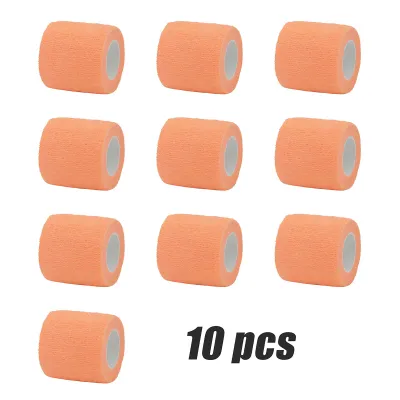
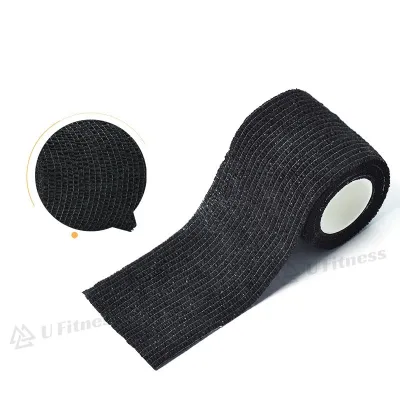
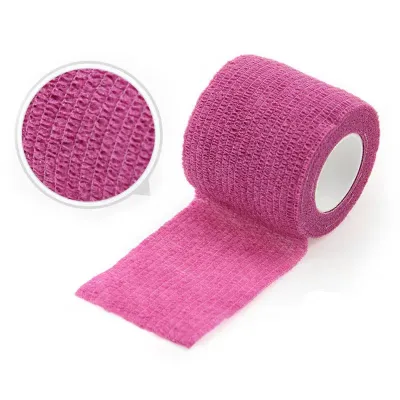
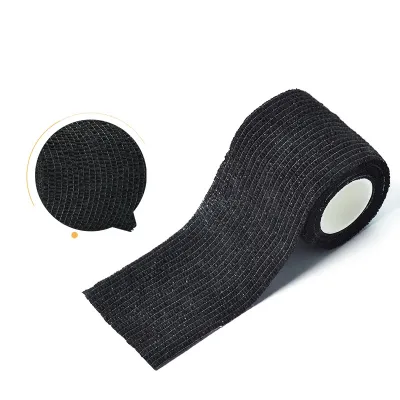
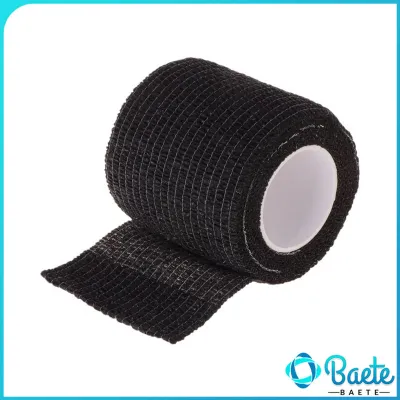
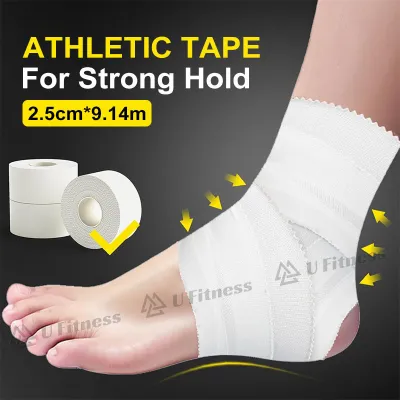
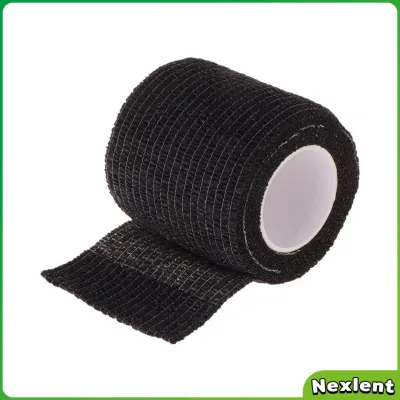
Prices are valid at publication and may change. Please refer to the product page for the latest price.
The physical dimensions of the tape also dictate how precisely you can wrap the joint. A standard width of 1.5 inches is generally ideal for most hand sizes, offering a balance between coverage and maneuverability around the wrist crease. A wider 2-inch tape can cover larger areas quickly but may bunch up or crease around the angles of the wrist, reducing its overall effectiveness. Conversely, narrower tapes require too many passes to build a supportive structure, increasing the risk of creating uneven pressure points.
Preparing Your Hands and Workspace
Proper preparation is crucial for ensuring the tape adheres to your skin throughout your entire training session. In humid conditions, sweat and natural skin oils can quickly compromise even the strongest medical-grade adhesives. Begin by washing your hands and wrists thoroughly with mild soap and water to remove dirt, oils, and lotion. Dry your skin completely with a clean towel. If you tend to sweat heavily, you can apply a light dusting of unscented talcum powder or a specialized sports grip spray to the skin, ensuring you wipe away any excess before applying the tape.

Before you begin wrapping, gather all your tools in a clean, well-lit workspace. You will need your roll of rigid wrist tape, a pair of blunt-nosed medical scissors to prevent accidental skin cuts during removal, and your optional foam pre-wrap or skin barrier spray. Having these items within arm’s reach prevents you from having to search for tools mid-wrap, which can lead to loose tape or uneven tension.
Take a moment to inspect your skin for any pre-existing issues. Check your wrists, knuckles, and palms for cuts, scrapes, blisters, or active rashes. Applying adhesive tape directly over broken skin can worsen irritation, trap bacteria, and cause pain during removal. If you find any minor cuts, cover them with a small sterile adhesive bandage before applying your pre-wrap or tape. If you have severe skin irritation or joint pain before you even begin, it is best to skip the heavy bag session entirely and allow your body to heal.
Step-by-Step Wrist Taping Technique for Joint Stability
To begin the taping process, keep your wrist in a completely neutral position. This means your hand should be perfectly aligned with your forearm—straight, not bent forward, backward, or to the side. Maintaining this neutral alignment throughout the entire application ensures that the tape restricts harmful movement without locking your hand in an awkward, injury-prone angle.
Start by establishing your anchor point. Unroll a strip of tape and place the end on the inside of your forearm, approximately two to three inches above the wrist crease. Wrap the tape around your arm twice with light, even tension. This anchor serves as the foundation for the rest of your wrap. Ensure this initial layer is comfortable and does not pinch the skin or compress the tendons at the back of your wrist.
Next, transition into the figure-eight pattern, which provides the primary structural support against hyperextension. From your forearm anchor, bring the tape diagonally across the back of your hand, running it between your thumb and index finger. Wrap it across your palm, keeping your fingers spread slightly to prevent the wrap from becoming too tight when you make a fist. Bring the tape back down diagonally across the back of your hand, crossing the first diagonal line to form an “X” shape, and wrap it once around your wrist. Repeat this diagonal figure-eight path two to three times, overlapping each layer by about half the width of the tape to build a strong, interlocking support network.
Once the figure-eight layers are complete, secure the structure with locking strips. Tear or cut two to three horizontal strips of tape long enough to encircle your wrist. Apply these strips directly over the wrist joint and the forearm anchor, overlapping them slightly. These locking strips hold the ends of your figure-eight wraps firmly in place, preventing them from peeling back or unraveling under the friction of your boxing gloves.
Throughout this process, constantly check that you are not pulling the tape too tight. Rigid tape does not give, so applying it with excessive force can restrict blood flow. The tape should lay flat against the skin without wrinkles, creases, or gaps, forming a smooth, solid cuff that reinforces the natural structure of your wrist joint.
Combining Wrist Tape with Hand Wraps
For comprehensive protection during heavy bag training, many home boxers combine rigid wrist tape with traditional elastic hand wraps. This combination offers the best of both worlds: the hand wraps provide thick padding for your knuckles and support the small bones in your hand, while the rigid tape reinforces the wrist joint against heavy impact.
The standard layering order is to apply your traditional hand wraps first, followed by the rigid wrist tape. Wrap your hands as you normally would, ensuring adequate coverage over your knuckles, thumb, and wrist. Once the hand wrap is secured, apply a few layers of rigid wrist tape directly over the wrist section of the wrap. This method uses the tape to lock the fabric wrap in place, preventing it from shifting or loosening during high-volume punching sessions. It also protects your skin from direct contact with the tape’s adhesive.
An alternative method is to apply the rigid wrist tape directly to your skin first, and then wrap your traditional hand wraps over the top. The primary advantage of this approach is that the tape adheres directly to the body, providing a more stable, unyielding support structure for the joint. However, the friction of the hand wrap moving over the tape can sometimes cause the edges of the tape to roll up, and removing the tape afterward requires more care to avoid skin irritation.
Regardless of the method you choose, be careful not to over-bulk your wrist. Applying too many layers of both tape and wraps can make your wrist excessively thick, preventing your hand from fitting comfortably inside your boxing gloves. If your glove’s hook-and-loop strap cannot close fully over the wrapped wrist, or if your fingers are squeezed painfully inside the glove pocket, you must reduce the number of wrap layers to ensure a proper, safe fit.
Verifying Fit and Recognizing Warning Signs
Before you throw your first punch at the heavy bag, you must verify that your wrist tape is applied correctly. A wrap that is too loose will fail to protect your joint, while a wrap that is too tight can restrict blood circulation and cause nerve compression.
Begin with a circulation check. Press firmly on one of your fingernails until it turns white, then release it. The natural pink color should return within two seconds. If your nail bed remains pale or blue, or if you experience numbness, tingling, or a cold sensation in your fingers, the tape is too tight. You must remove it immediately and re-apply it with less tension.
Next, test your range of motion. Open your hand fully, then clench your hand into a tight fist. You should feel a firm, supportive resistance around your wrist that prevents it from bending backward or forward easily, but you must still be able to close your fist completely without pain or extreme effort. If the tape digs sharply into your skin or prevents you from forming a proper punching surface with your knuckles, the wrap needs adjustment.
Establish clear stop conditions for your workout. If at any point during your heavy bag session you feel a throbbing sensation in your hand, sharp pain in your wrist, or notice your fingers changing color, stop training immediately. Do not attempt to “push through” the discomfort. Remove the gloves and the tape, allow your circulation to return to normal, and assess your wrist before deciding whether to re-wrap and continue.
Safe Removal and Skin Care
How you remove your wrist tape is just as important for your skin health as how you apply it. Never rip the tape off quickly like a bandage, as this can tear the top layer of skin, pull out fine hairs, and cause painful irritation, especially after a sweaty workout.
To remove the tape safely, slide the flat, blunt lower blade of your medical scissors under the edge of the tape at the top of your forearm. Carefully cut downward along the side of your wrist, keeping the scissors flat against your skin to avoid pinching or cutting yourself. Once the tape is cut through, gently peel it away from your skin, pulling it back flat against itself rather than pulling it straight up and away.
After removing the tape, you will likely find sticky adhesive residue left on your skin. Wash your wrists thoroughly with warm water and mild soap, using a soft washcloth to gently scrub away the residue. For stubborn adhesive patches, apply a small amount of baby oil, coconut oil, or a specialized sports adhesive remover to a cotton pad and rub gently until the sticky spots dissolve.
Finally, apply a gentle, unscented moisturizer to your wrists and hands. Frequent taping and washing can strip the skin of its natural oils, leading to dryness, cracking, and increased sensitivity. Keeping your skin hydrated and healthy ensures it remains resilient enough to handle repeated taping sessions for your home boxing workouts.
Frequently Asked Questions (FAQ)
Can I reuse athletic wrist tape for multiple heavy bag sessions?
No, rigid athletic wrist tape is strictly designed for single-use applications. Once the tape is applied, stretched, and exposed to sweat during a workout, its structural fibers break down, and its adhesive properties are permanently compromised. Reusing old tape will not provide the rigid support required to protect your wrist joint from heavy bag impacts. Additionally, reusing sweat-soaked tape poses significant hygiene risks, as it can trap bacteria, fungi, and moisture against your skin, leading to infections or severe skin irritation. Always use fresh tape for every training session.
How tight should the wrist tape feel when making a fist?
When your hand is open and relaxed, the wrist tape should feel snug and secure, similar to a firm compression sleeve. When you clench your hand into a fist, the tension should increase, providing a solid, unyielding support system that locks your wrist in a straight, neutral line. It should feel highly supportive but never painful. If making a fist causes the tape to dig painfully into your skin, cuts off your circulation, or makes your hand throb, the wrap is too tight and must be adjusted before you begin punching.
Community discussion
Share your experience or ask a question. Comments are reviewed before publication.