
Properly wrapping your hands for home boxing training is the single most important step you can take to protect your wrists, knuckles, and the small bones in your hands from the impact of hitting a heavy bag or focus mitts. A correct wrap stabilizes your wrist joint, keeps your knuckles aligned, and fills the empty space inside your boxing gloves to prevent your hand from shifting during a punch. By mastering a consistent wrapping technique, you can train safely at home without the immediate supervision of a coach, reducing the risk of sprains, bruises, and long-term joint fatigue.
Choosing the Right Boxing Wrap Length and Material
Before you begin wrapping, you must select the correct equipment for your hand size and training style. Hand wraps are not one-size-fits-all, and choosing the wrong length or material can lead to inadequate protection or restricted circulation.
Hand wraps typically come in two standard lengths: short wraps (around 120 inches) and long wraps (180 inches). For most adults training at home, the 180-inch wrap is highly recommended. This longer length provides enough material to wrap securely around the wrist, thumb, and individual fingers while leaving plenty of fabric to build a thick protective pad over your knuckles. Shorter wraps are generally reserved for children, individuals with exceptionally small hands, or speed bag workouts where heavy impact protection is not the primary concern.
Products mentioned in this guide
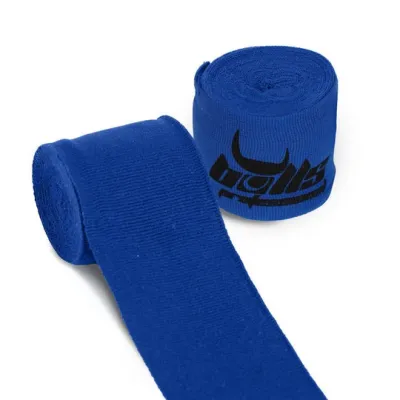

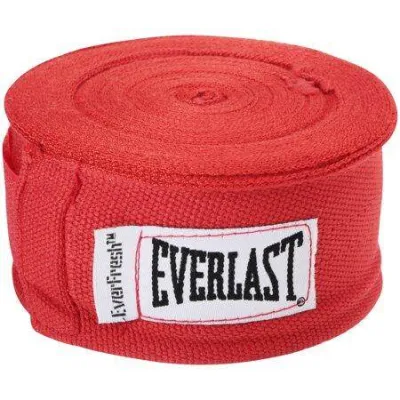
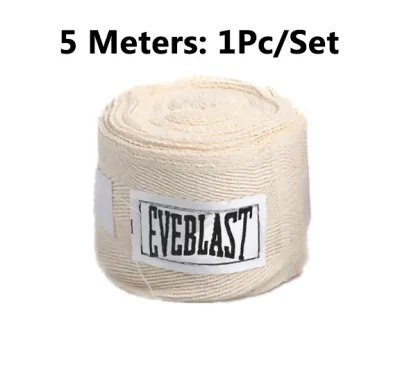
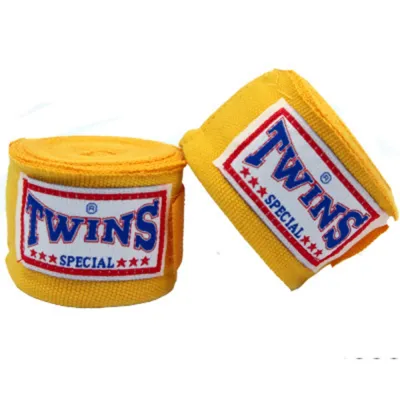
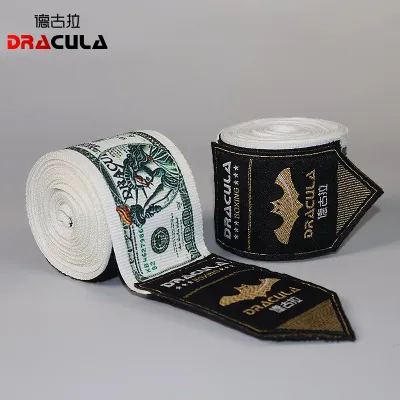
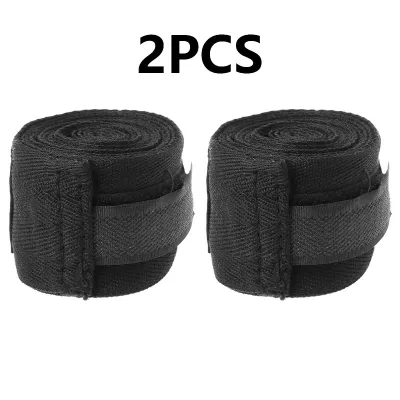
Prices are valid at publication and may change. Please refer to the product page for the latest price.
You will generally choose between traditional 100% cotton wraps and elasticized wraps, often referred to as Mexican-style wraps. Traditional cotton wraps are thick and durable, but they have no stretch, making it easier to accidentally wrap too tightly or too loosely. Mexican-style wraps blend cotton with elastic fibers, offering a slight stretch that conforms closely to the contours of your hand. This elasticity allows for better tension control, ensuring the wrap stays snug without cutting off your circulation as your muscles expand during a workout.
Before purchasing wraps from a local sports store or an online marketplace, inspect the construction of the thumb loop and the Velcro closure. The thumb loop should be securely stitched with reinforced seams, as it anchors the entire wrap and bears significant tension. The hook-and-loop Velcro strip at the opposite end should be wide and firmly attached to ensure the wrap does not unravel mid-workout. In humid tropical climates, sweat can degrade low-quality adhesives and stitching quickly, so investing in durable, double-stitched wraps is essential for longevity.
Step-by-Step Hand Wrapping Technique
Wrapping your hands is a systematic process that builds a protective structure from the wrist up to the knuckles. Follow these steps carefully before every home training session to ensure your hands are fully supported.

- Anchor the Wrap: Start by fully spreading your fingers. Place your thumb through the starter loop so that the wrap runs across the back of your hand, not across your palm. Starting across the back of the hand ensures that when you make a fist, the wrap tightens rather than slackens.
- Secure the Wrist: Pull the wrap straight down from your thumb and wrap it around your wrist three to four times. Keep your wrist straight and firm during this process. The wrist wraps should overlap slightly, covering the base of your hand and extending about two inches down your forearm to create a rigid, supportive splint that prevents your wrist from bending backward upon impact.
- Wrap the Knuckles: From the inside of your wrist, bring the wrap diagonally across the back of your hand to the outside of your pinky finger. Wrap across the knuckles three to four times, keeping your fingers spread wide to prevent the wrap from becoming too tight when you close your hand. The wrap should cover the main joints where your fingers meet your hand, creating a flat, even pad of protection.
- Weave Between the Fingers: Bring the wrap from the bottom of your knuckles down to the inside of your wrist, wrapping once around the wrist to anchor it. Next, bring the wrap up and through the space between your pinky and ring finger. Run the wrap diagonally across the back of your hand and back down to your wrist. Repeat this process for the middle and ring finger gap, and finally the index and middle finger gap. This weaving pattern separates your fingers, preventing them from smashing together on impact, and locks the knuckle padding in place.
- Secure the Thumb: After the final finger weave, bring the wrap down to your wrist and wrap it once around. Then, bring the wrap up and around your thumb, pulling it gently to secure the joint. Wrap around the thumb once, then bring the wrap back down to the wrist. This step stabilizes the thumb joint, reducing the risk of a painful hyperextension if you land an awkward punch on the heavy bag.
- Finish and Fasten: Use any remaining material to add extra wraps around your knuckles or wrist, depending on where you feel you need more support. Finish by wrapping the remaining fabric around your wrist and securing the Velcro closure. The closure should sit flat against your wrist without any loose edges that could catch on the lining of your boxing gloves.
Verifying the Fit and Avoiding Common Mistakes
Once your hands are wrapped, you must verify that the fit is correct before putting on your gloves. A poorly wrapped hand can cause discomfort, restrict blood flow, or fail to protect you during high-impact training.
To check the tension of your wraps, open your hand completely, then close it into a tight fist. When your hand is open, the wraps should feel relatively relaxed and comfortable. When you make a fist, the wraps should tighten instantly, creating a solid, rigid structure across your knuckles and wrist. If the wraps feel loose when you make a fist, or if your wrist can still bend easily, you need to unwrap and start over with more tension.
In warm, humid environments, your hands will naturally swell during exercise. It is critical to monitor your fingers for signs of restricted circulation. If you experience numbness, tingling, cold fingertips, or if your skin begins to turn pale or blue, stop training immediately. Unwrap your hands completely, massage your fingers to restore blood flow, and re-wrap with less tension. Never ignore these symptoms, as training with restricted blood flow can lead to nerve irritation or muscle cramping.
One of the most common mistakes is wrapping too tightly over the joints, which restricts movement and cuts off circulation. Another frequent error is allowing the thumb loop to twist, which creates a thick, uncomfortable ridge of fabric that presses into your skin inside the glove. Always ensure the wrap lies completely flat against your skin. Wrinkles and bunched-up fabric create localized pressure points that can cause painful blisters or skin abrasions during a long home workout.
Washing and Maintaining Your Hand Wraps
Proper maintenance of your hand wraps is essential for hygiene, especially when training at home where sweat and humidity can quickly lead to bacterial growth and unpleasant odors.
Immediately after your training session, do not leave your wraps crumpled inside your boxing gloves or gym bag. Hang them up in a well-ventilated area away from direct sunlight to dry completely. Once dry, roll them up starting from the Velcro end and finishing with the thumb loop. Rolling your wraps keeps them organized, prevents them from stretching out of shape, and makes them ready for quick application during your next session.
To prevent your wraps from tangling into a giant knot in the washing machine, always place them inside a mesh laundry bag before washing. Use a gentle cycle with cold water and mild detergent. Avoid using fabric softeners, as they can break down the elastic fibers in Mexican-style wraps over time. After washing, hang the wraps to air-dry. Do not put them in a clothes dryer, as high heat can shrink cotton wraps and ruin the elasticity of stretch wraps.
Even with meticulous care, hand wraps will eventually wear out. Inspect your wraps regularly for signs of degradation. If the Velcro no longer holds securely, if the edges are heavily frayed, or if the fabric has lost its elasticity and feels limp, it is time to replace them. Additionally, if a persistent, sour odor remains even after a thorough wash, replace the wraps to avoid transferring bacteria to the interior lining of your boxing gloves.
Frequently Asked Questions (FAQ)
Can I use a boxing wrap without wearing boxing gloves?
No, you should not use hand wraps as a complete substitute for boxing gloves when hitting a heavy bag or focus mitts. While wraps provide essential joint alignment and protect your skin from abrasions, they do not have the thick foam padding required to absorb high-velocity impacts. Hitting a hard surface with only wraps can lead to knuckle bruising, joint strain, or stress fractures. If you want to train with wraps alone, limit your activity to shadow boxing, where you do not make physical contact with any target.
How often should I wash my hand wraps?
You should wash your hand wraps after every training session, especially in warm, humid climates where sweat accumulates rapidly. Reusing dirty wraps allows bacteria, sweat, and dead skin cells to build up inside the fabric. This buildup not only causes a strong, unpleasant odor but can also lead to skin irritation, rashes, or fungal infections on your hands. Keeping multiple pairs of wraps on hand allows you to rotate them, ensuring you always have a clean, dry set ready for your home workouts.
Community discussion
Share your experience or ask a question. Comments are reviewed before publication.