
Setting up a home boxing corner offers a convenient way to stay fit, build endurance, and relieve stress. However, training solo without a coach present means you must take full responsibility for your physical safety before throwing a single punch. Properly wrapping your hands is the most critical preparatory step for any boxing session. This simple ritual secures the small bones in your hands, stabilizes your wrists, and protects your thumbs from painful hyperextension when striking a heavy bag. By mastering the self-application of hand wraps and performing systematic safety checks, you can confidently build your skills at home while keeping your hands fully protected.
Why Hand Wrapping Matters for Solo Home Boxing
When you land a punch on a heavy bag, the impact force travels directly back into your hand and wrist. Without proper support, this sudden force can cause the tiny, delicate bones of your hand—known as the metacarpals—to compress or shift. Hand wraps act as a protective shield by binding these bones together, distributing the shock of each impact across the entire structure of your hand rather than concentrating it on a single knuckle.
In addition to protecting your knuckles, wraps play a vital role in keeping your wrist aligned. A common mistake for beginners training at home is letting the wrist bend or collapse upon impact, which can lead to painful sprains or long-term joint strain. Wraps provide a rigid yet flexible brace that keeps your wrist straight and aligned with your forearm. Furthermore, they stabilize your thumb, securing it close to your fist to prevent it from catching on the bag and hyperextending. Without a coach nearby to monitor your form, this built-in structural support is your primary defense against training injuries.
Products mentioned in this guide
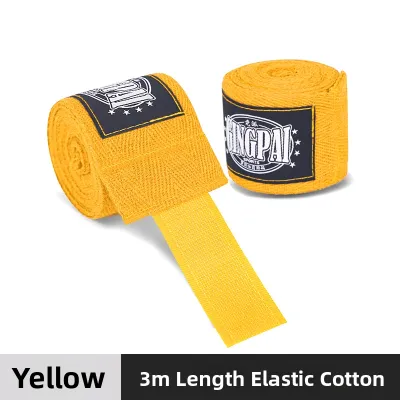
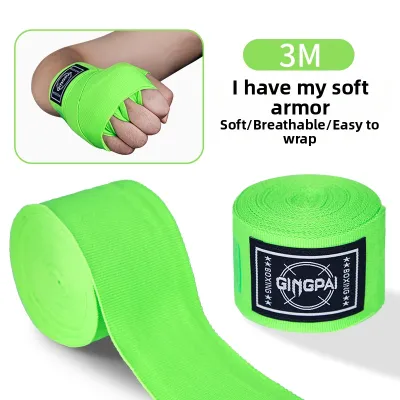
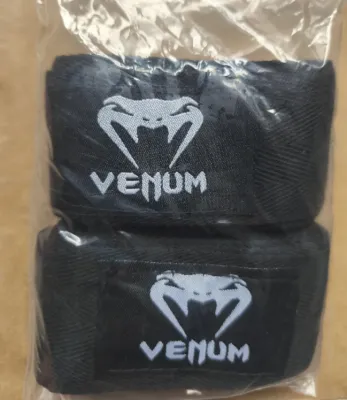
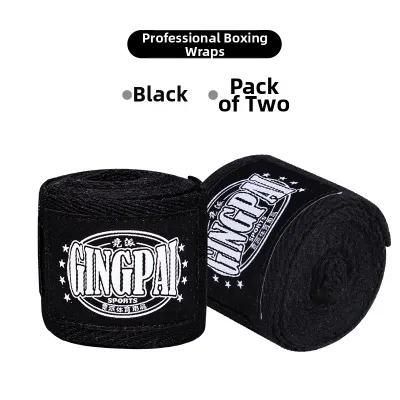
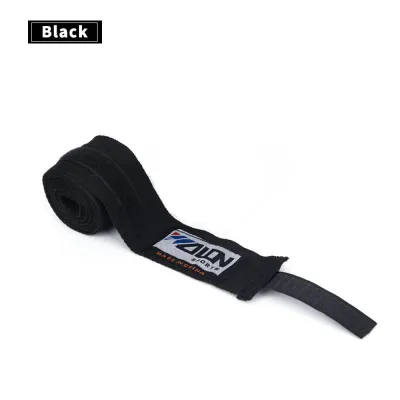
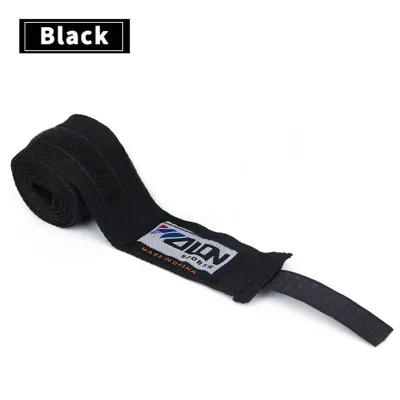
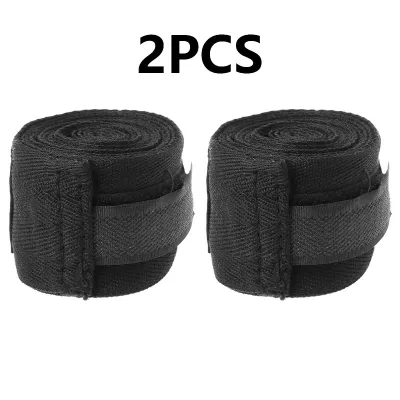
Prices are valid at publication and may change. Please refer to the product page for the latest price.
Choosing the Right Hand Wraps for Your Needs
Selecting the right hand wraps requires looking closely at the product labels and understanding your specific training environment. Hand wraps generally come in two primary lengths: shorter wraps (around 120 inches) and standard long wraps (around 180 inches). For most adults, the 180-inch length is highly recommended because it provides enough material to thoroughly cover the wrist, thumb, and knuckles with multiple protective layers. Shorter wraps may leave some areas exposed or under-padded, especially if you have larger hands.

Material composition is another critical factor, particularly when training in warm, humid tropical climates. Look for wraps made from a blend of cotton and elastic fibers, often labeled as “Mexican-style” wraps. This semi-elastic fabric offers a slight stretch that conforms comfortably to the contours of your hand without cutting off circulation. Pure cotton wraps are durable but lack stretch, making them harder to wrap smoothly on your own. Always check the product specifications to ensure the wraps feature a sturdy thumb loop and a wide, high-quality hook-and-loop closure system, which makes securing the wrap solo much easier.
Preparation: Positioning Your Hand and Thumb
Before you begin wrapping, you must position your hand correctly to ensure the wrap provides optimal support without restricting your blood flow. Spread your fingers wide apart and keep your hand relaxed, with a very slight bend in your knuckles. This posture is crucial because your hand naturally expands when you clench your fist inside a boxing glove. If you wrap your hand while making a tight fist or keeping your fingers pressed together, the wrap will become painfully tight and restrict your circulation once you start training.
Locate the thumb loop at the end of your wrap. Slip your thumb through the loop, ensuring that the seam faces directly against your skin. Starting with the seam flat against your skin prevents the wrap from twisting or bunching up as you wind it around your hand. Take a brief moment to verify that your hand feels completely relaxed and your fingers are spaced comfortably before making your first rotation.
Step-by-Step Hand Wrapping Technique
The key to a successful hand wrap is maintaining a consistent, smooth tension throughout the entire process. You want the wrap to feel snug and supportive, like a second skin, rather than tight or constricting. The wrapping sequence follows a logical path: starting at the base of the wrist to build a solid foundation, moving up to secure the thumb, wrapping the knuckles to cushion impact, and finally returning to the wrist to lock everything in place. By following this structured flow, you ensure that every vulnerable joint receives adequate coverage.
Securing the Wrist Base
Begin by wrapping the material around your wrist three to four times, moving away from your thumb. Ensure each rotation overlaps the previous layer by about half its width to create a thick, uniform band of support. The wrap should sit just below the joint line of your wrist, providing a stable anchor without restricting your ability to bend your hand slightly when needed.
Once you have completed the wrist rotations, pause to check your hand. Wiggle your fingers and rotate your wrist to ensure you still have full sensation and that the material is not pinching your skin. If the base feels secure and comfortable, transition the wrap diagonally across the back of your hand, moving from the pinky side of your wrist up toward the base of your thumb.
Wrapping the Thumb and Knuckles
From the base of your thumb, bring the wrap completely around the thumb joint once, pulling it gently to lock the joint in place without pulling it backward or out of its natural alignment. Next, bring the wrap back down across your palm to the opposite side of your wrist to secure the thumb anchor.
From the wrist, guide the wrap diagonally up across the back of your hand to the outside of your pinky knuckle. Wrap across the front of your knuckles three to four times, creating a thick, padded cushion over your primary striking surface. Ensure you keep your fingers spread slightly during this step so the knuckle wrap does not compress your hand too tightly. After covering the knuckles, bring the wrap diagonally back down across the back of your hand to your wrist to form an “X” pattern, which stabilizes the metacarpal bones.
Locking the Wrap and Final Checks
To finish the process, bring the remaining wrap back down to your wrist. Secure the hook-and-loop closure firmly around your wrist joint. Make sure the closure sits flat and is not positioned directly over your striking knuckles or the palm of your hand, where it could cause discomfort or come undone during training.
Before putting on your boxing gloves, perform a quick three-step safety check. First, make a tight fist; the wrap should tighten up and feel solid across your knuckles and wrist, but it should not cause pain. Second, open your hand completely; your fingers should move freely, and you should not feel any pinching or restriction in your palm. Finally, check your fingertips for any signs of numbness, tingling, or coldness, which indicate the wrap is too tight. If you experience any discomfort, do not attempt to adjust it by pulling on the ends; instead, unroll the wrap completely and reapply it with lighter tension.
Common Wrapping Mistakes and Safety Checks
When training at home without a coach to inspect your hands, it is easy to fall into habits that compromise your safety. The most common mistake is wrapping too tightly. In an effort to get maximum support, beginners often pull the material as hard as they can, which quickly cuts off blood circulation once the hands begin to warm up and swell during exercise. If your hands start to feel cold, numb, or lose color, stop training immediately and re-wrap your hands.
Another frequent error is leaving gaps, wrinkles, or loose folds in the fabric. Loose wrapping fails to provide the necessary structural support, allowing the bones in your hand to shift upon impact. Wrinkles can also cause painful friction burns and blisters inside your gloves. Always take your time to smooth out the fabric with each rotation. Lastly, avoid wrapping your thumb too rigidly to the side of your hand. Your thumb needs to tuck naturally over your fingers when you make a fist; wrapping it too tightly in an extended position increases the risk of a sprain if you misjudge the distance to the bag.
Post-Training Care and Wrap Maintenance
In tropical climates where humidity is high, proper post-training care is essential to keep your wraps hygienic and durable. Sweat and moisture can quickly lead to bacteria growth, causing unpleasant odors and degrading the elastic fibers in your wraps. As soon as you finish your workout, unwrap your hands and hang the wraps in a well-ventilated area to air-dry. Avoid leaving damp wraps crumpled inside your gym bag or a dark closet.
When it comes to washing, check the manufacturer’s care label for specific instructions. Most cotton-blend wraps can be machine-washed, but you should always place them inside a mesh laundry bag to prevent them from tangling around other clothes or the washing machine agitator. Use a mild detergent and avoid fabric softeners, which can break down the elastic components over time. Air-drying is highly recommended; hanging them flat or on a clothesline preserves their shape and elasticity much better than a high-heat tumble dryer. Once fully dry, roll them up neatly starting from the closure end so they are ready for quick application during your next home session.
Frequently Asked Questions (FAQ)
How tight should my hand wraps be?
Your hand wraps should feel snug and supportive, similar to a firm compression sock, but never painfully tight. A reliable rule of thumb is that the wrap should feel relatively relaxed when your hand is open, but should instantly tighten and feel solid when you clench your hand into a fist. If you feel any throbbing, tingling, or loss of sensation in your fingers, the wraps are too tight and must be loosened immediately.
Can I punch a heavy bag with only hand wraps and no gloves?
No, you should never hit a heavy bag using only hand wraps. Hand wraps are designed to stabilize the internal structures of your hand and wrist, but they do not provide enough external cushioning to absorb the heavy impact of a solid bag. Striking a heavy bag without boxing gloves can cause severe skin abrasions, knuckle bruising, and even joint damage. Always wear a pair of properly fitted training gloves over your hand wraps for any bag or pad work.
Community discussion
Share your experience or ask a question. Comments are reviewed before publication.