
Properly wrapping your hands is the single most important step you can take to protect your hands and wrists before striking a heavy bag or focus mitts at home. While boxing gloves provide impact absorption for your target, hand wraps secure the underlying bone structure of your hand, preventing fractures, sprains, and joint damage. Doing this correctly ensures you can train consistently without injuries sidelining your progress.
For home training, where you do not have a coach on hand to check your form or spot incorrect alignment, the responsibility for safety falls entirely on you. Learning a reliable, secure wrapping technique is a foundational skill that every home boxer must master before throwing their first punch.
Why You Must Wrap Your Hands for Unsupervised Home Boxing
When you strike a heavy bag, the force of the impact travels directly back through your fingers, knuckles, hand, and wrist. Without proper support, the 27 tiny bones in your hand can easily shift, rub against each other, or fracture under the load. Hand wraps function by compressing these small bones, known as metacarpals, into a single, cohesive unit that can distribute force more evenly across the entire hand structure.
Products mentioned in this guide
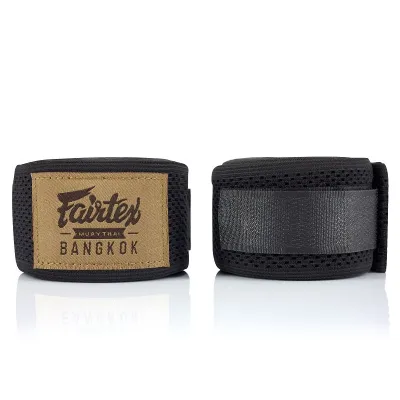
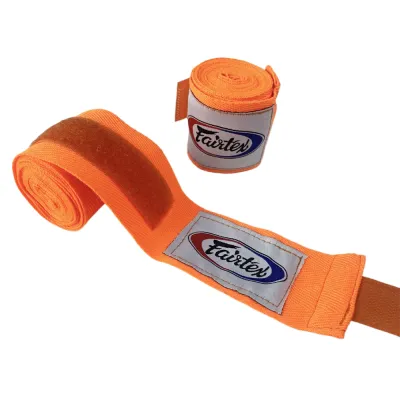
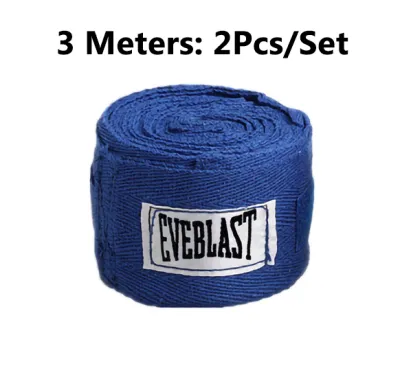
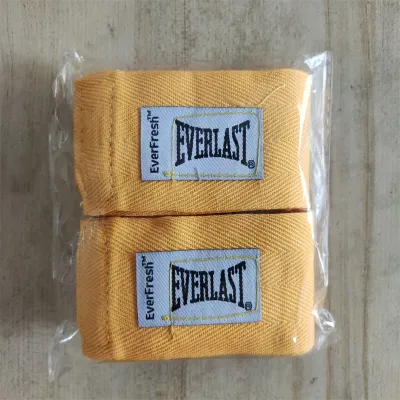
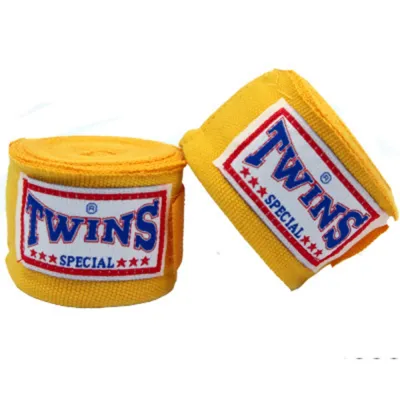
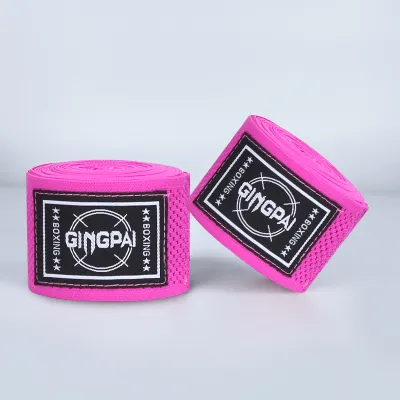
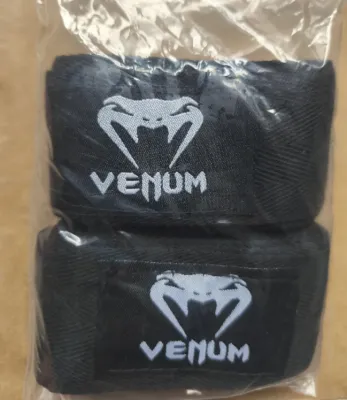
Prices are valid at publication and may change. Please refer to the product page for the latest price.
It is a common misconception among beginners that thick boxing gloves are enough to protect the hands. Gloves are designed to cushion the impact and protect your knuckles from external cuts or scrapes, but they do not prevent your wrist from bending or the bones in your hand from collapsing under pressure. Hand wraps provide the structural stability that keeps your wrist straight, your thumb secured, and your knuckles aligned, acting as a supportive cast for your hand.
Training at home without a professional coach increases the risk of developing bad habits or throwing punches with poor alignment. A slight angle on a hook or a misaligned wrist on a straight right hand can instantly lead to a painful wrist sprain, skin tears across the knuckles, or a boxer’s fracture (a break in the fifth metacarpal bone). Wrapping your hands creates a physical boundary that reinforces correct wrist alignment, protecting you even when your striking form slips due to fatigue.
How to Choose the Right Boxing Hand Wraps for Your Needs
Selecting the right wraps depends on your hand size, training intensity, and personal preference for comfort and support. Hand wraps generally come in two standard lengths: 120 inches and 180 inches. For most adults, especially those training on a heavy bag at home, 180-inch wraps are highly recommended because they provide enough fabric to thoroughly secure the wrist, knuckles, and individual fingers. The shorter 120-inch wraps are typically reserved for children, individuals with exceptionally small hands, or those using minimalist speed bag gloves.

The material of the wrap also plays a significant role in how well it conforms to your hand.
- 100% Cotton Wraps: These are traditional, thick, and have virtually no stretch. They offer robust, rigid support but require precise wrapping technique to avoid bunching up inside your gloves.
- Mexican-Style Wraps: These are made from a blend of cotton and elastic fibers, offering a semi-stretch quality. They conform more naturally to the contours of your hand and wrist, making it easier to achieve a snug, comfortable fit without restricting circulation.
- Quick Wraps or Inner-Glove Wraps: These are slip-on glove inserts that feature a padded knuckle area and a short wrist strap. While convenient and fast to put on, they do not offer the highly customizable, targeted structural support of a traditional hand wrap, making traditional rolls the superior choice for heavy bag workouts.
Step-by-Step Guide to Wrapping Your Hands for Maximum Protection
Before you begin, ensure your wraps are completely unrolled with the Velcro tab at the far end and the thumb loop ready to be placed. Keep your hand relaxed with your fingers spread wide apart throughout the entire process; wrapping with a closed fist or tightly squeezed fingers will make the wraps painfully tight once you make a fist during training.
Anchoring the Thumb and Wrist
To begin, place your thumb through the loop at the end of the wrap, ensuring the “this side down” label (if present) is facing your skin so the Velcro aligns correctly at the end. Pull the wrap across the back of your hand toward your wrist, rather than across your palm. This direction is crucial because it ensures that when you make a fist, the wrap tightens around your wrist and knuckles instead of loosening.
Wrap the fabric around your wrist two to three times, keeping the tension firm but comfortable. The wrist must remain in a neutral, straight position during this step; do not bend your hand forward or backward while wrapping. This creates a solid, stable base that prevents your wrist from hyper-bending or buckling when you land a punch on a heavy bag.
Protecting the Knuckles and Palm
Once the wrist is secure, bring the wrap diagonally across the back of your hand to the outside of your pinky finger, then wrap it across your knuckles two to three times. Make sure the wrap covers the main striking knuckles fully, extending slightly past them to provide a cushioned barrier. Keep your fingers spread wide during this step to prevent the wrap from squeezing your hand too tightly.
Next, guide the wrap diagonally back down the palm to the wrist, creating an “X” pattern across the back of your hand. Repeat this diagonal path up between your pinky and ring finger, wrapping around the knuckle and back down to the wrist. Continue this pattern through each finger gap—between the ring and middle finger, and then the middle and index finger. This technique secures the metacarpal bones, pulling them together to prevent lateral movement when you strike.
Securing the Thumb and Finishing the Wrap
After wrapping between the fingers, bring the wrap back to the wrist and loop it once around your thumb. This step is vital for preventing the thumb from bending backward or getting caught on your opponent’s guard or the heavy bag during hooks. Run the wrap back down to the wrist to lock the thumb loop in place.
Use any remaining fabric to add extra support where you need it most; if you have history of wrist pain, wrap the wrist a few more times, or add another layer over your knuckles if you are using a very firm heavy bag. Finish by wrapping the remaining fabric securely around your wrist and fastening the Velcro tab. Ensure the Velcro sits flat on your wrist and does not extend onto your hand or rub against your skin, which can cause painful chafing inside your boxing gloves.
Common Wrapping Mistakes and When to Stop and Re-wrap
The most common mistake beginners make is wrapping their hands too tightly in an attempt to maximize support. This can compress the nerves in your hand, restrict blood flow, and lead to cramping or premature fatigue during your workout. If you feel a throbbing sensation, numbness, tingling, or if your fingertips begin to feel cold or change color, you must immediately stop, unwrap your hands, and start over with lighter tension.
Another frequent error is leaving the thumb loop twisted or neglecting to wrap the thumb entirely. A twisted loop can dig into your skin under the pressure of your boxing gloves, causing painful blisters or cuts that will disrupt your training schedule. Skipping the thumb wrap leaves the joint vulnerable to hyperextension, especially during hooks or when striking a heavy bag that has settled and hardened at the bottom.
Lastly, avoid wrapping with a bent wrist or allowing the fabric to bunch up in the palm of your hand. Bunching creates uneven pressure points inside your glove, which can lead to friction burns or bruises on your palm. If your wrap does not lie flat and smooth, take the extra minute to unwrap and lay it down correctly; a few minutes of preparation can save you weeks of recovery time from an avoidable hand injury.
The Pre-Workout Checklist: How to Verify Your Wraps Are Safe
Before you slide your hands into your boxing gloves, perform a quick physical assessment to ensure your wraps are applied correctly and safely.
- The Fist Test: Open your hand completely, then squeeze it into a tight fist. The wrap should feel comfortably snug and supportive when your fist is closed, but relaxed when your hand is open. If you cannot fully close your hand or if your fingers pinch together painfully, the wrap is too tight.
- The Wrist Alignment Check: Try to bend your wrist forward and backward. You should feel a high degree of resistance that keeps your wrist in a straight line with your forearm, but not so stiff that it completely cuts off minor natural adjustments.
- The Glove Fit Check: Slide your wrapped hand into your boxing glove. The hand should slide in smoothly without forcing the wrap to bunch up or slide down your arm. If the glove feels excessively tight or if the Velcro tab on the wrap is digging into your wrist, adjust the wrap's bulk before you begin training.
How to Wash and Dry Hand Wraps in a Humid Climate
In the tropical and highly humid climate of the Philippines, hand wraps can quickly become a breeding ground for bacteria, mold, and unpleasant odors if not cared for properly. Sweat-soaked wraps left in a gym bag or a dark corner will deteriorate rapidly and ruin the interior lining of your boxing gloves. To maintain hygiene and extend the lifespan of your wraps, wash them after every two to three training sessions.
Always place your hand wraps inside a mesh laundry bag before throwing them into the washing machine. This simple step prevents the long straps from tangling around the washing machine’s agitator or other clothes, which can stretch out the fabric and ruin the elastic fibers. Use a mild detergent and wash on a gentle cycle, avoiding bleach or fabric softeners that can break down the materials over time.
Drying is the most critical step in a humid environment. Hang your wraps to air-dry in a well-ventilated area, preferably under direct sunlight, which acts as a natural sanitizer to kill lingering bacteria. Avoid using high-heat tumble dryers, as the extreme heat can warp and destroy the elastic fibers in Mexican-style wraps. Ensure the wraps are completely dry to the touch before rolling them up for storage; rolling even slightly damp wraps will trap moisture and guarantee a musty, sour odor.
Frequently Asked Questions (FAQ)
Can I use traditional hand wraps with MMA gloves?
Traditional 180-inch hand wraps are generally too bulky to fit comfortably inside standard, compact MMA gloves, which have smaller hand compartments. For light MMA grappling gloves, it is best to use quick wraps or specialized, shorter wraps (around 120 inches) to maintain finger dexterity. Reserve your full 180-inch traditional wraps for heavy bag workouts or MMA sparring gloves that offer more internal space.
How often should I replace my boxing hand wraps?
You should replace your boxing hand wraps when the Velcro fastener loses its grip, the fabric becomes permanently stretched out and loses its elasticity, or if they develop persistent odors that do not wash out. For regular home training (three to four times a week), a high-quality pair of wraps typically lasts between six months to a year before requiring replacement.
Do I need to wrap my hands if I am only shadowboxing?
If you are strictly shadowboxing without hitting any targets, you do not technically need to wrap your hands since there is no impact force. However, wrapping your hands during shadowboxing is still highly recommended for beginners because it helps you practice correct wrist alignment, builds muscle memory for the weight of your hands, and ensures you are ready if you decide to transition to bag work during your session.
Community discussion
Share your experience or ask a question. Comments are reviewed before publication.