
Selecting the right hydration vest for running depends on your environment, distance, and gear requirements. Trail runners need high-capacity, durable vests with ample storage for safety gear; road runners benefit from ultra-lightweight, highly breathable, minimalist designs; and racers require streamlined, compliant vests that prioritize quick refills and rapid access to nutrition. Matching your gear to your specific running scenario ensures you stay hydrated and comfortable without carrying unnecessary weight.
Choosing the wrong configuration can lead to painful chafing, overheating, or running out of water far from a refill station. By evaluating your typical routes and personal physical needs, you can find a vest that feels like an extension of your body rather than an awkward burden.
Assessing Your Running Environment and Hydration Needs
Before comparing pocket layouts or fabric technologies, you must analyze where and how you run. The distance and duration of your typical outings dictate your baseline fluid requirements. A short thirty-minute jog around a neighborhood park requires far less preparation than a multi-hour mountain excursion where emergency assistance is miles away.
Products mentioned in this guide
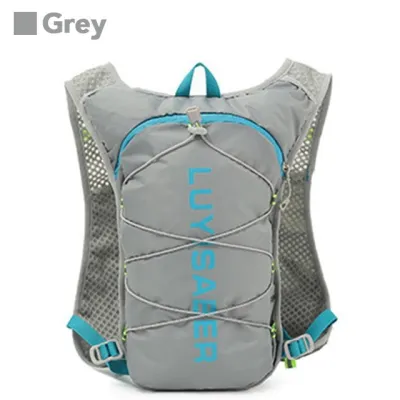
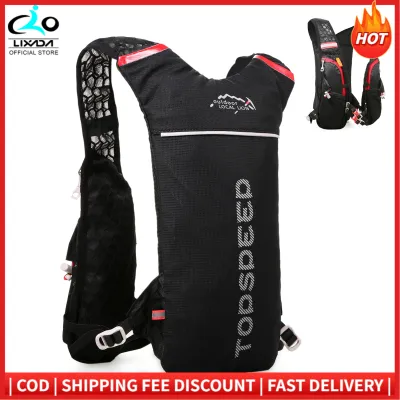
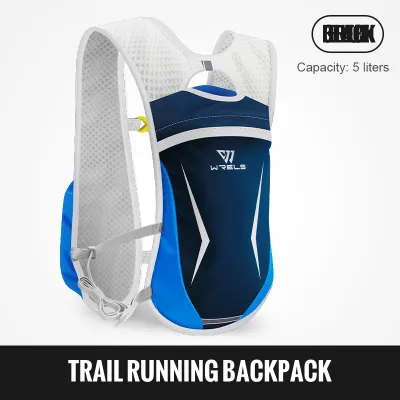
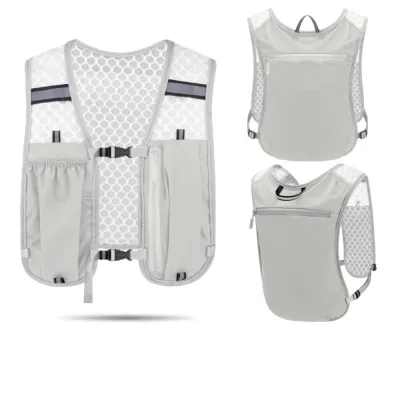
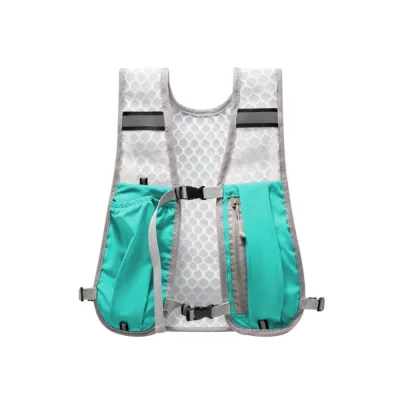

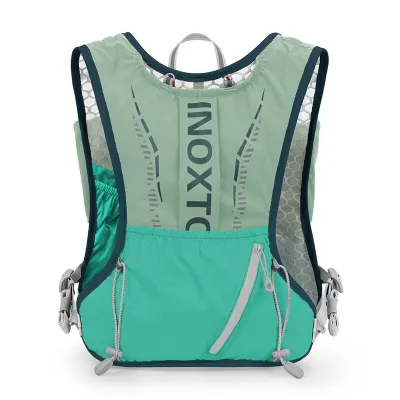
Prices are valid at publication and may change. Please refer to the product page for the latest price.
Weather conditions play a massive role in your hydration strategy, particularly in hot and humid tropical climates. High humidity limits the body’s ability to cool itself through sweat evaporation, meaning you may sweat more profusely and require more frequent fluid intake. You must estimate your personal sweat rate under these conditions to establish a realistic baseline for how much water you need to carry per hour.
Refill availability is another critical variable. If your usual routes are lined with convenience stores, public parks, or clean water fountains, you can opt for a minimalist vest with smaller flasks. Conversely, if you run in remote areas or on trails where natural water sources are scarce or unsafe to drink without filtration, you must carry your entire water supply from the start. Always plan your capacity around the longest, hottest stretch of your run where water is unavailable.
Trail Running: Prioritizing Capacity, Storage, and Durability
Trail running demands self-sufficiency because help and water are rarely close at hand. When venturing off-road, your hydration vest serves as a mobile basecamp. You must evaluate whether a rear hydration reservoir, front-mounted soft flasks, or a combination of both best suits your distance. Reservoirs hold larger volumes of water, which is ideal for long stretches between natural water sources, while front flasks allow you to split your fluids between pure water and electrolyte mixes.

Storage capacity is just as important as fluid capacity on the trail. Many organized trail runs require participants to carry mandatory safety gear. Your vest must have dedicated, secure compartments to pack a lightweight windbreaker, a basic first aid kit, a whistle, a headlamp, and high-calorie nutrition. Look for vests with expandable rear compartments and secure zippered pockets that keep these essential items dry and accessible.
Trail environments are tough on gear, making material durability a key priority. Look for vests constructed from ripstop nylon or reinforced mesh panels that can withstand scrapes from overhanging branches, sharp rocks, and dense brush. The fabric should resist abrasion while remaining flexible enough to move with your body.
Finally, a secure, bounce-free fit is non-negotiable when navigating technical terrain. Steep ascents and rapid descents cause your body to move dynamically in multiple directions. A vest with adjustable sternum straps and side compression cords allows you to pull the load tight against your torso, preventing the water from sloshing and shifting, which can throw off your balance on uneven ground.
Before heading into remote mountain trails, verify your physical limits and check local weather forecasts. A hydration vest is a valuable tool, but it cannot replace proper navigation skills, wilderness training, or sound judgment. If severe weather, extreme heat, or physical exhaustion sets in, know when to stop and turn back.
Road Running: Focusing on Lightweight Design and Breathability
Road running is characterized by repetitive, steady-state strides on flat, hard surfaces. Because urban and suburban routes typically offer easy access to water refills, your primary focus should be on minimizing weight and maximizing airflow to prevent overheating on exposed, sun-baked pavement.
In warm, humid environments, prioritizing lightweight, highly breathable mesh materials is essential. Look for vests featuring open-weave mesh on the back panel and shoulder straps. This design allows sweat to evaporate quickly, helping to regulate your body temperature and reducing the risk of heat-related discomfort during long, hot road sessions.
Since you rarely need to carry emergency shelter or extensive first aid kits on the road, select smaller capacity configurations. A streamlined vest that holds two 500ml front flasks and has just enough room for your phone, keys, and a couple of energy gels is usually sufficient. This minimalist approach keeps the vest incredibly light and unobtrusive.
Ergonomic strap designs and minimalistic pocket placements are crucial for preventing friction on flat surfaces. Because your running motion is highly repetitive on the road, even minor rubbing can quickly turn into severe chafing. Look for vests with soft, bound edges and flat seams that sit comfortably against your skin or running singlet.
Avoid bulky rear compartments that can trap heat against your spine or sag when empty. A flush, low-profile back panel ensures the vest remains stable and does not restrict your natural arm swing or alter your running posture as you maintain a steady, fast pace.
When running on public roads, traffic safety is paramount. Ensure your vest does not block your peripheral vision or restrict your head movement when checking for vehicles. Many road-focused vests feature reflective details to help increase your visibility to motorists during early morning or evening runs.
Race Day: Optimizing for Speed, Accessibility, and Compliance
On race day, every detail of your gear should be optimized for efficiency, speed, and comfort over long hours of sustained effort. Before purchasing a vest specifically for a competition, verify the mandatory gear list provided by the event organizers. Some ultramarathons have strict rules regarding minimum fluid capacity and specific safety items; your vest must be compliant with these regulations to clear pre-race inspections.
Accessibility is key to maintaining your momentum. Look for front-strap pocket layouts that allow you to grab energy gels, salt tablets, or your phone without breaking your stride. Front-mounted soft flasks with extended straws are highly efficient for racing, as they allow you to drink without bending your head down or removing the flasks from their pockets.
Refill speed at aid stations can make or break your time goals. Vests designed with large, drop-in front pockets allow you to slide soft flasks out, refill them, and slide them back in within seconds. If you prefer a rear reservoir, look for vests with quick-disconnect hoses and external sleeve access so you do not have to unpack your entire vest just to top up your water.
Weight distribution must be perfectly balanced to sustain comfort over competition distances. Ensure the weight of your fluids is distributed evenly between the front and back of the vest to prevent shoulder strain. Testing your chosen vest extensively during your peak training runs is critical; use these runs to simulate race-day weight, identify potential hot spots, and practice accessing your gear under fatigue.
Cross-Scenario Compatibility: Deciding Between One Versatile Vest or a Specialized Quiver
If your running routine spans rugged mountain trails, urban roads, and occasional weekend races, you must decide whether to invest in a single versatile vest or build a specialized collection of gear. A single, adaptable vest is highly cost-effective and simplifies your gear closet, but it requires some compromise.
To find a versatile “do-it-all” vest, look for modular designs. Some models feature removable rear pockets, adjustable compression bungees, or trekking pole attachments that can be tucked away when not in use. This allows you to compress the vest into a low-profile harness for short road runs, or expand it to its full capacity when heading out for an all-day trail adventure.
The primary trade-off of a multi-purpose vest is that it will inevitably be slightly heavier and warmer than a dedicated, ultra-lightweight road vest, while potentially offering less storage space than a specialized, high-capacity ultra-distance trail pack. You must accept that a versatile vest is a compromise across these different environments.
To make the best purchasing decision, match your choice to your primary running discipline and overall gear budget. If eighty percent of your miles are on the road, prioritize a lightweight, breathable vest and accept that you may need to pack creatively on your occasional trail runs. If you are training seriously for trail races, invest in a durable, high-capacity vest first, as safety and self-sufficiency in wild spaces should always take priority.
Frequently Asked Questions (FAQ)
How should a hydration vest fit to prevent chafing?
A hydration vest should fit snugly like a second skin, sitting high on your torso without restricting your breathing or rib expansion. Adjust the sternum and side straps so the vest does not slide side-to-side or bounce up and down while you run. Always test the fit with fully filled flasks or bladders, as the added weight changes how the vest sits on your shoulders. Check the manufacturer’s sizing chart carefully, measuring your chest circumference while wearing your typical running apparel to ensure a proper fit.
Are hydration bladders or soft flasks better for running?
The choice depends on your route and personal preference. Hydration bladders worn on the back carry larger volumes of water and offer hands-free sipping via a hose, making them excellent for long, self-sustained trail runs. However, they are harder to refill quickly and make it difficult to monitor your remaining water. Soft flasks worn on the front straps balance weight across your chest, are incredibly easy to refill at aid stations or convenience stores, and let you track your fluid intake at a glance.
How do I clean and maintain my running vest to prevent mold?
To prevent mold and unpleasant odors, especially in humid tropical climates, wash your vest regularly. Empty all pockets and remove flasks or bladders. Hand-wash the vest in cool water using a mild, sports-specific detergent, avoiding fabric softeners which can damage technical mesh. Rinse thoroughly and hang it to air-dry completely in a well-ventilated area out of direct sunlight. For flasks and bladders, rinse them with warm water, use a bottle brush to clean the interior, and prop them open so they dry completely inside.
Community discussion
Share your experience or ask a question. Comments are reviewed before publication.