
Choosing the right running vest in the Philippines often comes down to balancing your hydration needs against the intense tropical heat and humidity. Whether you are training along the humid coastal roads of Manila or tackling the steep, muddy trails of Mount Pulag, carrying your gear comfortably is essential for performance and safety. The choice between a hydration vest and a gear vest depends entirely on your distance, terrain, and carry requirements. Hydration vests are engineered for long trail runs, ultramarathons, and remote routes where high fluid capacity and mandatory safety gear are non-negotiable. Conversely, gear vests are built for road marathons, daily jogging, and fast-paced training where minimal weight and unrestricted movement take priority. This guide breaks down the structural differences, trade-offs, and decision frameworks to help you match the right vest to your specific running goals.
Understanding the Core Differences
To select the correct gear, you must first understand the fundamental design philosophies of both vest types. A running vest is not a one-size-fits-all accessory; rather, it is a highly specialized piece of equipment tailored to specific environments and running styles. Distinguishing between these two sub-types prevents purchasing the wrong tool for your training needs, saving you from unnecessary weight or insufficient storage.
Hydration vests focus heavily on self-sufficiency over long distances. Their primary design focus is to accommodate integrated fluid systems, such as large rear reservoirs and front-mounted soft flasks, alongside durable materials that can withstand harsh trail environments. These vests prioritize carrying capacity, ensuring you can pack emergency layers, nutrition, and safety gear for hours spent away from support stations.
Products mentioned in this guide
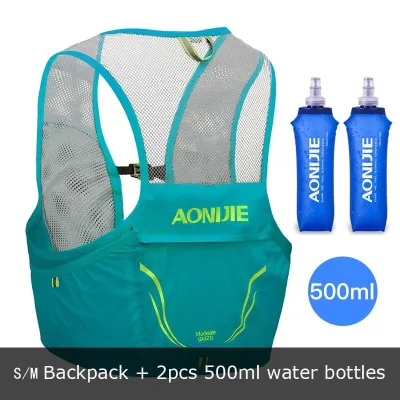
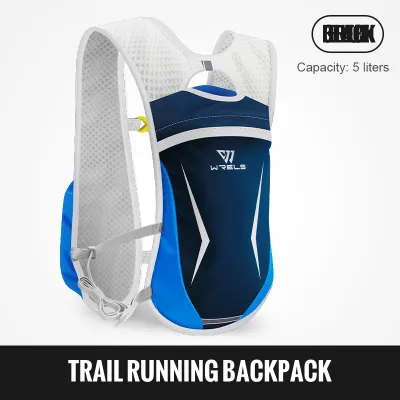
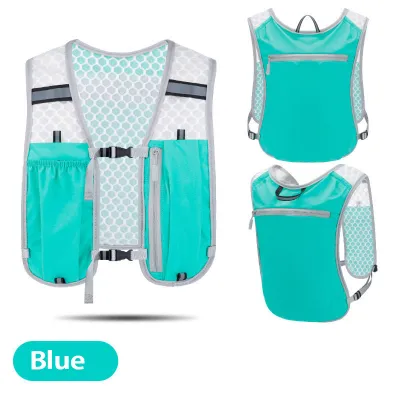
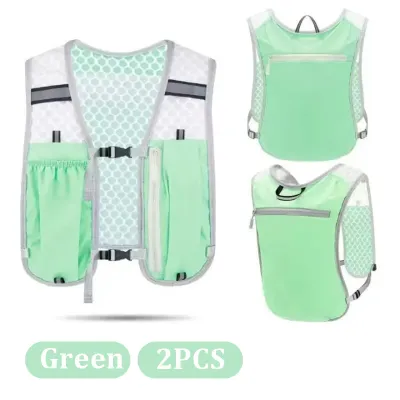
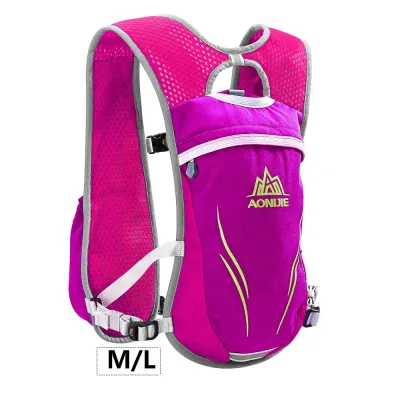
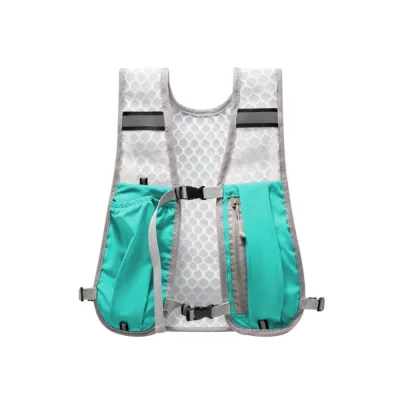

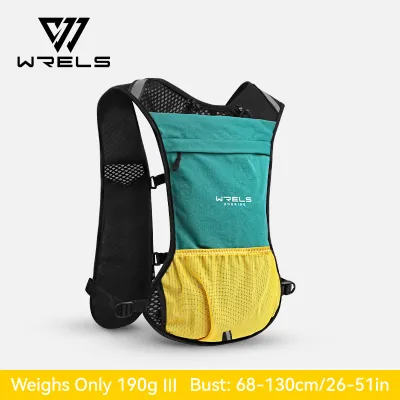
Prices are valid at publication and may change. Please refer to the product page for the latest price.
Gear vests, on the other hand, prioritize speed, breathability, and a streamlined profile. They are designed for runners who do not need to carry liters of water but still require quick access to essentials like keys, cards, energy gels, and a smartphone. By minimizing bulk and maximizing airflow, gear vests help you maintain a fast pace without the thermal buildup that can be particularly challenging in tropical climates.
Hydration Vests: Built for Distance and Self-Sufficiency
When your running goals take you deep into remote trails or keep you on your feet for several hours, a hydration vest becomes an indispensable tool. The typical storage layout of a hydration vest features dedicated front pockets for soft flasks, a rear sleeve designed for a hydration bladder, and multiple utility pockets distributed across the chest and sides. Before purchasing, you should verify the exact storage volume and fluid capacity against the manufacturer’s specifications, as these can range from 2 liters up to 15 liters or more.

These vests are ideal for off-grid terrain, long-duration training runs, and organized trail races where organizers mandate a strict list of safety equipment. In the Philippines, trail runners often face unpredictable weather, making the extra space in a hydration vest crucial for carrying lightweight rain jackets, headlamps, basic first-aid kits, and extra salt tablets. The secure, wrap-around fit of these vests distributes the weight of the water across your torso, reducing bounce even when fully loaded.
However, this high carrying capacity comes with specific trade-offs that you must consider. Hydration vests have a heavier base weight and a bulkier profile than gear vests, which can feel restrictive during high-speed workouts. Additionally, the larger fabric coverage can lead to increased thermal retention, trapping heat against your back and chest. To mitigate this, look for models featuring highly breathable, open-mesh construction and moisture-wicking fabrics to help manage sweat in hot conditions.
Gear Vests: Designed for Speed and Minimalism
For runners focused on speed, road races, or shorter daily workouts, a gear vest offers a lightweight and unrestrictive alternative. The storage layout of a gear vest is intentionally minimalist, featuring secure zippered pockets for your phone, keys, and nutrition, along with small pockets that may accommodate compact soft flasks if needed. You should verify the dimensions of the phone pocket against your specific device to ensure a secure fit that will not bounce while you run.
These vests excel in urban environments, paved road marathons, daily neighborhood jogging, and track sessions where you do not need to carry large volumes of water. They are also highly suitable for well-supported road races where frequent aid stations provide hydration, allowing you to run light and focus on your pace. The reduced fabric coverage allows for maximum ventilation, keeping your core cooler during intense midday runs.
The primary trade-off of a gear vest is its limited fluid capacity and storage space. If you plan to run in remote areas without access to clean drinking water, a gear vest will not provide sufficient hydration storage. Furthermore, these vests lack the space required to carry emergency layers, trekking poles, or extensive safety gear, making them unsuitable for self-supported trail adventures or races with strict mandatory gear lists.
Key Comparison Dimensions for Your Decision
To make an informed choice, you should compare hydration vests and gear vests across several critical performance, comfort, and usability metrics. The first dimension is fluid integration. Hydration vests typically support both a rear bladder (usually 1.5 to 2 liters) and front soft flasks, whereas gear vests are often limited to small front flasks or have no dedicated fluid storage at all. You should check the manufacturer’s specifications to verify which hydration systems are compatible with the vest, as bladders and flasks are often sold separately.
Weight and breathability represent another crucial comparison point. Gear vests use ultra-lightweight, minimalist strap designs and highly porous mesh to maximize airflow and minimize weight. Hydration vests, while still utilizing breathable materials, require more robust fabrics and wider straps to support the heavier load of water and gear without digging into your shoulders.
Storage accessibility is also key to maintaining your running rhythm. Hydration vests are designed with multiple stretch-mesh pockets that allow you to reach nutrition, trash, and flasks on the go, though accessing the main rear compartment usually requires stopping and taking the vest off. Gear vests place almost all storage on the front or sides, ensuring that every item is easily accessible without interrupting your stride.
| Feature / Dimension | Hydration Vest | Gear Vest |
|---|---|---|
| Primary Fluid Storage | Rear bladder sleeve (1.5L–2L+) & front soft flasks | Small front soft flasks (typically 250ml–500ml) or none |
| Storage Capacity | High (typically 5L to 15L+ total volume) | Low (typically under 3L total volume) |
| Material Weight | Moderate to heavy (reinforced for load-bearing) | Ultra-lightweight (minimalist straps and mesh) |
| Breathability | Moderate (larger back coverage area) | High (minimal back coverage, open mesh) |
| Best Venue | Remote trails, mountains, self-supported routes | Paved roads, running tracks, urban parks |
| Mandatory Gear Fit | Highly suitable (fits jackets, first aid, headlamps) | Unsuitable (limited to phone, keys, and gels) |
How to Match the Vest to Your Specific Running Goals
Choosing between these two options requires a realistic assessment of your running habits, local climate, and event requirements. You should choose a hydration vest if your primary activities involve running off-grid, exploring remote mountain trails, or training for distances where you will exceed your personal hydration thresholds without access to external aid. If you are preparing for trail races in regions with limited water sources, the ability to carry ample fluids and mandatory safety equipment is essential for your safety.
Conversely, you should choose a gear vest if your training consists mostly of paved road runs, neighborhood jogging, or speed workouts where you can easily loop back to your home or car for water. If you are targeting a road marathon with frequent aid stations every few kilometers, a gear vest allows you to carry your personal nutrition and phone without the unnecessary weight of a full hydration system, helping you maintain a more efficient arm swing and better cooling.
If your only goal is to carry a single smartphone and a set of keys during short daily runs, neither of these vests may be the right fit. In such cases, you should evaluate running belts or armbands instead, as they offer a more compact and cost-effective solution without covering your torso.
Before making a final purchase, always verify if your target race organizer publishes a mandatory gear list. Many trail races in the Philippines and internationally require specific items, such as a whistle, a survival blanket, a headlamp, and a minimum fluid capacity (often 1 liter or more). If your race has these requirements, a hydration vest is typically the only option that can safely and legally accommodate all the specified gear.
Fit, Sizing, and Pre-Purchase Checks
A running vest can only perform well if it fits your body correctly. To find the right size, you should measure your chest and torso dimensions according to the specific manufacturer’s sizing chart, as sizing can vary significantly between brands. Do not rely on your standard t-shirt size; running vests must fit snugly against your torso to prevent movement and friction.
Once you receive your vest, it is crucial to test the fit with the intended load before heading out for a long run. Fill the water flasks or bladder to their maximum capacity and pack the pockets with your phone, keys, and nutrition. Water weight significantly changes how a vest sits on your body, and a vest that feels comfortable when empty may bounce or sag once fully loaded.
During your test fit, perform several physical checks while in a running posture. Verify that the chest straps are highly adjustable and do not restrict your breathing when your lungs expand. Check for potential chafing points around the underarms, neck, and collarbones, ensuring that the fabric edges are soft and do not rub against your skin. Finally, practice accessing the pockets while moving to ensure you can reach your phone and nutrition without straining.
Frequently Asked Questions (FAQ)
How do I clean and maintain my running vest to prevent odors?
To prevent odors and maintain the integrity of the technical fabrics, you should rinse your running vest with clean, cool water immediately after every run, especially in humid tropical climates where sweat accumulation is high. Check the manufacturer’s care label for specific washing instructions; most brands recommend hand washing with a mild, non-biological detergent and advise against using fabric softeners, which can clog breathable mesh pores. Always hang the vest to air-dry in a well-ventilated area out of direct sunlight, and ensure it is completely dry before storing it to prevent the growth of mold and mildew.
Can I use a hydration vest for a road marathon?
Yes, you can use a hydration vest for a road marathon, but you should consider the weight penalty and potential chafing risks over long paved distances compared to a minimalist gear vest. Carrying extra water weight that you do not need can slow your pace and increase fatigue over 42 kilometers. Before the race, check the specific event rules regarding external hydration systems, as some urban marathons have strict security policies or bag restrictions. If you decide to use a hydration vest, ensure you have tested it thoroughly during your longest training runs to verify comfort, strap adjustment, and thermal regulation under marathon conditions.
Community discussion
Share your experience or ask a question. Comments are reviewed before publication.