
Deciding between a hydraulic brake system and a mechanical disc brake setup is one of the most significant choices you will make for your mountain bike. While both systems rely on calipers squeezing a steel rotor to slow you down, they achieve this through entirely different mechanisms. A hydraulic brake uses a sealed, fluid-filled line to transmit force from your hand to the brake pads, whereas a mechanical system relies on a steel tension cable. On the trail, this technical distinction translates directly into how much control you have over your speed, how tired your hands get on long descents, and how much time you spend adjusting your bike in the garage.
In tropical riding environments like the Philippines, where trails can transition rapidly from dusty, loose clay to deep, muddy ruts during the monsoon season, this choice becomes even more critical. High humidity, heavy rain, and grit can quickly degrade exposed cables, while steep, technical descents demand consistent stopping power. Understanding how these two systems operate under real-world trail conditions will help you decide whether to stick with a simpler cable-actuated setup or invest in a high-performance fluid system.
Core Differences in Braking Performance and Modulation
The fundamental difference between these two braking systems lies in how they transfer force from your fingers to the brake pads. A hydraulic brake system operates on fluid dynamics, utilizing a master cylinder in the lever to push brake fluid through a sealed hose to a slave cylinder in the caliper. Because fluid is virtually incompressible, almost all the force you apply at the lever is transmitted directly to the pads. This creates a highly efficient system with minimal friction loss, allowing you to achieve maximum stopping power with just a single finger.
Products mentioned in this guide
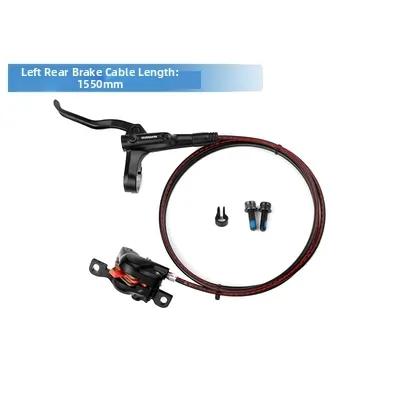
119 Lazada user ratings
Easy to install, powerful brakes, looks great, and offers good value for money.
The installation process was smooth and easy, I had it set up in no time.
The braking effect is really good, super handy, especially when braking!
It's great and feels really good in hand, just slip it on and use it.
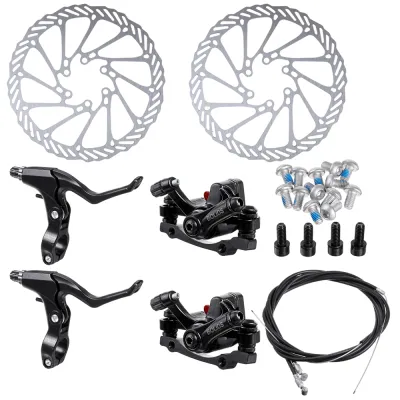
136 Lazada user ratings
yeah goods it's alloy breaklever not rusting unlike shimano 🔨Durability:good looks like durable to use in lower part of highway, thank you v…Read full reviewShow less
yeah goods it's alloy breaklever not rusting unlike shimano 🔨Durability:good looks like durable to use in lower part of highway, thank you very much lazada 🛠️Ease of Installation:goods nice job to meet with you guys in the morning and you can get tired and you can call me when you get home
0k naman mganda cia my unti lng gas gas...per0 ndi naman nkaka apekt0....ndi q pa ngagamit or nkakabit eh per0 mukang matibay at makapit...p…Read full reviewShow less
0k naman mganda cia my unti lng gas gas...per0 ndi naman nkaka apekt0....ndi q pa ngagamit or nkakabit eh per0 mukang matibay at makapit...pg nakabit q na edit q nlng t0...tnx p0 super duper ang bilis ipadala at mgne pgkakabal0t
🔨Durability:good it was nice and better performance its my favorite hydraulic brakes 🔌Compatibility:yes its compatibe 🛠️Ease of Installation:…Read full reviewShow less
🔨Durability:good it was nice and better performance its my favorite hydraulic brakes 🔌Compatibility:yes its compatibe 🛠️Ease of Installation:goods nice and profitable business
"nilagay kona agad sa bike and dali lang, malakas yung preno na test kona din sa pababa malakas talaga
RSX Mountain bike oil disc 👍👍👍👍
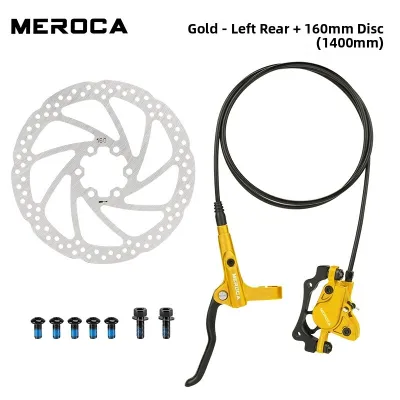
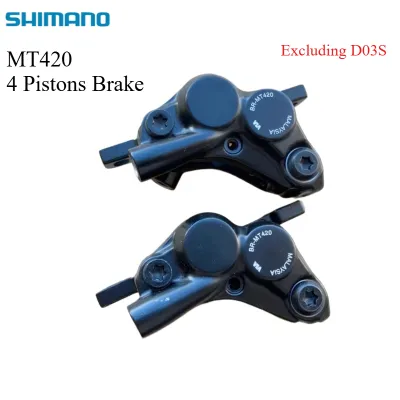
49 Lazada user ratings
The tweezers seem really great; I haven't had a chance to try them out yet, but since they're a Shimano original, I don't have much to say o…Read full reviewShow less
The tweezers seem really great; I haven't had a chance to try them out yet, but since they're a Shimano original, I don't have much to say other than I'm glad I bought them.
The product is exactly as advertised. It was shipped very, very, very, very, very quickly. The packaging was neat and tidy—great, great, gre…Read full reviewShow less
The product is exactly as advertised. It was shipped very, very, very, very, very quickly. The packaging was neat and tidy—great, great, great!
good quality. works perfectly. a great upgrade for my brakes. connected to MT200 levers, they work great.
Thanks seller got the working just fine 👍
where are the brakepads?
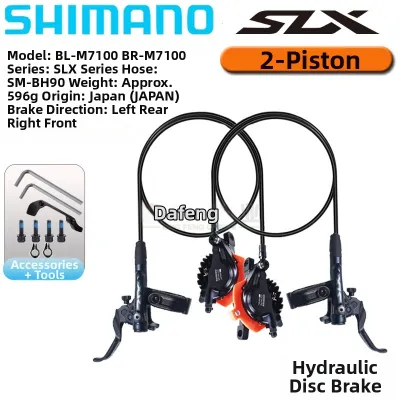
3 Lazada user ratings
The Merida Challenger 600 is perfect and really powerful.
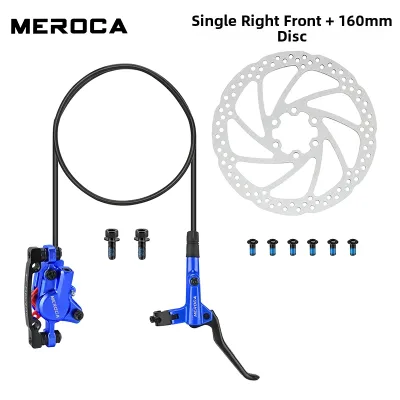
160 Lazada user ratings
good quality hydraulic brake for mtb tsaka maganda ang kulay ng pagka-blue nya, terno terno ung set ko. salamat po ng marami. pares nga pala…Read full reviewShow less
good quality hydraulic brake for mtb tsaka maganda ang kulay ng pagka-blue nya, terno terno ung set ko. salamat po ng marami. pares nga pala ang binili ko kaso ung kaliwa ay sa huli at kanan sa una... ewan ko kung sadyang ganun un. TY
🛠️Ease of Installation:This my third time to buy this hydrolic brake. well...You need wait a time to get your parcel. thnak you so much to th…Read full reviewShow less
🛠️Ease of Installation:This my third time to buy this hydrolic brake. well...You need wait a time to get your parcel. thnak you so much to the seller godbless.
meron lang naman syang mga scratch kunti lang naman but in terms of performance maganda, malakas kumapit at with brake pad na nga pala sya.
Durable oil cylinder, High quality material, 🔨Durability:mukang matibay naman
🔨Durability:niceHigh quality material,
Prices are valid at publication and may change. Please refer to the product page for the latest price.
In contrast, a mechanical disc brake relies on a steel inner cable sliding through an outer housing. When you pull the lever, you pull the cable, which rotates an arm on the caliper to push the pads against the rotor. This mechanical setup introduces several points of friction and energy loss. The steel cable naturally stretches under tension, and the outer housing compresses when squeezed. This physical deformation means a portion of your hand force is wasted, resulting in a firmer, more demanding lever pull and a slightly spongy feel when braking hard.
This mechanical difference directly affects modulation, which is the control over the amount of braking force you apply before the wheels lock up. On steep, loose, or technical descents, locking up your tires causes a loss of traction and control, leading to skids. Hydraulic brakes offer highly responsive modulation because the fluid transfer is smooth and linear. You can easily feel the exact point where the pads contact the rotor and modulate the pressure with minute finger adjustments. Mechanical brakes, due to cable friction and housing compression, tend to have a more binary feel, making it harder to find that sweet spot between slowing down and skidding.
Over time, environmental factors further widen the performance gap. In humid, dusty, or muddy conditions, mechanical brake cables are highly susceptible to dirt ingress and corrosion. Dust and water enter the housing, increasing friction and making the lever pull increasingly heavy. A hydraulic system is completely sealed from the elements. Whether you are riding through deep puddles, thick mud, or heavy tropical downpours, the internal fluid remains uncontaminated, ensuring that your braking performance remains consistent throughout your ride.
Maintenance Requirements and Long-Term Upkeep
Keeping your brakes functioning safely and predictably requires regular maintenance, but the type of work and the tools needed differ significantly between the two systems. Mechanical disc brakes are highly valued for their simplicity and accessibility. Routine upkeep involves adjusting barrel adjusters to compensate for pad wear, periodically replacing stretched inner cables, cleaning the housing, and manually aligning the calipers. These tasks require only basic bicycle tools, such as hex keys and cable cutters, making them easy to perform at home with minimal mechanical experience.

Hydraulic brake maintenance is more complex and requires specialized tools and fluids. Because the system is sealed, you do not need to adjust for pad wear manually; the pistons automatically advance as the pads wear down. However, you must periodically bleed the system to remove trapped air bubbles, which can make the lever feel dangerously soft and reduce stopping power. Bleeding requires a dedicated bleed kit, specific syringes, and the correct fluid—either mineral oil or DOT fluid, depending on the manufacturer’s specification. Mixing these fluids or using the wrong one can destroy the internal seals. Additionally, you must exercise extreme caution when replacing pads or bleeding to avoid getting oil on the brake pads or rotors, which causes severe contamination and a complete loss of braking power.
When it comes to trailside repairs, the two systems offer very different scenarios. If a mechanical cable snaps or slips while you are deep in the forest, you can often install a spare inner cable using a multi-tool and be back on the trail in minutes. If a hydraulic line is compromised—such as from a crash that tears the hose—the system will lose fluid and pressure immediately. Repairing a ruptured hydraulic line on the trail is virtually impossible, as it requires a replacement hose, fittings, fluid, and a full bleed kit. In this scenario, you must rely entirely on your remaining functional brake or walk your bike back to the trailhead.
Cost, Upgrade Paths, and Value Assessment
When purchasing a new mountain bike or planning an upgrade, financial and logistical considerations play a major role. Generally, mechanical disc brake systems are more affordable upfront. Individual components, replacement cables, and entry-level calipers are inexpensive, making them a budget-friendly choice for casual riders or those building a bike on a strict budget. Complete hydraulic groupsets carry a price premium, reflecting the precision engineering, master cylinders, and sealed hoses required for their operation.
If you are considering upgrading an existing mountain bike from mechanical to hydraulic brakes, you must look beyond the cost of the brake calipers and levers alone. There are several potential hidden costs to evaluate. For instance, many entry-level bikes feature integrated shifter and brake lever units, where the gear shifter and mechanical brake lever are housed in a single body. Upgrading to hydraulic brakes, which require dedicated hydraulic levers, means you will also need to purchase separate gear shifters. You must also verify if your current frame and fork use compatible mounting standards, such as Post Mount or International Standard (IS), and whether your existing rotors are compatible with the pad material of the new hydraulic calipers.
To evaluate whether a hydraulic brake upgrade is worth the investment, consider this practical checklist:
- Frame Compatibility: Does your frame have open cable guides that can accommodate a continuous hydraulic hose, or will you need to use zip ties or bolt-on hose guides?
- Drivetrain Integration: Are your current shifters separate from your brake levers, or will you need to budget for new shifters as well?
- Riding Terrain: Do you regularly ride steep, technical trails where hand fatigue and braking control are limiting factors, or do you stick to flat, paved, or gentle dirt paths?
- Budget: Can you allocate approximately ₱3,500 to ₱8,000 or more for a reliable set of entry-level to mid-range hydraulic brakes, plus potential installation or tool costs?
If your riding style and local trails demand high control, and your budget allows for the additional components, upgrading to a hydraulic system provides a substantial, noticeable improvement in safety and riding enjoyment.
Decision Framework: Which System Fits Your Riding Style?
Choosing the right braking system ultimately depends on your riding style, budget, and maintenance preferences. There is no universal winner, as each system excels in different scenarios and for different types of riders.
You should choose a hydraulic brake system if you:
- Ride steep, technical, or gravity-oriented trails where consistent, high-power stopping is essential.
- Prioritize precise, one-finger braking modulation to maintain traction on loose clay, wet roots, or rocky descents.
- Want a self-adjusting system that maintains consistent pad contact without manual intervention as the pads wear down.
- Are comfortable performing advanced maintenance like system bleeds, or are willing to pay a local bike shop to handle it.
You should choose a mechanical disc brake system if you:
- Ride primarily on cross-country trails, gravel paths, or casual dirt roads where extreme stopping power is not required.
- Plan long-distance bikepacking trips or ride in remote areas where the ability to perform simple, trailside cable repairs is a safety priority.
- Work within a strict budget and want to keep both upfront costs and long-term maintenance expenses as low as possible.
- Prefer straightforward, mechanical adjustments that require only basic hand tools.
Before making a final decision, always verify compatibility. If you are considering a mixed setup—such as running a hydraulic brake on the front for maximum stopping power and a mechanical brake on the rear for simplicity—ensure your levers match your physical reach and comfort. Additionally, if you plan to ride in extreme conditions, check the manufacturer’s specifications. While tropical heat is not an issue, mineral oil and DOT fluids behave differently, and ensuring your system is properly rated for your environment will guarantee reliable performance on every ride.
Frequently Asked Questions (FAQ)
Can I convert my mechanical disc brakes to a hydraulic brake system?
Yes, you can convert your mechanical disc brakes to a hydraulic system, but you must check component compatibility first. If your bike has integrated brake and shifter levers, you will need to purchase separate shifters alongside your new hydraulic brake levers and calipers. Additionally, inspect your frame and fork to ensure the caliper mounts (Post Mount or IS Mount) match your new brakes, and verify that your existing rotors are compatible with the pad type (resin or metal) supplied with the hydraulic system.
What should I do if a hydraulic brake line leaks on the trail?
If you suspect a hydraulic brake leak on the trail, stop riding immediately in a safe area. Do not squeeze the brake lever, as this will pump more fluid out, potentially contaminating your brake pads, rotors, and the environment. Because high-pressure hydraulic systems cannot be reliably sealed or bled on the trail without specialized equipment, do not attempt a temporary patch. Instead, rely carefully on your remaining functional brake to slowly ride or walk your bike back to the trailhead, and have the damaged hose replaced by a qualified mechanic before your next ride.
Community discussion
Share your experience or ask a question. Comments are reviewed before publication.