
Choosing the right boat steering system is a critical decision that directly impacts your safety, control, and comfort on the water. When navigating coastal waters, open seas, or inland lakes, the physical connection between your helm and your outboard engine must handle the constant forces of wind, waves, and engine torque. The choice between hydraulic and mechanical steering systems generally comes down to your vessel’s size, your engine’s horsepower, and your budget.
Mechanical steering systems are typically suited for smaller boats with lower-horsepower outboard engines, generally under 150 horsepower. These systems rely on physical cables to transfer your steering input directly to the engine. Conversely, boat hydraulic steering is the standard choice for larger vessels, high-horsepower engines, and heavy-duty commercial or recreational use. Hydraulic systems utilize pressurized fluid to deliver smooth, low-effort control, even under high-torque conditions.
Ultimately, the best choice depends on your specific engine torque, hull design, and boat length. Before purchasing any steering components, you must consult your engine manufacturer’s specifications to identify the exact compatibility thresholds and maximum torque ratings for your setup.
Products mentioned in this guide
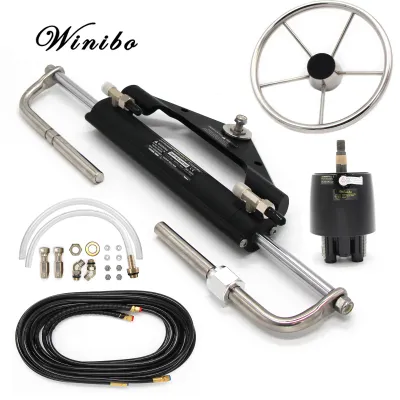
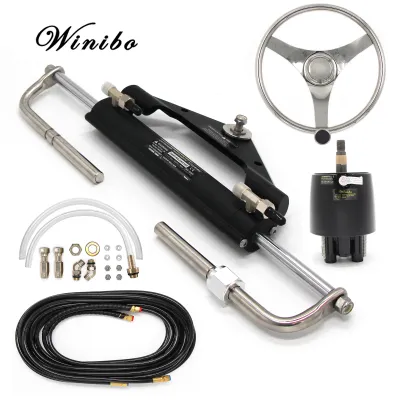
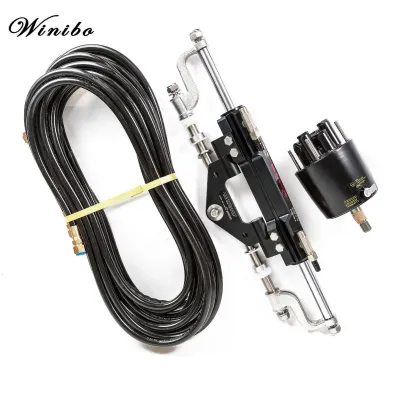
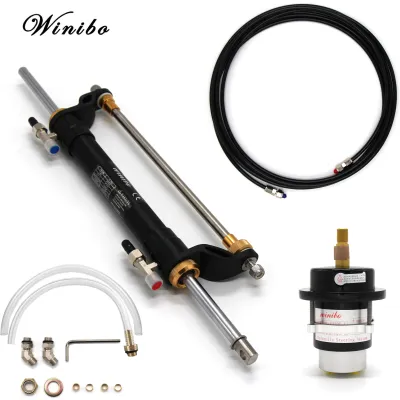
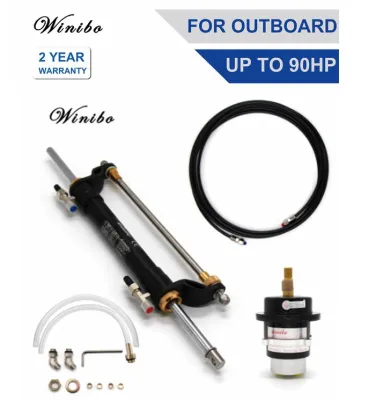
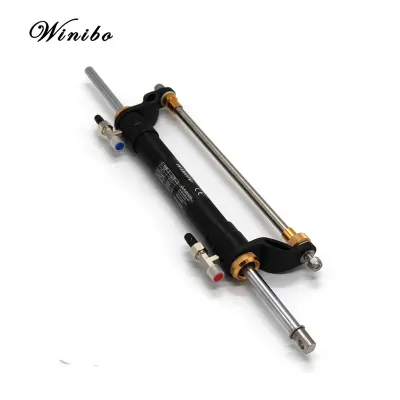
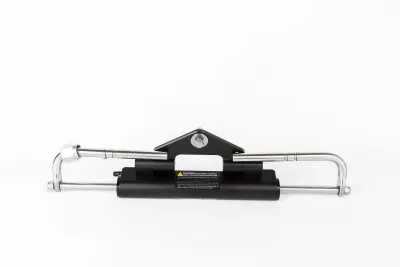
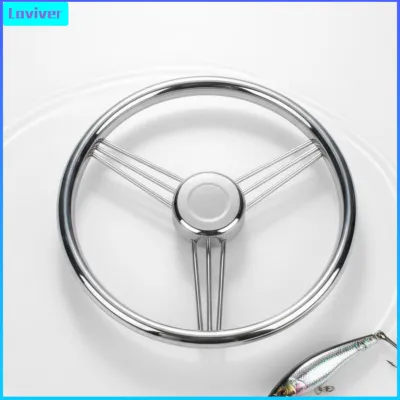
Prices are valid at publication and may change. Please refer to the product page for the latest price.
Understanding the Basics: How Each System Works
To make an informed decision, it is essential to understand the mechanical principles that govern both steering types. While both systems allow you to guide your vessel, they use completely different methods to translate the rotation of the steering wheel into the physical movement of the engine or rudder.
Mechanical Steering Systems
Mechanical steering operates on a straightforward push-pull physical connection. When you turn the steering wheel, a rotary gear or a rack-and-pinion helm mechanism pulls or pushes a heavy-duty, steel-core cable housed inside a protective plastic conduit. This cable runs from the helm, through the gunnels of the boat, and connects directly to the engine’s steering arm.
This system relies entirely on mechanical tension and physical force. Because there are no fluids or pumps involved, the driver feels a direct physical connection to the motor and the water. However, this simplicity also means that any resistance, friction, or engine torque is transmitted directly back to the driver’s hands at the steering wheel.
Hydraulic Steering Systems
Hydraulic steering replaces the physical steel cable with a fluid-driven closed loop. The helm station contains a rotary pump that acts as an axial piston pump. When you turn the steering wheel, this pump forces hydraulic fluid through flexible, high-pressure hoses down to a hydraulic cylinder mounted directly on the engine transom or rudder post.
The pressurized fluid moves a piston inside the cylinder, which physically pushes or pulls the engine steering arm to change your direction. Because fluid pressure transfers the steering force, there is no mechanical cable tension to overcome. This design dramatically reduces the physical effort required to steer, isolating the helm from the direct vibration and torque generated by the propeller.
Key Comparison Dimensions for Boat Owners
Selecting the ideal steering system requires evaluating how each technology performs across several practical dimensions. From the physical demands of handling your vessel to the long-term realities of salt-water maintenance, each system offers distinct advantages and trade-offs.

Boat Size and Engine Horsepower
The size of your boat and the power of your outboard engine are the primary limiting factors when choosing a steering system. Mechanical steering systems have strict physical limits regarding cable length and the amount of torque they can safely manage. As boat length increases, routing a stiff mechanical cable becomes increasingly difficult, and the physical resistance within the cable housing rises.
For smaller boats, such as light utility boats, small center consoles, or skiffs under 10 meters, mechanical steering is often highly effective. However, once an engine exceeds 150 horsepower, the rotational torque generated by the propeller makes mechanical steering physically exhausting and potentially unsafe.
Hydraulic steering scales seamlessly for larger vessels, heavier hulls, and multi-engine configurations. Because hydraulic fluid pressure distributes force evenly, it can easily manage the immense torque of high-horsepower outboards or dual-engine setups. To ensure safe operation, always verify your specific engine’s maximum torque and horsepower ratings against the steering manufacturer’s guidelines before installing a system.
Steering Effort and Helm Feedback
The physical sensation of steering a boat varies dramatically between these two systems. Mechanical steering provides what many traditional boaters refer to as “tactile feedback” or “water feel.” You can physically feel the resistance of the water against the rudder or engine, which can be helpful for reading currents and understanding how your boat is responding to the environment.
The downside to this direct connection is that steering effort increases significantly at high speeds, during tight turns, or when fighting strong currents. Propeller torque can cause “steering torque,” where the boat naturally wants to pull to one side, requiring constant physical effort to keep the vessel on a straight course.
Hydraulic steering systems offer a much smoother, low-effort driving experience. Turning the wheel requires minimal physical strength, regardless of whether the boat is idling or running at wide-open throttle. This reduction in physical strain is highly beneficial during long journeys or when navigating busy waterways. While some basic hydraulic systems can feel somewhat disconnected due to the lack of tactile feedback, advanced helms can be equipped with specialized feedback valves to restore a natural steering feel while preventing the engine torque from pulling the wheel out of your hands.
Installation Complexity and Routing
Installing a steering system involves routing the connection lines from the helm to the stern of the vessel. Mechanical steering cables are thick, stiff, and relatively inflexible. They must be routed through the boat’s gunnels in gentle, sweeping curves. Any sharp bends, tight corners, or kinks in a mechanical cable will cause severe friction, leading to stiff steering, accelerated wear, and premature cable failure.
Before performing any installation or routing, always check the applied product’s label and your boat or engine manufacturer’s instructions. If instructions conflict, the item is unidentified, or the use is not covered, stop and consult the manufacturer or a qualified marine professional.
In contrast, hydraulic hoses are highly flexible and significantly easier to route through complex, cramped, or narrow rigging paths. They can easily navigate tight corners and structural bulkheads within the hull without compromising the performance of the steering system.
However, the hydraulic installation process requires careful attention to detail. Once the hoses are routed and connected to the helm pump and cylinder, the entire system must be filled with specialized hydraulic fluid and thoroughly bled to remove any trapped air bubbles. Trapped air can cause spongy steering or a complete loss of control, requiring precise tools and a methodical approach to ensure a safe, airtight seal.
Maintenance Requirements and Durability
The marine environment is incredibly harsh, particularly in tropical regions like the Philippines, where high humidity, intense heat, and saltwater exposure accelerate corrosion and material degradation. Both steering systems require regular inspection and maintenance to ensure reliable operation and prevent sudden failures on the water.
When applying lubricants or performing system checks, always follow the specific care guidelines provided by your steering and engine manufacturers. If instructions conflict, or if you are dealing with unidentified components, stop and consult a qualified marine professional.
Mechanical steering cables are highly susceptible to saltwater intrusion. Over time, salt crystals and moisture can penetrate the cable housing, leading to internal rust, binding, and stiffness. Boaters must regularly clean and lubricate the exposed telescopic ram at the engine end with high-quality marine grease. If a mechanical cable becomes severely corroded or stiff, it cannot be repaired and must be completely replaced to prevent the cable from snapping under load.
Hydraulic steering systems are generally more durable in saltwater environments because the critical moving parts are sealed and continuously lubricated by the hydraulic fluid. However, they are not entirely maintenance-free. You must regularly check the system for hydraulic fluid leaks around the helm pump seals and the cylinder fittings. Additionally, the hydraulic fluid must be checked for contamination, and the system may require occasional bleeding to maintain a firm, responsive helm. Over several years of use in tropical conditions, the rubber seals on the hydraulic cylinder may degrade and require replacement to prevent fluid loss.
Cost Breakdown: Budgeting for Your Steering Upgrade
Understanding the financial investment required for each system helps you allocate your boating budget effectively. The total cost of ownership includes not only the initial purchase price of the hardware but also the long-term maintenance costs and potential professional installation fees.
Mechanical steering systems are highly attractive from an upfront cost perspective. A complete mechanical steering kit, including the helm, bezel, and cable, is relatively affordable and widely accessible. For budget-conscious boaters or owners of smaller utility craft, this low initial investment makes mechanical steering a highly practical choice.
Hydraulic steering systems require a significantly higher initial investment. A complete boat hydraulic steering kit—comprising the helm pump, hydraulic cylinder, high-pressure hoses, and specialized steering fluid—costs substantially more than a mechanical equivalent. However, for active boaters, commercial operators, or those with larger vessels, this higher upfront cost is often offset by the system’s superior longevity, reduced physical fatigue, and enhanced safety on the water.
When planning your budget, it is critical to factor in professional installation costs unless you have the specialized tools and technical experience required for marine steering installations. Routing mechanical cables through tight hulls can be physically demanding, while installing and bleeding a hydraulic system requires precision to avoid dangerous air pockets. We highly recommend checking local marine service rates and consulting qualified marine technicians in the Philippines to obtain accurate labor estimates for your specific vessel and location.
Side-by-Side Comparison Table
To help you quickly evaluate the core differences between these two marine steering technologies, the table below summarizes their key attributes side-by-side.
| Feature | Mechanical Steering | Hydraulic Steering |
|---|---|---|
| Best For (Boat Size & HP) | Smaller boats under 10 meters; engines under 150 HP | Larger vessels; engines over 150 HP or multi-outboard setups |
| Steering Effort | Moderate to high; increases with engine speed and torque | Very low; smooth and consistent across all speeds |
| Helm Feedback | High tactile feedback; direct feel of water resistance | Low feedback; isolated from engine vibration and torque |
| Installation Routing | Difficult; requires gentle, sweeping curves to avoid kinks | Easier; flexible hoses navigate tight hulls and bends easily |
| Maintenance Focus | Regular lubrication of cable; replacement of corroded cables | Checking for fluid leaks; bleeding air; replacing cylinder seals |
| Relative Initial Cost | Lower upfront hardware cost | Higher upfront hardware cost |
Decision Framework: Making the Final Choice
To finalize your steering system selection, evaluate your vessel’s specifications, your typical boating activities, and your physical preferences against this structured decision framework.
Choose Mechanical Steering if:
- Your boat is relatively small, lightweight, and powered by an outboard engine rated under 150 horsepower.
- You prefer a direct, tactile feel of the water and want to receive immediate feedback through the helm.
- You are working within a strict initial budget and want a simple, cost-effective system with minimal components.
- You have straightforward cable routing paths with no sharp bends or tight corners within your hull.
Choose Hydraulic Steering if:
- Your vessel is larger, heavier, or equipped with an engine rated at 150 horsepower or higher, or utilizes multiple outboard motors.
- You prioritize driver comfort, low physical effort, and smooth handling during long trips or demanding sea conditions.
- You have a complex hull design with tight rigging channels that require flexible routing lines.
- You are willing to invest more upfront for a durable, long-lasting system that minimizes steering fatigue and handles high torque safely.
Verify first if:
- Your outboard engine manufacturer mandates a specific type of steering system for your horsepower rating to maintain your warranty or ensure safe operation.
- Your current helm console has the physical clearance and mounting space required to accommodate a hydraulic helm pump or a mechanical bezel.
- You are uncertain about your engine's exact torque output; in such cases, always consult a certified marine professional or refer to your vessel's original operating manual before making a purchase.
Frequently Asked Questions (FAQ)
Can I upgrade my boat from mechanical to hydraulic steering?
Yes, upgrading your boat from a mechanical steering system to a hydraulic system is highly feasible and is a common upgrade for boaters seeking better control and comfort. The upgrade process involves completely removing your existing mechanical helm, bezel, and steering cable, and replacing them with a hydraulic helm pump, flexible high-pressure hoses, and an engine-mounted hydraulic cylinder.
Before proceeding, you must inspect your boat’s transom and outboard motor to ensure there is adequate physical clearance for the hydraulic cylinder to pivot fully without striking the hull. Additionally, check your engine manufacturer’s guidelines to verify compatibility with aftermarket hydraulic cylinders and locate the recommended mounting points. Because a steering failure can lead to a complete loss of vessel control, we recommend consulting a qualified marine technician to assist with the installation, hose crimping, and system bleeding.
Why is my mechanical steering getting stiff?
Stiff steering is a very common issue with mechanical systems, especially when operating in saltwater environments. The primary cause is typically corrosion or salt buildup inside the steel cable housing or along the support tube at the engine transom. Over time, moisture penetrates the cable, causing the internal steel core to rust and bind against the outer conduit.
To troubleshoot this issue, start by inspecting the exposed steering ram at the engine. Clean away any old grease, salt crust, and debris, then apply a high-quality, water-resistant marine grease to the moving parts. If the steering remains stiff after lubricating the external components, the internal cable has likely corroded or kinked. Never attempt to force a stiff steering wheel, as excessive pressure can cause the internal gears or the cable itself to snap, resulting in an immediate loss of steering control. If internal corrosion or kinking has occurred, the entire steering cable must be replaced.
Community discussion
Share your experience or ask a question. Comments are reviewed before publication.