
Selecting the perfect protective boot for your Hydro Flask requires matching the exact base diameter of your bottle to the inner dimensions of the sleeve. While many users assume that bottle volume alone dictates boot size, the distinction between standard mouth and wide mouth designs means that two bottles of different capacities might share the same base size, while others of the same volume do not. In tropical climates like the Philippines, where high humidity and frequent condensation are part of daily life, choosing the right material and ensuring a precise fit is essential not only for impact protection but also for preventing moisture buildup and mold.
Why Your Hydro Flask Needs a Protective Boot
Insulated stainless steel bottles are built to last, but their powder-coated exterior and double-wall vacuum construction remain vulnerable to physical impacts. When a full bottle slips from a table or drops onto concrete, the force of the impact concentrates at the base. This can result in deep dents that not only ruin the bottle’s aesthetic but can also compromise the vacuum seal, rendering the insulation ineffective. A protective boot acts as a shock absorber, dispersing the energy of a fall and keeping the metal base intact.
Beyond drop protection, a boot serves as an effective noise dampener. Placing a bare metal bottle onto a wooden desk, glass table, or tiled floor in quiet environments like offices, libraries, or classrooms can produce a loud, disruptive clang. A soft bottom sleeve muffles this sound entirely, allowing you to hydrate discreetly throughout the day.
Products mentioned in this guide
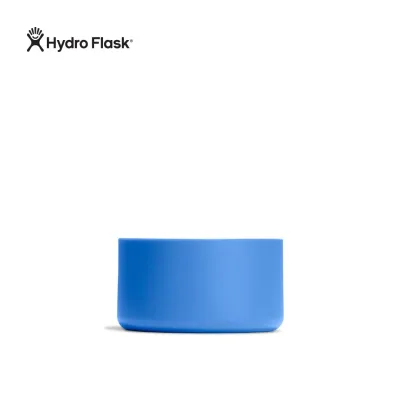
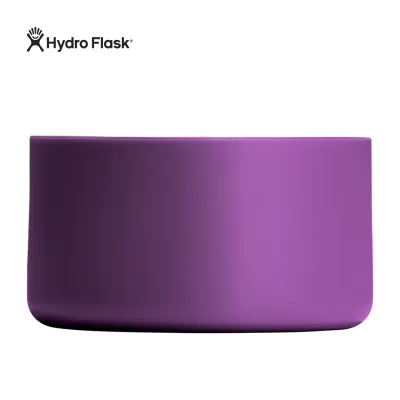
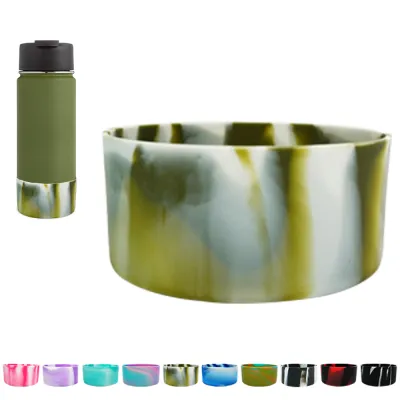
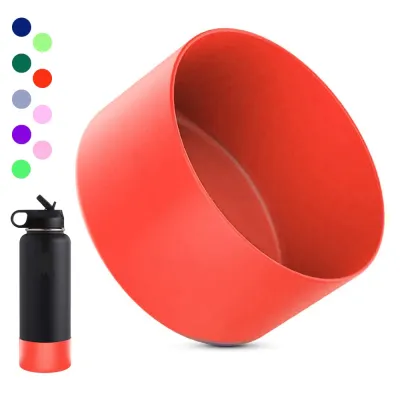
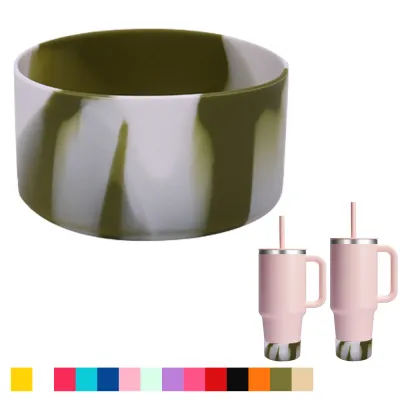
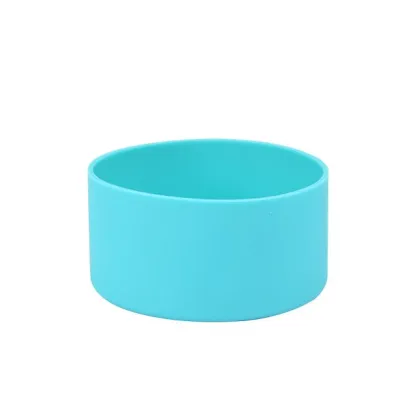
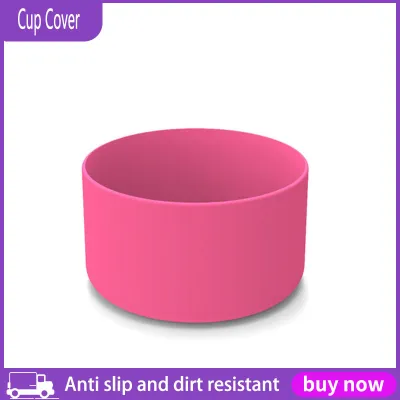
![[Diameter 7.5cm] Protective Anti-Slip Twill Silicone Boot Fit Stanley Quencher H2.0 40oz & IceFlow Flip 20 oz 30 oz & Hydro Water Flask Vossflask 12-24oz Tumbler Bottle](https://img.lazcdn.com/g/p/40046768c933aff8f137469a8700ce92.jpg_400x400q80.jpg_.webp)
Prices are valid at publication and may change. Please refer to the product page for the latest price.
In wet or highly humid conditions, condensation can pool around the base of cold bottles, or sweat from your hands can make surfaces slick. Whether you are placing your bottle on a gym floor, a boat deck, or a wet outdoor bench, a high-traction boot provides the necessary grip to keep the bottle upright. This stability is particularly valuable during outdoor activities where uneven terrain or wet surfaces increase the risk of tipping.
How to Match the Boot Size to Your Bottle
To find a boot that fits securely, you must look beyond the liquid capacity of your bottle and measure its physical base diameter. Hydro Flask bottles generally fall into two primary design categories: standard mouth and wide mouth. Because these categories feature different body profiles, a 21-ounce standard mouth bottle has a narrower base than a 32-ounce wide mouth bottle. However, a 12-ounce, 18-ounce, and 24-ounce standard mouth bottle may share the exact same base diameter, meaning they use the same boot size despite their different heights.

Before making a purchase, use a ruler or caliper to measure the outer diameter of your bottle’s base. Compare this measurement directly with the inner diameter specifications provided by the boot manufacturer. Standard mouth bottles typically require a small boot (approximately 73 millimeters in diameter), while wide mouth bottles of 32 ounces and 40 ounces generally require a medium boot (approximately 90 millimeters in diameter). Always verify these measurements on the product packaging or online listing, as third-party manufacturers may use slightly different sizing standards.
Choosing an incorrect size carries distinct functional risks. A boot that is too loose will easily slide off when you pull the bottle out of a backpack side pocket or cup holder, leading to accidental loss. Conversely, a boot that is too tight will require excessive force to install, which can overstretch the material, cause premature tearing, or trap moisture underneath. This trapped moisture cannot evaporate easily, creating an ideal environment for corrosion or mold growth against the powder coat.
Comparing Boot Materials for Durability and Grip
The material of your protective boot directly influences its durability, grip, and how well it handles daily wear. Food-grade silicone is the most common material used for bottle boots due to its excellent flexibility and shock-absorbing properties. Silicone is highly resilient, stretching easily over the bottle base while retaining its original shape over time. It provides a soft, tactile grip that prevents sliding on smooth surfaces and is exceptionally easy to clean with warm water and soap.
For rugged outdoor environments, such as hiking rocky trails or working on construction sites, boots made from dense rubber or thermoplastic elastomers (TPE) offer superior abrasion resistance. These materials are harder than standard silicone, providing a stiffer barrier against sharp rocks, gravel, and rough concrete. While they may offer slightly less elasticity during installation, their structural rigidity ensures long-term protection against heavy impacts.
When evaluating different boots, look for specific design features that indicate high quality. Check the thickness of the bottom panel; a thicker base (ideally 1.5 to 2 millimeters) provides better drop protection than a paper-thin sleeve. Look for anti-slip texture patterns on the bottom surface, such as ridges or honeycomb grids, which help channel water away and improve traction on wet surfaces. Reinforced edges around the rim of the boot also prevent the material from splitting or tearing at its weakest points.
While fabric or neoprene sleeves are sometimes used to cover entire bottles, they offer significantly less impact protection than solid silicone or rubber boots. Neoprene is excellent for thermal insulation and absorbing sweat, but its soft, porous structure easily compresses under impact, offering minimal defense against dents on hard surfaces. For robust base protection, a solid, molded boot remains the more reliable choice.
Checking the Fit and Installation
Properly installing your bottle boot ensures it stays in place and performs as intended. To install the boot, first ensure that both the bottle exterior and the inside of the sleeve are completely clean and dry. Align the boot with the bottom of the bottle, then gently press and wiggle the boot upward. If the fit is snug, you can trap a small pocket of air inside; to release this, gently peel back one edge of the boot to let the air escape, allowing the sleeve to slide fully flush against the metal base.
Once installed, perform a quick visual inspection and a shake test. The boot should sit perfectly straight without any visible gaps, bulges, or misaligned edges. Hold the bottle by the cap and give it a firm shake; the boot should remain firmly attached without sliding or shifting. If the boot twists easily or sags at the bottom, it is too large and should be replaced with a smaller size to prevent it from falling off during outdoor activities.
Maintaining your boot is crucial for hygiene, especially in warm, humid climates where mold and mildew thrive. At least once a week, slide the boot off to clean both the bottle base and the sleeve. Wash them with mild dish soap and warm water, paying close attention to the inner crevices of the boot. Allow both components to air-dry completely before reassembling them. Installing a boot over a damp bottle base traps moisture, which can eventually degrade the powder coat or cause unpleasant odors.
Where to Buy and What to Verify Before Checkout
When shopping for a Hydro Flask boot, sourcing your accessory from reliable channels helps ensure you receive a durable product that matches your bottle’s dimensions. Official brand stores and authorized physical retailers offer guaranteed compatibility and high-quality materials, though they may carry a higher price tag. If you choose to shop on general e-commerce platforms or online marketplaces, you will find a wider variety of colors and third-party options, but you must exercise extra caution to verify the product’s quality.
To avoid purchasing an incompatible or poorly manufactured boot, use a strict pre-purchase checklist. First, ignore vague compatibility claims like “fits all sports bottles” and look for exact millimeter measurements of the boot’s inner diameter in the product description. Second, read user reviews specifically looking for feedback on fit consistency, material odor, and whether the boot stretches out of shape after a few weeks of use. Finally, confirm the seller’s return policy so you can easily exchange the boot if the fit is not perfect upon arrival.
Be highly skeptical of listings that fail to specify the material composition or omit detailed sizing charts. Cheaply made boots often use low-grade plastics that emit strong chemical odors, crack under sun exposure, or lack the elasticity needed for a secure fit. Investing a few hundred pesos (₱) in a well-reviewed, accurately sized silicone or rubber boot ensures your insulated bottle remains protected through years of daily use and outdoor adventures.
Frequently Asked Questions (FAQ)
Can I use a third-party boot on an authentic Hydro Flask?
Yes, many third-party boots are designed to fit the standard dimensions of popular insulated bottles. While they may lack the official logo, they offer comparable protection if the inner diameter matches your bottle’s base. However, ensure the material is flexible; rigid, low-quality plastic third-party boots can scratch or scuff the bottle’s powder coating during installation or removal.
Will a silicone boot leave marks or residue on my bottle?
High-quality, food-grade silicone will not leave permanent marks or chemical residue on your bottle. However, if moisture becomes trapped between the boot and the bottle, it can leave mineral deposits or water spots over time. To prevent this, always dry the bottle completely before putting the boot on, and clean the base regularly.
How do I clean a boot that has developed an odor?
If your boot develops a musty odor from trapped moisture, wash it thoroughly with warm water and mild dish soap. For persistent smells, create a paste using baking soda and water, apply it to the inside of the boot, let it sit for about 30 minutes, and then scrub it gently with a soft brush. Ensure the boot is completely dry before sliding it back onto your bottle.
Community discussion
Share your experience or ask a question. Comments are reviewed before publication.